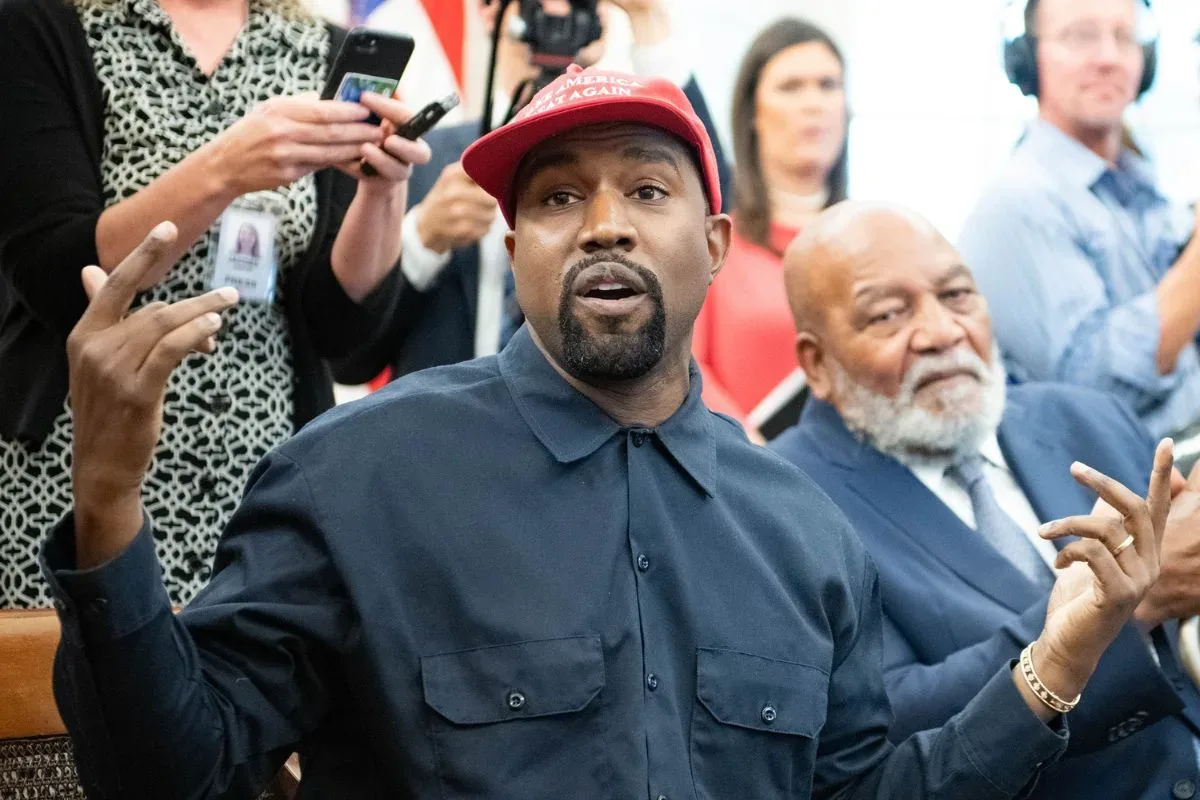
Short performance clips have a way of stripping a live show down to its most easily judged seconds. That is the backdrop for a video from Ye’s Jakarta performance that circulated online after showing him singing “Heartless” a cappella. Without the familiar instrumental, the isolated vocals became a target for jokes, including from a Ye-focused account on X that shared the footage with laughing emojis.
Ye responded directly on X rather than allowing the clip to speak for itself. “Bro This shit was a vibe The crowd was very loud It’s called rock and roll,” he wrote.
His reply frames the disagreement less as a dispute over whether every note was pristine and more as a clash between two ways of evaluating a concert. A brief, phone-recorded excerpt can encourage listeners to assess vocal precision in isolation. Ye’s explanation instead points to the room: a loud audience, a communal singalong and an intentionally loose live moment.
That distinction matters because “Heartless” is strongly associated with its recorded production. Pulling away the backing track changes what the audience hears and what a viewer at home can reasonably compare it to. The viral clip may preserve the bare vocal, but it does not automatically convey the crowd response that Ye says defined the experience.
Why an a cappella clip can sound so different
A cappella means a performance without instrumental accompaniment. In this case, that absence is central to the online reaction. The production normally surrounding a song can supply rhythm, texture, transitions and a tonal framework for the lead vocal. When it is removed, listeners hear the singer more directly, along with any roughness that would be less prominent in a fully arranged version.
That does not make an a cappella passage inherently a mistake. It is a different presentation, and often a riskier one. A performer may use it to invite the crowd to carry a line, create contrast before the music returns or simply loosen the form of a familiar song. Ye’s reference to “rock and roll” suggests he viewed the Jakarta section through that more unruly, atmosphere-led live-performance tradition rather than as an attempt to recreate a studio recording exactly.
There is also a practical limitation to judging a concert through a viral fragment. A video may capture one person’s microphone more clearly than the audience, compress sound unevenly and begin after the setup for a moment has already happened. It can be useful evidence of what occurred in that slice of the show, but it is not a complete document of the room’s energy, sequencing or audience participation.
Ye’s response makes a specific claim about that missing context: the Jakarta crowd was loud. If the audience was actively singing along, the a cappella section may have functioned as a call-and-response moment as much as a solo vocal showcase. That is a different standard from the one applied by people replaying the clip alone on a social feed.
Related coverage includes Ye Responds After ‘Heartless’ Clip From Jakarta Draws Mockery.
Two audiences, two reactions
The Jakarta performance appears to have been warmly received in the venue, while the circulating post focused attention on an awkward-sounding vocal excerpt. Neither reaction needs to erase the other. Live audiences can enjoy an imperfect, spontaneous moment precisely because they are present for its scale and shared feeling. Remote viewers, meanwhile, often encounter only the detail selected for circulation—and social platforms reward a clip that is strange, funny or easy to criticize.
The account that posted the “Heartless” footage is devoted to Ye news, which also illustrates an increasingly familiar fan-culture dynamic. Dedicated accounts can amplify an artist’s work and monitor every development, but they are not required to treat every moment as above criticism. In this case, the teasing was public enough to prompt a rare reply from Ye himself.
For performers, that creates an unusually compressed feedback loop. A creative decision made in front of a crowd can be separated from its original setting, clipped, captioned and reframed within hours. The response from the artist can then become the next viral object. Here, the story is no longer only about the performance; it is also about what constitutes a fair reading of a live clip.
What Ye’s reply does—and does not—settle
Ye offered an explanation of intent, not a technical rebuttal. He did not argue that the passage should be heard as a polished studio-style vocal. His point was that it served the atmosphere of that show and connected with the crowd in the room.
That leaves room for listeners to decide whether the clip works for them. Some will still hear a performance they do not enjoy. Others may see it as a deliberately raw break in a song built for collective recognition. The meaningful takeaway is that the two interpretations are answering different questions: “Does this isolated vocal sound good to me?” versus “Did this create a memorable live moment for the audience?”
Jakarta becomes the center of the story
The online conversation began with the vocal clip, but Ye’s own message redirects attention to Jakarta. The available account of the show describes a crowd that embraced the performance and sang along, underscoring the international reach that remains around his live appearances. For attendees, the defining memory may be the scale and noise of the audience rather than an imperfect few seconds that later spread online.
That does not mean outside criticism is invalid, nor does a favorable in-room reception settle wider conversations around Ye. His public standing remains complicated, and it is uncertain whether he will regain broad mainstream acceptance. A supportive audience in one city and a viral moment of mockery can coexist with that larger uncertainty.
Still, the response shows that Ye remains willing to shape the framing when he believes an excerpt misses the point. Rather than offering a long defense, he used a short message to insist that the live atmosphere mattered more than the stripped-down audio. In the language of the clip economy, that is a straightforward counterargument: the video was not the whole event.
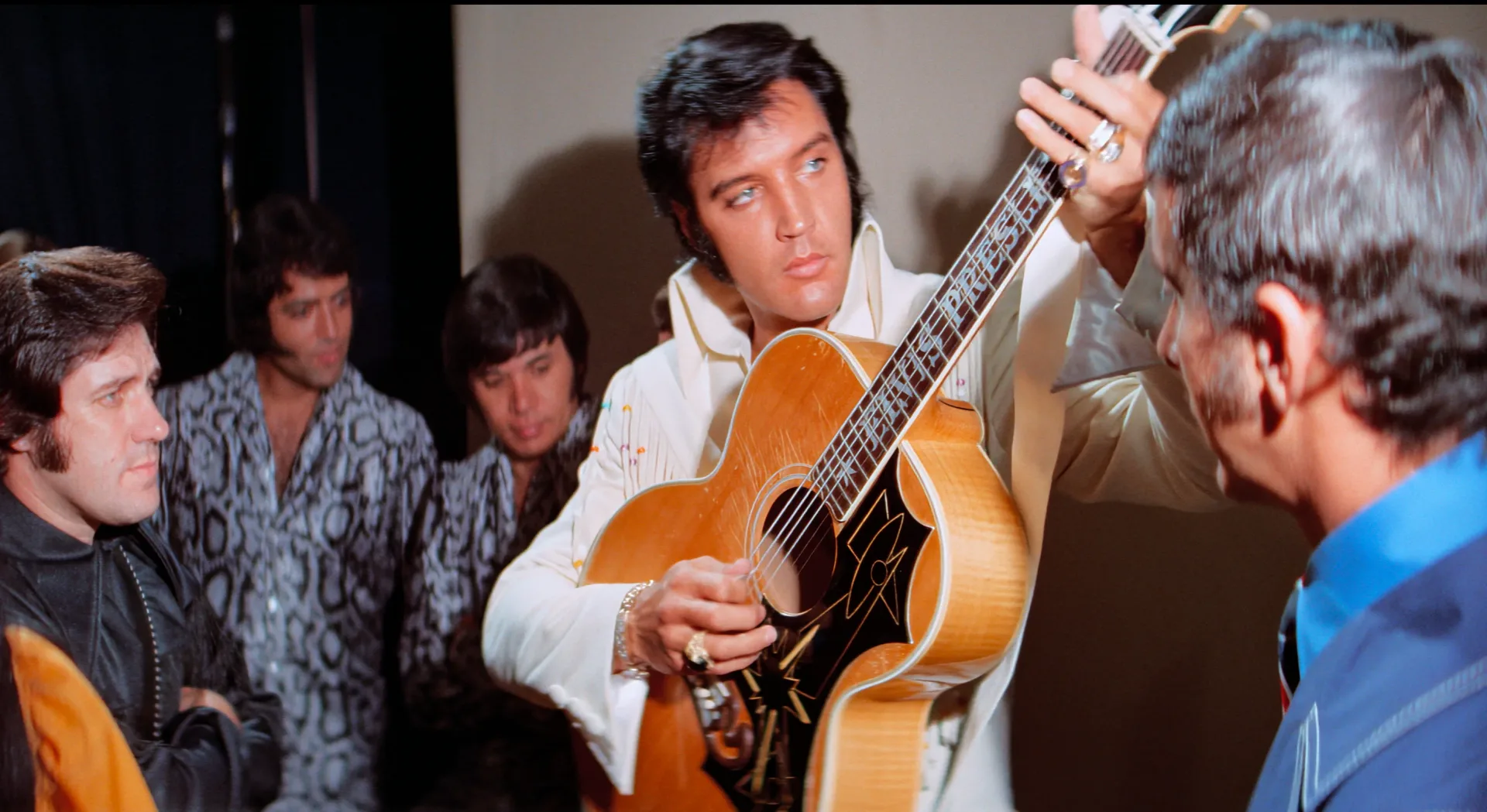
The episode also arrives in a broader music environment where performance, online reaction and artist control increasingly overlap. Questions surrounding music’s use, ownership and technology are appearing elsewhere too, including in the dispute covered in this report on Elvis Presley music-rights holders’ lawsuit involving alleged AI training use. The subjects are very different, but both reflect how music can move beyond the original performance or recording and acquire new meanings—and new stakes—once it is redistributed online.
What viewers can take from the viral moment
The most useful way to read the Jakarta clip is with a little precision. It documents Ye singing “Heartless” without the instrumental, and it documents why some online viewers found that sound awkward. It does not, by itself, settle the quality of the full performance or disprove his claim that the crowd was enthusiastic.
- Separate the excerpt from the event: A short recording can accurately capture a vocal moment while still omitting the audience dynamic that gave it meaning.
- Recognize the format: A cappella singing exposes a voice in a way that a produced track does not, making it more vulnerable to scrutiny.
- Distinguish intent from reception: Ye says the moment was intended as a vibe-driven, rock-and-roll-style exchange. Viewers are still free to decide whether that intention came across.
- Keep the larger context in view: Strong fan support at a concert does not resolve ongoing questions about his broader public reputation.
For now, the story is a compact example of the gap between the arena and the algorithm. In Jakarta, Ye says “Heartless” became a loud communal moment. Online, the same passage became a punchline. His response did not try to make those reactions identical; it argued that the crowd experience was the one that mattered.