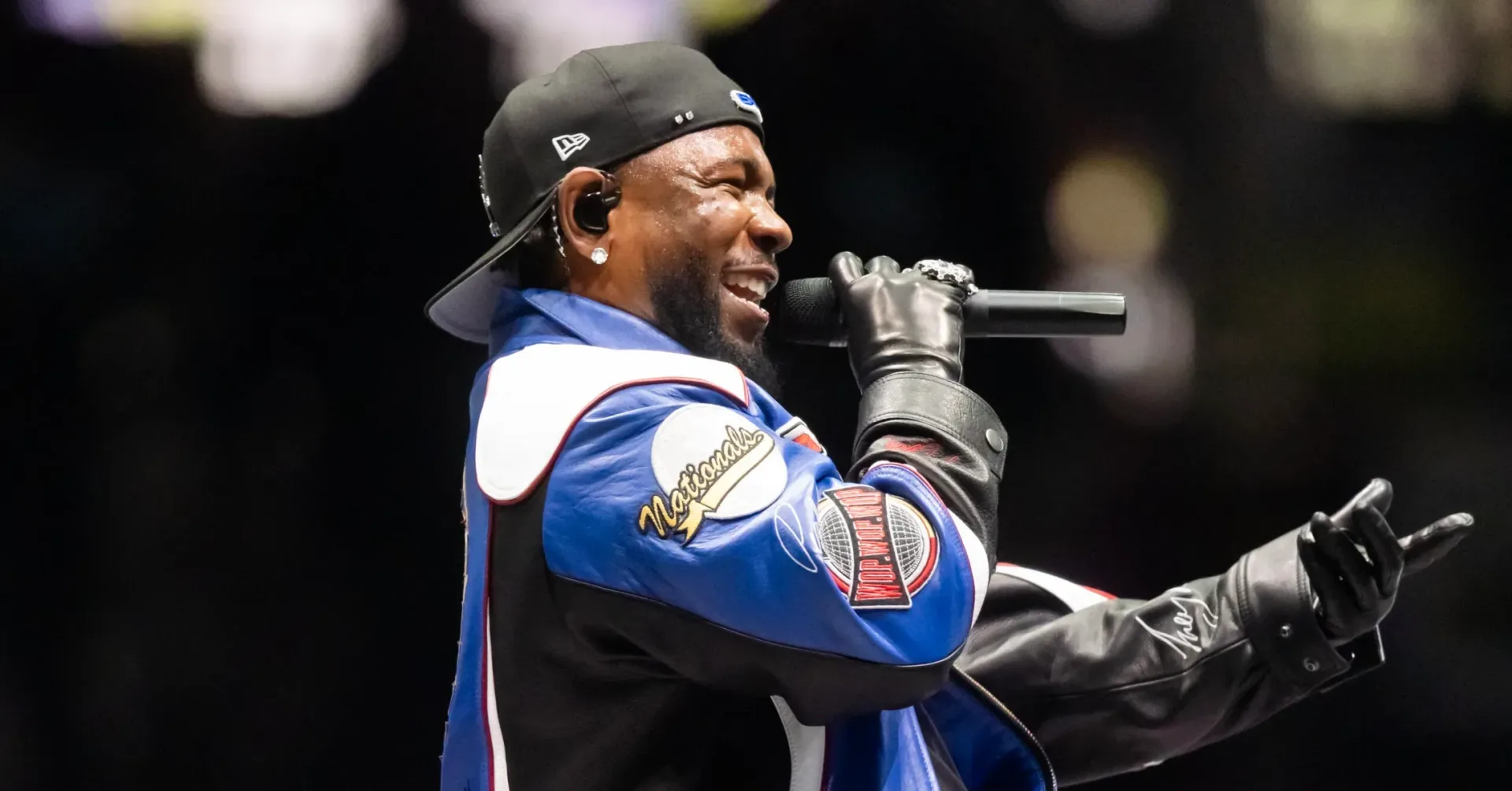
Jakarta’s preparations for Ye’s first concert in Indonesia extended well beyond ticket gates, stage hardware and late-night transit. Ahead of an unusually busy weekend, Governor Pramono Anung instructed the city’s Disaster Mitigation Agency to conduct cloud-seeding operations on October 22 and 23, coordinating with Indonesia’s Meteorology, Climatology and Geophysics Agency.
The intended result was rain before major outdoor activity, helping reduce heat for residents, runners at the Jakarta Running Festival and people attending Ye’s October 24 stadium appearance. It is an unusual detail beside the usual concert checklist, but an important distinction is needed: the operation was a city weather measure covering the wider weekend, not an artist-specific stage effect.
Ye performed at Gelora Bung Karno Main Stadium in Jakarta, a show billed as the only Southeast Asian stop on his 2026 tour. The date had been announced in July, and the performance marked his first concert in Indonesia.
Cloud seeding was conditional, not a guaranteed weather switch
“Cloud seeding” can sound like a button that makes rain appear on command. The available details describe something more limited. Pramono said the effort depended on adequate cloud cover, and he called for attempts to continue through October 25 where conditions allowed.
That condition matters. The city could order and coordinate the operation, but suitable clouds remained necessary. In practical terms, the plan was weather-dependent risk management ahead of two events drawing large numbers of people, rather than a promise that Jakarta would receive rain at a precise place and time.
The timing also makes the broader purpose clear. The activity was scheduled for October 22 and 23, before Ye’s Saturday, October 24 appearance, with possible continuation through October 25. The stated objective was to ease heat during a packed period for the city—not to turn concert weather into part of the performance.
Why the distinction matters
Large outdoor and stadium events involve more than what happens under the lights. Heat can shape how attendees travel, queue, enter venues and move through festival areas. Jakarta’s response linked a running festival, a stadium concert and the wider public into one operational picture. That framing is more useful than treating the weather effort as a celebrity novelty.
It also sets a sensible boundary around what is known. There is no basis here to claim that cloud seeding produced any particular rainfall result, altered the concert itself or was deployed as an artistic element. What is established is that city authorities ordered a conditional effort beforehand and tied it to comfort during a high-traffic weekend.
Related coverage includes Jakarta Used Cloud Seeding Ahead of Ye’s First Indonesia Concert.
A globe at the center of the stadium
Inside Gelora Bung Karno Main Stadium, the concert’s visual logic was far more deliberately controlled. The production placed a giant globe-shaped stage at the center of the performance area and used a 360-degree setup. That means the stage was designed to be viewed around its full perimeter rather than functioning solely as a conventional end-of-field platform facing one direction.
A 360-degree configuration can change the event experience for both artists and spectators. The audience is distributed around the performance space, and visuals need to work from several sightlines. In Jakarta, fireworks, lasers and screens mounted above the stands accompanied the globe-stage arrangement.
The Ministry of Creative Economy’s event listing highlighted the 360-degree concept and identified Raw Vision Collective and PT Global Loket Sejahtera as organizers. The particulars matter because they separate confirmed production information from easy assumptions about how a stadium show of this scale was mounted.
The result, based on the reported account from the festival area, emphasized music and visual scale. Ye appeared at 9 p.m. and performed 32 tracks over nearly two hours. There was relatively little between-song crowd interaction; the production instead leaned on the songs, the large central object, lighting and the stadium-wide screen presentation.
A set built around familiar tracks
The reported set included “Bound 2,” “Heartless,” “Jesus Walks” and “Ghost Town,” before closing with “Runaway.” That selection spans several recognizable points in Ye’s catalog without suggesting that the Jakarta show was built as a narrowly themed presentation around one album or era.
The nearly two-hour, 32-song count also helps explain why a relatively minimal speaking presence could coexist with a substantial concert. A performance can make its pacing through transitions, visuals and the sequence of songs instead of extensive remarks between tracks. Here, the reported format placed the songs at the center, with the globe stage and stadium effects creating the connective tissue.
That is not the same thing as saying the crowd was uninvolved or the event lacked spectacle. The fireworks, lasers and overhead screens were integral to the design. Rather, the available account characterizes the show as one in which the visual system and catalog carried much of the communication normally handled by performer banter.
Entry and the journey home were part of the event plan
Production scale is only one side of a stadium concert. The attendee experience begins at gates and ends when people can leave the area safely. The on-site account described an orderly flow from gate checks through entry into the stadium. That is a modest but meaningful detail for an event built around a central stage and a large crowd moving through a major venue.
Jakarta also supported the exit period with extended MRT operating hours for fans heading home after the concert. Late-night transit support is especially relevant to a show that began at 9 p.m. and lasted close to two hours. It acknowledges that an event is not finished for attendees when the final song ends; the practical last act is getting a large group out of the venue district.
For readers following other large-scale entertainment events shaped by atmosphere and presentation, there is a very different kind of one-night genre story in Hunter’s Moon’s PS5 announcement. The connection is the event-like emphasis on setting, not any claimed relationship between the projects.
What Jakarta’s weekend illustrates
The most striking element of this concert weekend was not simply that Ye played a first Indonesian date, nor only that the stadium show used a globe-shaped 360-degree stage. It was the overlap of public planning and entertainment logistics: a weather-dependent city operation intended to lower heat, a running festival, a major concert, controlled entry and expanded train service after the crowd dispersed.
Each layer had a separate role. Cloud seeding was a conditional environmental measure. The globe was a performance centerpiece. Gate procedures were crowd-flow infrastructure. Extended MRT hours addressed travel after the show. Putting them together explains how a stadium performance becomes a city-scale undertaking without overstating any one component.
For Ye’s Jakarta debut, the show itself reportedly delivered a lengthy set led by “Bound 2,” “Heartless,” “Jesus Walks,” “Ghost Town” and a closing “Runaway.” Around it, Jakarta treated the weekend’s weather, mobility and public comfort as part of the same larger operational challenge. The rain plan was not a concert special effect, but it was certainly among the most unusual pieces of preparation surrounding the night.