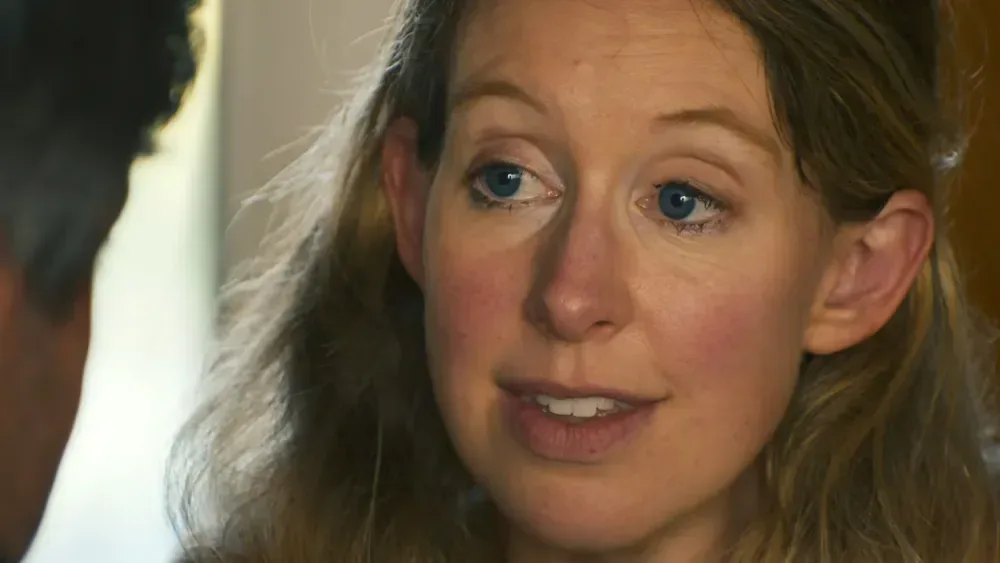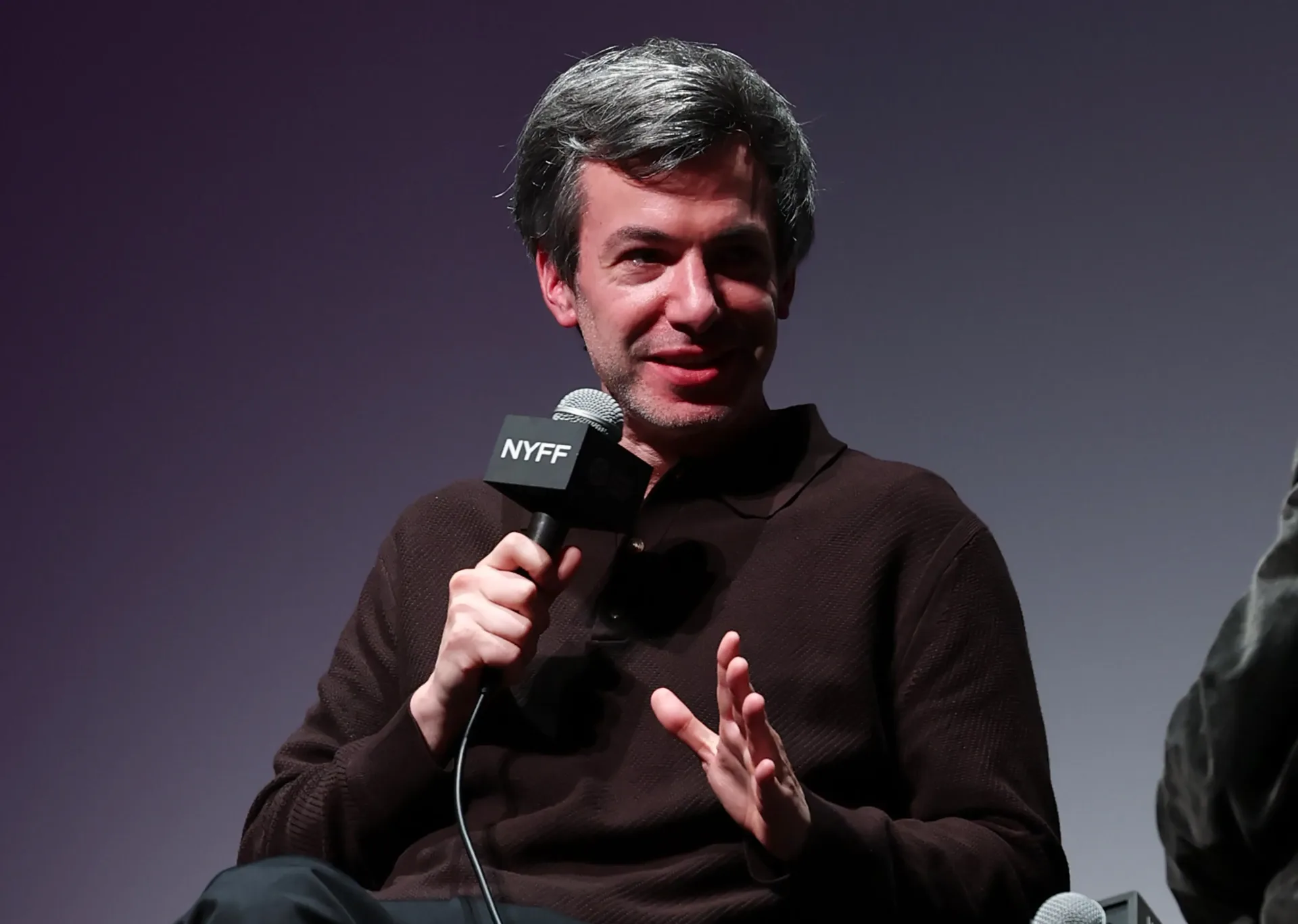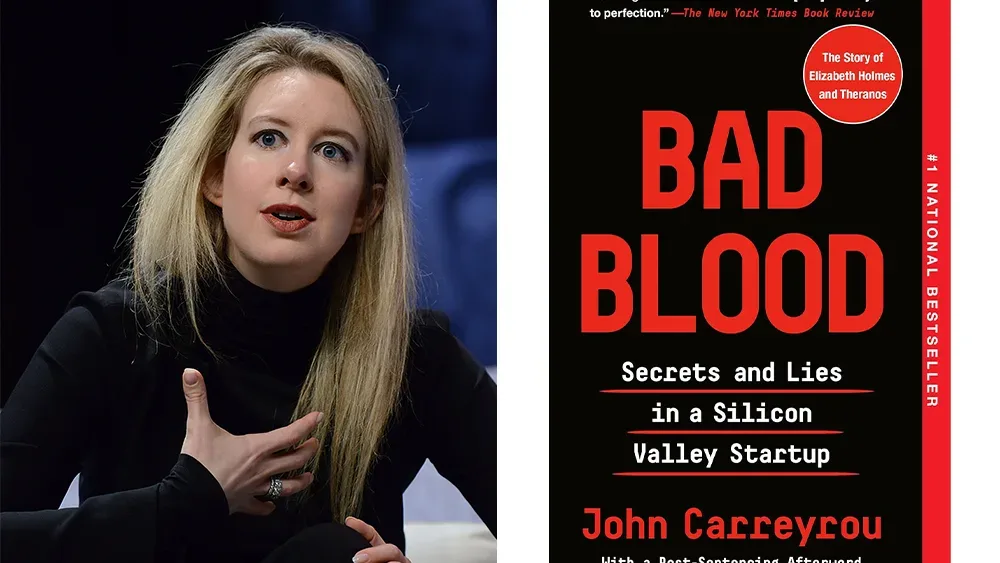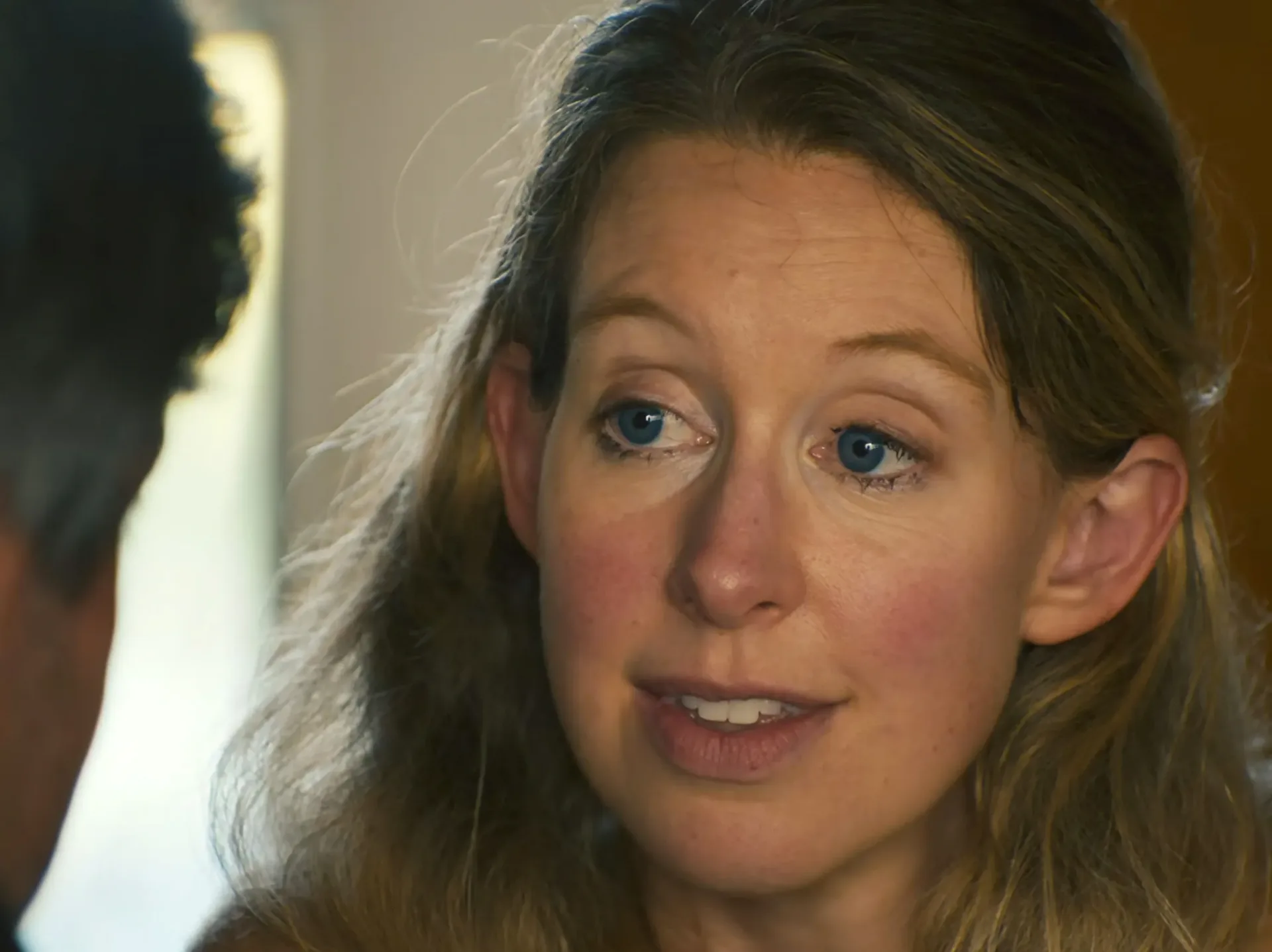
One sentence has become an unusually revealing loose thread in You Can See Everything, the documentary involving Nathan Fielder and co-director Lance Oppenheim. Elizabeth Holmes maintains that a 2023 profile misquoted her during a discussion of screen portrayals of the former Theranos founder. The reporter behind the profile, Amy Chozick, continues to stand by the published wording.
The documentary does not resolve the disagreement. That absence of a tidy verdict is the point: the film frames the dispute as a much larger question about self-image, media portrayal and what happens when a consequential exchange was captured in handwritten notes rather than preserved in an audio file.
The two versions differ by one crucial subject
The published quotation attributes this statement to Holmes: “They’re not playing me. They’re playing a character I created.” Holmes has disputed it, saying her actual meaning was that performers were playing “a character they created.”
On the surface, it is a small textual change. In practice, it changes the entire claim. The published version describes Holmes as acknowledging authorship of the persona associated with Theranos. Her alternate wording shifts that authorship outward, toward filmmakers and dramatists who have interpreted her story.
The context was the wave of fictional depictions based on Holmes, including Amanda Seyfried’s performance in Hulu’s The Dropout. Jennifer Lawrence had also been discussed as a potential screen portrayer before leaving a project. Yet the contested wording now matters beyond casting chatter, because it touches an issue Holmes reportedly discussed over several days: the construction of a public-facing Theranos identity.
What the documentary establishes—and what it cannot
Fielder’s interest is not merely in adjudicating punctuation or recalling a beachside conversation word for word. The dispute gives the documentary a narrow but potent dilemma. Is an unfavorable characterization being imposed on Holmes by media coverage, or is Holmes unable to recognize the role she had in shaping the image at issue?
You Can See Everything declines to choose a side because the decisive evidence is unavailable. Holmes’ partner, Billy Evans, says in the film that he recorded the interview. However, he does not provide material demonstrating that Holmes was misquoted. The filmmakers also contacted Chozick, who stood behind her reporting but did not furnish independent physical proof of the exchange.
That distinction is important. Standing by a quote is not the same thing as producing a recording or contemporaneous notebook for others to inspect. Equally, questioning a quote is not by itself proof that it was inaccurate. The public record described here contains competing recollections and editorial verification, not a piece of evidence that conclusively ends the argument.
The reporter’s account of the missing notes
Chozick has since described the moment in detail. She says Holmes made the disputed remark while the two were walking outside a rented California beach home, after Chozick mentioned that Lawrence had withdrawn from portraying Holmes. Evans, Chozick said, was at the gym at the time.
Chozick says she wrote the words in a notebook as Holmes walked a few steps ahead. She was not audio-recording that part of their time together. Her stated practice was to review a notebook at the end of a reporting day, mark especially important material, highlight it and flag the page. She says this quotation received that treatment.
But the notebook no longer exists. Chozick says she generally kept reporting notebooks for a couple of years before discarding them, believed the matter had been settled after editors confirmed the quotation in 2023, and did not expect it to become central to a documentary later. She has said she now wishes she had retained it.
Chozick also rejects Evans’ assertion that he recorded every conversation. Her account is that formal interviews at the kitchen table and on a couch were recorded by both sides, whereas other revealing, on-the-record interactions occurred with recorders off. Her explanation reflects a basic reporting distinction: an interview can be on the record even when it is documented through notes instead of an audio device. That method, however, leaves audiences with fewer artifacts when the wording later becomes contested.
Why the surrounding context matters
Chozick says Holmes spoke openly about the persona created at Theranos, including its recognizable visual and vocal markers: black turtlenecks, red lipstick and a deep voice. Holmes reportedly told Chozick, “Maybe people picked up on that not being authentic, since it wasn’t.” Holmes did not dispute that line or the surrounding discussion.
This does not prove the disputed sentence. Context can make a quotation seem consistent with a subject’s wider remarks, but it cannot substitute for a recording or preserved notebook. Still, it explains why Chozick says the line stood out to her and why she insists it was accurately reported. In her account, the profile was centrally concerned with how Holmes made and later regarded a particular version of herself—not simply how Hollywood portrayed her.
The episode also highlights the limits of an all-or-nothing approach to documentation. Audio recordings are powerful corroboration, but reporting does not always occur in controlled, seated interview settings. A casual walk, a pause between formal sessions or a spontaneous observation can yield an important on-the-record comment. Handwritten notes may be the available record in those moments. Their strength depends on the reporter’s contemporaneous process and editorial review; their weakness is obvious when the original page has been disposed of.
A documentary question that remains deliberately open
For viewers, the most useful way to approach the scene may be to separate three questions that are often blended together. First: what exactly did Holmes say? Second: how did the reporter document and verify what she believed she heard? Third: what does either version suggest about Holmes’ relationship to her former public persona?
Only the second question receives a detailed present-day explanation, and even that account cannot be independently reconstructed from the missing notebook. The first remains unresolved. The third is necessarily interpretive.
That unresolved structure gives You Can See Everything its tension. Rather than presenting the quote dispute as a clean correction story or a clean vindication of the original profile, the film leaves viewers with incomplete evidence and incompatible accounts. It is a reminder that the shortest lines can carry the heaviest narrative weight—especially when they concern who gets credit, or blame, for creating a public character.
For more film-and-TV industry context, see our coverage of a documentary’s surprising box-office challenge.