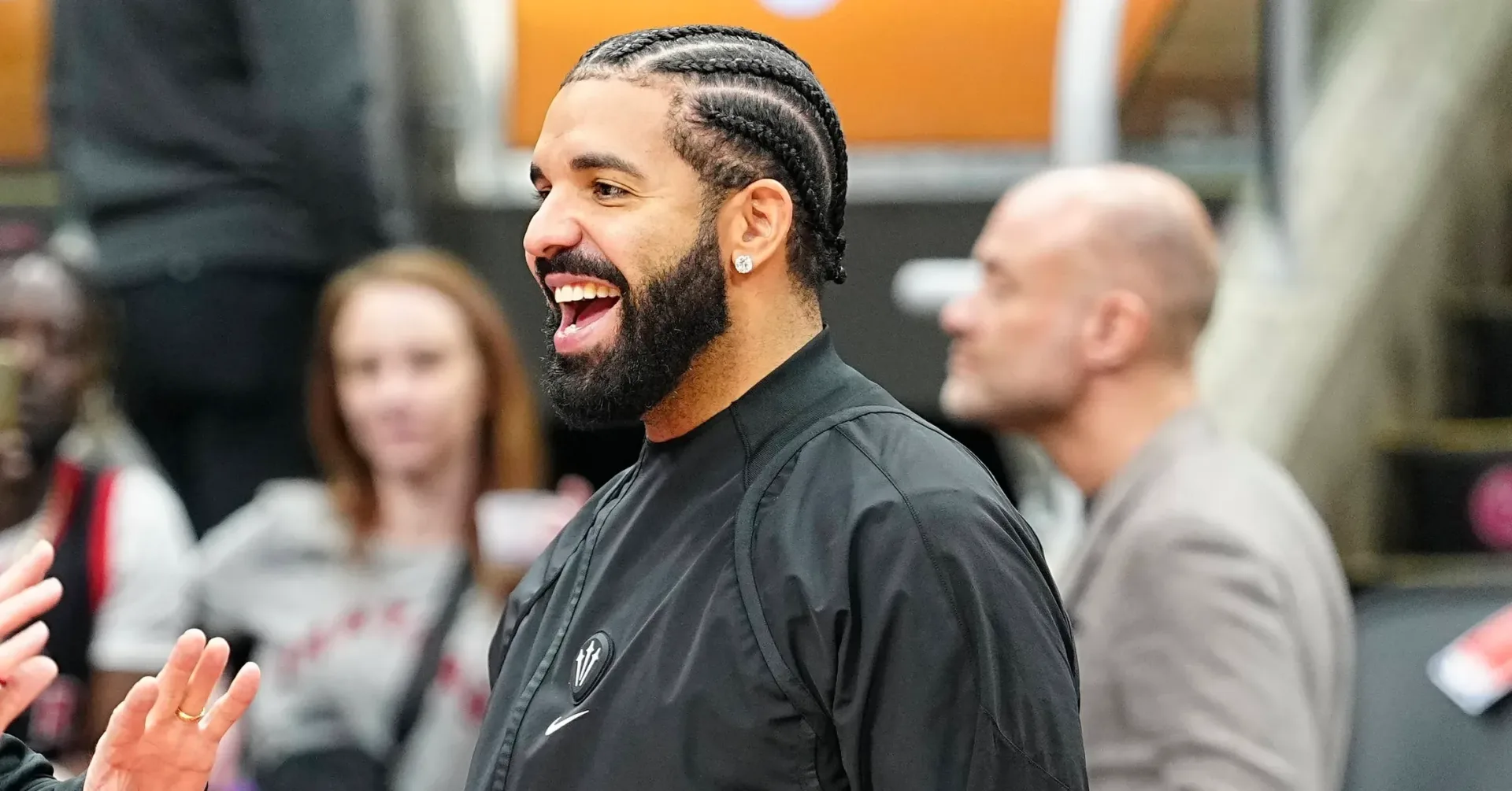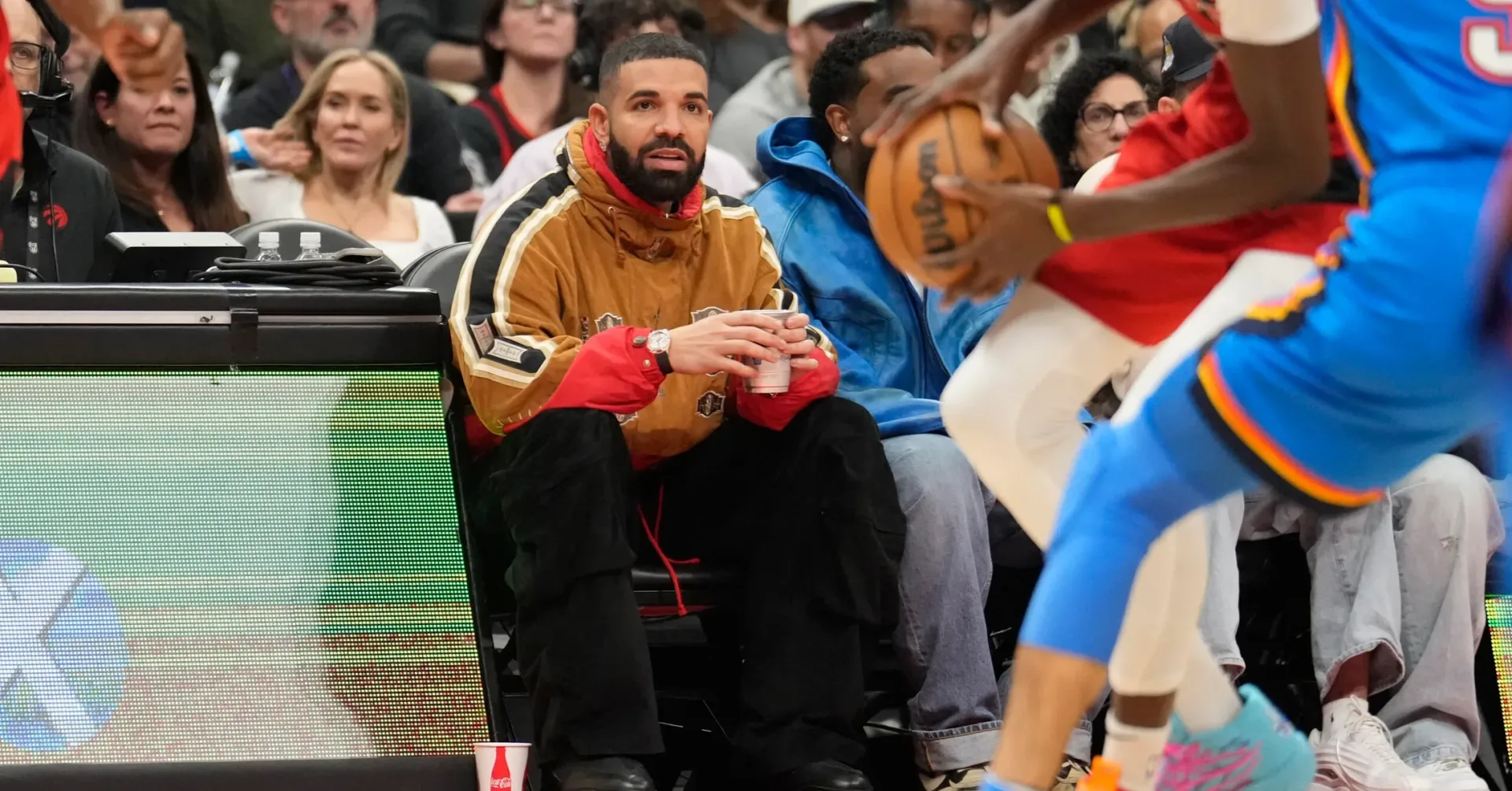
Drake’s generosity is once again fueling a familiar internet argument: is he simply fond of making people happy, or is the scale of his gift giving so extreme that it inevitably becomes part of the spectacle?
The newest detail is an unverified story that moved through several people before reaching the public. During a stream with Trap Lore Ross, DJ Akademiks relayed an account he said came from Adam22 involving Drake’s 20V1 production. The story is notable not because it establishes a confirmed financial record, but because it illustrates the reported scale on which Drake is said to approach gifts.
In the account, Pinkchyu won a house for her mother during the 20V1. Other women involved in the shoot reportedly received expensive gifts as well. But one participant was said to have been missed in the process. Drake allegedly responded by giving her access to his credit card and telling her to shop with members of his team.
The participant reportedly spent $30,000. Akademiks said Drake’s reaction was surprise that the total had stopped there.
A story with important limits
There is a crucial distinction between a story being widely repeated and being independently verified. This particular account is secondhand: Adam22 allegedly heard or knew the underlying details, Akademiks recounted them on stream, and the story then spread further. Neither the purchase, the card arrangement, nor the $30,000 total is established here through documentation or a direct statement from Drake or the recipient.
That does not make the anecdote impossible. It does mean it should be read as a reported claim rather than a confirmed ledger entry. Celebrity spending stories tend to become cleaner and more dramatic as they travel: a person is overlooked, a card is handed over, a surprisingly restrained shopping bill follows. It is an especially shareable narrative shape, which is precisely why caution matters.
The same restraint applies to another figure mentioned during the discussion: Akademiks said Drake’s private aircraft costs $100,000 every time it takes off. That is also presented as a claim from the stream, not as a documented operating cost. Flight expenses can involve far more than a single simple charge, but no further breakdown was supplied, so it would be inappropriate to treat that number as a settled measure of Drake’s travel costs.
Why the $30,000 number caught attention
For most people, $30,000 is not a casual shopping total. In the context of this story, though, the amount functions less as the centerpiece than as a contrast. The reported punchline is that Drake supposedly viewed the sum as unexpectedly low after giving someone broad discretion to choose what she wanted.
That contrast has helped keep the longstanding conversation around his gifting alive. Drake has faced accusations of “tricking,” a slang term generally used in this context to criticize conspicuous spending on romantic interests or women. The term is often less a precise description of any one exchange than a judgment about status, courtship, public performance and who controls the story around a gift.
Drake recently pushed back on the premise behind that criticism, saying that he likes making someone feel good. The reported 20V1 episode is being treated by supporters as consistent with that explanation: someone was overlooked, he felt bad, and he tried to correct it with a generous gesture.
Critics can view the same story differently. When a gift is connected to a filmed production, a celebrity’s circle, or a viral discussion, even a sincere act can become inseparable from image-making. Those two readings are not mutually exclusive. A gift can be personally meaningful to its recipient while also contributing to the giver’s larger public persona.
The broader pattern people are discussing
The 20V1 account did not emerge in a vacuum. On August 4, Drake held a Strong Women Stronger Drinks event where attendees competed for luxury prizes. One woman reportedly left with a Maybach. That event, along with the claimed house prize for Pinkchyu’s mother, provides the immediate backdrop for the latest discussion.
A Maybach is a luxury vehicle nameplate associated with high-end versions of Mercedes-Benz cars. In popular culture, the name carries meaning beyond transportation: it is shorthand for a prize designed to look and feel exceptional. Similarly, a house for a winner’s mother is a gift with an obvious emotional dimension. It shifts the narrative from a flashy personal purchase to a family-oriented reward.
These examples explain why Drake’s supporters frame the subject in positive terms. The emphasis is on the recipient: a mother receiving housing, an event guest receiving a luxury vehicle, or a participant reportedly given an opportunity to choose a compensating gift after being overlooked.
They also explain the opposing response. Large public-facing prizes can create excitement, but they can invite questions about fairness, expectations and whether generosity becomes a kind of content. Those questions are not proof of bad intent. They are a predictable response when private-scale spending is attached to entertainment, livestream discussion and celebrity visibility.
Gift giving, public image and the “trick” debate
The online use of “trick” frequently flattens complicated situations into a simple scorecard: who spent money, who received it, and whether outsiders think the exchange was deserved. That framework is blunt. It leaves little room for gifts given to friends, guests, collaborators, fans, romantic partners or people connected to a production, all of whom may have very different relationships to the giver.
It can also obscure agency on the recipient’s side. In the reported shopping story, the participant is said to have spent $30,000 despite allegedly being invited to buy whatever she wanted. If the retelling is accurate, that decision is part of why the story resonated. The viral interpretation depends on the gap between open-ended permission and a final total that Drake reportedly considered modest.
Still, no one outside the situation can know the conditions, choices or conversations that shaped it. The useful takeaway is not that $30,000 is objectively a small amount, nor that every gift from a wealthy artist must carry a hidden motive. It is that wealth changes the scale of ordinary gestures, and fame turns those gestures into public arguments.
That is especially true for an artist whose name generates intense reactions regardless of the topic. A reported shopping trip does not stay a shopping trip. It becomes evidence in preexisting debates about luxury, romance, generosity and reputation. The story’s circulation says as much about the audience’s established expectations of Drake as it does about the alleged event itself.
What can and cannot be concluded
Based on the available claims, there is a consistent public-facing picture of major gifts surrounding Drake-related events: Pinkchyu reportedly won a home for her mother through 20V1; a Strong Women Stronger Drinks attendee reportedly won a Maybach; and an overlooked 20V1 participant was allegedly offered a shopping trip that totaled $30,000.
What cannot be responsibly concluded is how much Drake spends overall, whether the private-plane figure is accurate, or what his intentions were in each instance. The reports do not provide receipts, full event rules, direct comments from every recipient, or accounting records. They also do not establish that these gestures are routine rather than notable precisely because they are unusual.
Even so, the anecdote has landed because it fits Drake’s cultivated image of excess: high-value prizes, large gestures and a willingness to make an already extravagant moment even bigger. Whether people regard that as genuine kindness, showmanship, or a mix of both will depend largely on how they approached the debate before hearing this story.
For more on how entertainment-business stories can intersect with the wider media landscape, see the latest industry coverage.