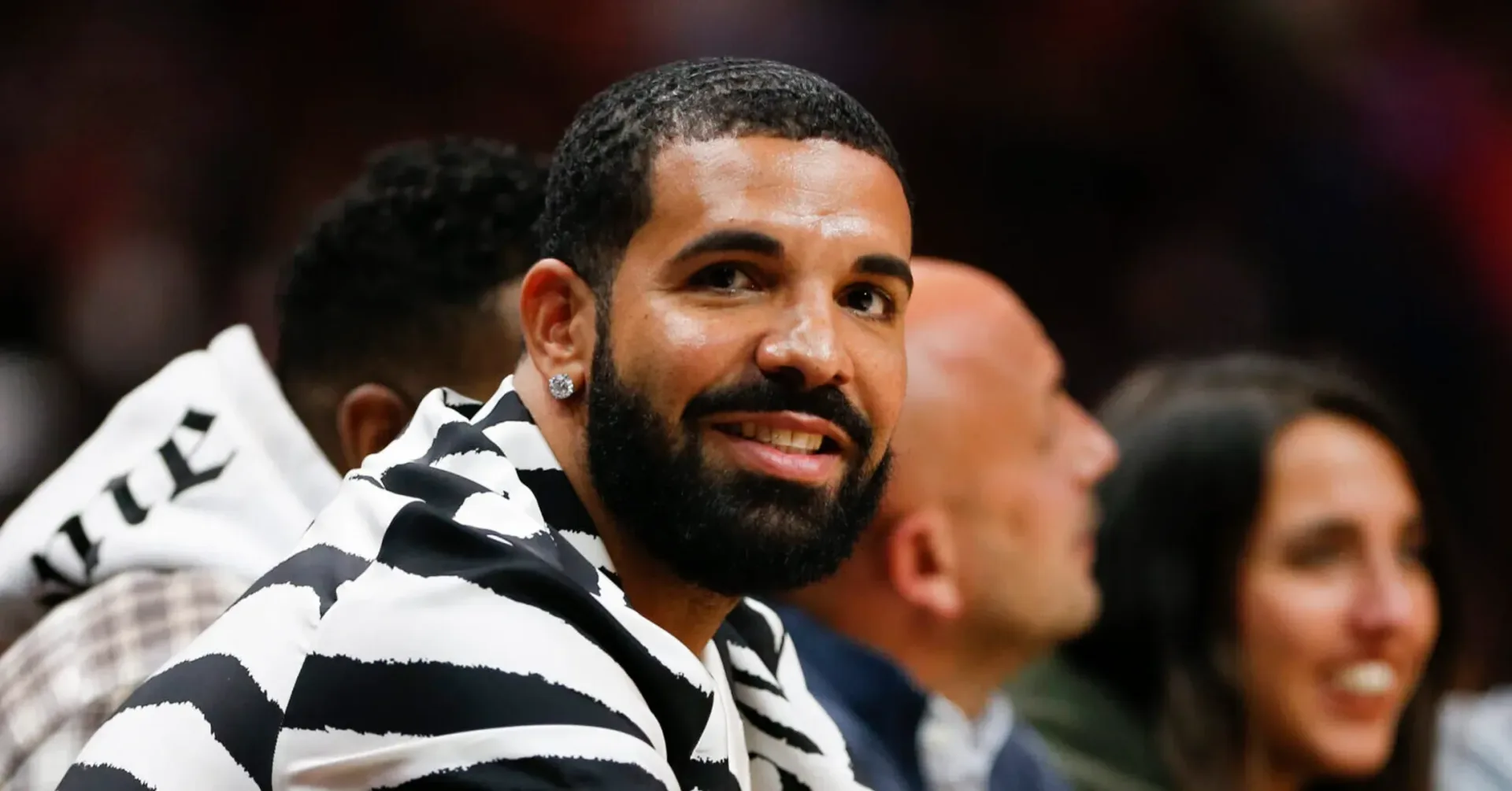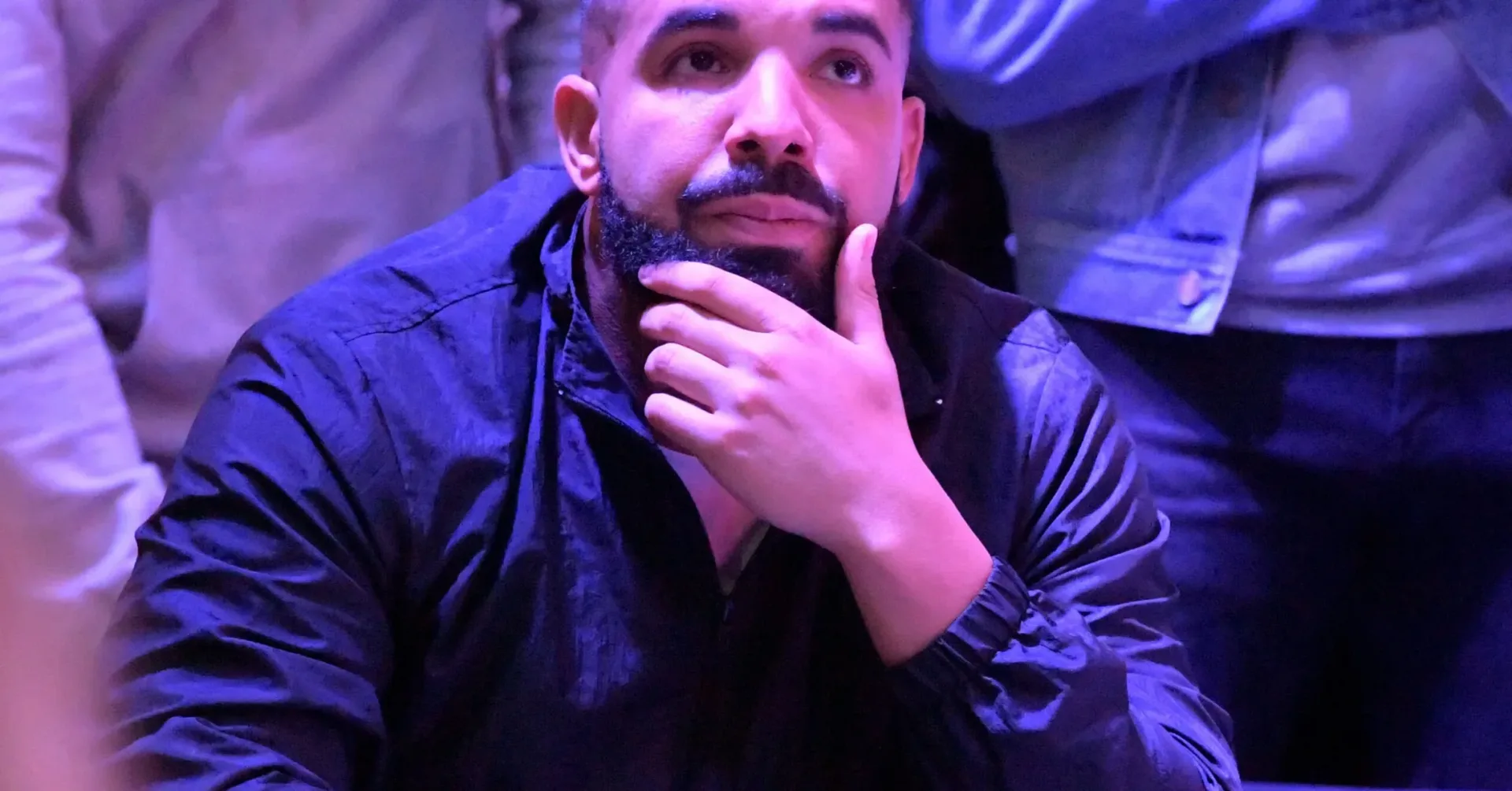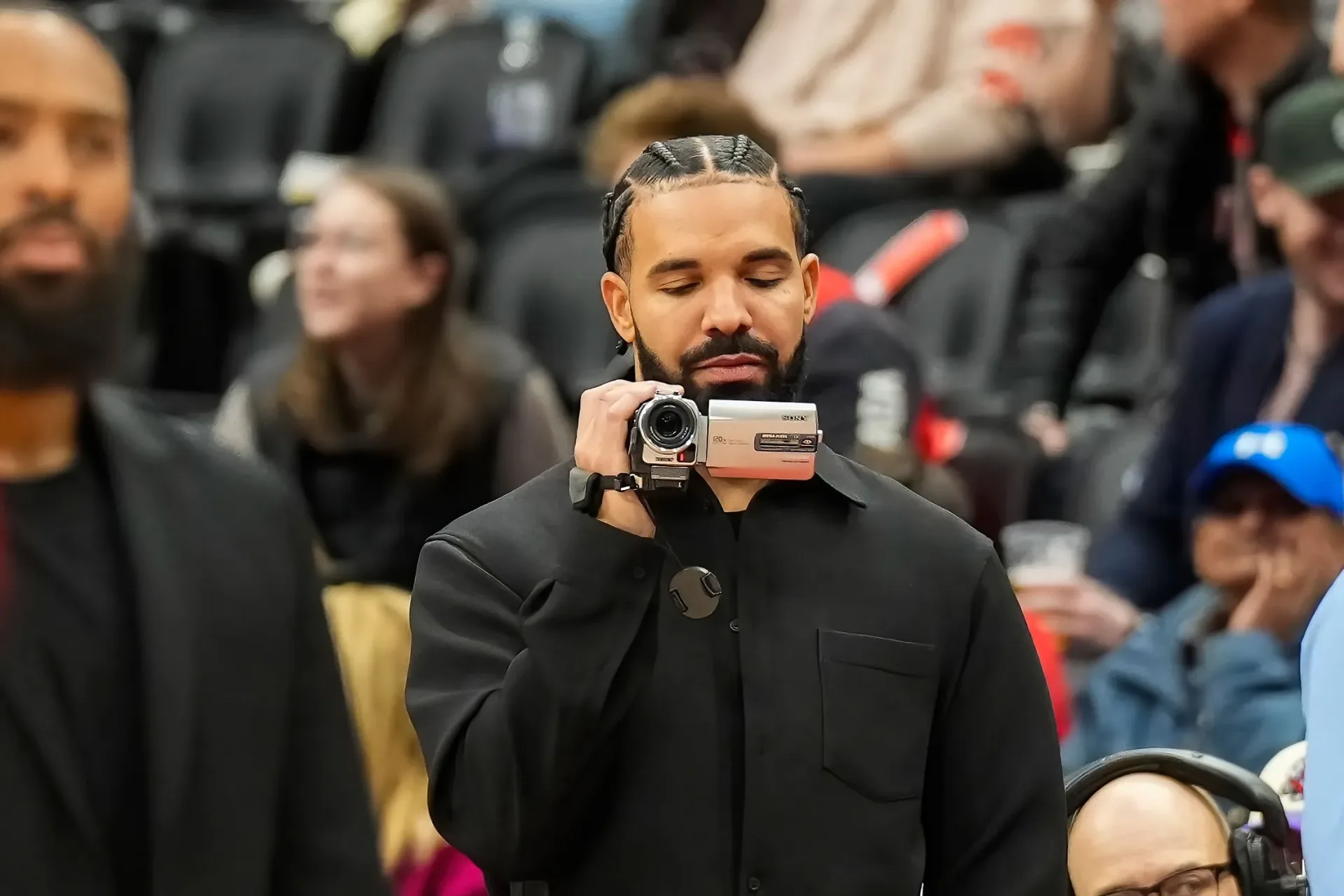
Drake’s next move is framed as a film called FOMO, scheduled to arrive on September 15. What the project contains is not yet clear: it could include new music, function as a film built around the ICEMAN period, or point toward a larger plan. The uncertainty is part of the appeal, but it is also the key detail to keep in view. There is no confirmed information here tying the film to a new album or tour.
What is clearer is the scale of the campaign that preceded it. DJ Akademiks has said Drake spent more than $12 million on the ICEMAN rollout, reportedly paying for it himself. That figure has not been independently substantiated in the supplied information, so it should be treated as a reported estimate rather than a settled accounting total. Even with that caveat, the ingredients described for the campaign suggest a deliberately lavish promotional push: music videos for most of the album’s tracks and four highly produced livestreams.
For an artist at Drake’s scale, the headline is not simply that a rollout was expensive. It is that the rollout appears to have been designed as a continuing event rather than a brief stretch of conventional album advertising. Videos, livestreams and now a film give an audience repeated places to gather, react and speculate. That does not prove a particular commercial result or strategy, but it helps explain why the reported spend has become a talking point in its own right.
What is known about the ICEMAN campaign
The supplied details identify three central parts of the ICEMAN era:
- The album: ICEMAN is presented as a major release in Drake’s current run.
- A hit single: “Janice STFU” is described as a number-one hit.
- An extended visual and live program: the rollout included videos for the vast majority of the songs and four high-production livestreams.
Those elements matter because an album rollout is more than the moment a record becomes available. In marketing terms, a rollout is the coordinated sequence of material surrounding a release: visual assets, appearances, events and other audience-facing activity meant to sustain attention. The description of ICEMAN points to an effort that gave individual songs their own visual life while also giving fans multiple live moments to follow.
The reported $12 million-plus number should not be reverse-engineered into a list of assumed production costs. The available information does not identify budgets for specific videos or streams, does not set out how money was allocated, and does not establish whether every associated expense was included. It only supports the narrower claim that the campaign was reportedly very expensive and personally funded by Drake.
That distinction is important. A large total can sound precise while still being incomplete or based on an estimate. The best-supported takeaway is therefore simple: ICEMAN was promoted through a costly, high-visibility campaign, with an eight-figure spend attributed to it by Akademiks.
Why a livestream-heavy rollout changes the conversation
Livestreams are especially useful as rollout tools because they make promotion feel time-sensitive. A music video can be watched whenever someone discovers it. A livestream creates a scheduled occasion, encouraging people to tune in together and respond in real time. Four streams also create a rhythm: each one can extend attention beyond the initial burst around an album.
That scheduling effect does not require viewers to know every detail beforehand. In fact, ambiguity can become part of the event. The current discussion around FOMO illustrates the point. Fans are asking whether it will deliver new music or serve as a film focused on the ICEMAN summer. Until the project is shown, neither possibility should be stated as fact. But the unanswered question itself keeps the event in circulation.
It is useful to separate rollout from release. A release is the music or film itself. A rollout is the surrounding framework that draws attention toward it and gives it momentum over time. The ICEMAN campaign, as described, used videos and streams to build that framework. FOMO may continue it, but its exact role remains unconfirmed.
The commercial narrative around ICEMAN
The campaign has also been discussed in the context of Drake’s standing after his battle with Kendrick Lamar. The supplied account characterizes ICEMAN as a narrative reset, arguing that the project reaffirmed Drake’s commercial position after some listeners had counted him out. “Janice STFU” reaching number one is the concrete performance point offered in support of that view.
Commercial success and broader critical or cultural agreement are not the same measure, however. Fans may rank an album differently, and assessments of its beats, melodies and rapping are inherently subjective. It is fair to say that ICEMAN has been praised by supporters for those qualities; it is not necessary to turn that praise into a universal verdict. The verifiable claim available here is the number-one status attributed to “Janice STFU,” alongside the reported size of the promotional effort.
The practical implication is that the campaign did not just ask audiences to hear an album once. It gave the era a visual identity and recurring live components, helping Drake remain highly visible around the release. Whether that visibility alone caused any commercial outcome cannot be concluded from the information at hand. Promotion, music reception and audience behavior overlap, but they are not interchangeable.
FOMO arrives with questions still unanswered
FOMO now carries the weight of that prior campaign. The film is scheduled for September 15, but the available details do not confirm its runtime, distribution platform, plot, featured music or whether it is a short film in the formal sense. It also does not confirm a connection to an impending tour or a separate album.
That leaves a focused set of questions for viewers:
- Is FOMO primarily a visual companion to the ICEMAN era?
- Does it include previously unheard Drake music?
- Does it explicitly announce another project, such as an album or tour?
- Or is it a standalone film intended to cap or extend the existing campaign?
Those are questions, not predictions. Keeping that line clear matters in an era where teaser-driven promotional cycles can lead audiences to treat speculation as confirmation. A film can generate plenty of excitement without automatically constituting an announcement of anything beyond itself.
There is a broader entertainment angle here, too. Musicians increasingly communicate through formats that are not limited to a tracklist: visuals, live broadcasts and filmed events can all become part of a release’s public identity. Drake’s reported spending figure is striking because it puts a number on that ambition, while the FOMO rollout shows how a film can become the next focal point in the same conversation.
That crossover between music promotion and screen-based event programming also sits alongside a wider emphasis on theatrical and filmed experiences in entertainment, a topic explored in Tom Cruise’s case for movie theaters. Drake’s project should not be assumed to share the same release model or goals. Still, the common thread is that filmed work can be positioned as an event rather than merely another piece of promotional material.
How to read the $12 million claim responsibly
The figure is attention-grabbing, but its uncertainty is as important as its size. It was presented as a belief about what Drake spent, with Akademiks cited for the claim. There is no supplied documentation, itemized budget or direct confirmation from Drake. Reporting it accurately therefore means avoiding stronger wording such as “verified,” “confirmed,” or “official cost.”
It also means resisting easy claims about return on investment. “Money well spent” is an interpretation tied to the campaign’s perceived narrative and commercial impact, not a calculation established by disclosed revenue and costs. The available evidence supports the idea that ICEMAN drew attention and that “Janice STFU” hit number one. It does not provide the information needed to calculate profitability or attribute results to individual videos, livestreams or the broader campaign.
For fans, the immediate value of a rollout like this is experiential: more visual material, more scheduled events and more opportunities to engage with an era as it unfolds. For observers, the most notable part is the apparent willingness to devote major resources to that experience. The campaign’s reported scale has become inseparable from the story surrounding ICEMAN.
As for FOMO, the only responsible expectation is that it will be a film connected in some fashion to Drake’s current moment. New music, a tour reveal and the exact scope of the project remain open questions until the film itself provides answers. After a rollout reportedly priced in eight figures, that uncertainty is not a gap in the story so much as the next mechanism keeping attention locked in.