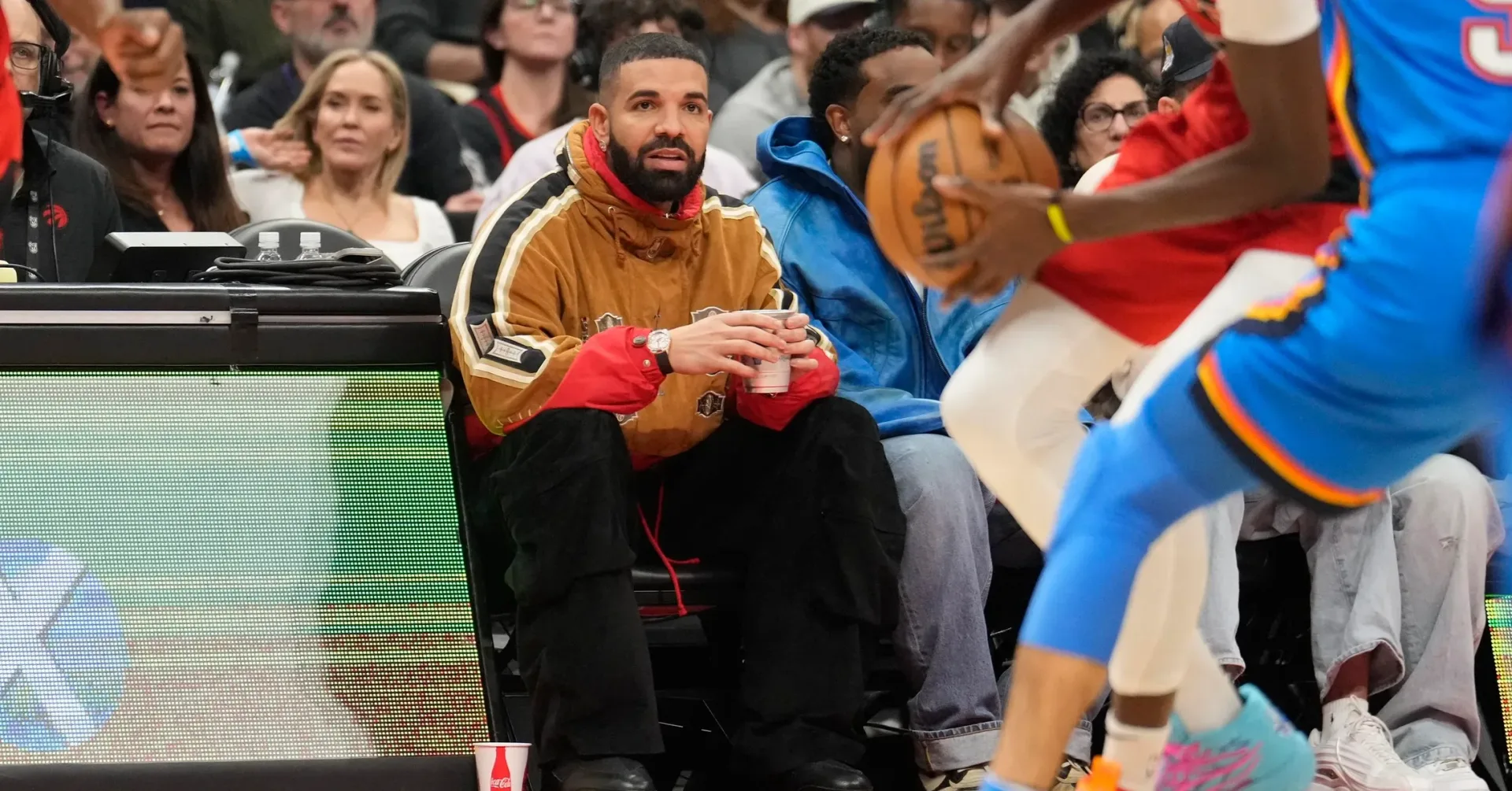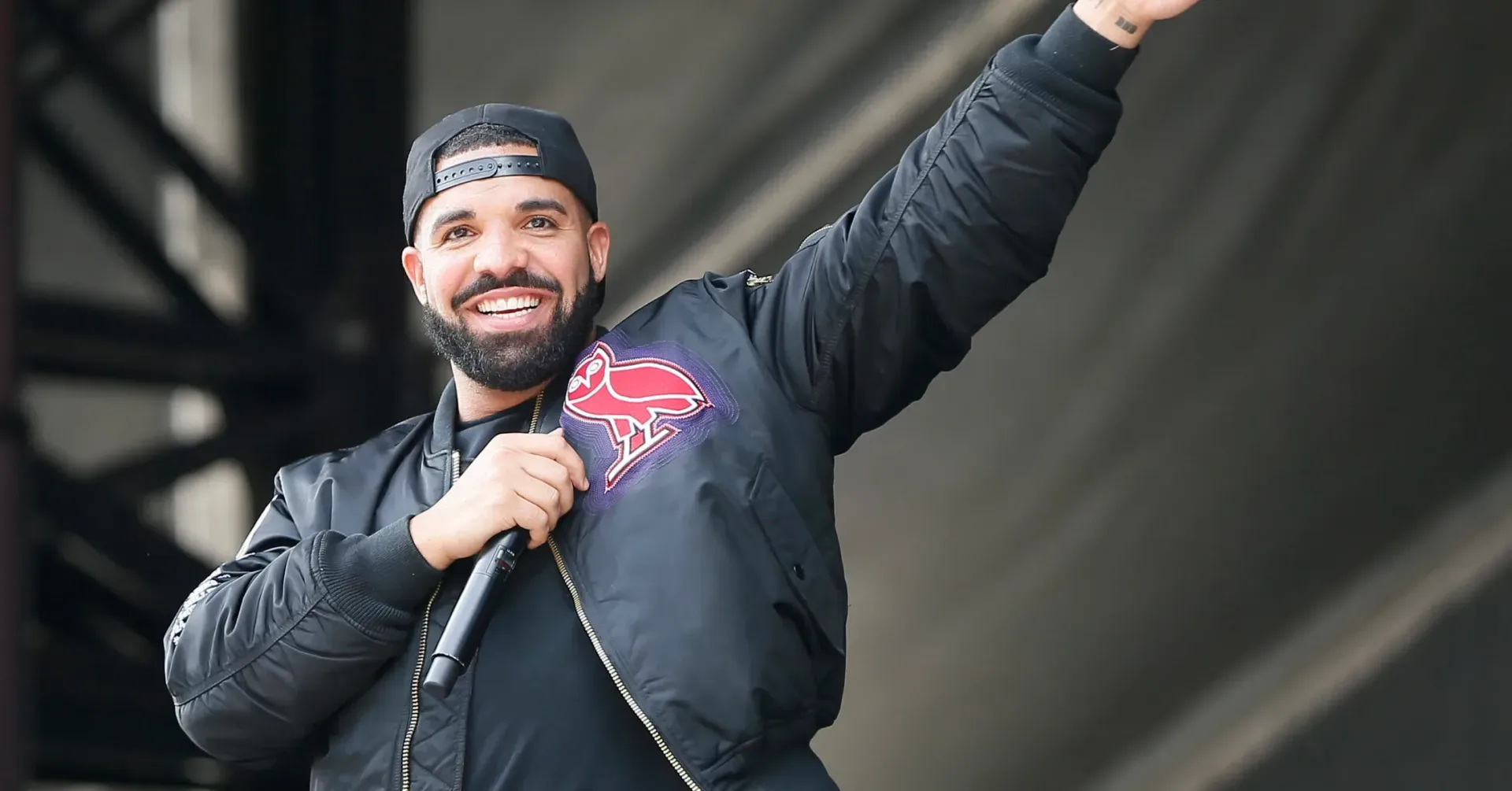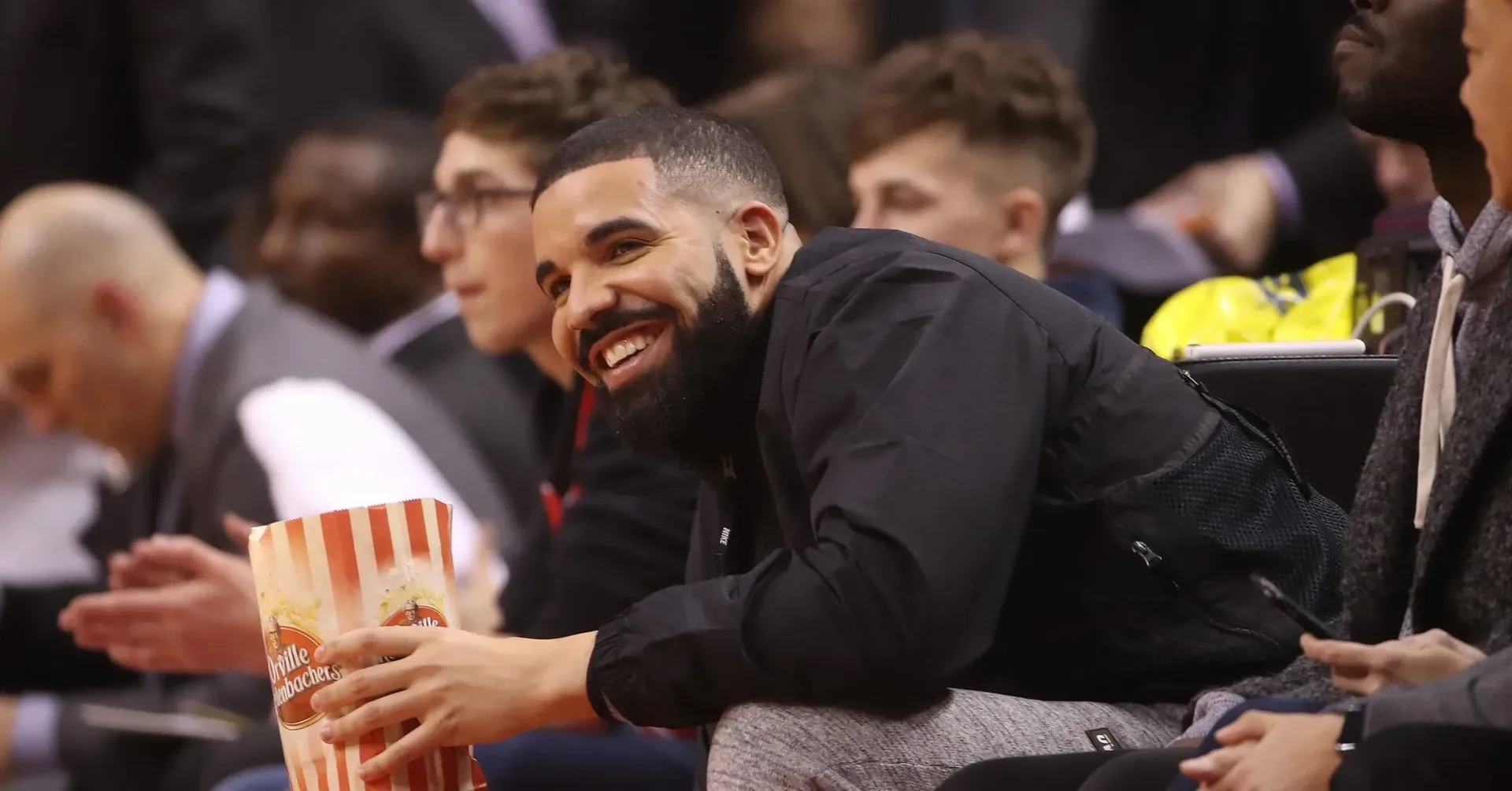
Drake has added another reported chart milestone to an already unusually busy 2026. Habibti (FOMO), the deluxe iteration connected to the FOMO visual project, has reached No. 1 on Billboard’s Top R&B/Hip-Hop Albums chart. The result is said to give the Toronto artist an 18th chart-topper on that ranking, setting a record for the most No. 1 albums there.
The same renewed attention pushed Habibti back to No. 2 on the Billboard 200, matching its previous peak. That pairing matters because the two rankings measure different things in practice. The Billboard 200 is the broad, all-genre album chart, while Top R&B/Hip-Hop Albums is a genre-focused ranking. Leading the latter and returning near the summit of the former suggests that the project’s latest momentum has extended beyond a narrow fan response.
For a site usually concerned with the places where games and pop culture overlap, music rollouts increasingly fit the conversation. Artists can turn a new visual component, a deluxe revision, a crossover appearance or a fresh set of songs into a new point of entry for an existing release. The result is less like treating an album as a one-week event and more like continuing to update its campaign. That is a familiar rhythm for players who watch live games receive new seasons, cosmetics and events long after launch. Music is visibly part of that same broader entertainment ecosystem, as illustrated by Yeat’s planned Fortnite shop arrival and Jam Tracks.
What changed with ‘Habibti (FOMO)’
The immediate catalyst appears to be the FOMO visual project and the deluxe edition attached to it. The new version adds four tracks: “Quebec,” “Classic Pt. 2,” “Cold Shoulder,” featuring Don Toliver and Yebba, and “Solar Eclipse,” featuring Don Toliver.
Deluxe editions are expanded versions of an album, generally adding songs after the initial release rather than replacing the original body of work. Their value is not purely numerical. For listeners, they can provide a reason to revisit an album that may have already been saved, streamed or discussed. For an artist’s wider rollout, they create several new focal points at once: added collaborations, individual songs that can draw their own attention, and a clear reason to pair the music with visual material.
Here, Don Toliver has a prominent presence on two of the four additions. “Solar Eclipse” has received particular attention for interpolating Ella Langley’s “Choosin’ Texas.” An interpolation is different from simply using a piece of an earlier recording. It means a musical or lyrical element from an existing song is recreated within a new work. That distinction can matter artistically because the new song can echo a recognizable idea while presenting it through a different performance and production setting.
“Solar Eclipse” debuted at No. 5 on the Hot 100, which is reported to be Don Toliver’s highest opening position on that chart. The Hot 100 is a song ranking, not an album ranking, so the debut offers a more specific signal of how one track in the deluxe package connected than the album charts do. It also shows why featured appearances can be central to a release strategy: the guest artist can bring an additional audience, while a high-profile host gives the collaboration greater visibility.
A record with two kinds of significance
An 18th No. 1 on Top R&B/Hip-Hop Albums is a substantial cumulative accomplishment. It reflects repeat success across multiple projects rather than one especially dominant release. The record claim is therefore about longevity at the chart’s top spot: Habibti (FOMO) is being counted as the release that moved Drake beyond every previous total on that particular ranking.
Related coverage includes Drake’s Habibti (FOMO) Earns 18th No. 1 on Top R&B/Hip-Hop Albums.
It is worth keeping the language precise, however. A chart record on a genre-specific album list is not automatically the same as an all-time record across every Billboard chart or every possible album category. The reported achievement is specifically the most No. 1 albums on Billboard’s Top R&B/Hip-Hop Albums chart. The project’s No. 2 Billboard 200 position is a separate achievement, though the two results arrived amid the same resurgence.
The timing also frames the record as a rebound in attention rather than only the initial impact of a new title. Habibti returned to its peak Billboard 200 position after the FOMO visual project arrived. That suggests the visuals and expanded track list helped renew interest in an album already in circulation. It is a useful reminder that audience response can develop in chapters, especially when an artist has enough scale for additions to become events in their own right.
Don Toliver’s role in the deluxe run
Don Toliver’s involvement gives the update an additional narrative beyond Drake’s chart total. He appears on both “Cold Shoulder” and “Solar Eclipse,” and the latter’s No. 5 Hot 100 debut represents his best entry to date. His own 2026 project, OCTANE, has also been described as a major part of his year, making this a collaboration between artists entering the moment with meaningful momentum.
That does not mean every featured appearance has identical effects, nor does a strong debut define a song’s entire run. But it does make “Solar Eclipse” the clearest individual indicator from the deluxe tracks supplied here. The track’s interpolation, featured performance and high Hot 100 entry combine into a more detailed picture than an album-level result alone can provide.
Yebba joins Don Toliver on “Cold Shoulder,” while “Quebec” and “Classic Pt. 2” round out the four-song extension. Beyond those credits and the reported response to “Solar Eclipse,” there is not enough information to draw claims about the songs’ sound, themes or respective performances. What is clear is that the revised release has created a new spotlight around the project and a tangible chart outcome.
Recognition in Canada, and a reported Grammy decision
The chart news arrives alongside another milestone in Drake’s home country. He has received SOCAN’s Songwriter of the Year award in the performer category, marking a fifth consecutive year of recognition in that category. SOCAN is a Canadian music-rights organization; the supplied information identifies the honor as a songwriter award within its performer category.
At the same time, Drake reportedly will not submit his 2026 recordings for Grammy consideration. Submission is a procedural step in an awards campaign: recordings must be entered for consideration before they can advance through the relevant process. The reported choice would therefore place distance between this year’s commercial and chart activity and the next Grammy cycle, at least for these recordings.
The two developments are not contradictory. One concerns an honor already received in Canada; the other concerns whether recent work will be put forward for a future awards process. Together, they underline the split that can exist between formal awards participation, industry recognition and audience-driven chart performance.
For now, the most concrete takeaway is the chart line: Habibti (FOMO) has reportedly become Drake’s 18th No. 1 on Top R&B/Hip-Hop Albums, while the project has returned to No. 2 on the Billboard 200. The four added tracks—especially “Solar Eclipse”—have given the broader release campaign a second surge and supplied Don Toliver with a career-best Hot 100 debut.