Drake’s 40th-birthday festivities reportedly gained an especially sharp-edged guest when comedian Jeff Ross joined the celebration in Houston. A photo of Drake alongside Ross has circulated online, establishing that the comedian was present for the occasion. What Ross said, however, remains unknown: no video of a roast or account of its material has been made public.
That missing context is important. A celebrity roast is not simply a comic set at a party. It is a format built around invited criticism, exaggeration and jokes at the honoree’s expense. The point is not to document a polished performance for the public, but to create a room where status is temporarily turned into material. With no recording or confirmed rundown, it would be speculation to identify the subjects Ross addressed or to characterize the tone of his remarks.
Still, Ross is a notable fit for the request Drake had reportedly made. Drake had previously expressed interest in being roasted by Jim Carrey for his birthday. Carrey did not appear to be part of the festivities, but Ross brings a far more direct association with the roast format. In that sense, the reported surprise did not merely deliver a famous comedian; it delivered someone whose public comedic identity is closely tied to insult-based, celebratory performance.
A birthday party built around public moments
The Ross appearance came after a series of reported birthday events. The celebrations began with Drake out in New York City on Friday with well-known friends, then continued at another New York club on Saturday. He later returned to Houston, where the festivities carried on.
The available information presents these as separate stops in a multi-day celebration rather than one single event. That distinction matters because online discussion often compresses a sequence of appearances into one oversized narrative. Here, the known points are more modest: New York gatherings came first, Houston followed, and Ross appeared at the Houston celebration.
Another reported element of the wider birthday run was a performance by the Backstreet Boys. Alongside Ross’ appearance, that detail helps explain why the celebrations drew attention: the events mixed music, celebrity guests and a familiar entertainment format rather than functioning as an ordinary private dinner. It also suggests that the party’s appeal was in the surprise factor. Guests did not just arrive; some reportedly became part of the evening’s programming.
Why Jeff Ross changes the mood of the room
Ross is often called the “Roastmaster General,” a nickname that signals his long-standing connection to celebrity roasts. A roast differs from a standard stand-up set in a few key ways:
- The subject is known in advance: jokes are tailored to one person’s public image, career and personal mythology.
- The honoree is expected to be in on it: the comedic agreement is that the target accepts a heightened level of ridicule.
- Specificity is the engine: broad jokes are less effective than references an audience immediately associates with the person being celebrated.
- The room is part of the act: friends, collaborators and fellow guests can become material too, creating a communal rather than solitary performance.
Those conventions also explain why it would be unwise to fill in the blanks about Drake’s roast. The format can encompass career milestones, public feuds, fashion, relationships, business ventures, lyrics, headlines or simple absurdity. But none of those subjects has been confirmed in this case. Even a joke that seems predictable in hindsight should not be presented as something Ross actually said.
There is also a difference between an official, televised roast and a private birthday roast. The former typically has an announced lineup, edits, promotional framing and a permanent public record. The latter may be looser, more personal and designed for the guests rather than viewers at home. The lack of footage therefore is not necessarily unusual; it simply limits what can responsibly be reported about the performance itself.
The photo is evidence of attendance, not a transcript
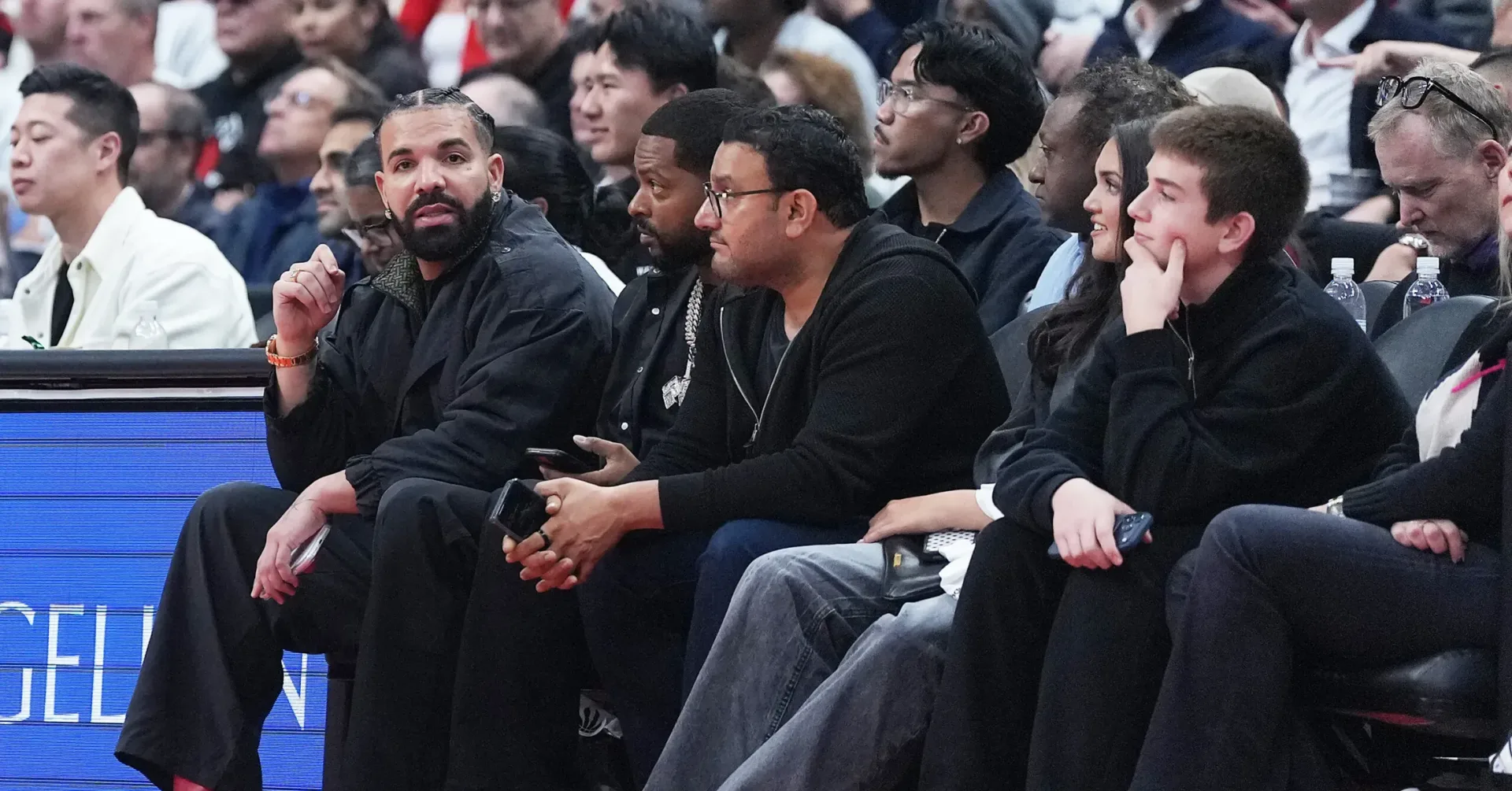
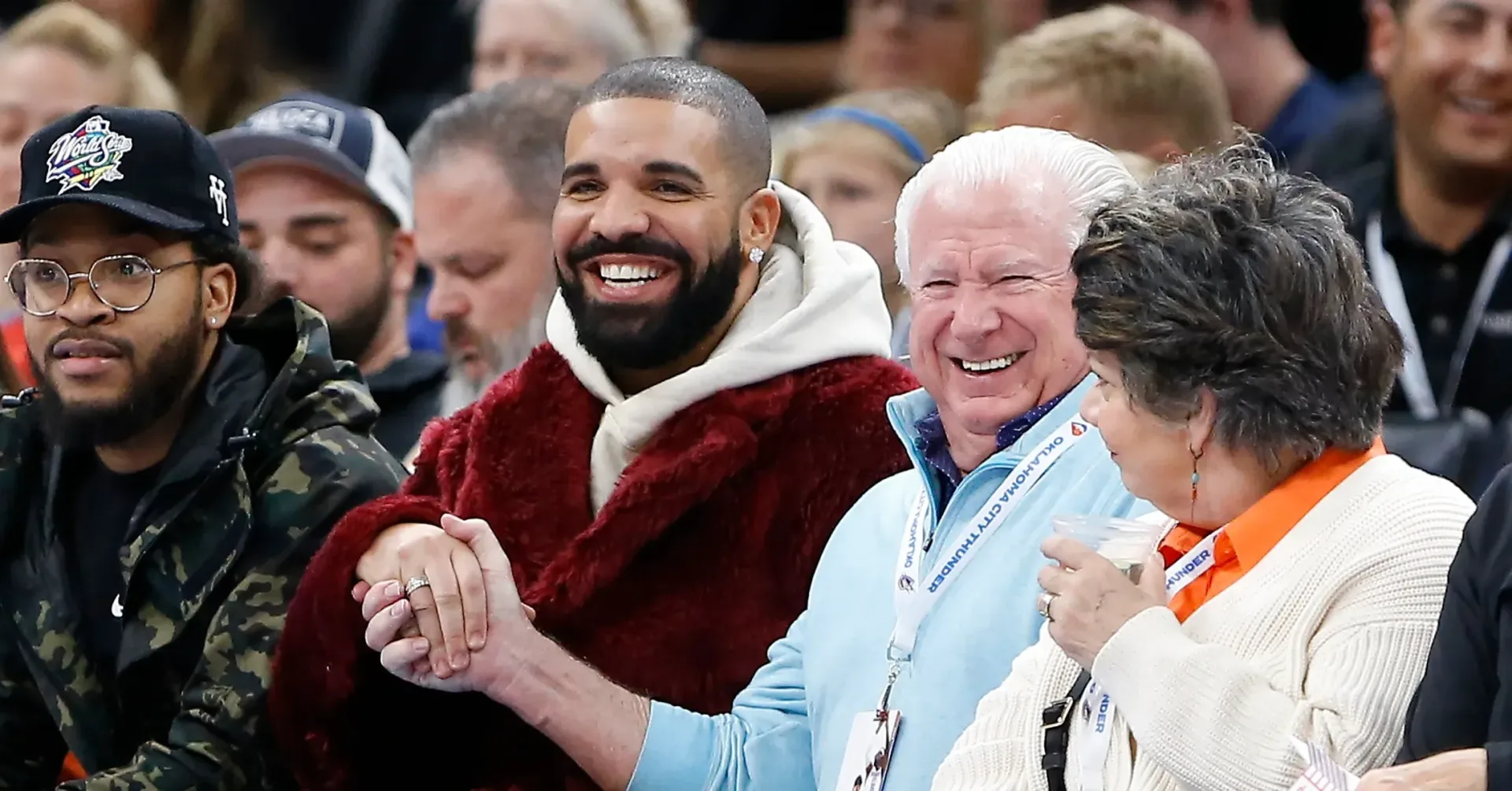
In celebrity news, an image can do a great deal of work while still proving only a narrow point. The photo of Drake and Ross supports the claim that Ross attended the celebration. It does not disclose when it was taken during the event, whether a full roast took place onstage, how long Ross performed, who else was there, or what was said.
That distinction may sound technical, but it protects the story from turning a plausible assumption into a false detail. Ross’ presence naturally invites the inference that roasting was part of the evening, especially given the birthday wish involving Carrey. Yet the actual content is still absent from the public record. For fans, that leaves the occasion as a piece of celebrity-party lore rather than a new chapter in documented comedy.
It also means the most interesting aspect may be the event design rather than any unavailable punchline. Drake’s celebration reportedly moved across cities and formats, from club appearances to a Houston gathering with a comedian associated with high-profile roasts. The sequence is structured like a string of headline-friendly moments, each with a different kind of guest appeal.
Celebrity, visibility and the appeal of the private event
High-profile birthdays occupy an odd space between private life and public performance. They are personal occasions, but they can become newsworthy when famous performers, musicians or entertainers are involved. A single photograph often becomes the public-facing artifact of an otherwise closed event, allowing audiences to understand the scale without gaining access to the entire night.
That limited visibility can be part of the appeal. Public curiosity is fueled by what is confirmed—a familiar face, a recognizable venue city, a performance report—alongside what remains off-camera. In this case, a Ross roast is inherently easy to imagine because both men have strong public identities. But the absence of a clip means the imagination stays separate from reporting.
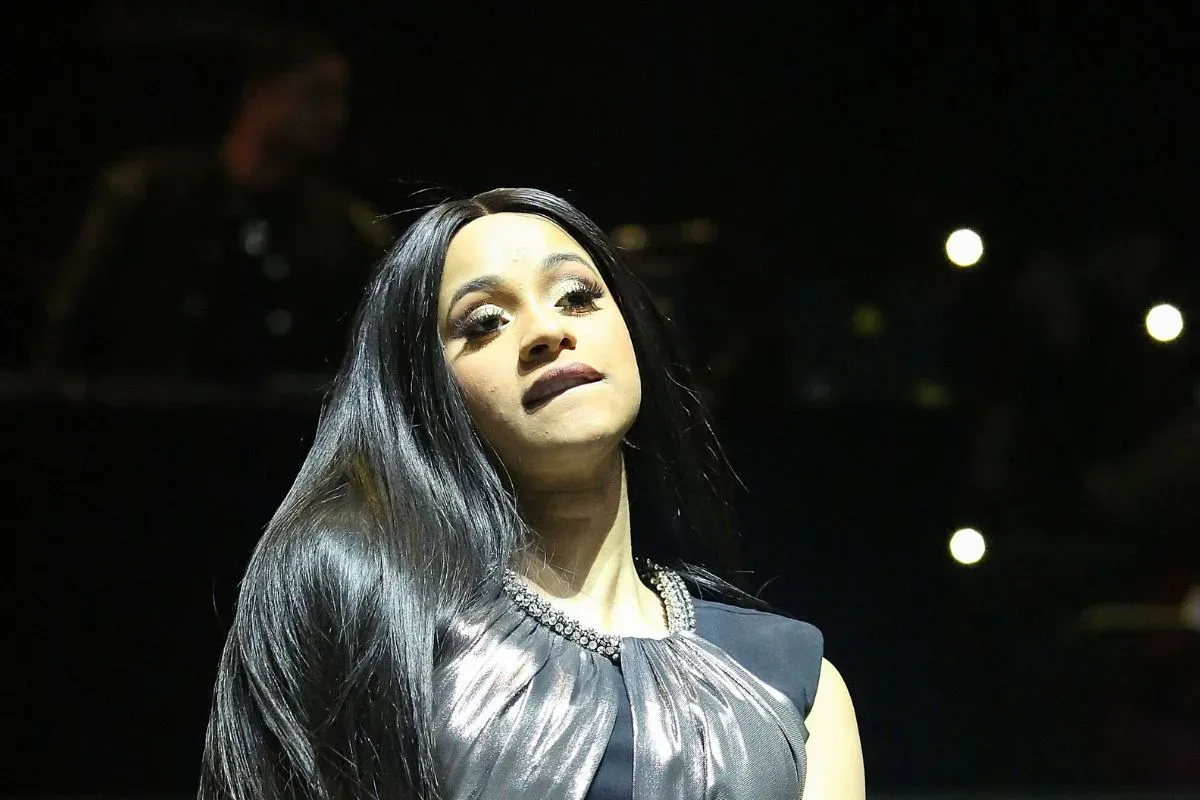
It is a useful reminder that celebrity attention has a personal dimension beyond the spectacle. Drake’s event arrives in a culture where musicians routinely have their work, business and private milestones parsed in public. That pressure and isolation are themes also explored in Cardi B’s discussion of jealousy, isolation and success. A private roast, paradoxically, offers a controlled version of that scrutiny: the guest of honor chooses to become the target, and the audience is presumably there with them rather than against them.
What is known—and what remains unknown
For now, the straightforward version of the story is also the most reliable. Drake celebrated his 40th birthday across several days, with reported gatherings in New York before festivities continued in Houston. Jeff Ross appeared in Houston and posed for a photo with Drake. Drake had reportedly wanted Jim Carrey to roast him, while Ross supplied the more roast-specialist alternative.
There is no publicly available video of Ross’ material, no verified list of jokes and no basis for assigning particular controversies or subjects to the routine. There is likewise no need to invent them. The confirmed image is enough to show an unusual birthday booking: one of comedy’s most recognizable roast figures appearing at a milestone celebration for one of music’s most visible stars.
Whether any footage eventually emerges is an open question. Until then, the roast itself remains an off-camera event, remembered publicly through a photo and the unmistakable implication of who was standing next to the birthday honoree.