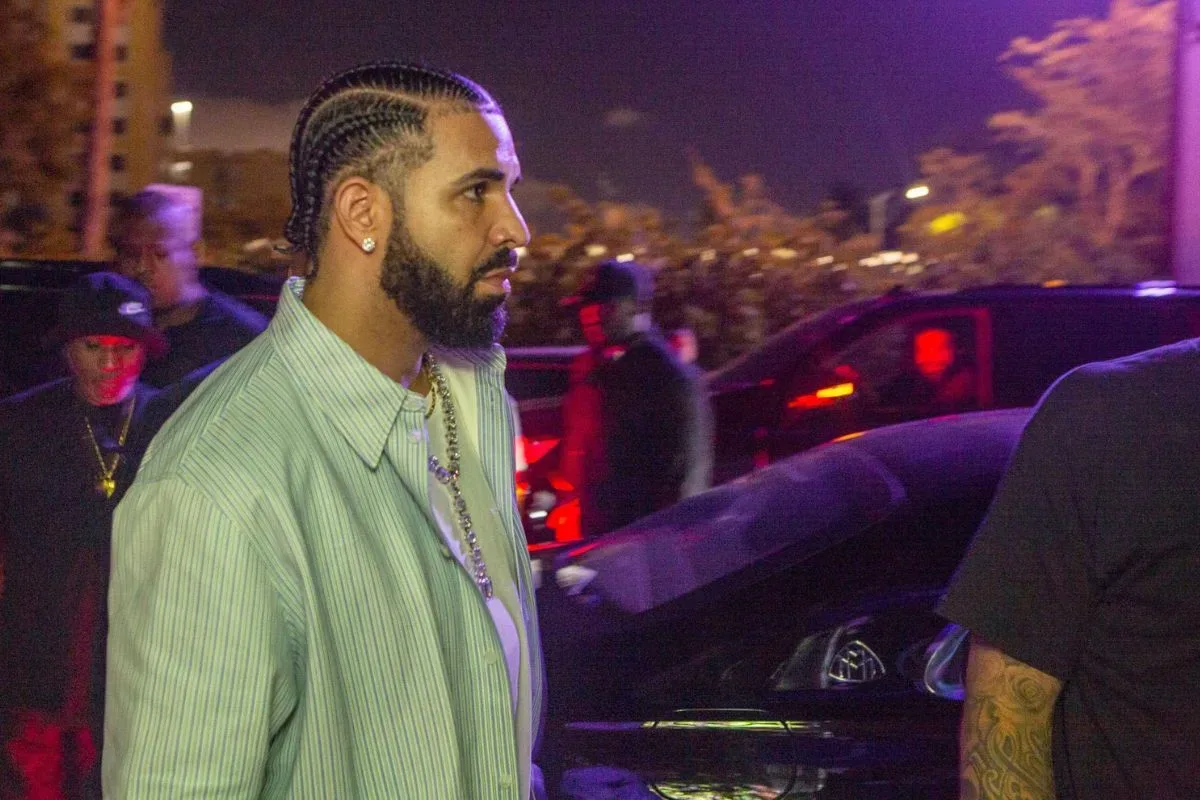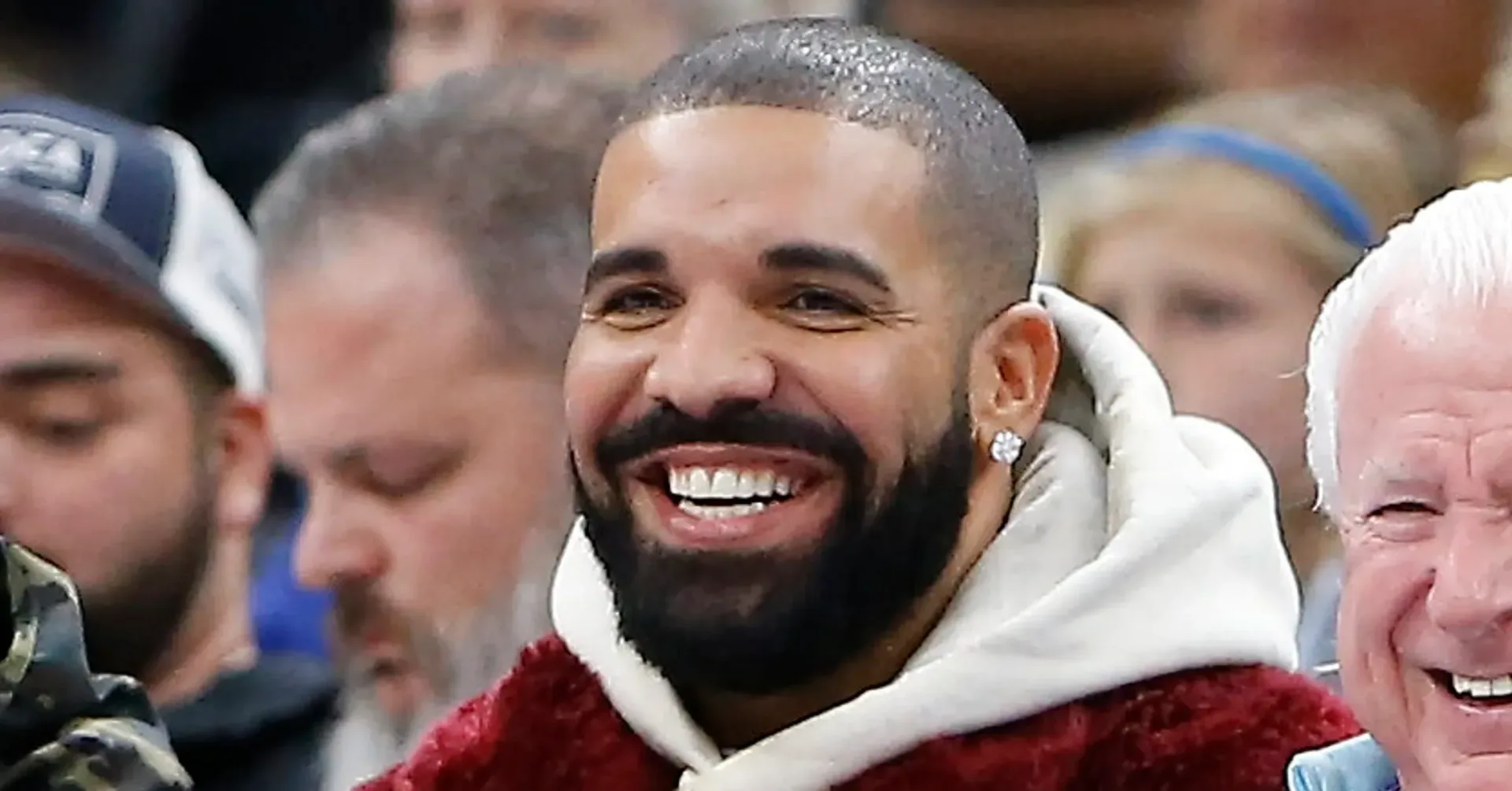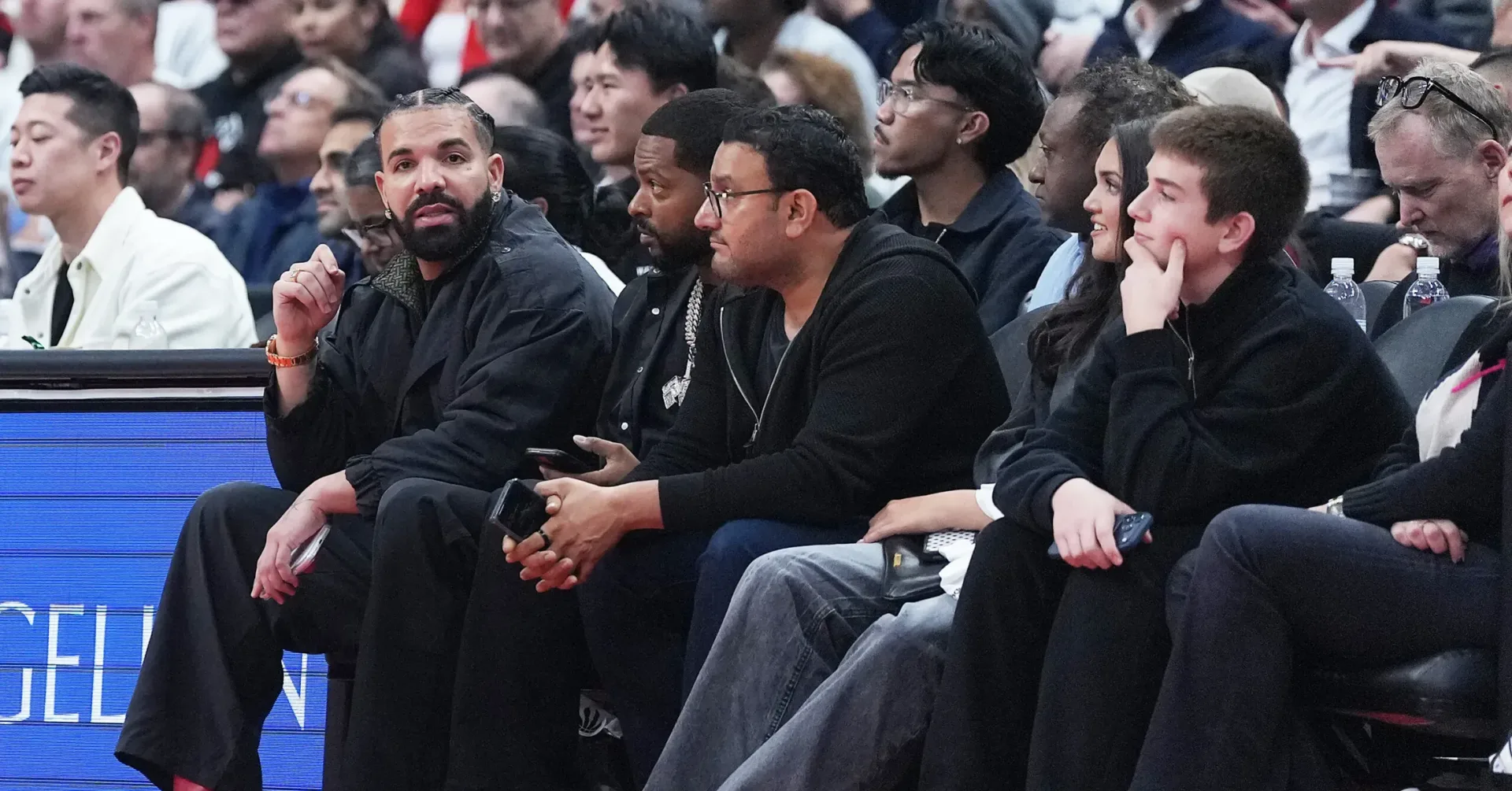
Drake’s 40th birthday celebration in New York City was built as a big, two-part occasion: a dinner gathering on Friday followed by a club party on Saturday. The guest list reportedly brought the formal-event energy, with expensive suits and jewelry in abundance, but the evening’s most meaningful note came when Drake publicly credited Bow Wow as a formative influence.
Before Bow Wow took the stage, Drake offered an enthusiastic tribute to the performer. He described watching him while growing up, including on 106 & Park, and connected Bow Wow’s early career to his own understanding of songcraft, music videos, and stardom. Drake summed up that debt plainly:
“It wouldn’t be no Drake without Bow Wow.”
Bow Wow then performed “Like You,” giving the celebration a performance moment rooted in the music that Drake says helped shape his ambitions. The Backstreet Boys also performed during the festivities in what was described as a surprise arranged by Drake’s friends.
A birthday party became an influence map
Celebrity birthdays often become news because of spectacle: the venue, the outfits, the famous attendees, or an unexpected performance. All of those elements were present here. Yet Drake’s remarks toward Bow Wow are what give this particular gathering a little more texture than a simple luxury-party recap.
Rather than merely introducing a guest performer, Drake positioned Bow Wow as an important reference point from his own youth. That is a different kind of praise. It recognizes not just a favorite song or a memorable stage appearance, but the example of somebody navigating the whole package of pop success: recordings, videos, public visibility, and a recognizable star persona.
That distinction matters because Drake’s tribute was framed around learning. His comments suggested that the performances he watched gave him a model for what a music career could look like, especially at the point when he was still imagining one from his mother’s basement. The party therefore doubled as a public acknowledgement of a creative lineage: an established artist being thanked by a younger star who went on to build an enormous career of his own.
What “giving flowers” means in this setting
In music conversation, “giving someone their flowers” is a phrase for offering recognition while that person is present to receive it. It can mean acknowledging influence, celebrating a body of work, or correcting a perception that an artist’s contributions have been overlooked.
Drake’s comments fit all three ideas. He did not make a detached historical observation about Bow Wow’s place in pop music. He spoke directly before Bow Wow’s set, identifying elements of his own artistic education that he associated with watching him. Then the tribute was followed by a performance, turning the acknowledgement into the emotional setup for the live moment.
That structure is worth noting. A tribute can be broad and ceremonial; a performance can be pure entertainment. Combined, they create a clearer through line between admiration and celebration. Bow Wow was not only in the room to be praised. He was given space to perform, while the crowd responded to “Like You.”
Why the 106 & Park reference is central
Drake specifically referenced watching 106 & Park, which helps explain why his praise extended beyond music alone. His remarks connected Bow Wow with learning how to make songs for women, how to approach videos, and how to become a superstar. The reference point was therefore visual as well as musical.
For an aspiring artist, seeing performers presented in a recurring television format can make success feel more concrete. Music is heard, but the artist’s style, presentation, interviews, fashion, choreography, and videos are also part of the lesson. Drake’s tribute described Bow Wow as an example within that wider ecosystem of pop exposure.
It is also a reminder that influence does not always arrive in one neat form. One artist can inspire another through a song, while a television appearance or a video teaches something different about presence and scale. Drake’s comments grouped those experiences together rather than separating them into a list of technical skills. In that sense, his appreciation was for an overall blueprint.
The reference also gives the party a generational dimension. The music played at an event can be nostalgic, but Drake went further by naming the media environment in which he encountered Bow Wow. He was not simply saying that he enjoyed a track; he was describing the way an artist appeared to a young viewer trying to understand what a future in music might entail.
“Like You” carried the performance moment
Bow Wow’s performance of “Like You” was the natural payoff after Drake’s speech. The available account describes the crowd as strongly receptive, which makes sense in the context of an event designed around personal favorites, high-profile guests, and musical surprises.
There is no need to treat the set as a conventional concert review. The significance was its place in the evening: a song performance immediately following a declaration that Bow Wow helped teach Drake how to operate as an entertainer. The song became part of a live acknowledgement of the past rather than simply another party selection.
For guests, that is the kind of moment that can make a lavish celebration feel personal. The suits, jewelry, dinner, and club setting establish the scale of the event. The tribute identifies what Drake wanted the room to understand about its significance. Bow Wow’s appearance supplied the shared performance memory.
The Backstreet Boys surprise added another layer
The Backstreet Boys also performed during the birthday festivities. Their appearance was described as a surprise put together by Drake’s friends, and it reportedly landed well with the crowd. That surprise reinforced the event’s broader approach: recognizable performers, crowd-pleasing songs, and a willingness to move across different corners of pop music.
It also kept the birthday’s musical programming from becoming a one-note affair. Bow Wow’s set carried the evening’s clearest personal connection to Drake’s own story. The Backstreet Boys supplied the element of surprise. Together, the two appearances suggest a party designed around both individual meaning and big communal reactions.
That blend is often what makes a celebration feel distinct. A surprise artist can create an immediate jolt for the room, while a carefully introduced performer can turn the night toward reflection. The reported structure of Drake’s weekend had both: spectacle at the club event and a sincere public thank-you attached to Bow Wow’s performance.
The practical takeaway: public recognition has weight
The most durable part of this story may be Drake’s decision to voice his appreciation so directly. Fans frequently trace influences through samples, collaborations, playlists, or social-media posts. A spoken tribute at a major celebration can communicate something more explicit: the artist is choosing to attach his own career narrative to the person he is honoring.
Drake did not present Bow Wow merely as a guest who could energize a party. He presented him as somebody whose work gave a younger viewer tools for imagining songs, videos, and superstardom. That is an unusually specific way to give credit, because it focuses on the learning process rather than vague admiration.
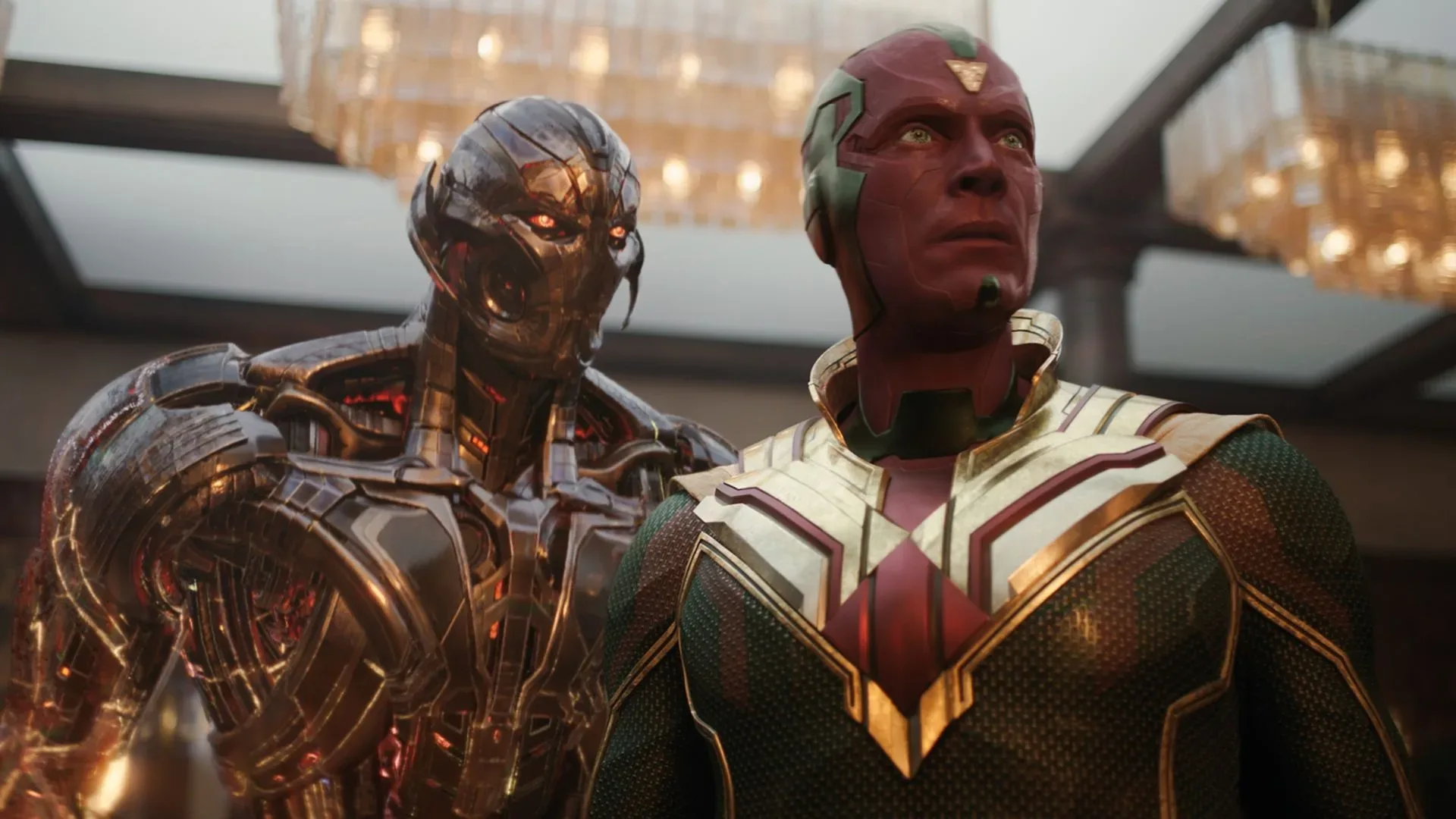
For pop-culture audiences, these moments also offer a useful reminder that influence travels through formats as much as individual releases. Music videos, television programs, live performances, and public persona can all be part of what an aspiring performer absorbs. For another look at how screen stories can reshape the meaning of an earlier cultural moment, see our coverage of VisionQuest’s reframing of Vision’s final Avengers: Infinity War choice.
Drake’s birthday weekend was clearly an extravagant affair, from the back-to-back events to the fashion and surprise performers. But its standout scene was smaller in concept: one hugely successful artist explaining, in front of a crowd, why another artist mattered to him. Bow Wow’s “Like You” performance then gave that appreciation a soundtrack.