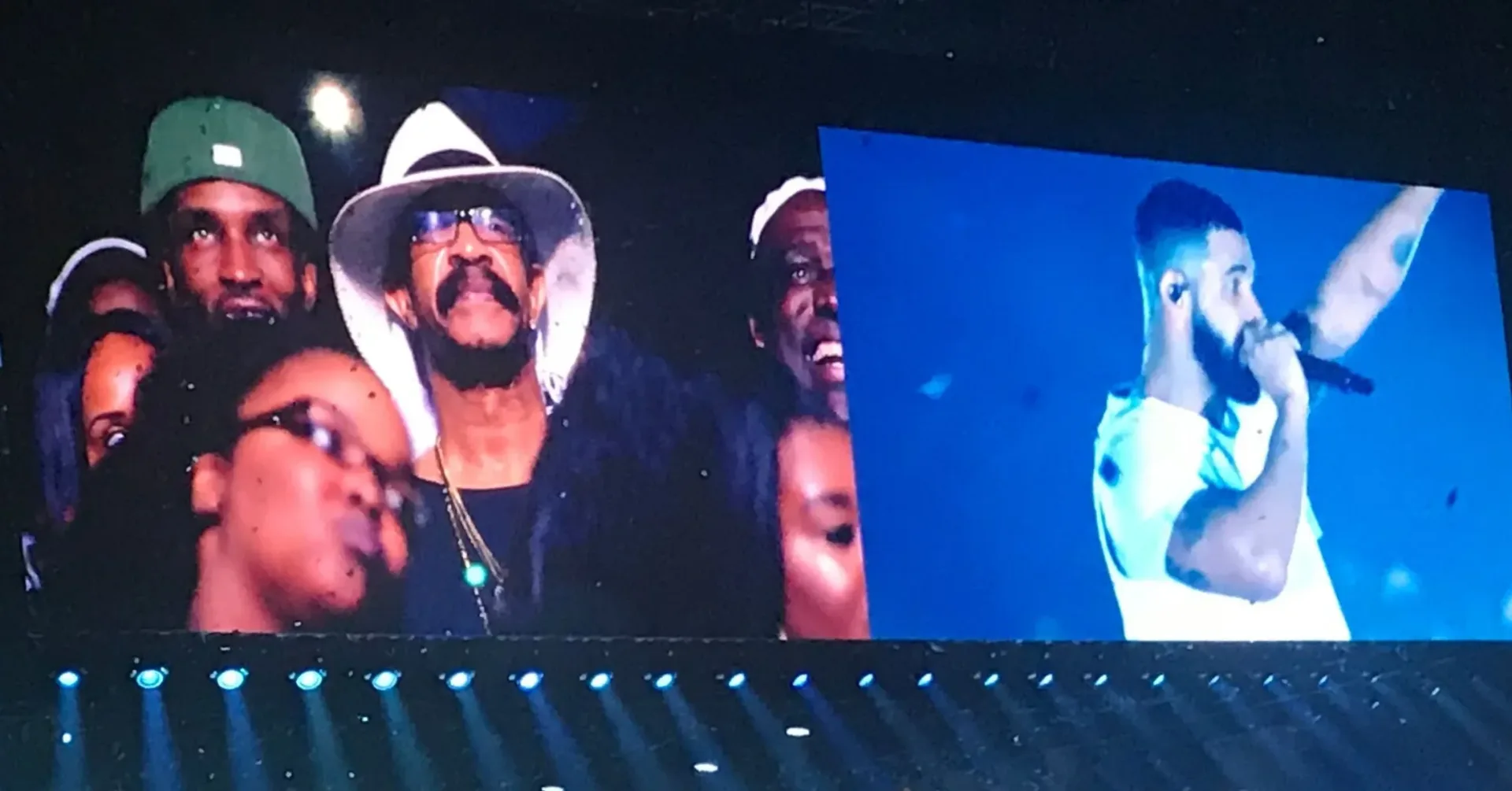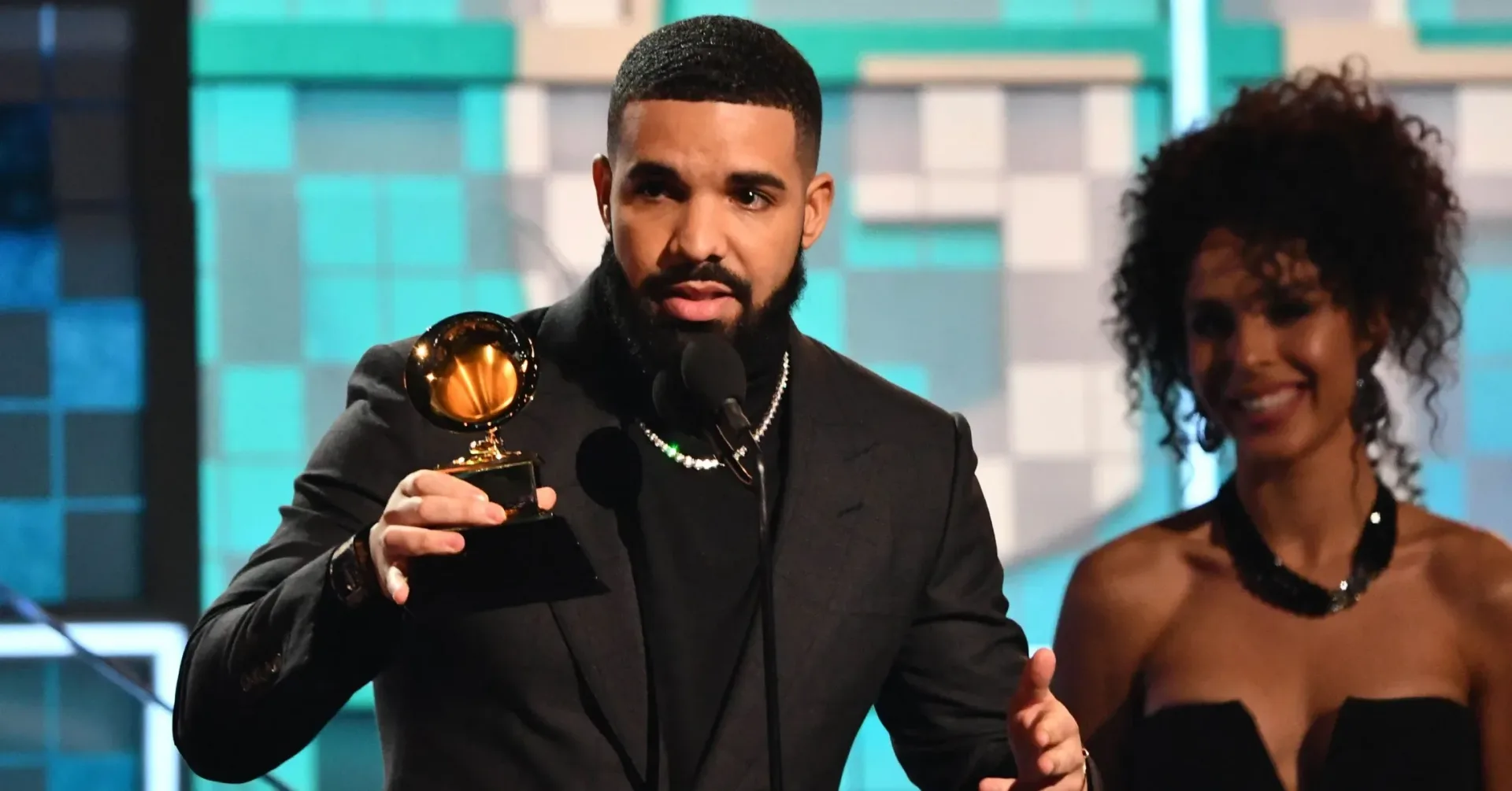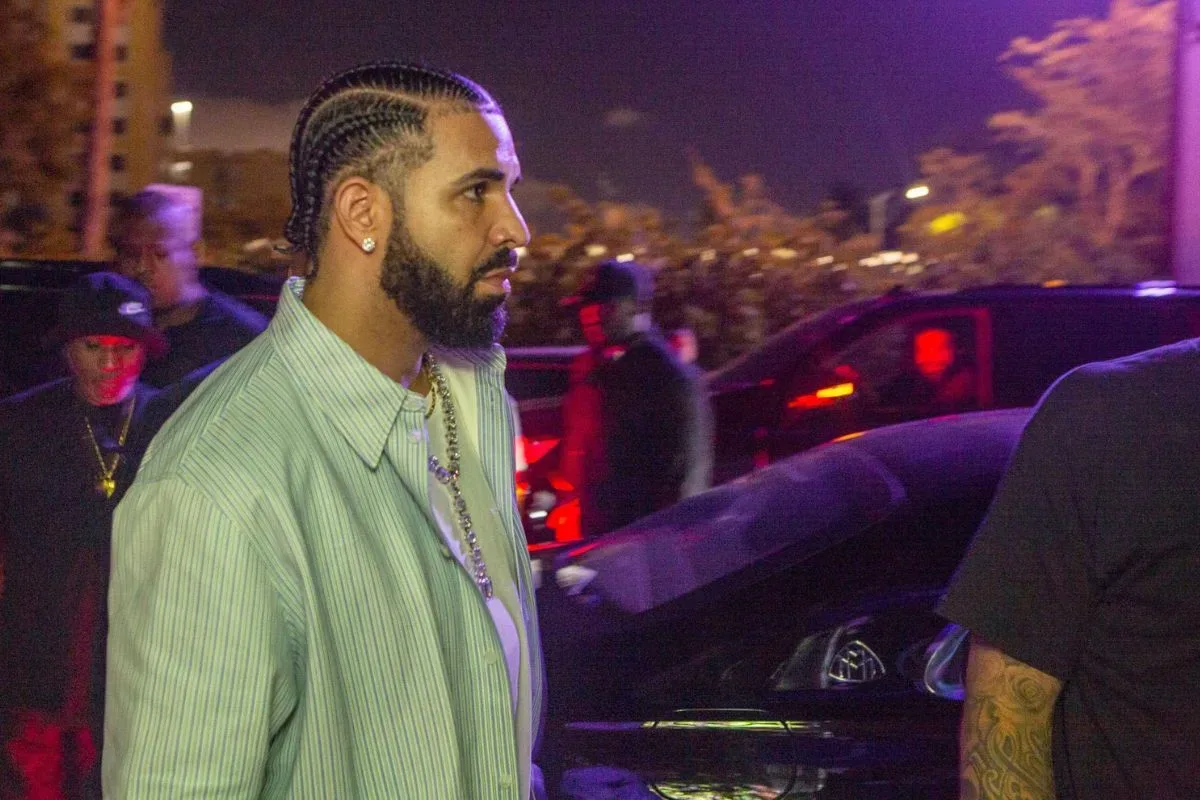
Drake reportedly marked his 40th birthday with an October 23 gathering at Casa Cipriani in New York City that made the line between party entertainment and a televised prize segment feel especially thin. More than 400 friends and family members attended the Friday celebration, which featured a surprise performance by the Backstreet Boys, giveaways of Chanel and Hermès handbags, and game-show prizes said to begin in the five-figure range and potentially reach $1 million.
The precise mechanics of the game-show portion, including how prizes were awarded and whether the top figure was ultimately won, were not detailed. That distinction matters: a prize pool that could reach $1 million is not necessarily the same thing as a confirmed $1 million payout. Still, the reported ceiling is the detail that defines the scale of the evening. It turns a familiar birthday-party staple—games, giveaways and a surprise act—into something designed around escalation and spectacle.
A party built around the possibility of a major prize
Game-show language carries its own expectations. It suggests a structured activity with contestants, prizes and some form of chance or competition, rather than a simple gift bag handed to every guest. The available details do not establish the rules, the number of winners or the value of any individual handbag. They do establish that the prizes were a central feature alongside the live performance.
That combination is telling. A surprise musical guest gives attendees a moment to witness together. A prize game changes the room’s relationship to the event by making some attendees active participants, or at least invested observers. In a gathering of more than 400 people, that structure can create a collective focal point without requiring every person to be involved at once.
The luxury giveaways also add a different kind of appeal. Chanel and Hermès handbags are named brands, not generic accessories, so the gesture was framed through recognizable status goods. But the factual record does not identify the models, colors, quantities, recipients or values of those bags. It is more accurate to view them as reported giveaway items than to attach assumptions about resale value, rarity or collector interest.
The Backstreet Boys appearance supplied the evening’s other major reveal. Surprise performances work because the recognition arrives quickly: guests understand what is happening at the same moment the act appears. The report does not specify which songs were performed, how long the set lasted or whether all members participated, so those details should not be inferred. What is clear is that the group’s appearance was positioned as a surprise within an already unusually high-stakes event.
Drake’s birthday parties have repeatedly used a strong central theme
The reported New York celebration fits a wider pattern in Drake’s birthday history: rather than relying solely on a guest list, the parties have been built around a concept, a setting or a pop-culture reveal. The details vary from year to year, but the throughline is production design. In other words, the venue is treated as part of the entertainment rather than merely the place where the entertainment occurs.
For his 32nd birthday in October 2018, that concept was early-2000s nostalgia. Drake dressed as Fabolous from the “Trade It All Part 2” video, including a bandana worn over his hat. The visual reference made the costume more specific than a broadly “Y2K” outfit: it linked his look to a particular music-video image.
The environment reinforced the period reference. Guests could get Slurpees at a 7-Eleven setup, while a Blockbuster-themed wall created another instantly legible marker of the era. The party also recreated the set of 106 & Park, and airbrushed Drake shirts added a further period-appropriate detail. Those elements did not simply decorate a room. Together, they created multiple points of recognition drawn from music, television, retail and fashion.
A separate room honored Drake’s mother, Sandra, adding a more personal element to an event otherwise built around public nostalgia. French Montana, Trey Songz and Swizz Beatz were among the attendees, while Kendall Jenner followed the throwback dress code with a Von Dutch hat.
The importance of that 2018 event is not that it recreated every aspect of the early 2000s. It did not need to. A successful nostalgia theme generally relies on carefully selected visual shorthand: something guests identify instantly and can photograph, wear or interact with. A Slurpee station, a Blockbuster reference, a recognizable television set and airbrushed shirts each communicate the intended timeframe quickly. The current party’s luxury-prize angle is a different tool, but it operates with similar clarity. Everyone understands the significance of a major cash prize without a long explanation.
From nostalgia installation to “Chico Amante” costume party
Three years after the early-2000s party, Drake’s October 2021 celebration for his 35th birthday took a more album-connected direction. Held at Goya Studios in Los Angeles, it used the “Chico Amante” theme associated with Certified Lover Boy.
Drake’s own outfit established the intended look: a white cowboy hat, a fringed tan jacket, a denim shirt and a bolo tie. Rather than drawing from multiple well-known brands and television institutions as the 2018 party did, the Western styling gave the 2021 gathering a concentrated aesthetic. French Montana shared video from the party and helped lead a birthday toast. Offset, Future and Jack Harlow were among those in attendance.
The decorations included fake cocaine packages marked with the party name. Since they were described as fake, they should be understood as props within the theme rather than evidence of actual drugs. That detail also illustrates how far the party design extended: the concept was not confined to clothing or a backdrop but appeared in smaller scenic pieces intended to complete the setting.
“Theme” can sound like a casual party-planning label, but these examples show a more expansive use of the term. A theme can shape costume choices, props, set recreation, food-and-drink presentation and the kind of celebrity cameo that will make sense in the room. The guest list may attract attention, but the concept supplies the event’s identity.
The 2023 surprise was behind the bar
Drake’s 2023 birthday celebration in Miami shifted the surprise from elaborate scenery to personnel. Bryan Cranston and Aaron Paul—widely known for playing Walter White and Jesse Pinkman on Breaking Bad—worked the bar during the party, serving Dos Hombres mezcal.
The appearance had an additional element of concealment. Drake had booked the catering company, but did not know that Cranston and Paul would appear. Cranston later described the encounter during a January 2024 appearance on The Late Show With Stephen Colbert: Drake approached the bar to order, Cranston offered assistance, and Drake then recognized him.
The anecdote explains why the surprise landed. Cranston and Paul were not merely introduced to the room as celebrity guests. They were placed in a functional service role behind the bar, allowing recognition to unfold in the moment of an ordinary order. It is a compact piece of event staging: the famous faces are visible, but their presence is initially framed as part of the party’s operation.
That kind of cameo has become a familiar pop-culture device beyond private parties, where the impact comes from placement as much as fame. The same logic helps explain why a secret cameo can generate attention: surprise changes how an audience processes a familiar face. In the 2023 instance, the placement behind a drinks station made the reveal personal and immediate for the person ordering.
What the 40th birthday report does—and does not—establish
The latest event appears to combine several strategies from the earlier parties without repeating any one of them exactly. There was a celebrity surprise, as in 2023. There were standout objects and a designed incentive structure, as with prior parties’ immersive details. Yet the reported game-show prizes are the clearest new emphasis because they place direct material stakes at the center of the entertainment.
It would be easy to turn the reported $1 million possibility into a broader story about spending, exclusivity or competitive gaming. The supplied information does not support those bigger claims. There is no confirmed budget, no prize breakdown, no account of gameplay, no information about eligibility and no evidence that the maximum prize was awarded. Likewise, the report does not state that Chanel or Hermès participated in the event, only that handbags from those brands were given away.
What can be said is simpler and more specific. Drake’s 40th birthday was reported as an event for more than 400 friends and family at Casa Cipriani, with a Backstreet Boys surprise performance, luxury handbag giveaways and a game-show component whose prizes began in the five figures and could have reached $1 million. In the context of his documented birthday concepts—from turn-of-the-millennium visual references, to Western-costume staging, to an unannounced bar cameo—that approach is consistent with a preference for celebrations designed to deliver several distinct reveals.
The reported top prize may be the headline-grabbing number, but the fuller picture is the way it shares space with performance, branded gifts and a large guest list. The party was not described as a conventional game show, a concert or a fashion giveaway. It was described as all three kinds of attraction layered into one birthday event.