DJ Akademiks says Drake had second thoughts about placing him in the ICEMAN livestream—not because of a scheduling issue or a creative disagreement, but because of how the appearance could look to viewers.
Speaking on a livestream Thursday, Akademiks said Drake worried that bringing him into the rollout could cause people to question whether Akademiks could still cover the artist objectively. Drake ultimately included him anyway, turning the concern into a revealing footnote about modern music promotion: when a commentator appears inside an artist’s campaign, the boundary between coverage and access becomes much more visible.
The supplied account describes ICEMAN as an album rollout accompanied by a special livestream. Although the framing around this story refers to an “ICEMAN movie,” the available details substantiate a livestream appearance rather than a separate film project. That distinction matters. An album rollout livestream is promotional programming built around a release; it should not automatically be treated as confirmation of a feature film, documentary, or other screen release.
What Akademiks says Drake was concerned about
Akademiks’ account is straightforward: Drake anticipated that his inclusion would lead audiences to suspect that Akademiks’ coverage had become less independent. Put another way, the concern was not merely whether fans would enjoy a cameo. It was whether proximity to the artist would alter the perceived credibility of a media personality whose commentary can influence online discussion around rap releases, disputes, and celebrity news.
Objectivity in this context does not mean a commentator has no opinions. It means viewers believe that praise, criticism, story selection, and framing are not being dictated by personal access, gifts, professional opportunities, or a desire to preserve a relationship. That standard can be difficult to apply cleanly in a personality-driven media environment, particularly when artists and commentators interact publicly.
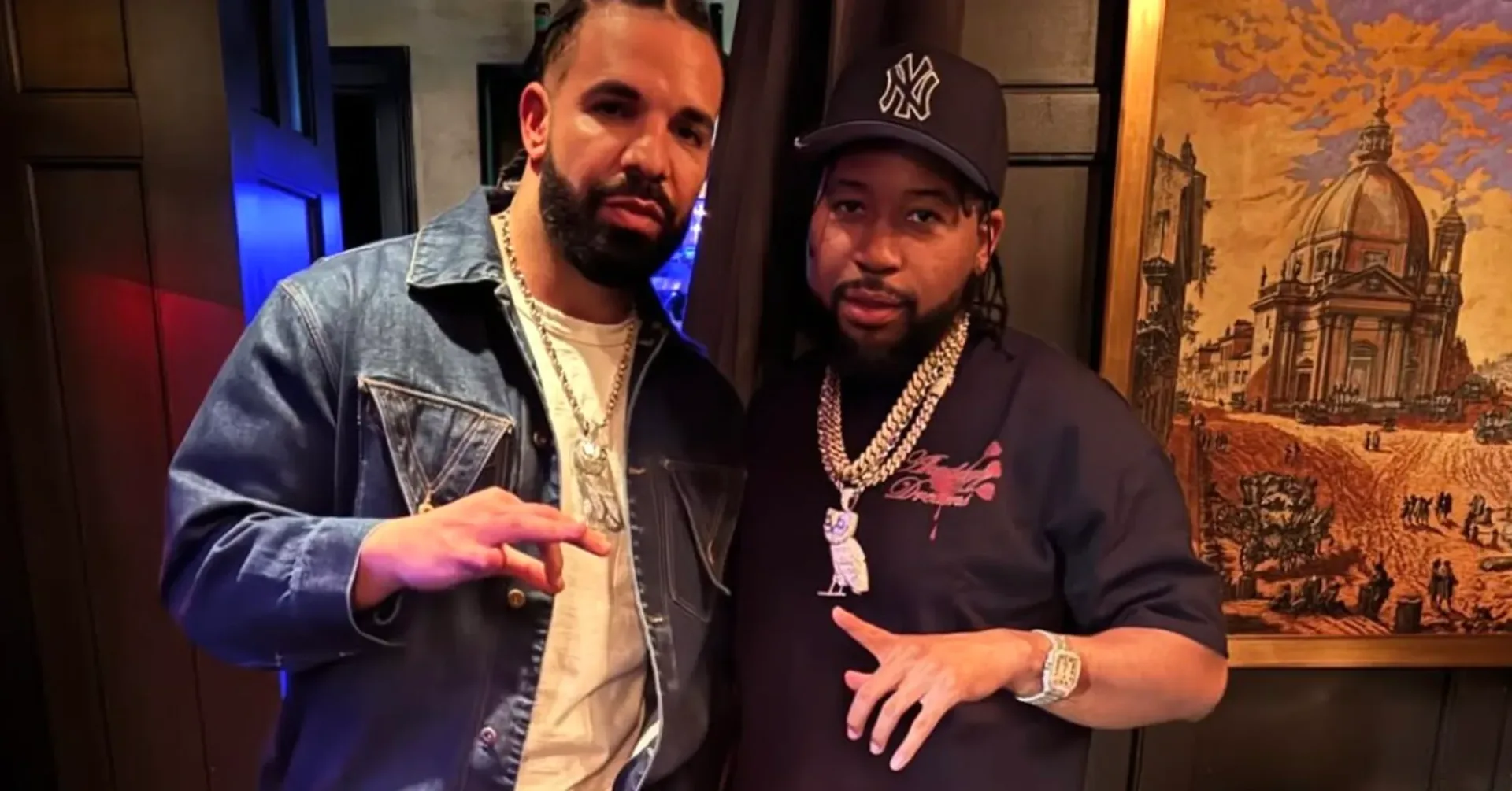
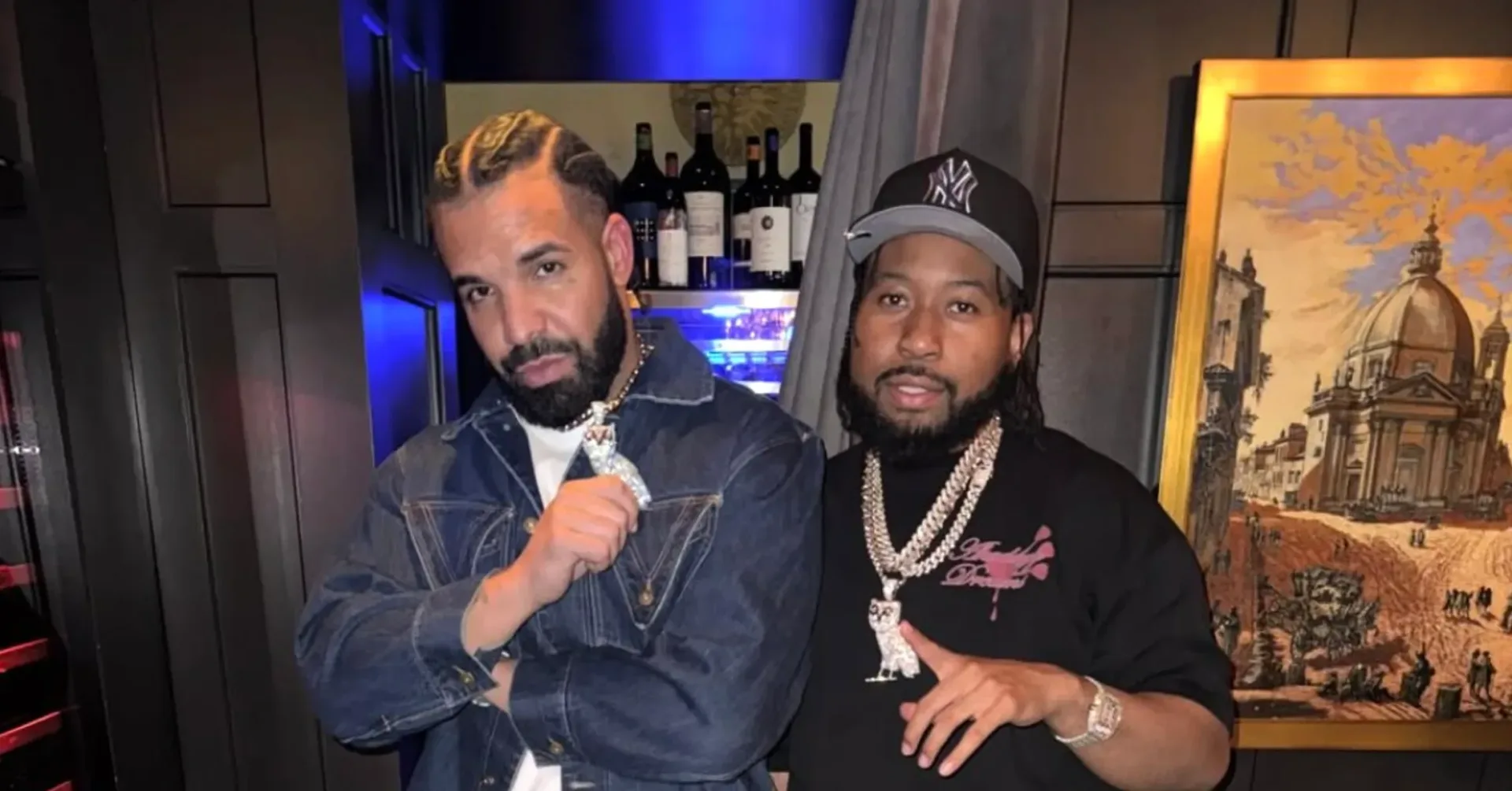
Akademiks’ appearance made that question unusually concrete. He was not simply discussing Drake’s work from the outside; he was featured in a rollout event connected to it. The supplied material also says he received an OVO chain following the endeavor. OVO is Drake’s associated brand, so the chain functions as a visible marker of affiliation, whether understood as a gift, a gesture of appreciation, or both.
None of that proves that every favorable statement about Drake is coordinated, purchased, or insincere. It does, however, explain why viewers may scrutinize the relationship more closely. Perception is a major part of credibility, and public-facing symbols of closeness can shape how audiences interpret commentary long after the original stream ends.
An access story, not simply a cameo story
Celebrity rollouts increasingly operate across music, social media, livestreaming, short-form clips, fan communities, and influencer ecosystems. A collaborator’s appearance can generate discussion well beyond the program itself, especially when that collaborator is also someone who covers the artist as part of their public work.
Related coverage includes DJ Akademiks Says Drake Weighed His ICEMAN Appearance.
That is the useful lens for understanding Drake’s reported hesitation. The question is less “Should an artist ever work with a commentator?” and more “What does that partnership ask an audience to believe afterward?” A commentator can be a fan, a critic, a friend, an occasional collaborator, or some combination of all four. The more roles overlap, the more valuable transparency becomes.
Transparency does not require a person to pretend they have no relationship with an artist. In many cases, audiences already know the relationship exists. Instead, it means being clear about relevant connections and letting the public weigh them when assessing analysis or reporting. For viewers, that is generally more useful than treating either praise or criticism as automatically invalid.
The supplied material portrays the Akademiks-Drake relationship as productive for both sides. Akademiks has received visible access, including the OVO chain and birthday invitations, while Drake has received positive coverage from a major online voice. That mutual benefit is not a hidden accusation; it is the central practical reality raised by the appearance.
Why the reaction is likely to be skeptical
Some online observers may find Drake’s stated concern ironic because Akademiks has long been seen by critics as especially favorable toward Drake. The available account itself argues that viewers have not generally regarded Akademiks as detached when discussing the Canadian rapper. From that perspective, the livestream did not create a new perception so much as make an existing one more explicit.
Still, it is worth separating two ideas that often get collapsed together:
- Bias is a tendency or preference that can affect judgment.
- Access is proximity to people, events, or information that others may not have.
- Coordination would imply that coverage is directed or arranged by the subject being covered.
The supplied information supports a discussion of perceived bias and visible access. It does not establish coordinated coverage. That distinction is essential. Audiences can reasonably question a commentator’s independence without converting every positive comment into an unsupported claim of an organized promotional arrangement.
It also helps explain why Drake’s concern was plausible, even if critics regard it as overdue. A guest spot can turn a vague feeling of closeness into a clear, replayable image. In an internet culture built on clips, screenshots, and rapid interpretation, that image may carry as much weight as any later explanation.
The practical stakes for music coverage
For music fans, the episode is a useful reminder to consider context alongside a commentator’s verdict. That does not mean dismissing all favorable coverage or assuming that personal relationships erase expertise. It means asking basic questions: Is the relationship publicly known? Has the commentator participated in the artist’s promotion? Are gifts or invitations part of the relationship? Does the speaker acknowledge that context when offering an opinion?
Those questions are especially relevant when a release is presented as a major cultural moment. Enthusiasm can be authentic, and promotional participation can also be real. The two are not mutually exclusive. But audiences benefit when the line between editorial-style commentary and campaign-adjacent participation is easy to see.
For artists, the situation cuts both ways. Working with a prominent online personality can make a campaign feel immediate and conversational. The same decision can invite doubts about the perceived independence of future coverage. The more a rollout depends on personalities who also comment on the artist’s career, the more likely the partnership itself becomes part of the story.
For commentators, disclosure and consistency are the clearest protections. If a relationship is visible, attempting to deny its relevance is unlikely to persuade a skeptical audience. A more durable approach is to acknowledge access while showing, over time, that standards apply consistently across subjects—including the people with whom one has professional or personal ties.
ICEMAN’s rollout and the wider entertainment crossover
The discussion also arrives in a moment when the entertainment conversation often blends releases across media. The supplied material compares the hype around ICEMAN with the anticipation for Grand Theft Auto VI, even while treating them as very different kinds of events. That comparison reflects how major album launches and game releases can compete for the same attention economy: livestreams, clips, reactions, online debates, and highly engaged fan communities.
Gaming and music have shared cultural space for years, and hip-hop’s place in the Grand Theft Auto conversation remains a recurring point of interest. Readers looking for a related gaming-and-entertainment item can see our coverage of E.J. Carroll’s work in Grand Theft Auto V.
But the key issue in the Akademiks story is narrower than any debate over album quality or release-scale hype. It is about trust. Drake reportedly recognized that featuring Akademiks could make the relationship look too close for audiences to accept later coverage as fully independent. Akademiks says he was included regardless.
That decision may have been commercially and culturally effective for the rollout, but it also ensured that questions about access would follow the appearance. In a media environment where personalities can be participants, commentators, and relationship-holders at once, that scrutiny is not an exception. It is part of the deal.