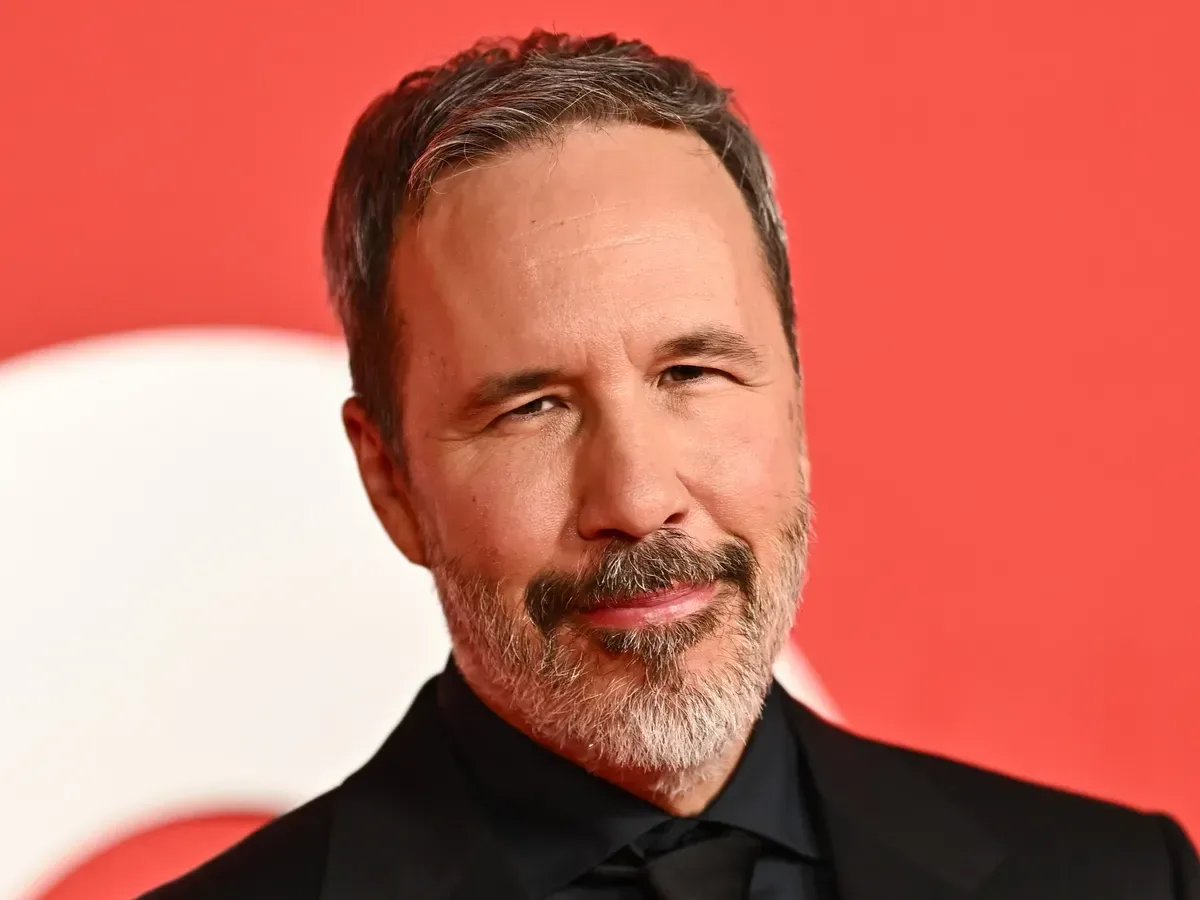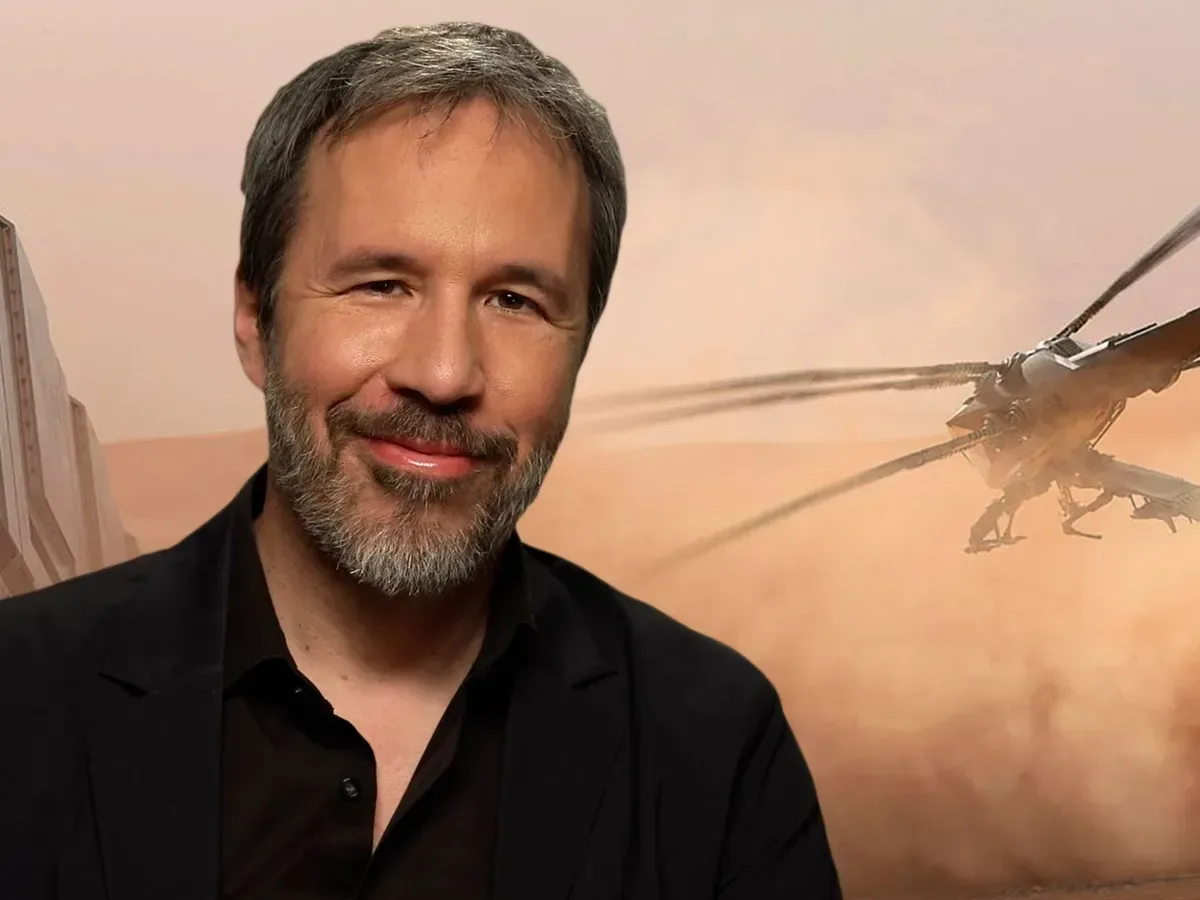
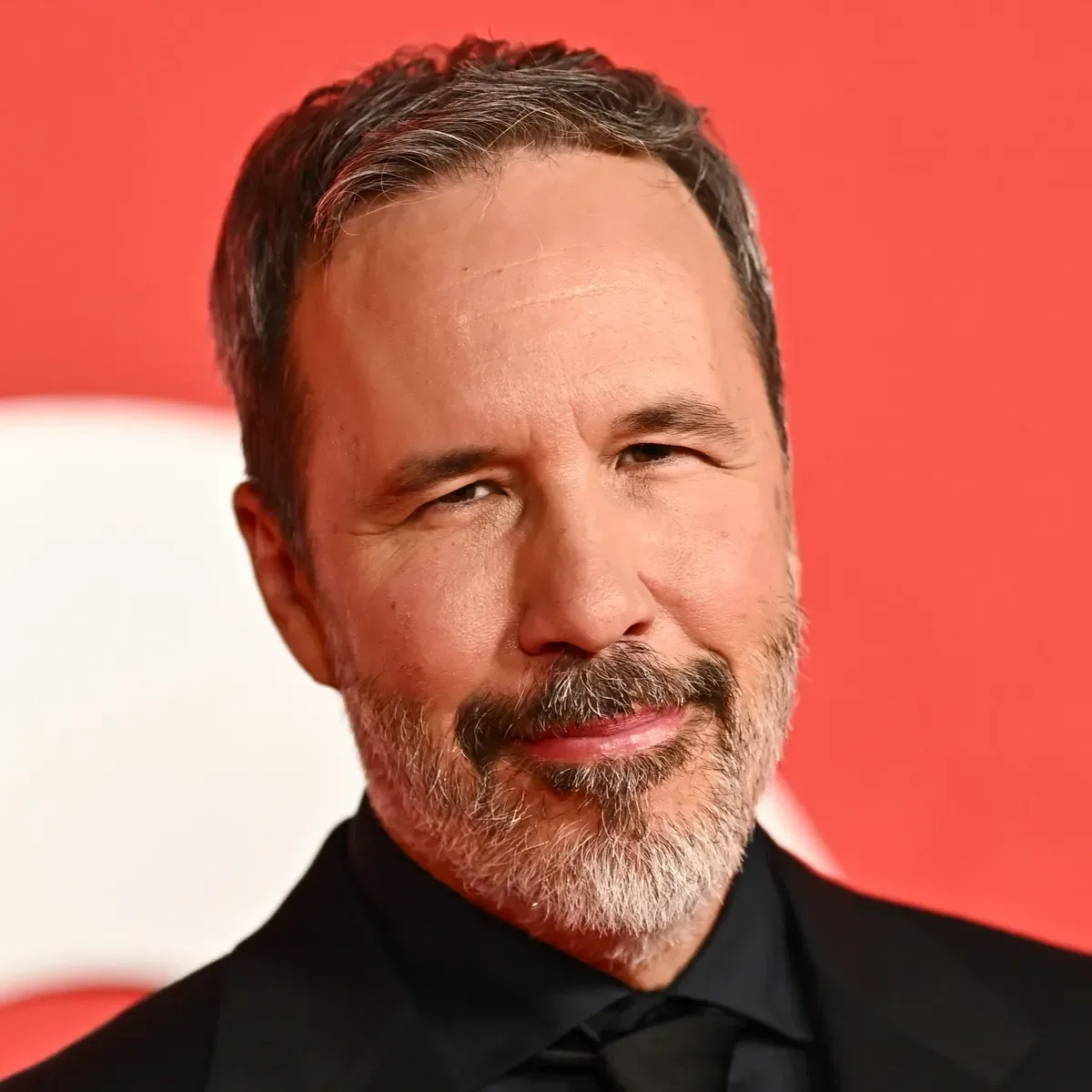
Denis Villeneuve has addressed the looming theatrical collision between Dune: Part Three and Avengers: Doomsday, describing Disney’s decision to move the Marvel film onto December 18 as “deeply disappointing.” The date had already been claimed by the concluding chapter of Villeneuve’s Dune trilogy, and the director has made clear that shifting his own film was not a practical option.
The central complication is not simply that two enormous franchise films will arrive on the same day. Dune: Part Three has secured an exclusive IMAX commitment, meaning Avengers: Doomsday will not have an IMAX release during that exclusivity window. Villeneuve said the Dune team had committed to both the December 18 date and IMAX, leaving the production locked into its plan even after the competing release moved.
A crowded date after a difficult road
Villeneuve framed the frustration against the unusual release histories of the first two Dune films. The first arrived near the end of the pandemic, in a theatrical market he characterized as especially difficult. The second was originally meant for a fall release but moved to the end of winter amid the Hollywood strikes. Both succeeded, but neither had what Villeneuve considers a straightforward launch.
That background explains why a third-film release without a pandemic disruption or strike-related delay appeared to offer a rare clean path. Instead, the last installment now opens directly against one of the industry’s biggest brands. Villeneuve has not tried to portray the matchup as an even contest in sheer franchise scale, likening the Avengers to a T. rex while calling Dune a smaller but potent rival.
For more context, explore GTA 6’s Key Lento Opening Makes the Case for a Little More Beachside Idling.
There is still confidence in the film itself. Villeneuve said he is proud of what Dune: Part Three delivers, even as he acknowledges the daunting commercial power of the Avengers. That distinction matters: confidence in a movie’s creative result does not eliminate the logistical challenge of putting it in theaters at the precise moment another event-sized release is asking for the same audience, screens, showtimes, and premium-ticket spending.
Why IMAX exclusivity changes the stakes
IMAX exclusivity is more consequential than a logo on a poster. It means a film has priority for IMAX auditoriums, which are the largest premium-format screens in many theaters. Those showings can be particularly valuable for a spectacle designed around towering landscapes, expansive imagery, and theatrical scale. IMAX tickets also generally represent a premium part of a film’s box-office mix, so access to those screens can affect revenue as well as presentation.
For Dune: Part Three, the IMAX arrangement is part of the release strategy rather than an optional add-on. Villeneuve’s comments indicate that preserving this commitment outweighed the possibility of moving away from December 18. In practical terms, the team faces a trade-off: retain the high-value IMAX platform and accept a direct battle with Marvel, or move the date and give up an arrangement already in place.
Related coverage includes Denis Villeneuve Was ‘Deeply Disappointed’ by the Dune and Avengers Release Clash.
That helps explain why the clash cannot be reduced to a simple question of which title has the larger fanbase. A wide theatrical release is built from a mix of formats and screens. A film might play in standard auditoriums, Dolby-branded rooms, other large-format venues, and IMAX locations, but each format has different capacity, ticket pricing, and availability. Losing one premium avenue does not prevent a blockbuster from succeeding; it does, however, reshape where it can compete most aggressively during opening weekend.
Marvel’s answer is likely to be more large-format competition
Disney is expected to push its Infinity Vision label across existing large-format screens as it competes with Dune’s IMAX positioning. The key point is that large-format screens are not all IMAX screens. They can still offer oversized presentations and premium experiences, giving audiences an alternative for Avengers: Doomsday even while IMAX venues are tied up by Dune: Part Three.
The competition therefore extends beyond ordinary ticket sales. Both campaigns will be fighting for the perception that their movie is the weekend’s must-see theatrical event, and premium venues are a powerful part of that argument. For moviegoers, the distinction may come down to the auditorium available locally, preferred format, seating times, and whether they want to see one film immediately and save the other for a later weekend.
There is an obvious risk for Dune: Marvel’s marketing reach and the Avengers name could pull some customers away from its lucrative IMAX showings, even if the film retains exclusive use of those screens. There is a corresponding complication for Avengers: Doomsday: audiences who strongly prioritize IMAX could elect to see Dune: Part Three first, then return for Marvel later. Neither result is guaranteed, and the situation is likely to vary from theater to theater.
Can two massive films help each other?
Fans have started calling the paired release “DunesDay,” a science-fiction-heavy echo of the shared-release phenomenon often discussed around “Barbenheimer.” The nickname captures the optimistic case: two distinctly branded, heavily anticipated films could make December 18 feel like a cultural appointment, increasing overall interest in going to theaters.
That possibility is real, but it should not be mistaken for proof that simultaneous releases are painless. The two films will overlap in several important ways. Both are big-budget franchise entertainment. Both will target viewers willing to pay for premium theatrical experiences. Both will arrive during the same opening-weekend window, when marketing attention and the best showtimes matter most. That overlap creates the possibility of cannibalization, an industry term for one product reducing demand for another product aimed at a similar customer.
At the same time, their identities are not identical. Dune: Part Three is the end of Villeneuve’s trilogy and is attached to the director’s long-running approach to the world of Arrakis. Avengers: Doomsday carries the collective weight of the Marvel franchise and the expectation of a major superhero event. Different audiences may prioritize different films, while plenty of viewers may intend to see both.
The most positive scenario is not necessarily that one film defeats the other. It is that theatrical attendance rises enough for both to benefit from the attention. Villeneuve himself has suggested the shared date could become one of the biggest box-office weekends ever because of the combined pull of both movies. That is an aspiration, not a result that can be assumed before tickets are sold, but it reflects why the industry will watch the date so closely.
The financial pressure behind the showdown
Dune: Part Three reportedly carries an estimated production cost of $200 million before marketing. That figure illustrates why the film’s premium-screen plan is significant. A production of that scale does not depend only on whether audiences show up; it depends on how strongly it performs across its run, including in higher-priced formats. Marketing is excluded from the reported production estimate, so the full investment involved in launching the film is not represented by that number alone.
It would be premature to declare either title damaged by the matchup. Opening weekends are shaped by many factors that are not established here, including audience response, theater capacity, the length of the IMAX commitment, and how quickly either film’s demand extends past its first few days. What is clear is that the release strategies are now intertwined. Marvel’s inability to use IMAX during Dune’s exclusive window is meaningful, while Dune must contend with the attention commanded by a new Avengers film.
Villeneuve’s remarks also reveal an important creative-business tension. Directors can make a film for the biggest possible screen and plan its release around that presentation, but distribution calendars are influenced by decisions across rival studios. Even a carefully assembled launch can change character when another blockbuster shifts dates. The director’s response has been to stand by the existing plan rather than treat the arrival of Avengers: Doomsday as a reason to abandon it.
Villeneuve is looking beyond Arrakis
Whatever happens on December 18, Villeneuve has indicated that he is ready for a different creative challenge after spending a decade focused on Dune. His next project is James Bond, a move he has described with intense excitement. He has also said it feels healthy to step away from Arrakis after years spent considering the trilogy’s visual palette and its embrace of natural light.
That makes Dune: Part Three a major pivot point. It is positioned as the trilogy’s finale, the culmination of a long period in a single universe, and a film entering theaters with a premium-format advantage that has become a flashpoint in the wider blockbuster calendar. Villeneuve may see the Avengers as an overwhelmingly large opponent, but he is not presenting Dune as a film without a plan or identity. It has its date, it has IMAX, and it is heading into one of the most closely watched release weekends on the calendar.