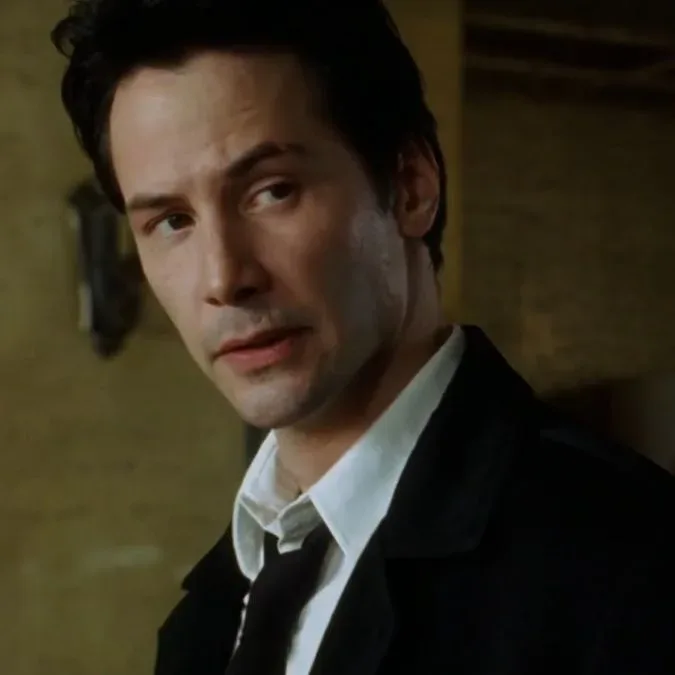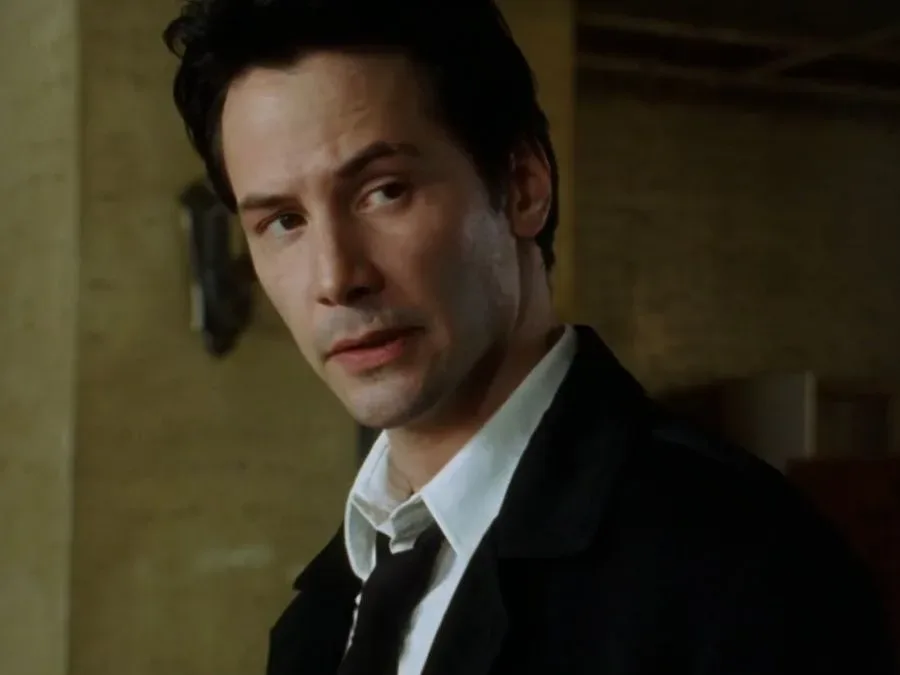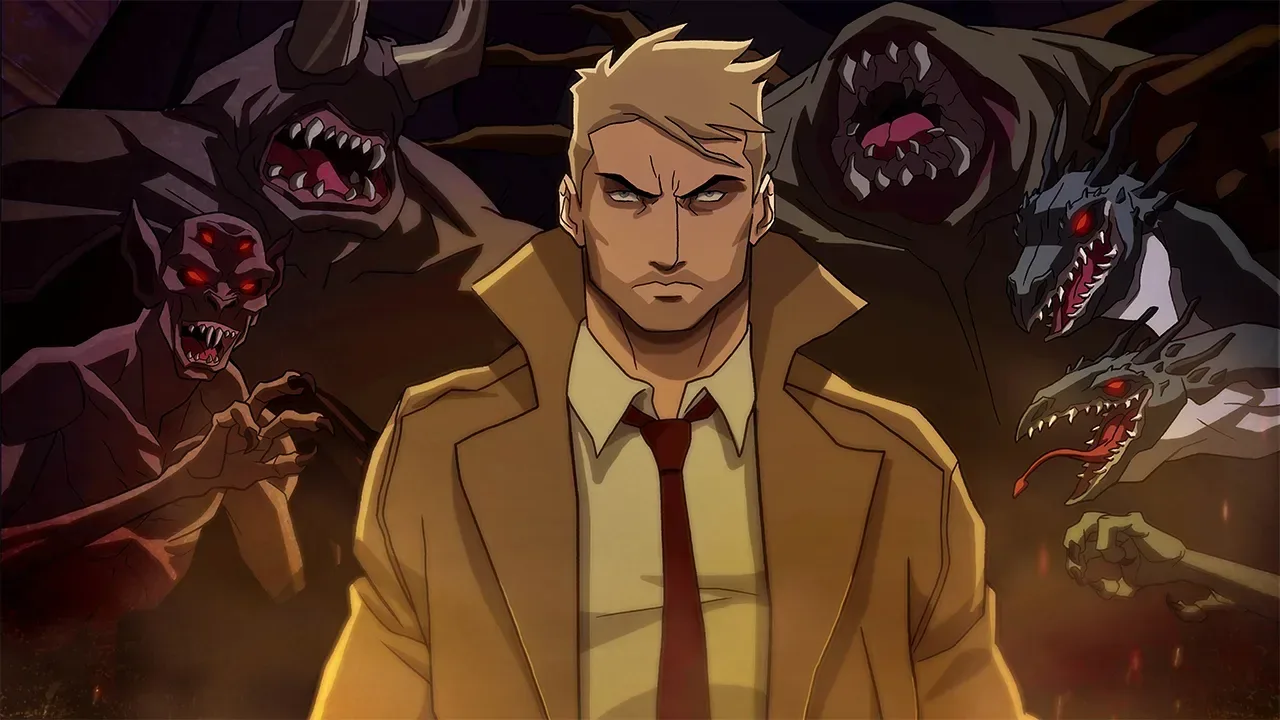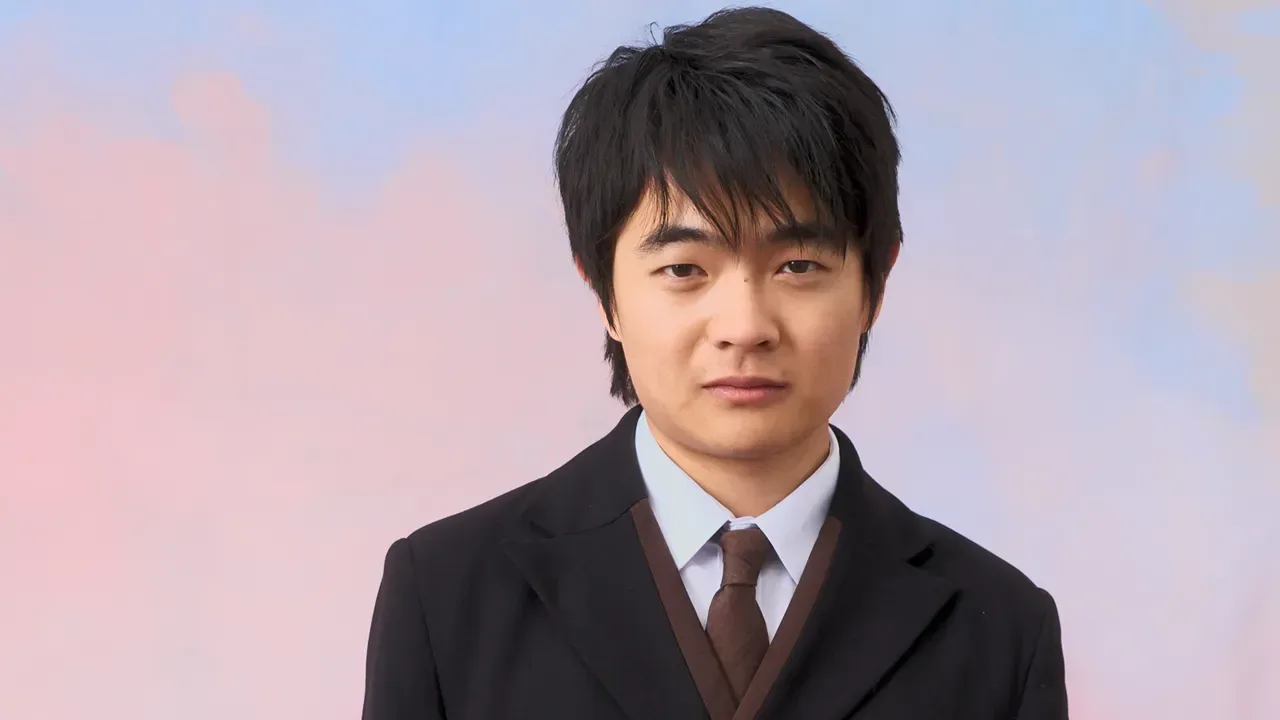
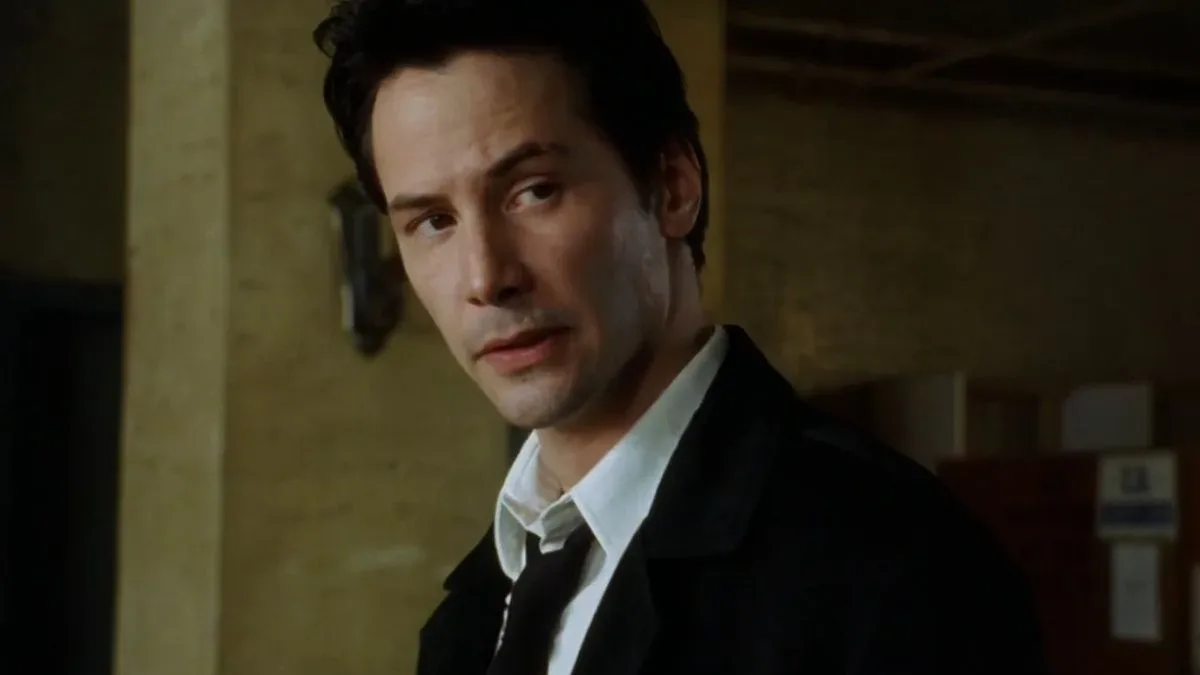
DC Studios has put a new Constantine film into early development, with filmmaker Francis Galluppi set to write the screenplay. It is a meaningful step for the supernatural detective character—but it is not yet an answer to the question many viewers will ask first: where does this leave Keanu Reeves and the long-discussed continuation of the 2005 Constantine film?
The clearest fact is also the narrowest one. Galluppi is writing a Constantine script. He is also attached to direct the upcoming Evil Dead Wrath. Beyond that, there is no confirmed cast, director for the Constantine project, release timing, story premise, or indication of which continuity it will occupy. That makes this less a fully formed movie announcement than a sign that DC Studios is actively considering a new route for the character.
For Constantine fans, the uncertainty has unusual weight because another route has been publicly discussed for years. Reeves played the otherworldly detective in the 2005 film, and he has continued to express hope that a follow-up could happen. Last year, he said that another draft had arrived for a prospective sequel to be directed by Francis Lawrence, adding that the team was waiting to take it to the studio. A DC Studios co-CEO later said he had discussed Constantine 2 with Reeves.
Those comments do not confirm that Reeves’ sequel is moving ahead, and Galluppi’s new assignment does not explicitly cancel it. But two projects using the same lead character naturally raise questions about whether they could coexist, whether one has replaced the other, or whether the studio could ultimately decide to support only one version.
What “early development” actually tells us
In film terms, early development generally means a project is being shaped before major production commitments are publicly visible. A screenplay is a central part of that process, but a script assignment is not the same thing as a finished film being approved for filming.
That distinction matters here. Galluppi writing the project identifies a creative starting point, not a final package. There is no public confirmation that he will direct, that a performer has signed on to play Constantine, or that a production date exists. Viewers should therefore treat every larger question—casting, tone, universe placement, and connections to other DC characters—as open.
The news does, however, establish that Constantine remains a live priority inside DC Studios rather than merely an idea attached to earlier conversations. The character has previously been considered for very different kinds of screen projects, from a Reeves-led continuation to a potential ensemble story. The current script could eventually become a standalone supernatural film, a piece of a broader DC setting, or something that changes substantially as development continues. None of those outcomes has been confirmed.
The Keanu Reeves question is bigger than a casting decision
Reeves’ possible return is not simply a matter of whether audiences recognize the actor. It is tied to a particular screen incarnation of Constantine from 2005 and to the sequel effort that has been associated with Francis Lawrence. Reeves’ update indicated that a draft existed and that the team hoped studio approval would follow. That is more concrete than vague fan interest, but it still falls short of confirmation that cameras will roll.
The new Galluppi script introduces several plausible possibilities, none of which should be mistaken for fact at this stage:
- It could be a separate interpretation with a new actor.
- It could be an alternate development path while the Reeves sequel remains under consideration.
- It could evolve into a project that shares some relationship with the earlier sequel plans.
- It could become the studio’s preferred Constantine film, leaving the Reeves project without a route forward.
What is known is limited: Reeves has discussed wanting to return, a draft for that prospective sequel has existed, and DC leadership has discussed it with him. What is not known is whether Galluppi’s screenplay is intended to include Reeves, replace his sequel, or live alongside it.
That lack of clarity is especially important because audiences often use “sequel” and “reboot” as shorthand for very different promises. A sequel continues an earlier film’s version of events and usually maintains at least some creative or casting continuity. A new standalone take can use the same central character without being beholden to that earlier movie. Until DC Studios identifies the new project’s relationship to the 2005 film, neither label can be applied with confidence.
Could Constantine be an Elseworlds film?
The other major unresolved issue is continuity. DC uses the Elseworlds label for films and shows that do not fit within the main DCU universe. The separate Batman universe associated with Matt Reeves is one example. If the Reeves-led Constantine continuation moves forward outside the main DCU, Elseworlds would appear to be a logical framework—but DC Studios has not said that Constantine will use that banner.
Continuity is the industry term for the shared fictional framework that determines which stories, characters, and events belong together. It affects expectations in practical ways. A Constantine film placed inside the central DCU could potentially have room to intersect with other DCU projects. An Elseworlds entry, by contrast, can stand on its own and avoid the obligation to fit a main-universe timeline.
Neither option is inherently better. A self-contained film can give its filmmakers more freedom to establish a distinct mood and story without servicing a larger slate. A main-universe project can offer connective potential, but it also invites questions about how the protagonist relates to the rest of that world. With no announced premise, it is too soon to know which creative trade-off DC is considering.
There is also a tonal question. The existing DC film landscape includes Clayface, which has been described as part of a horror-leaning side of the studio’s plans. Constantine could be a natural fit for darker supernatural storytelling, but a tonal similarity would not itself prove a shared continuity. Genre and continuity are separate decisions: two movies can both lean into horror without inhabiting the same fictional world.
A character with several unrealized screen paths
The overlapping possibilities around Constantine are not limited to Reeves’ sequel and Galluppi’s screenplay. Guillermo del Toro previously developed plans for a Justice League Dark team-up movie led by Constantine, with a Batman cameo. That proposal did not become the film now being discussed, but it shows how the character has repeatedly been considered as both a solo lead and an entry point into a larger, shadowier corner of DC storytelling.
Bill Skarsgård has also said that he had an idea for a DC Constantine project with Andy Muschietti, the director of IT. Again, an idea is not an announced production. Still, its existence underscores how many creative combinations have circled the character.
That history makes Galluppi’s script notable without making it definitive. Constantine has attracted filmmakers with different apparent approaches: a continuation tied to an established 2005 performance, a potential supernatural ensemble, and concepts involving creators associated with horror. The next step will be determining which of those impulses—if any—defines the version now in development.
Why the scriptwriter choice is worth watching
Galluppi’s involvement is the only new creative detail attached to the project, so it will inevitably draw attention. As writer, his immediate responsibility is to establish the movie’s story, characters, structure, and tone on the page. If he remains attached beyond the screenplay, that would be a separate development to confirm.
A screenplay’s role is easy to underestimate in franchise reporting because casting announcements and logos tend to generate more immediate excitement. But in a project with no public plot or universe designation, the script is where the core questions begin to take shape. Is Constantine operating alone? Is the story designed as a continuation? Is the film built to connect with other DC characters? Does it favor supernatural horror, detective mystery, or another approach? The publicly available information offers no answers yet.
For now, the practical takeaway is restraint. A Constantine movie is being written for DC Studios. Reeves’ desired follow-up has not been publicly resolved. Elseworlds status has not been announced. And no casting or production timeline has been supplied.
That may feel like a lot of unanswered questions, but it is also the point at which a project can still take multiple forms. Fans tracking big-screen franchise developments are already watching how presentation choices shape expectations elsewhere, including debates around IMAX framing and what different audiences may see. For Constantine, the more immediate unknown is simpler: whether DC Studios is building a new beginning, preserving the path back to Reeves, or trying to keep both doors open.
Until the studio clarifies the screenplay’s place in its plans, the safest reading is that Constantine is back in active movie development—but the identity of the Constantine movie remains very much undecided.