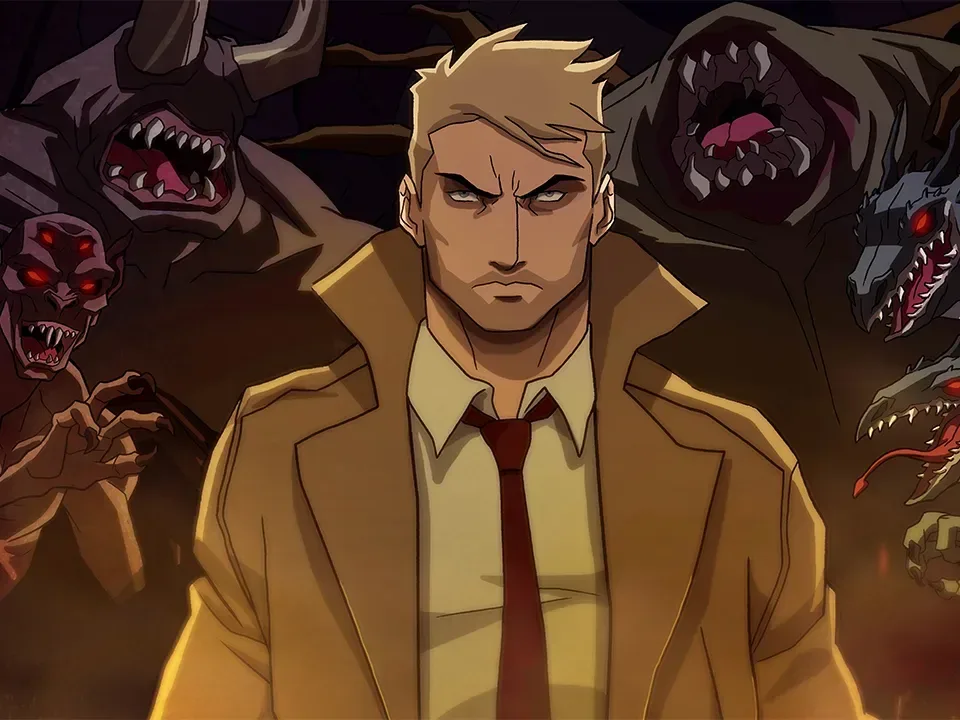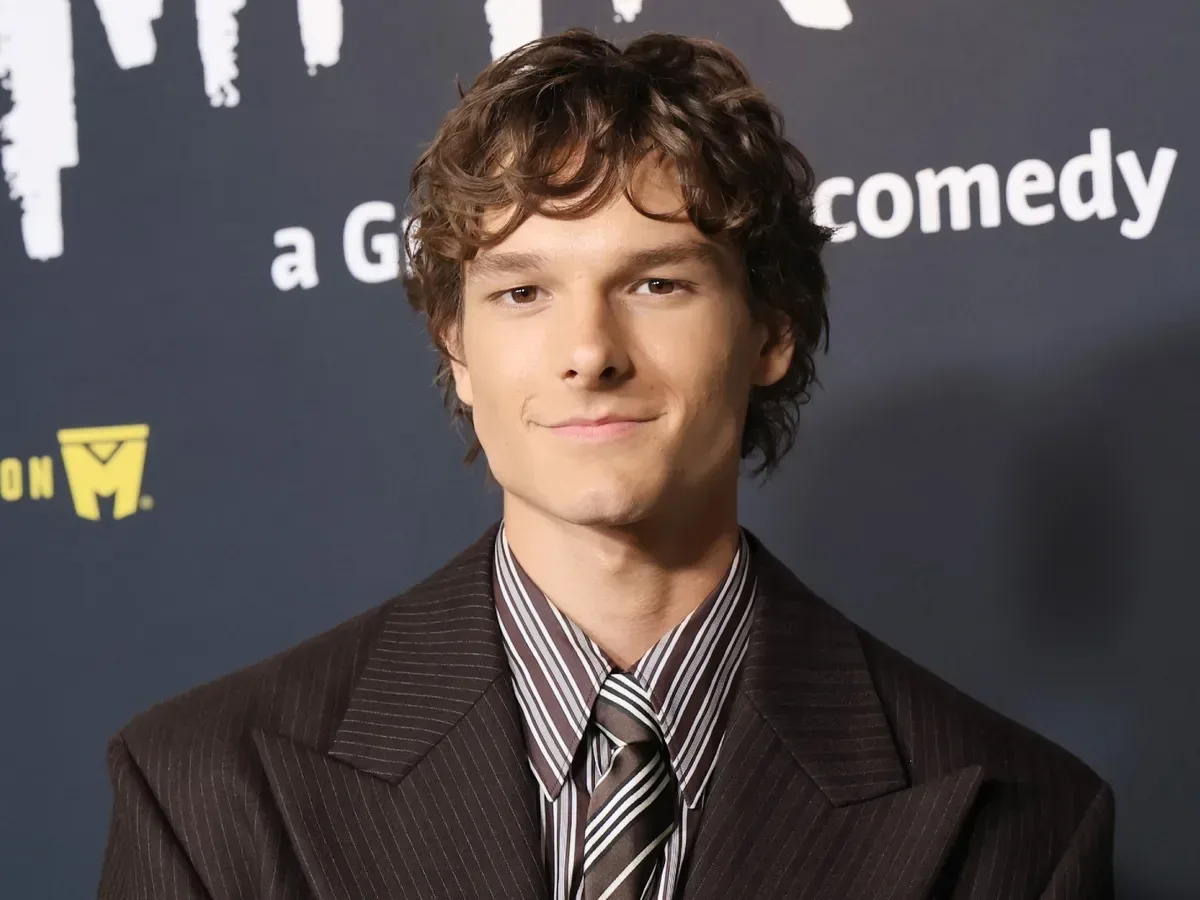
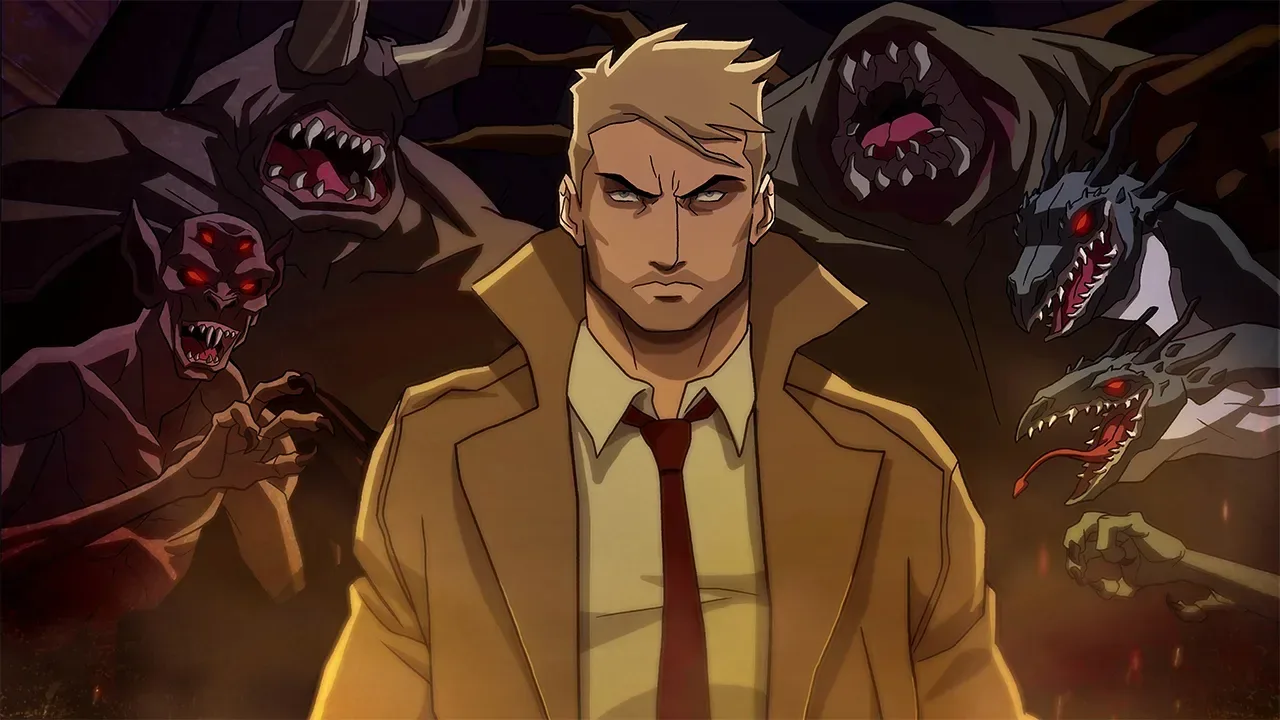
DC Studios has brought in filmmaker Francis Galluppi to write a movie centered on John Constantine, the trench-coated occult detective whose corner of DC fiction is defined less by capes and clean victories than curses, demons and dangerous bargains.
The assignment is an intriguing one, but it is also at a very early stage. Galluppi is confirmed as the screenwriter; there is no confirmation that he will direct, no cast has been announced, and no plot has been disclosed. Most importantly for longtime Constantine movie viewers, there is no indication yet whether this script is intended as a continuation of 2005’s Constantine, which starred Keanu Reeves, or as a separate interpretation of the character.
What is confirmed—and what is not
At present, the substantive news is that Galluppi is writing a John Constantine film for DC Studios. That distinction matters because a screenwriter being hired is not the same as a project entering production. Development is the stage in which a studio and filmmakers shape a script, determine a creative direction and, eventually, make decisions around talent and production. A screenplay can evolve substantially during that process, and early development does not establish a filming timetable or release date.
Here is the current picture:
- Confirmed: Francis Galluppi has been tapped to write a John Constantine movie for DC Studios.
- Unconfirmed: Whether Galluppi will direct the film as well as write it.
- Unconfirmed: Any actor playing Constantine or any other role.
- Unconfirmed: A story premise, release window or production schedule.
- Unconfirmed: Whether the project relates to Keanu Reeves’ 2005 Constantine or represents a new continuity.
That last point is likely to dominate the initial discussion. Reeves played a version of Constantine in the 2005 feature, and interest in a follow-up has remained persistent for years. In late 2025, Reeves said a new draft for Constantine 2 had been completed and was set to be presented to DC Studios. There has been no further update establishing its status, however, and the newly reported Galluppi script does not answer the sequel question.
Why Constantine leaves room for more than one answer
John Constantine originated in comics through writer Alan Moore and artists Steve Bissette and John Totleben. The character is a working-class British detective who operates in the supernatural world, using occult knowledge and magic while dealing with threats that do not fit conventional crime-solving. “Occult,” in this context, means hidden or esoteric supernatural practices: the kind of territory associated with spells, rituals, demons and forbidden knowledge rather than science-fiction technology.
That foundation creates a character with an unusually flexible screen identity. Constantine can function as a noir-like investigator, an urban-fantasy survivor, a horror protagonist or a supernatural antihero. The basic dramatic engine is not simply that he confronts monsters. It is that supernatural problems usually carry personal, moral or metaphysical consequences, and Constantine’s methods can make the solution as troubling as the threat.
The 2005 film showed one way to translate that premise to the screen through Reeves’ portrayal. But the newly developing project has not identified its approach, setting or continuity. It would be premature to assume it will replicate that film’s choices, reject them, or bring them forward. Until DC Studios clarifies the relationship, “sequel,” “reboot” and “new take” are all descriptions of possibilities—not established facts.
For viewers, that uncertainty is more meaningful than it may initially sound. A direct sequel would imply a return to an existing movie interpretation and its leading actor. A standalone reimagining could instead build from the comic-book character’s defining traits while making different choices about tone, casting and world-building. Both paths could retain the essential Constantine idea: a human investigator navigating forces far larger and stranger than himself.
Galluppi’s genre credentials offer a clue to tone, not to story
Galluppi’s confirmed involvement is notable in part because he is attached to Evil Dead Wrath, the forthcoming seventh film in the Evil Dead series. That film is scheduled for theatrical release on April 7, 2028, and is described as a prequel to 1981’s The Evil Dead, set in 1972.
He developed the Evil Dead Wrath story and brought it to franchise creator Sam Raimi and Raimi’s team in 2024, after his debut feature The Last Stop in Yuma County received critical acclaim. Raimi praised Galluppi at the time for knowing when to let tension build and when to unleash violence, while also pointing to the filmmaker’s control in his first feature.
That background makes Galluppi a potentially natural creative fit for a Constantine project, at least in the broad sense that both properties occupy supernatural territory where atmosphere and escalation matter. But it should not be mistaken for a promised creative blueprint. Being associated with the next Evil Dead installment does not establish that the Constantine film will mimic that series’ style, violence or story structure. It does indicate experience with genre material in which suspense and horror can be central tools.
For a Constantine movie, controlling tension could be especially useful. The character’s appeal is not only in spectacle; it is also in the sense that every clue may uncover a worse layer beneath it. A supernatural detective story needs investigation to create momentum, while horror elements need restraint as well as release. Galluppi’s work has drawn attention for that sort of pressure-and-payoff balance, though audiences will have to wait for actual creative details before drawing firmer conclusions.
The Keanu Reeves question remains open
Reeves’ status is the clearest unanswered practical issue. His update in late 2025 demonstrated that a potential Constantine 2 had a completed new draft at that point and was moving toward a presentation to DC Studios. The absence of a subsequent public status update leaves the matter unresolved.
It is possible for a studio to explore more than one script or direction around a character during development, but the available information does not explain whether that is happening here. Nor does it say whether Galluppi’s script replaces, reshapes, runs alongside or has no connection to the previously discussed sequel. Treating the new writing assignment as definitive proof of any of those outcomes would go beyond the facts currently available.
What can be said is that Constantine is now actively part of DC Studios’ development conversation in at least one concrete way: a writer has been hired to prepare a film. That is more tangible than fan demand alone, while still being far from the detail level that would settle questions of casting, continuity or release plans.
What to watch next
The next meaningful update will likely be one that narrows the project’s identity. Confirmation of Galluppi as director would establish a stronger authorial throughline from script to screen. A casting announcement would answer whether the film is returning to an established portrayal or beginning anew. A logline or synopsis would reveal whether the film leans into detective fiction, occult horror, character drama or a combination of all three.
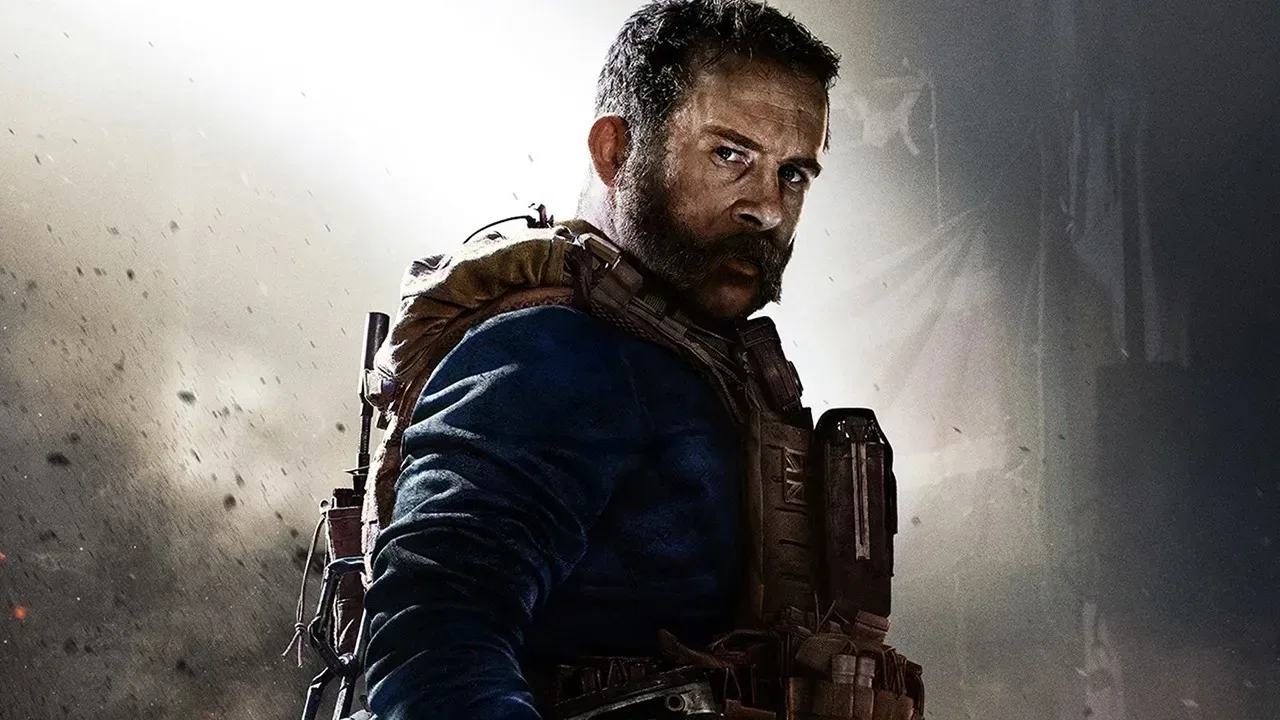
There is also a wider practical context: franchise-film adaptations can take very different routes from initial development to a finished release. The ongoing interest in other game and genre properties becoming films, including the questions surrounding a possible Call of Duty movie’s casting and timeline, is a useful reminder that a recognizable name and early creative attachment do not settle every later decision.
For now, the Constantine news is best read as a promising but preliminary development: DC Studios has selected a filmmaker with a growing genre profile to write for one of its most distinctive supernatural characters. The script’s connection, if any, to Reeves’ earlier film remains unknown, and the project has not yet supplied the details needed to define what version of John Constantine audiences may ultimately see.