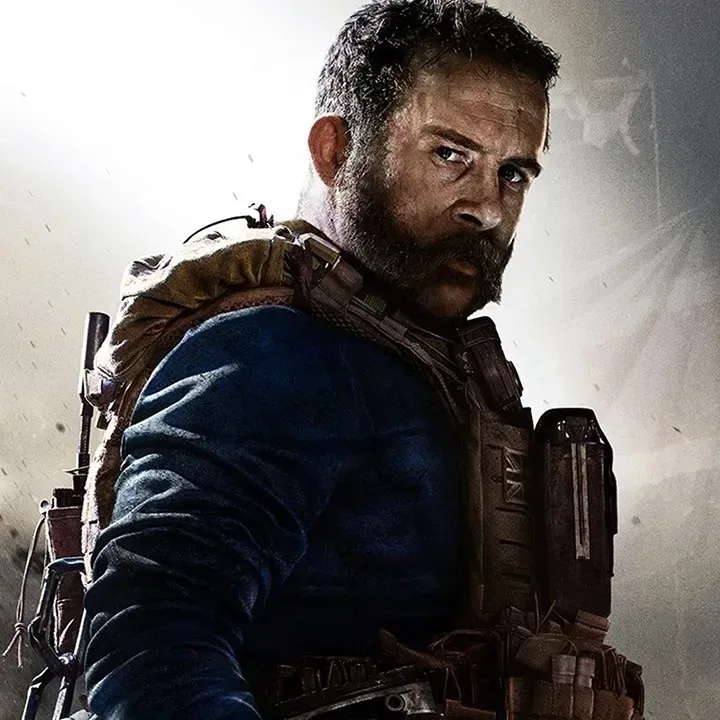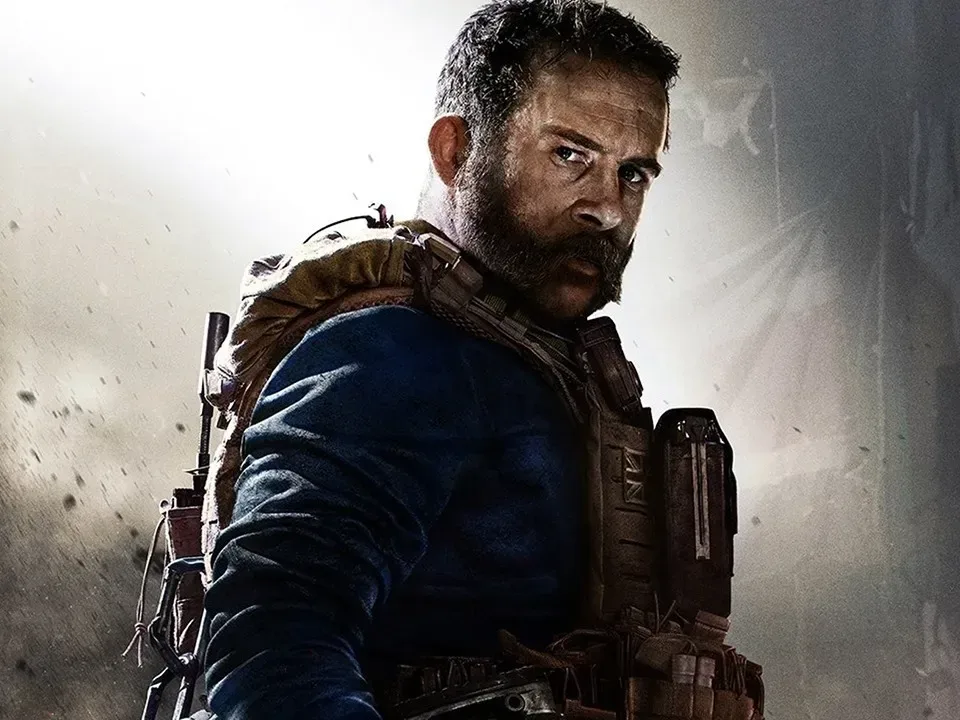
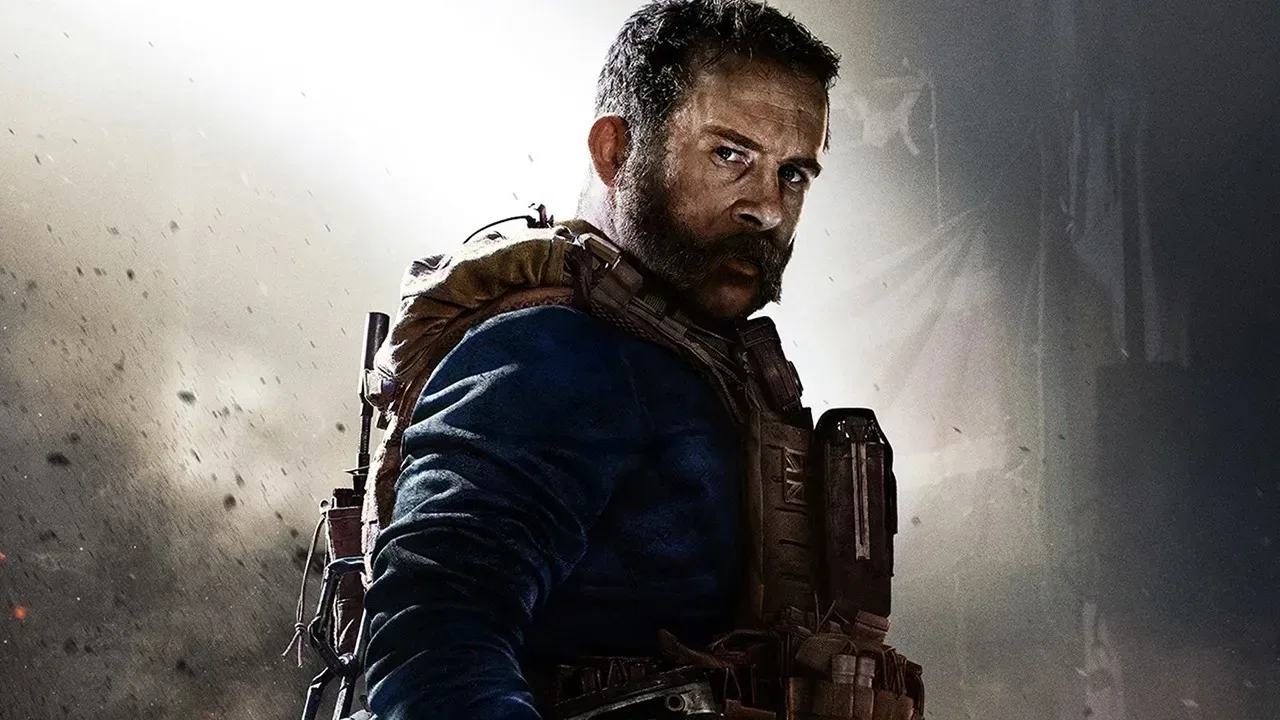
Barry Sloane has made his position on the planned Call of Duty movie very clear: if Captain Price is part of the film, he wants the job.
The actor, who has portrayed Price in the modern Call of Duty: Modern Warfare games for close to a decade, said he would love to bring the character into live action. He also made a confident case for why he believes he is uniquely suited to do it: he knows the role, understands the scale of the games, and has shared the character’s journey with the audience over many years.
“I don't think there's anyone else on the planet who is as qualified for the job as I am,” Sloane said. “But if you're asking me, would I like to do it? Absolutely, I would love to play him in a movie. 100%.”
That is not a casting confirmation. The film’s eventual cast has not been announced, and Sloane acknowledged that major studio decisions can be made for reasons performers and fans do not see. Still, his interest places a particularly important question at the center of the adaptation: should a movie built around a game use the actor already associated with one of its defining characters?
For a series as recognizable as Call of Duty, Captain Price is not simply another possible supporting role. He is a key figure in the Modern Warfare world, and the answer to who plays him would immediately tell viewers something about the film’s priorities: continuity with the games, a fresh interpretation, or a balance of both.
A Modern Warfare movie with an open casting question
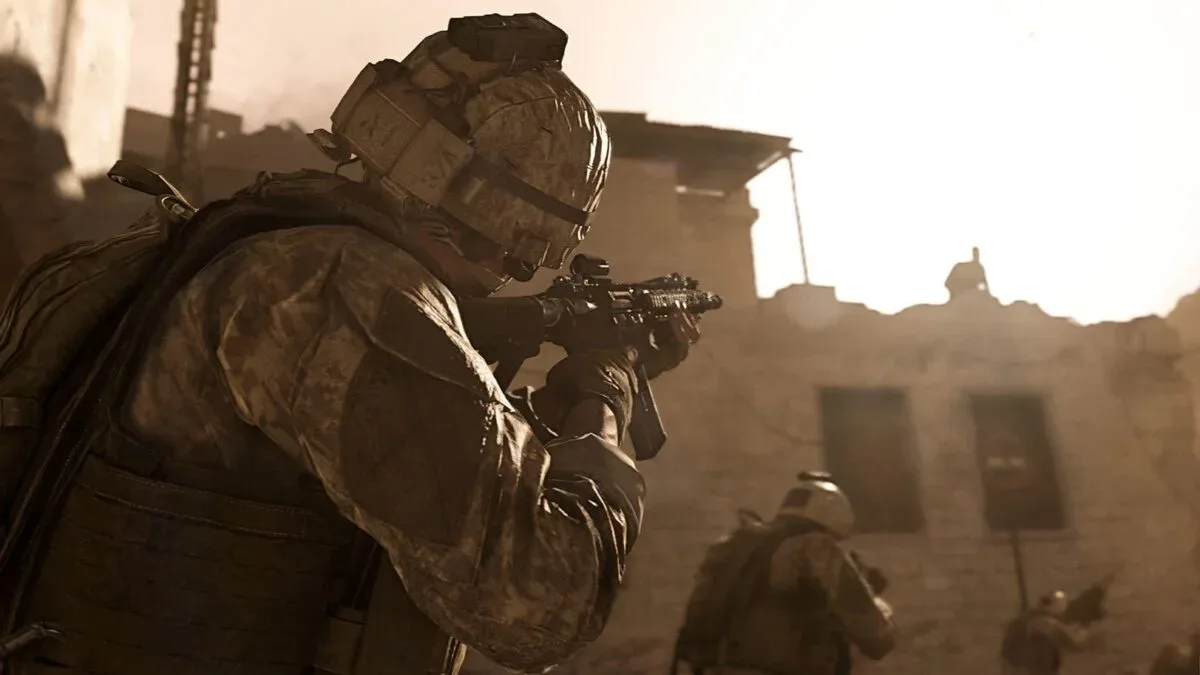
The live-action Call of Duty film is set to be directed by Peter Berg and written by Taylor Sheridan. It is expected to take place in the Modern Warfare universe, although the available details do not establish whether it will adapt a specific game storyline or tell an original story using that setting.
That distinction is substantial. An adaptation of an existing campaign would be tied more tightly to established events and characters. An original story, meanwhile, could use the setting’s military-thriller framework while keeping familiar figures at the edges—or avoiding them altogether. “Set in the universe” is not automatically the same thing as “a direct retelling.”
It also leaves the production with a range of possibilities for Price. The movie could cast Sloane as the same version of Price players know from the games. It could recast the role with a different screen performer. Or it could tell a story that does not require Price to be the central focus, even if the character’s presence would be difficult for many fans to imagine away.
Related coverage includes Barry Sloane Wants to Bring Captain Price to the Call of Duty Movie.
Sloane said he has noticed the fan push for him to take the role and appreciates it. At the same time, he recognized the ordinary reality of large-scale film casting: studios may consider a range of names, including performers viewed as conventional theatrical draws. That does not mean game actors are ruled out; it means familiarity with the character is one factor among several that can shape a studio decision.
Why Sloane’s case is more than a voice-acting argument
Video-game performance is increasingly different from the old assumption that an actor records dialogue in isolation and leaves the rest to animation. The supplied information notes that more realistic games have increasingly used performers’ likenesses alongside their performances. In those cases, audiences can form a connection not only with a voice but with an actor’s face, movement, mannerisms and interpretation of a role.
That helps explain why calls for Sloane are not merely requests for a familiar vocal delivery. For players who know this incarnation of Captain Price, Sloane represents continuity across the character’s screen presence and personality. Recasting could still work, but it would ask the film to establish its own version of a figure whose current game portrayal is already strongly defined.
There is a practical creative advantage to retaining an established performer, too. Someone who has played a character over many projects arrives with a working understanding of the role’s tone, relationships and fan expectations. That is what Sloane means when he describes himself as an asset to the production. It is not a claim that casting is automatic; it is a claim that long-term character knowledge has value when translating a property between mediums.
The counterargument is easy to understand. A studio may prefer to build its cast around performers it believes can attract an audience beyond existing players. That kind of calculation is common in event filmmaking, especially for a property as enormous as Call of Duty. But the game’s actor-led character work creates an unusual tension: the production may be choosing not just a star, but whether to preserve an interpretation its audience already recognizes.
Other franchise casting conversations show why this can matter. A performer’s previous association with a role can remain powerful even when a new project has no obligation to bring them back, as seen in the continuing discussion around whether familiar franchise actors might return under the right circumstances. In Sloane’s case, though, the question is especially direct: he is actively seeking to play the same character in a film version.
The Modern Warfare 4 spoiler problem
There is another issue that could prove just as important as casting: chronology.
Spoilers for Call of Duty: Modern Warfare 4 follow.
At the end of Modern Warfare 4, Captain Price is left bleeding out in the wilderness after Ghost says goodbye to his fallen leader. The game removes several characters from the board, and Price’s fate makes the placement of a movie within the game continuity a major creative constraint.
In franchise terms, this is a question of canon. Canon means the set of events officially treated as part of a story world’s continuity. If the movie is canonical to the games, its plot would need to fit around what the games have already established. A Price-led film would therefore most naturally need to take place before the ending of Modern Warfare 4.
That does not necessarily mean the movie must be a prequel in the traditional sense. It could be set during an earlier, unshown period of the existing timeline, or tell a concurrent story that slots into events already known to players. But it would need to respect the character’s status at the end of the latest game if it intends to share that exact continuity.
On the other hand, a film can be set in a franchise universe without being locked into game canon. A separate continuity would give the filmmakers more freedom to use Price, Ghost and other familiar characters in new arrangements. That approach can make a feature more accessible to people who have not played every campaign, because the screenplay does not have to spend its runtime navigating a dense sequence of prior plot points.
The trade-off is that a separate continuity may disappoint viewers hoping for a literal continuation. The core issue is not that one option is inherently better. It is that each produces a different kind of adaptation:
- Canonical film: Must align with the games’ established sequence of events and character outcomes.
- Pre-Modern Warfare 4 story: Could feature Price while retaining a shared timeline.
- Standalone continuity: Could freely reinterpret game characters and events.
- New-character story: Could remain in the Modern Warfare setting while placing less weight on familiar faces.
What a Price casting decision would signal
If Sloane is cast, it would be a strong sign that the film wants to preserve a direct bridge to the current game portrayal of Captain Price. That would not, by itself, prove that the film is canon or that it will adapt a particular campaign. Actors can reprise roles in alternate continuities. But it would reassure fans that the production sees value in the performance already associated with the character.
If a different actor is selected, that would not automatically mean the movie has abandoned the games’ spirit. It could simply indicate that the filmmakers are pursuing a distinct screen interpretation. The more useful question would then become how much of Price’s established characterization carries forward: his role in the team, his relationships, his authority and the emotional tone fans associate with him.
A Price-free movie is also possible in theory, particularly if the story introduces its own soldiers and mission. Yet the expected Modern Warfare setting makes the character difficult to ignore as a point of audience interest. Even a project designed around new protagonists would have to decide whether it wants Price to be an off-screen legend, a supporting figure, or absent from this branch of the franchise entirely.
The reported 2028 release window means the final answer is still some distance away. Casting information may emerge closer to filming, but no timeline or cast list has been confirmed here. For now, Sloane has put his hand up for the part in public—and his argument rests on the one qualification no newcomer could replicate: years spent helping define this particular Captain Price for the people most likely to care about the film.