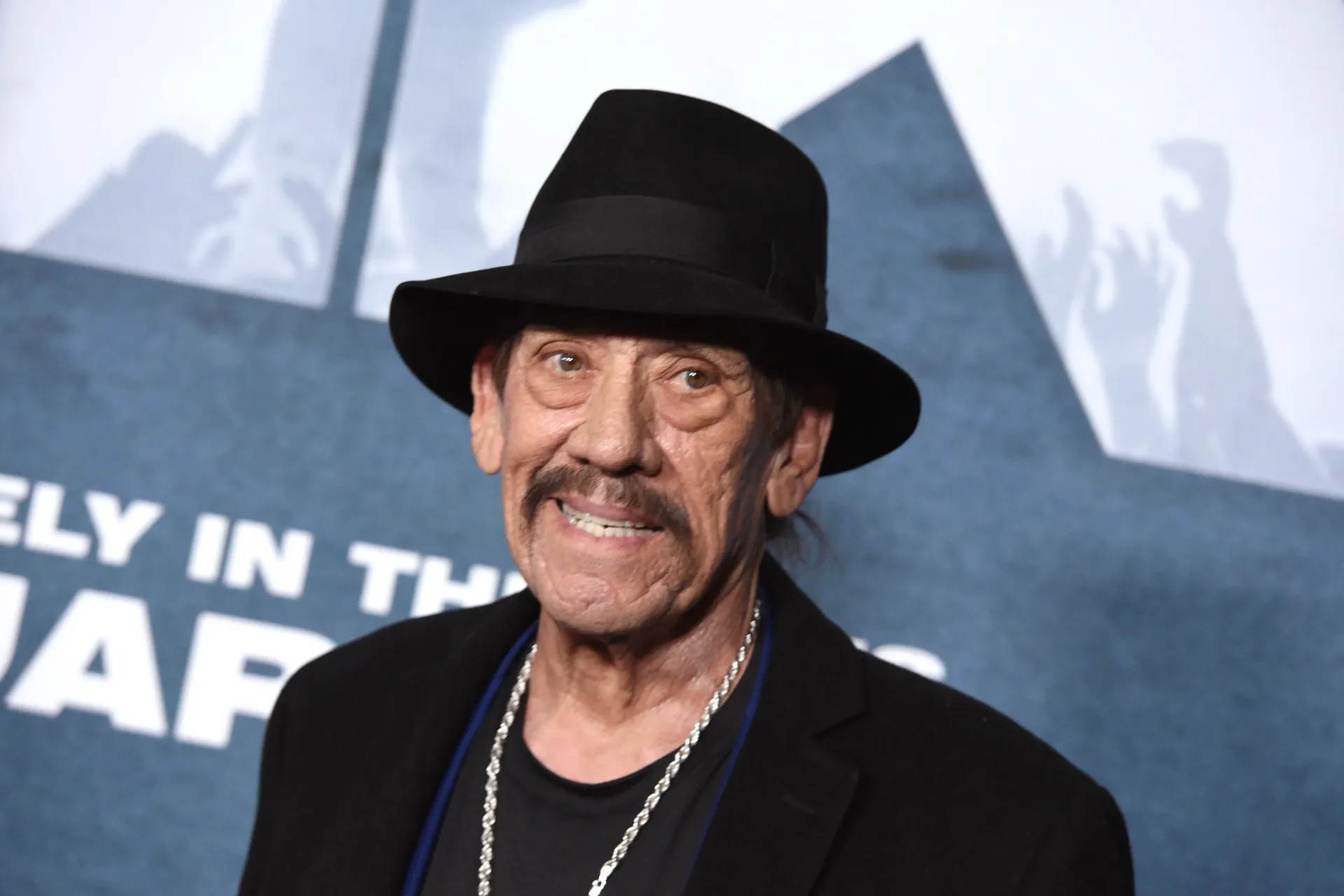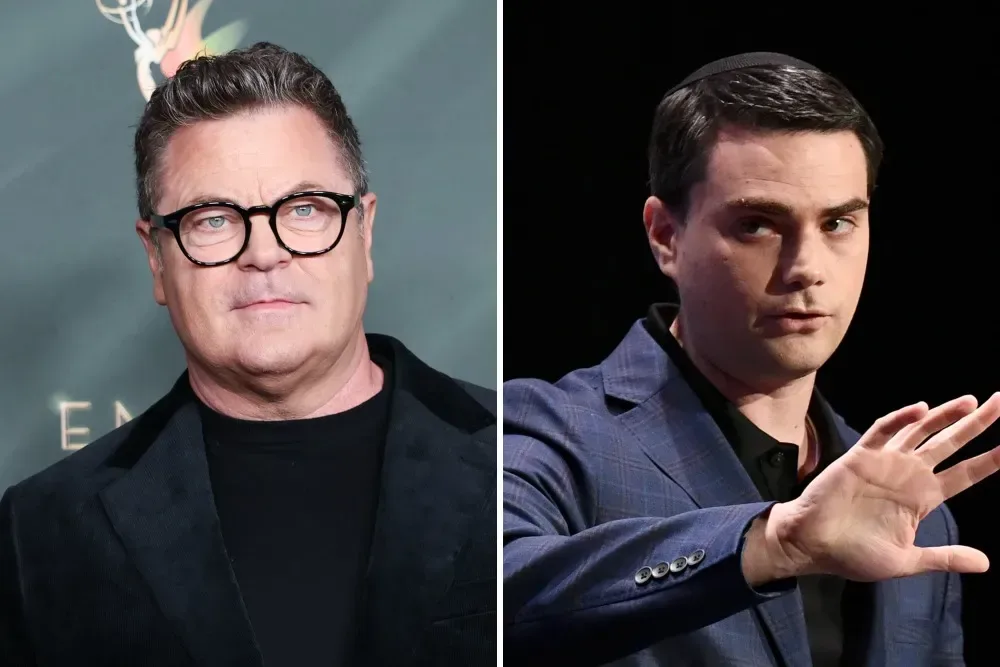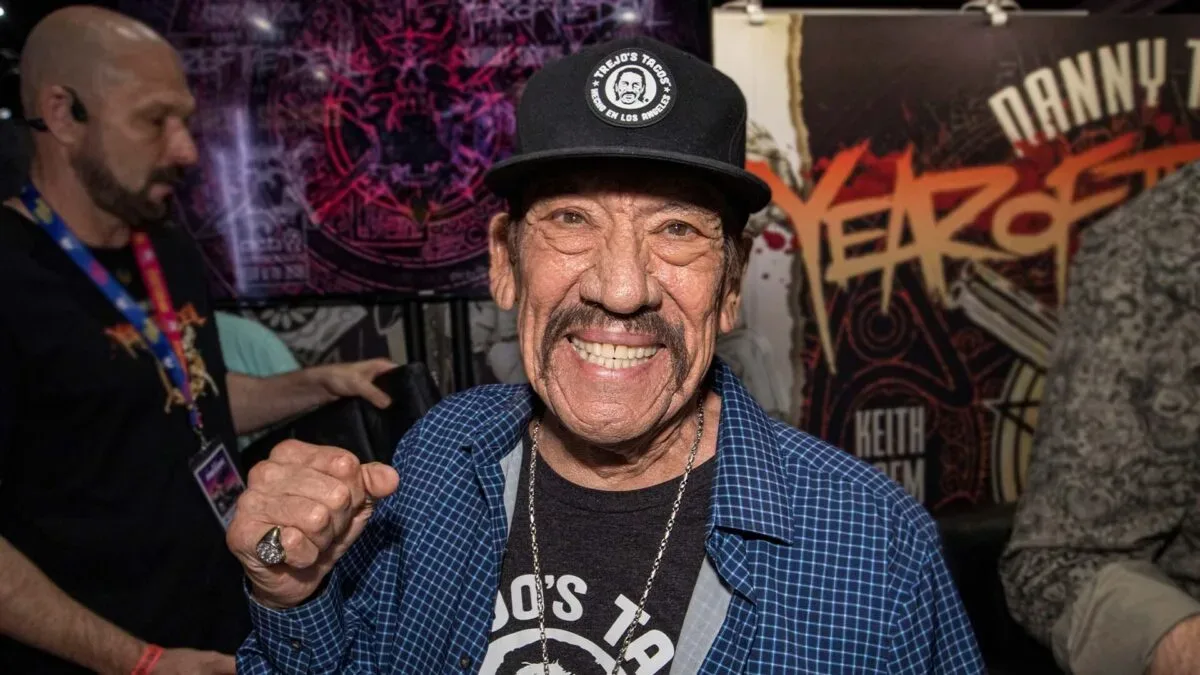
Danny Trejo’s involvement in the upcoming film Pawn Shop has prompted criticism because the project is tied to Ben Shapiro’s media company, The Daily Wire, and has been characterized as pro-ICE. But Trejo’s son, Gilbert Trejo, says the actor was not fully informed about the people and politics connected to the production when he agreed to take the part.
In a private Instagram story, Gilbert Trejo alleged that his father was initially presented a substantially different impression of the film: a complicated story set in a complicated moment, with Danny Trejo playing a hardworking Mexican shop owner seeking peace. Gilbert Trejo further claimed that the family did not learn of Shapiro’s involvement until roughly two weeks into filming.
Those are Gilbert Trejo’s allegations, not independently established details of the production. Still, they provide important context for a controversy that has often treated an actor’s credit on a film as definitive proof of his agreement with every political message, financial backer, or creative decision associated with it.
What Danny Trejo has said publicly
Danny Trejo addressed the reaction in an Instagram statement last week. He described himself as a proud Mexican and said he has always supported his community. He also made his position plain: he is pro-immigrant and not pro-ICE.
That public statement matters because the criticism concerns an issue with direct personal and political significance. Trejo is of Mexican descent and has been publicly identified as a Democrat. His statement does not resolve questions around Pawn Shop itself, nor does it tell audiences what the completed film will contain. It does, however, distinguish his stated beliefs from assumptions people may draw from his participation.
Gilbert Trejo’s account goes further, arguing that the actor is constrained by his agreement. He said his father could face legal consequences if he walked away from the project or spoke out against Shapiro and the film. No contract terms were provided in the available information, so the exact scope of any restrictions is unknown.
Why a contract can complicate a public controversy
Entertainment contracts can bind a performer to more than showing up for a shoot. Depending on the agreement, they may address confidentiality, publicity, promotional obligations, non-disparagement language, payment, scheduling, and what happens if either side ends the arrangement early. The relevant provisions in Trejo’s case have not been made public, and it would be wrong to presume their precise wording.
But the broader practical point is straightforward: an actor who believes a project was misrepresented may not have an easy, consequence-free exit after signing and beginning work. A performer can be professionally associated with a release even while disputing the circumstances that led to that association. The claim here is that Trejo was in precisely that position.
Related coverage includes Danny Trejo's Son Says Actor Was Misled About Ben Shapiro-Backed Film.
Gilbert Trejo expressed frustration that people had turned against his father before hearing what he called the full facts. In his view, the situation allowed Shapiro to gain attention while placing the reputational costs on Trejo and his family. That is an interpretation of the fallout, but it identifies the central dispute: whether audiences should judge Trejo’s involvement as an endorsement, or consider the allegation that he was not told the project’s key affiliations at the outset.
A familiar face to game audiences
The story also has a gaming connection because Trejo’s career extends beyond film and television. He has appeared in Grand Theft Auto: Vice City and Like a Dragon: Infinite Wealth, and has played himself in games including Call of Duty: Black Ops and Far Cry 6.
For game players, celebrity appearances can make a performer’s public identity feel especially immediate. A recognizable voice, likeness, or self-portrayal is not merely a name in a closing-credit crawl; it becomes part of a game’s atmosphere, marketing, and community conversation. That closeness can intensify both the praise and the backlash when a celebrity becomes connected to a political dispute outside the game industry.
It is nevertheless important to separate those appearances from the film controversy. There is no indication in the available information that Trejo’s gaming work is connected to Pawn Shop, The Daily Wire, Shapiro, ICE, or the claims raised by Gilbert Trejo. His game roles establish why the matter may be of interest to gaming audiences, not evidence for or against the claims surrounding the movie.
What remains unknown about Pawn Shop
The public information described here leaves several major questions unanswered. There are no disclosed contract provisions to assess. There is no detailed account from the production addressing Gilbert Trejo’s claims. And there is not enough information about the finished film to make definitive claims about every theme, scene, or intended message in it.
That uncertainty is worth preserving. “Pro-ICE propaganda” is a forceful characterization of the project, while Gilbert Trejo’s account is an allegation about how his father came to be involved. Both are part of the public argument around Pawn Shop; neither should be expanded beyond the evidence available.
For now, the clearest directly stated position belongs to Danny Trejo himself: he says he supports immigrants and does not support ICE. His son’s account asks audiences to weigh that statement alongside the possibility that a veteran actor entered the production without understanding its political and corporate context, then became unable to cleanly distance himself once work was underway.
The episode is also a reminder that screen credits do not always reveal the full chain of decisions behind them. In an era when casting news, social posts, and headlines travel quickly, the incentive is to make a clean judgment immediately. The facts currently available support a more careful reading: Trejo’s participation in Pawn Shop is real, his pro-immigrant statement is real, and his son alleges that the gap between those facts is explained by misleading information and contractual limitations.
Entertainment controversies increasingly reach game communities because performers, platforms, and audiences overlap so heavily. For another example of how television and popular culture developments intersect with broader fan communities, see our coverage of the new The X-Files series order.