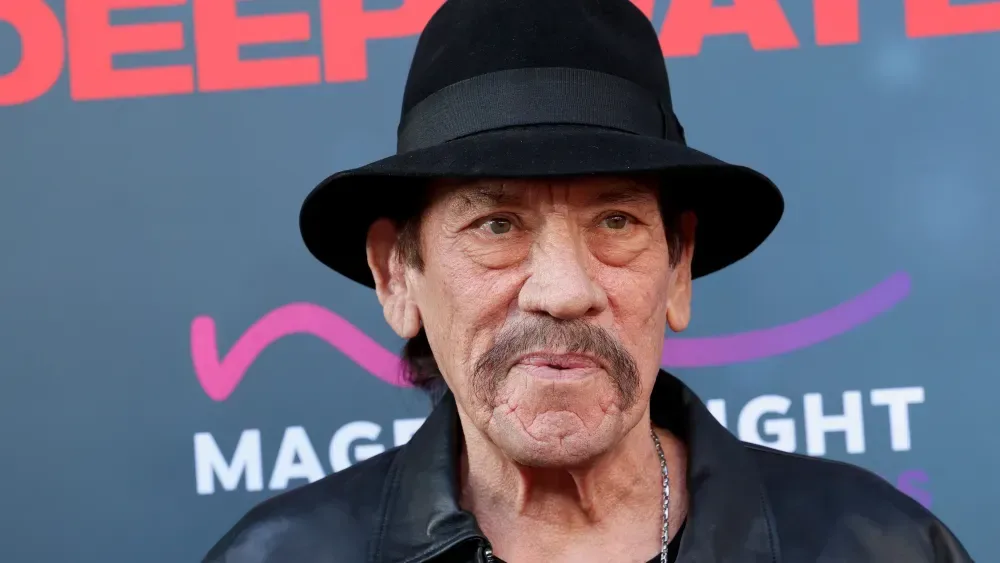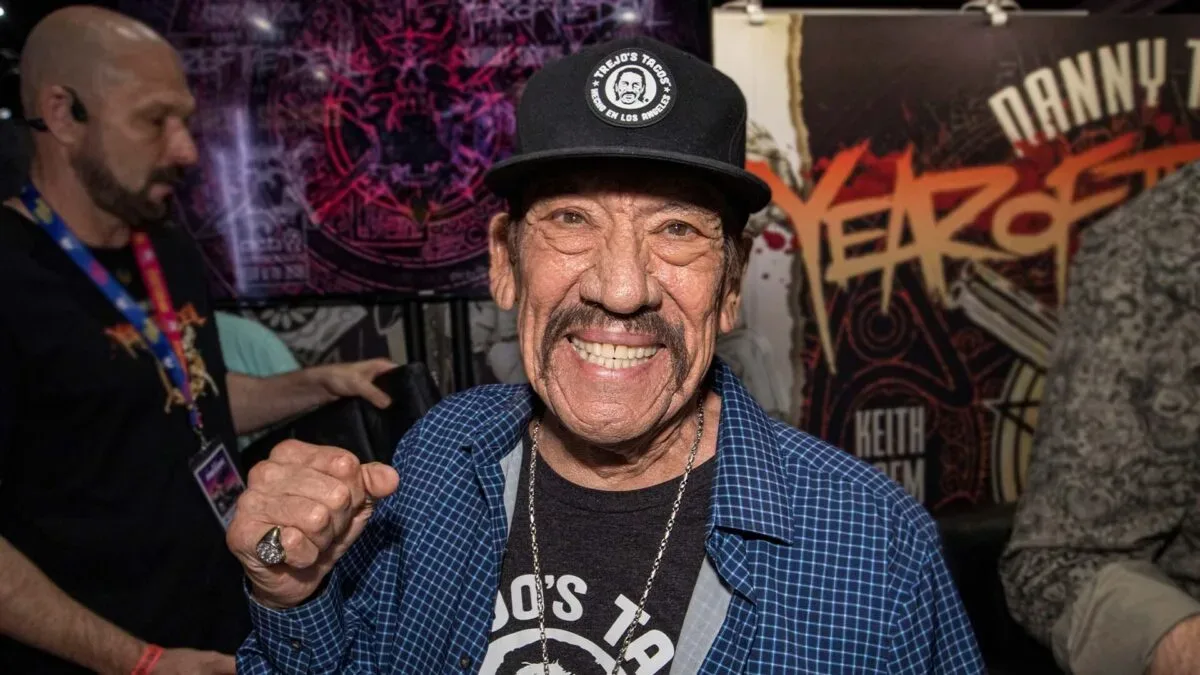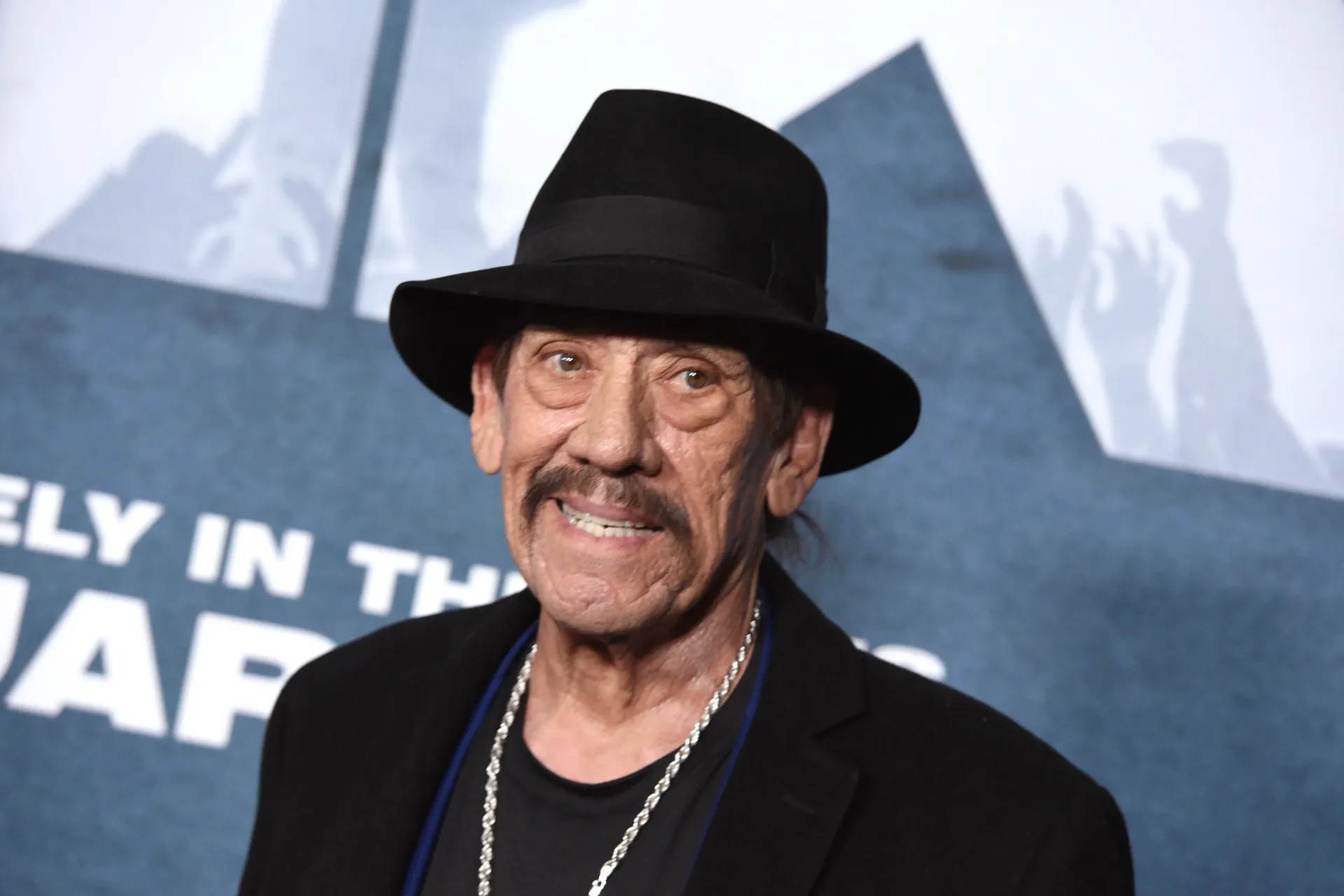
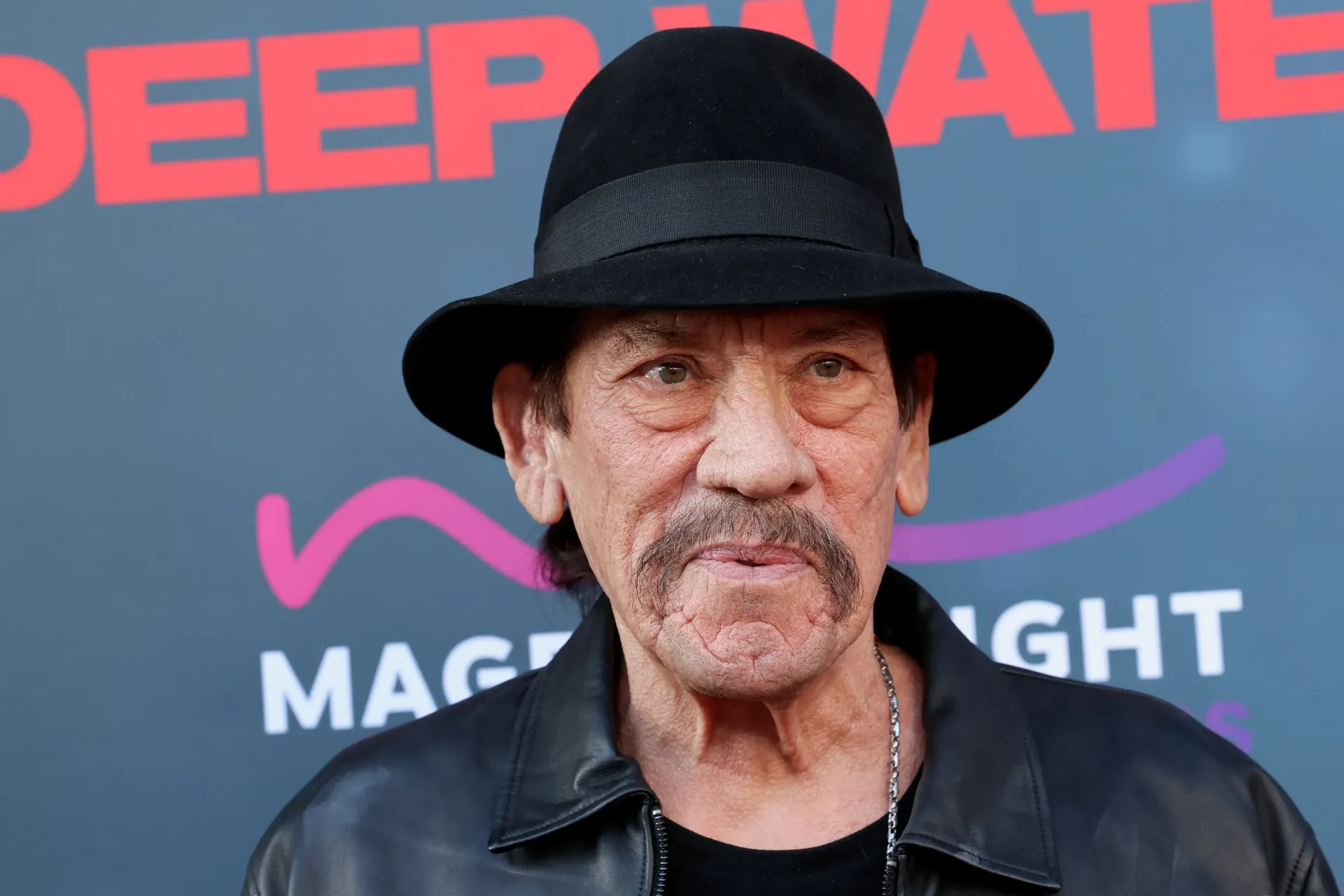
Danny Trejo says he attempted to leave Pawn Shop, an upcoming film connected to Ben Shapiro’s production company, but was told doing so would result in legal action. The actor’s account is an allegation, and no response from The Daily Wire is included in the available reporting.
Speaking after backlash over his participation in the project, Trejo said he tried to get out of the film and was told the company would “sue the hell out of me” if he did. He also indicated that he chose not to deliver a statement in the form he believed was being requested, instead changing its wording.
The dispute is notable not simply because a recognizable actor is attached to a politically charged production, but because it centers on the narrow space between an actor’s job, a signed agreement and the public’s assumption that appearing in a film amounts to an endorsement of its viewpoint. Trejo has publicly drawn a distinction between those things. In an earlier statement addressing the criticism, he described himself as pro-immigrant and said he was not pro-ICE, while stressing that acting means telling a story.
What Trejo is alleging
Trejo’s claim is that he sought to exit Pawn Shop and was warned of a potential lawsuit. His son, Gilbert Trejo, had previously made a related claim on Instagram, saying his father could not simply leave without facing a potential breach-of-contract case and was limited in what he could say publicly about Shapiro or the film.
Breach of contract is a legal term for failing to perform an obligation set out in an agreement. In a film context, contracts can govern matters including an actor’s services, schedule, publicity responsibilities and the consequences if either side fails to meet a commitment. But the available information does not disclose the terms of Trejo’s agreement, whether a lawsuit was formally threatened, or what rights and obligations the parties’ contract contains. It therefore cannot establish the merits of any hypothetical legal claim.
That distinction matters. “They could sue” and “they would win a lawsuit” are not the same proposition. A party may allege breach or threaten litigation; whether a claim would succeed depends on the specific contract and facts, neither of which is public here. Trejo’s comments describe his understanding of the situation, rather than providing a full account of the contractual dispute.
Why the casting became controversial
The controversy around Pawn Shop stems from both its premise and its association with Shapiro. The film’s logline describes a young ICE officer trying to complete an arrest alone after his partner is killed during a Minneapolis riot. The officer is pursued by a mob, then takes refuge in a neighborhood pawn shop with a Hispanic veteran and that man’s progressive college-age grandson. The conflict is framed as a struggle between the rule of law and destructive chaos.
ICE refers to U.S. Immigration and Customs Enforcement. It is an agency whose role in immigration enforcement has made it a major point of political debate. That context helps explain why the casting of Trejo, an actor who has identified himself as Mexican and pro-immigrant, drew such a strong reaction from some fans.
Related coverage includes Danny Trejo Says Daily Wire Threatened to Sue if He Left ‘Pawn Shop’.
The supplied material characterizes the film as pro-ICE. The logline itself clearly centers an ICE officer and presents the officer as a protagonist under siege, but a logline is marketing copy, not a complete film. It offers a useful indication of the story’s intended conflict and framing, while leaving important details of character, tone and eventual execution unknown.
Trejo’s earlier public response was direct: he said his participation should not be read as support for ICE. His point was not that audiences must agree with the film’s premise, but that performing a role does not necessarily communicate the actor’s personal political views. That is a familiar tension in entertainment, especially when a project is built around an issue with real-world stakes.
The question of when the cast learned about Shapiro
Gilbert Trejo said the cast did not learn of Shapiro’s involvement until two weeks into shooting. He also wrote that his father had not heard of Shapiro before the situation was explained to him. Those are claims from Trejo’s son, not independently detailed production records, but they are central to understanding why Trejo’s participation became a flashpoint after filming was already underway.
If cast members learn new information about a project after work has started, the practical options can be more constrained than they appear from the outside. Leaving can affect a production schedule, other performers and the work already completed. At the same time, contracts may set out remedies when a performer withdraws. None of that proves what happened in this case; it explains why a public call for an actor to “just quit” can collide with legal and professional realities.
It also does not erase the public dimension. Viewers are free to judge a performer’s choices, and performers may be expected to explain their involvement when the project’s subject matter or backers become controversial. Trejo has attempted to do that by separating his role from his views on immigration enforcement.
A broader dispute over participation and endorsement
Trejo is not the only actor facing criticism over working with Shapiro and The Daily Wire. Rob Lowe has also been criticized for agreeing to star in Confession, a film written by Shapiro and distributed by The Daily Wire. Lowe said his representatives were not enthusiastic about the decision, but argued that his career and past political work make clear that he is not an ideologue aligned to one side.
Lowe’s explanation differs from Trejo’s in important ways. Lowe presented his choice as consistent with a political identity that is not limited to one party. Trejo’s statements, meanwhile, focus on his pro-immigrant views, his rejection of being labeled pro-ICE and his assertion that he could not easily walk away from the production. Both episodes show the same modern pressure point: audiences increasingly evaluate not only a work itself, but also the companies, writers and political affiliations around it.
That scrutiny can be especially intense when the people involved have longstanding public identities. Trejo’s screen persona and public reputation have made him a recognizable figure to several generations of viewers, including audiences familiar with his work in Spy Kids. For a lighter example of how performers’ public-facing choices can become part of the conversation around a production, see our coverage of Emma Stone’s advice to Druski before hosting SNL. The circumstances are obviously very different, but they illustrate the degree to which entertainment news now treats creative participation, promotion and public perception as connected subjects.
What remains unconfirmed
Several key issues remain unresolved in the available material. There is no published contract for Trejo’s work on Pawn Shop, no public account of the precise discussions he says occurred, and no response from The Daily Wire to his allegation. It is also not clear whether Trejo completed his role, what language he says was changed in his statement, or whether any formal legal action has been filed.
Those unknowns should shape how the story is read. The confirmed public record here is that Trejo and his son have described serious contractual constraints, while Trejo has repeatedly stated that he does not support ICE and considers himself pro-immigrant. The alleged threat of litigation has not been independently adjudicated in the material provided.
For now, Pawn Shop has become a case study in the complications surrounding politically loaded film work. A casting credit can look like a statement of support to critics; an actor may instead see it as a professional commitment to portray a character; and a contract may determine how easily that commitment can be abandoned. Trejo’s allegation puts the last of those questions at the center of the conversation, but without the underlying agreement or a response from the company, the limits of his options remain unclear.