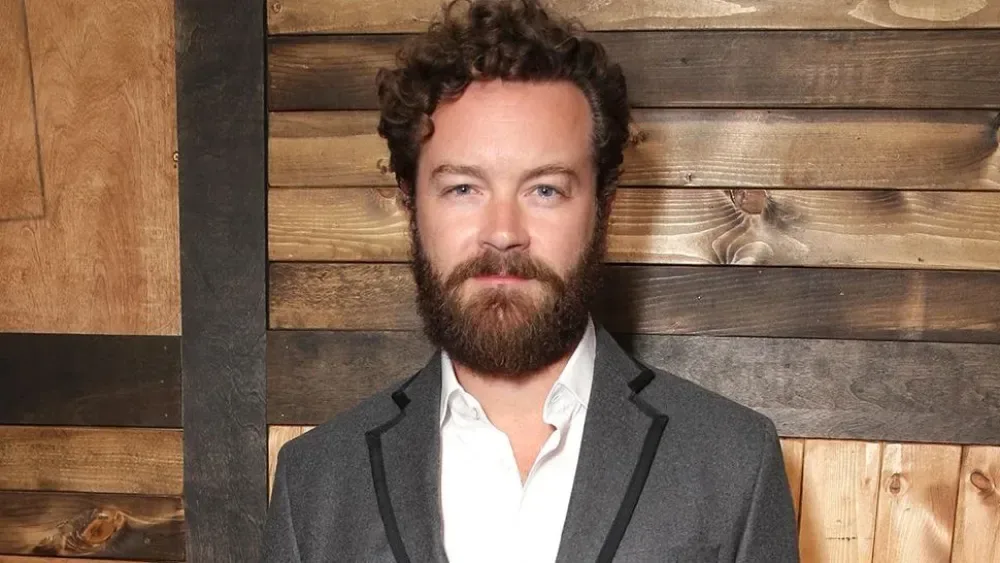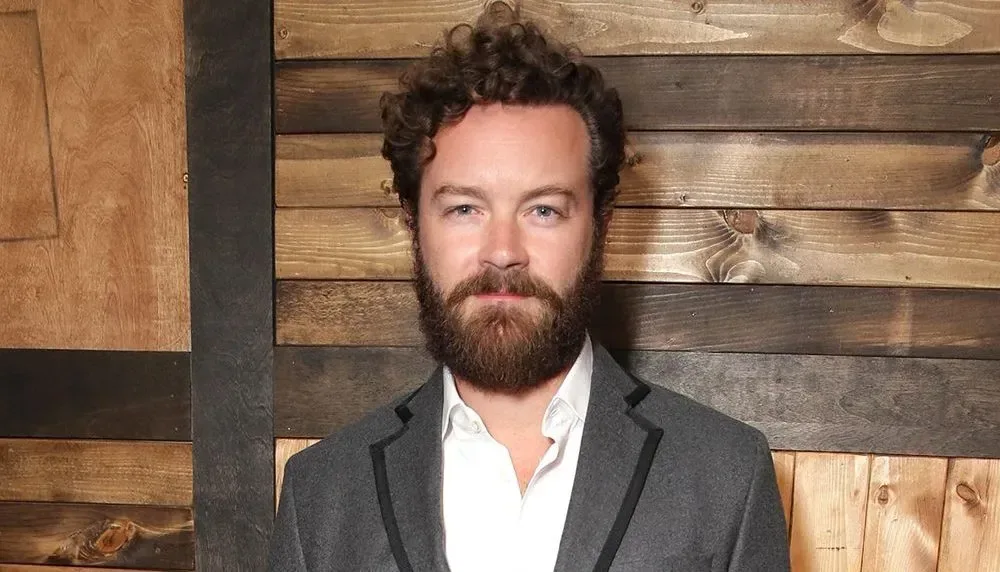
A California appeals court has upheld Danny Masterson’s 2023 rape convictions and 30-year prison sentence, rejecting the former That ’70s Show actor’s challenge in an 89-page decision.
The three-judge panel denied each argument presented on appeal. Its ruling also summarily denied a separate habeas corpus petition arguing that Masterson had not received an adequate defense. His appellate lawyers, Cliff Gardner and Eric Multhaup, have said they plan to seek review from the California Supreme Court while pursuing a separate habeas petition.
Masterson was convicted of raping two women at his Hollywood Hills home in 2003. Jurors did not reach a verdict on a third count involving a former girlfriend’s allegation of rape in 2001. The appellate decision leaves the convictions on the two counts, and the 30-year sentence, in place.
The central dispute over Scientology evidence
A major part of the appeal concerned evidence and testimony about Scientology. The women involved in the case belonged to the church at the time and later left it. At trial, the prosecution’s position was that their reporting of the alleged assaults was delayed in part by fear of retaliation for violating a church rule against going to police.
Judge Charlaine Olmedo allowed a former Scientologist to give expert testimony about the religion’s beliefs and practices. Masterson’s lawyers argued that this evidence, along with remarks and rulings by Olmedo, improperly involved the court in questions of religious doctrine and showed bias against Scientology. They maintained that the cumulative effect infringed Masterson’s First Amendment rights.
The appeals panel disagreed. It found no hostility toward Scientology and no departure from judicial neutrality in the judge’s statements. Crucially, the panel drew a line between assessing a religion’s truth claims and admitting evidence about the practical context alleged to have affected witnesses’ actions.
“The jury in this case was not asked to determine the truth or falsity of Scientology doctrine or beliefs,” the court wrote.
That distinction was central to the ruling. The panel concluded the evidence was admitted for specific purposes connected to the case—not to ask jurors whether religious teachings were correct or incorrect. On that basis, it found that allowing the Scientology evidence did not violate the First Amendment.
Related coverage includes Danny Masterson’s Rape Conviction and 30-Year Sentence Upheld on Appeal.
What an appeal examines—and what it does not
An appeal is not ordinarily a fresh trial. Appellate judges generally review the legal process used by the trial court: whether the judge applied the law properly, whether contested evidence should have been admitted, whether instructions and rulings were legally sound, and whether an error affected the outcome.
That framework matters here. The panel did not conduct a new weighing of all testimony in the manner of a new jury trial. Instead, it addressed the legal arguments made by the defense, including the claims about religious evidence, the statute of limitations, and other evidentiary decisions. The court rejected those arguments.
The statute of limitations is the legal deadline for bringing criminal charges. Masterson’s appeal included an argument involving that issue, but the panel rejected it along with his other claims. The decision as described does not erase the distinction between the count that resulted in no verdict and the two counts that produced convictions: the appellate ruling concerns the convictions that were entered and the sentence attached to them.
Why the religious-evidence question was significant
Courts must be careful when cases involve faith, religious organizations, or religious practices. The First Amendment protects religious exercise and prevents the government from deciding which beliefs are true. At the same time, religious context can sometimes be relevant evidence in a criminal case when it helps explain conduct, relationships, motivations, or delays in reporting.
The appellate panel’s reasoning focused on that boundary. It held that jurors were not being asked to rule on Scientology itself. Rather, the evidence was used to provide context for the prosecution’s account of why the women allegedly did not report the incidents immediately or identify them as rape at the time.
That is also why the appellate judges rejected the defense claim that the trial court had improperly interpreted church doctrine. The decision does not purport to settle theological questions. It affirms the trial court’s determination that evidence about beliefs and practices could be considered for a limited, case-specific evidentiary purpose.
Other grounds rejected by the panel
The panel also rejected Masterson’s separate claims concerning the statute of limitations and evidentiary rulings. Evidentiary rulings are trial-court decisions about what material a jury may hear or see. Such challenges can be important on appeal, but a defendant typically must show not only that a legal error occurred, but also that it mattered to the verdict under the applicable review standard.
In this case, the appellate court found no basis to reverse the judgment on the arguments before it. Its separate summary denial of the habeas petition means that challenge did not change the result at this stage either.
A habeas corpus petition is a legal process through which a prisoner can challenge the legality of detention. It may raise issues that differ from, or sit alongside, a direct appeal, including claims concerning the adequacy of legal representation. The defense has indicated that it will continue pursuing that route even as it asks the California Supreme Court to review the appellate decision.
What happens next
The defense’s stated plan does not mean that review by the California Supreme Court is automatic. Seeking review is the next procedural step identified by Masterson’s attorneys; whether that court takes up the case is a separate question. For now, the appellate court’s ruling leaves the 2023 convictions and 30-year sentence intact.
Gardner said the defense maintains that Masterson is imprisoned for crimes he did not commit. That is the defense position, while the current legal status is that the convictions and sentence have been affirmed on appeal.
The case remains part of a wider entertainment-industry conversation about accountability, legal process, and the gulf between public association with a television role and the separate consequences of a criminal conviction. Readers following developments across Los Angeles television production can also find local industry context in this report on a production-assistant training program for L.A. students.