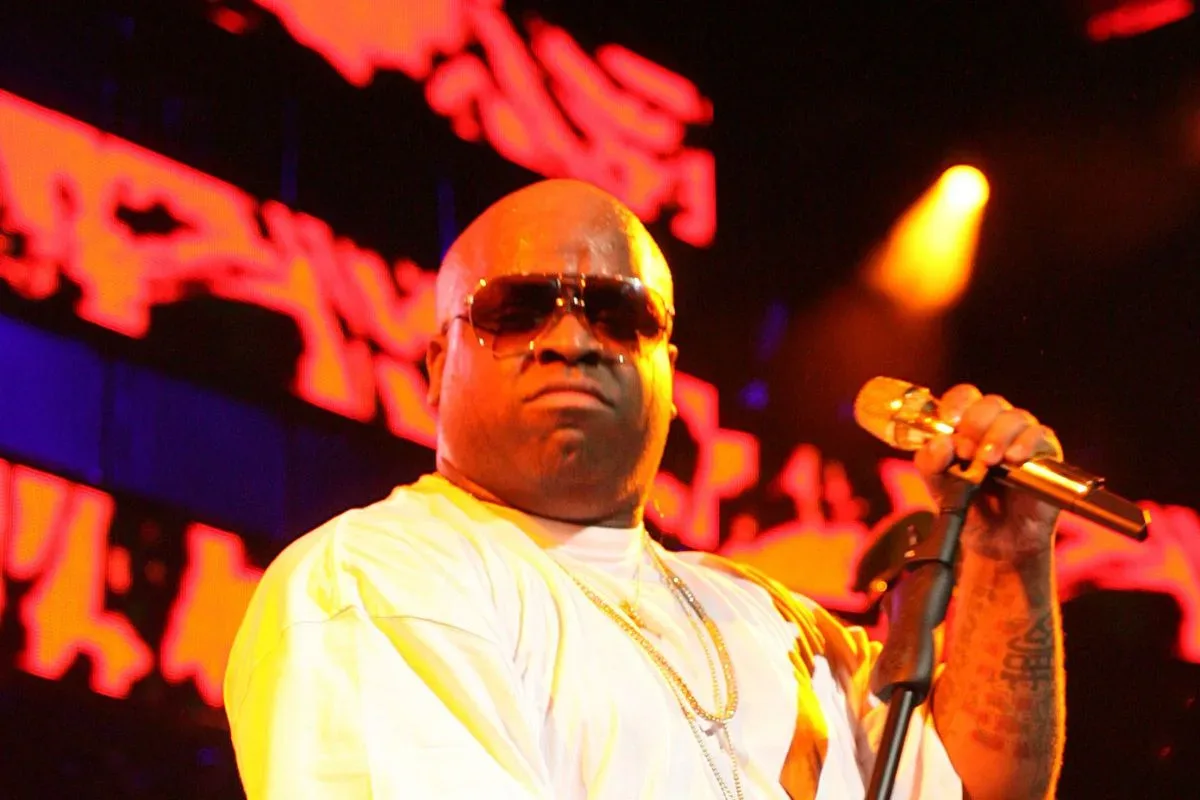

Daniel Caesar has canceled seven scheduled arena concerts in Australia and Hawaii, saying the Son of Spergy dates are off “until further notice” because of health reasons. The message confirms the cancellation, but does not identify a condition, provide replacement dates or say whether the run will eventually be rescheduled.
That lack of a new schedule leaves ticket holders with a more immediate question than a tour-setlist debate: how and when their money will be returned. The answer differs between the Australian dates and the two Honolulu shows, because the relevant ticketing services have published separate refund processes and estimated timeframes.
The affected shows were due to begin in Sydney on November 5, only days after the cancellation became public. Caesar had two dates scheduled at Afterpay Arena in Sydney, on November 5 and 6; two at Melbourne’s Rod Laver Arena, on November 8 and 9; and one at Brisbane Entertainment Centre on November 12. Honolulu’s Neal S. Blaisdell Arena was to host concerts on November 14 and 15.
What Daniel Caesar said — and what remains unknown
Caesar’s notice described the Australia and Hawaii shows as canceled until further notice for health reasons. That is the full public explanation currently available in the supplied information. It is important not to turn that brief statement into a diagnosis, a prediction about his recovery, or a promise of rescheduled concerts. None of those details have been provided.
“Until further notice” is also not the same as an announced postponement. In practical ticketing terms, an event can be canceled now even if an artist or promoter later elects to arrange new dates. Until a replacement show is formally announced, consumers should treat their current tickets as canceled and follow the refund instructions issued for the original purchase.
The timing has produced understandable frustration among people who had planned around the shows, particularly the Sydney dates. Public replies included complaints that the decision came too close to showtime, while another commenter pointed to an alleged past cancellation. Those remarks reflect individual reactions rather than verified accounts of a broader history, but they illustrate why late notices can have consequences beyond the ticket price: travel, accommodation, time off work and coordinating with friends can all be difficult to unwind.
At the same time, a health-related cancellation is not an invitation for outsiders to demand private medical information. Fans can reasonably seek clear logistics and timely updates while recognizing that Caesar has not publicly disclosed the nature of the health issue.
Australia: automatic refunds, with a few exceptions to check
For Sydney ticket holders, Ticketek said tickets, including refundable-ticket purchases where applicable, will be refunded automatically in full to the original method of payment. The company estimated that most refunds should arrive within five business days, although some may take as long as 20 business days.
Related coverage includes Daniel Caesar Cancels Seven Australia and Hawaii Arena Dates for Health Reasons.
That “original payment method” language matters. A refund normally returns to the card, account or other payment route used for the initial transaction, rather than automatically being redirected to a new card or the person who now possesses a transferred ticket. People whose cards have expired or whose banking details have changed may need to watch for communication from their provider and avoid assuming a refund has failed before the stated window has passed.
Ticketek gave special instructions for customers who purchased through an agency or used a gift voucher: they must submit bank details through Ticketek’s official page by November 17. Buyers in either group should act before that deadline, use the official ticketing account or notice rather than links shared in social posts, and retain their order confirmation until the refund has landed.
A sensible checklist for Australian buyers
- Confirm which show and order number are attached to the purchase.
- Check the payment method used when the order was placed.
- Allow the stated five-business-day estimate, while noting that some refunds may take up to 20 business days.
- If the ticket was acquired via an agency or gift voucher, submit the requested bank details through Ticketek’s official process by November 17.
- Keep confirmation emails and screenshots of the cancellation notice until the matter is resolved.
Customers should be especially cautious of messages claiming that an additional fee is needed to “unlock” a refund. The stated process is a full refund to the original payment method for eligible direct purchases, not a request for a new payment. Using a ticketing company’s official account area is the safer route when checking status or supplying information.
Honolulu: Ticketmaster lists both concerts as canceled
The November 14 and 15 Honolulu events are listed as canceled through Ticketmaster. Its notice for the November 15 event says refunds will be processed after it receives funds from the organizer, with an expected timeframe of 14 to 21 days.
That wording means the countdown described by Ticketmaster is tied to the ticketing process receiving organizer funds, rather than necessarily beginning at the exact moment a customer sees the event marked canceled. It is a useful distinction for fans deciding when to escalate an unresolved refund: the published estimate is not simply an instant guarantee on the date of cancellation.
Ticketmaster also addresses a particularly important issue for transferred tickets. If a ticket was transferred to another fan, the refund is issued to the person who originally bought it through Ticketmaster. Possession of a transferred ticket does not itself make the recipient the refund recipient under this policy.
For friends who split the cost of a purchase, or for people who received tickets as a gift, that can create an awkward but simple administrative reality: the original purchaser needs to receive the refund and then settle up privately with the recipient. Keeping communication clear between the original buyer and the ticket holder will help avoid confusion while the refund is pending.
Why a cancellation notice does not settle every cost
A ticket refund resolves the ticket transaction, but it may not automatically cover related spending. The supplied refund notices address admission purchases; they do not promise reimbursement for flights, hotels, parking, meals or other personal travel arrangements. Fans with separate bookings should review the cancellation terms that apply to those purchases rather than assume the concert ticket refund extends to them.
This is one reason that prompt, precise official notices matter so much. “Canceled,” “postponed” and “rescheduled” are not interchangeable labels. A cancellation normally triggers a refund route for the event ticket. A postponement generally means the event is still intended to happen at a later date, often leaving existing tickets valid. A reschedule is a confirmed new date. Here, the information available identifies the dates as canceled until further notice, without replacement dates.
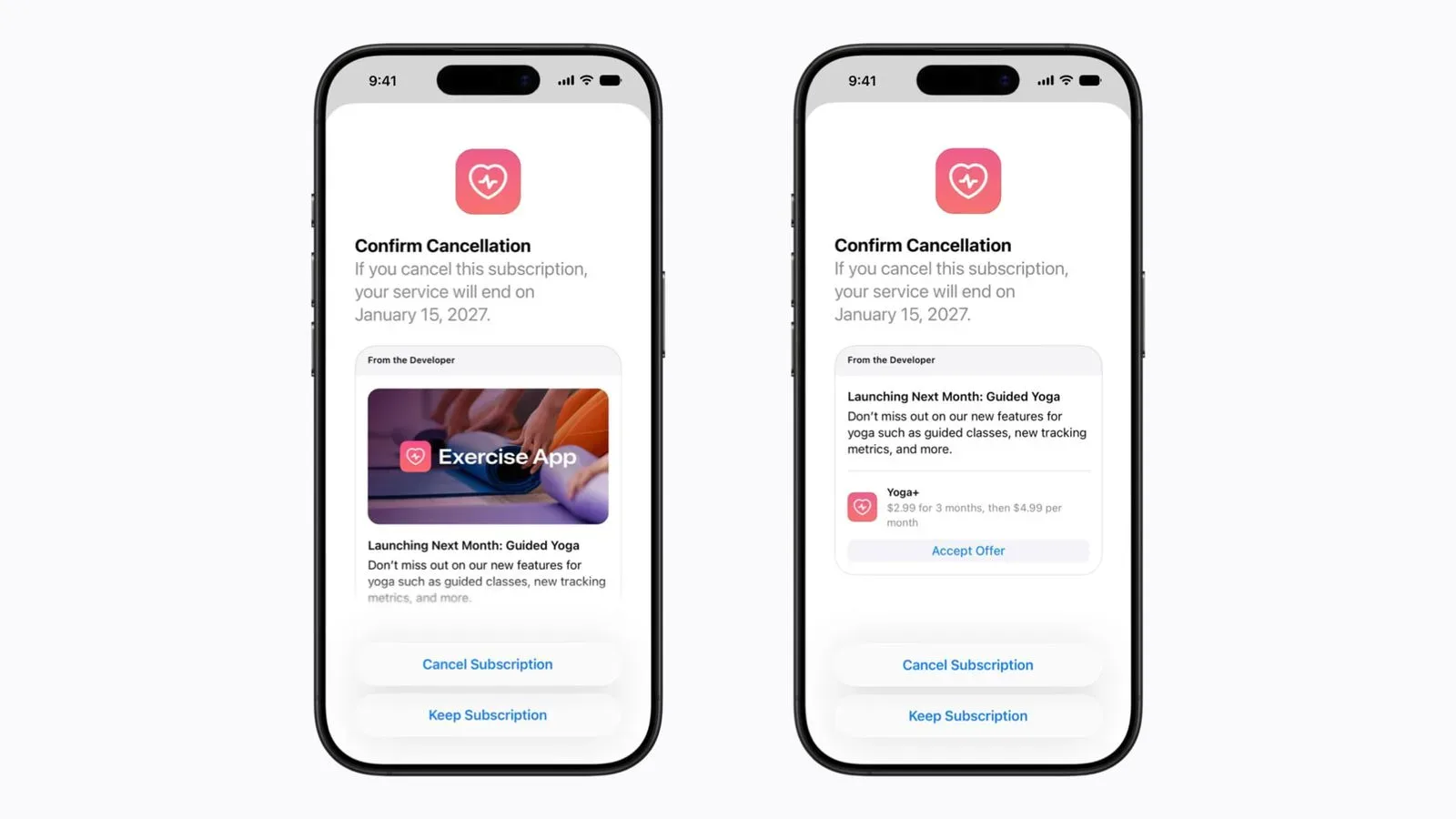
The mechanics can feel unglamorous next to the disappointment of losing a concert, but they are the part most likely to determine what a ticket holder needs to do next. This is also why consumers benefit from watching official seller notices rather than relying on screenshots or reposts. As digital services increasingly make account and cancellation flows more prominent — a trend seen in areas beyond ticketing, including subscription cancellation design — the underlying rule remains straightforward: use the provider’s authenticated channel before entering payment or bank details.
The canceled run followed an earlier festival withdrawal
The arena cancellations follow Caesar’s withdrawal from Johns Hopkins University’s Hoptoberfest. That earlier withdrawal was attributed to unforeseen circumstances, and Cardi B ultimately headlined the event after it moved from October 31 to November 1. Caesar’s booking had been announced on October 19; tickets sold out on October 21, with hundreds of students joining a waitlist. Existing tickets remained valid for the replacement event.
That situation had a different outcome for attendees: a replacement headliner performed and existing tickets carried over. The Australia and Hawaii dates currently have no comparable replacement or revised date attached to them. The contrast is a reminder that every live-event disruption has to be read through its own official status and ticket terms rather than through assumptions based on a previous show.
The now-canceled arena run was announced in August and was connected to Caesar’s fourth album, Son of Spergy, released in October 2025. He previously toured Australia in 2023, playing locations including the Sydney Opera House Forecourt and Melbourne’s Sidney Myer Music Bowl. The 2026 itinerary would have marked a larger arena-scale Australian outing, making the abrupt loss of the dates particularly disappointing for fans who had been anticipating the run.
What fans should watch for next
For now, the confirmed facts are limited: seven dates are canceled, the stated reason is health-related, and no replacement shows have been announced. Ticket holders should monitor Caesar’s official channels and the ticket company that handled their purchase for any future update, but should not treat rumor, fan posts or unauthenticated messages as a new date or a refund instruction.
Australian direct purchasers can expect an automatic refund process, subject to the stated timelines. Agency and gift-voucher customers have an additional bank-details requirement and a November 17 deadline. Honolulu buyers should allow for Ticketmaster’s stated 14-to-21-day process after organizer funds are received, and transferred-ticket recipients should remember that the original Ticketmaster purchaser receives the refund.
The disappointment is real, especially for people facing a cancellation on the eve of a show. But with no new dates confirmed, the clearest practical move is to secure the refund, preserve all records and wait for an official announcement before making plans around a potential return.