Gnarls Barkley’s planned November run, the To Whom It Still Concerns Tour, has been canceled before its first scheduled performance on November 5 at The Masonic in San Francisco. The cancellation affects the full itinerary, including dates in Los Angeles, Atlanta, Detroit, Boston, Silver Spring, Toronto, New York and Chicago.
For fans holding tickets, the immediate practical issue is the refund process. The notice attached to the San Francisco date says purchasers do not need to do anything to begin it. Buyers have been told to expect refunds within 14 to 21 days. Anyone who purchased through a different seller or resale channel should carefully check the terms attached to that purchase, since the no-action instruction specifically concerns the listed ticketing notice.
Every scheduled stop is marked canceled
The tour had been announced as a nine-city North American run and promoted as Gnarls Barkley’s first tour in 18 years. The schedule ultimately included an additional New York performance beyond the initial itinerary, making the canceled slate broader than the original city count alone suggests.
- November 5 — The Masonic, San Francisco
- November 7 — The Wiltern, Los Angeles
- November 10 — Coca-Cola Roxy, Atlanta
- November 13 — Detroit
- November 15 — Boston
- November 19 — Silver Spring, Maryland
- November 22 — HISTORY, Toronto
- November 24 and November 25 — Irving Plaza, New York
- November 28 — House of Blues, Chicago
The ticket listings for those stops show canceled status. Gallant had been listed on the first four dates, while Duckwrth was listed for the remaining November shows. The cancellation therefore disrupts not just the billed headlining performances but also the supporting artists’ scheduled appearances on the route.
No public explanation has been provided
A reason for the cancellation has not been publicly explained by Gnarls Barkley or promoter Live Nation. That absence matters because it leaves a firm boundary around what can responsibly be said: the dates are canceled and refunds are expected, but the circumstances behind the decision are unknown.
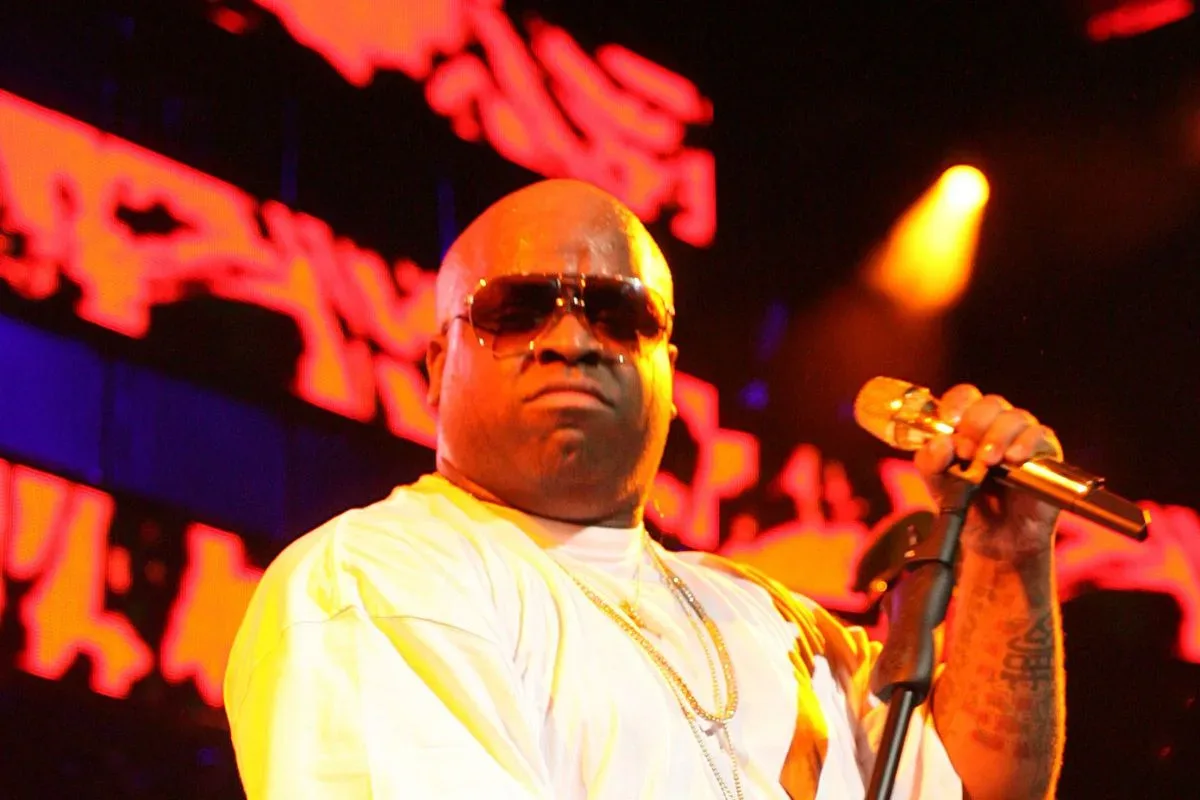
It is especially important not to treat the group’s unusual live billing arrangement as a confirmed explanation. Before the tour was canceled, a representative for Danger Mouse had clarified that he was never expected to perform on the dates. CeeLo Green had permission to use the Gnarls Barkley name for the shows. That arrangement was known ahead of the cancellation, not a newly revealed development attached to it.
In other words, “Gnarls Barkley” on the tour poster did not necessarily mean the project’s two core members would appear together onstage. The act is associated with Green and producer Danger Mouse, but the intended concert presentation was to have Green perform under the group name without Danger Mouse joining the live lineup. The available information does not establish whether that setup had any connection to the decision to cancel.
What ticket holders should do now
The most useful next step is straightforward: retain the original confirmation email, order number and payment records, then watch the email account used for the order. Where the ticketing notice says no action is required, initiating duplicate requests too early may only create confusion. The stated refund window is 14 to 21 days, so buyers should allow that period before escalating an unresolved refund through the point of purchase.
Related coverage includes Gnarls Barkley Cancels November Tour, Refund Timeline Set.
That distinction between the point of purchase and the venue is worth noting. A point of purchase is the company or platform that processed the original ticket transaction. It may be the primary ticket seller, a venue box office, or another authorized channel. A buyer using a resale marketplace may have a separate process governed by that marketplace’s policies. The cancellation itself does not automatically tell a customer which company holds the responsibility for disbursing their particular refund.
Travelers also need to separate ticket refunds from other costs. The available cancellation information concerns tickets; it does not promise reimbursement for flights, hotels, meals, ground transportation or other independently booked plans. Those arrangements need to be reviewed under their own cancellation, change or travel-protection terms.
- Check the ticket account and purchase email for the cancellation notice.
- Confirm which seller processed the original order.
- Keep digital and payment documentation until the refund has posted.
- Allow the stated 14-to-21-day period for the ticket refund.
- Review separately booked travel and accommodation policies independently.
The canceled shows followed a recording reunion
The tour was connected to a renewed period of activity for Gnarls Barkley. The project’s album Atlanta was presented as the pair’s third and final album, announced for release on March 6, 2026 through 10k Projects and Atlantic Records. It was described as a 13-track project led by “Pictures.”
Atlanta would follow The Odd Couple, released in 2008. That gap helps explain why a tour billed as Gnarls Barkley’s first in 18 years carried particular weight: it suggested a rare opportunity for audiences to engage with the name in a live setting after a long absence, even if the proposed staging was not designed as a full onstage reunion of Green and Danger Mouse.
“Pictures” was tied to Green’s recollections of riding Atlanta trains alone after his middle-school principal sent him home early on Fridays. That personal framing places the new material in an Atlanta-centered context. It does not, however, clarify the status of the canceled concerts or provide a public reason for their removal from the calendar.
Why the distinction between a group name and a touring lineup matters
For audiences, a band or project name often works as shorthand for a familiar creative partnership. Live billing can be more complicated. A recording act may be represented onstage by one core member, a changing live ensemble, or an authorized performer operating under the group’s name. The decisive information is the announced lineup and, when available, explicit clarification from the parties involved.
Here, Danger Mouse’s planned absence had already been clarified before the tour’s cancellation. Green’s authorization to perform as Gnarls Barkley establishes that the proposed shows were not presented as an unauthorized use of the name. It also means ticket holders should avoid conflating two separate facts: the project had a two-person identity, while the planned concert format was centered on Green.
That nuance is relevant to fan expectations, but it should not be turned into a theory about why the tour was pulled. With no public explanation, the responsible reading is limited to the confirmation that every listed November date has been canceled and the ticket refund process is underway.
What remains unresolved
The canceled tour leaves several questions unanswered, including why the dates were canceled so close to the scheduled San Francisco opener and whether any future live plans will be announced. Nothing in the available details establishes a replacement schedule, a rescheduled date, or a different live configuration.
For now, the clearest information is administrative rather than artistic: the November itinerary is off, ticket purchasers are due refunds, and the expected processing period is 14 to 21 days. Fans looking for other music coverage can also find our report on Drake’s 11 simultaneous Billboard 200 albums.