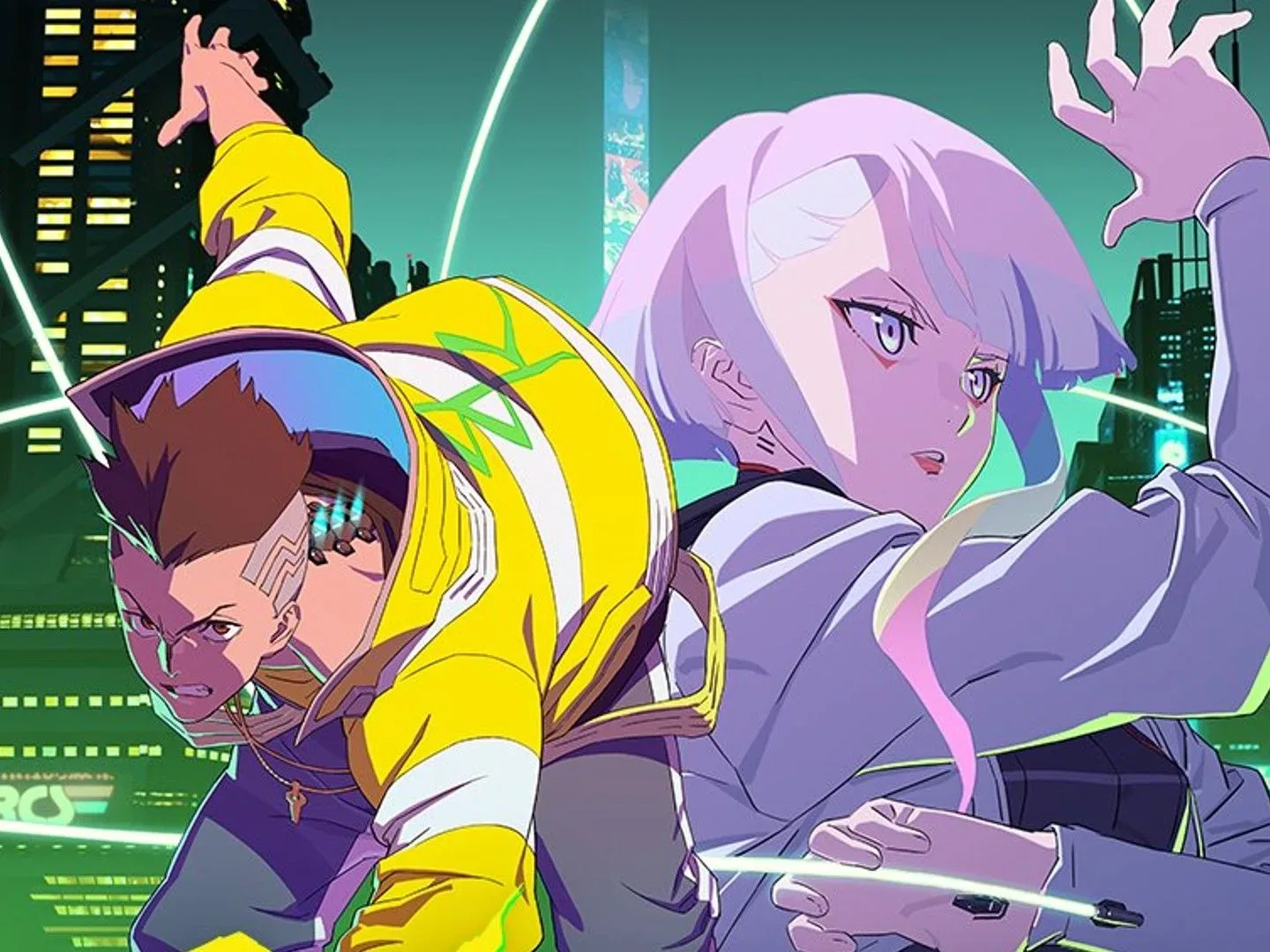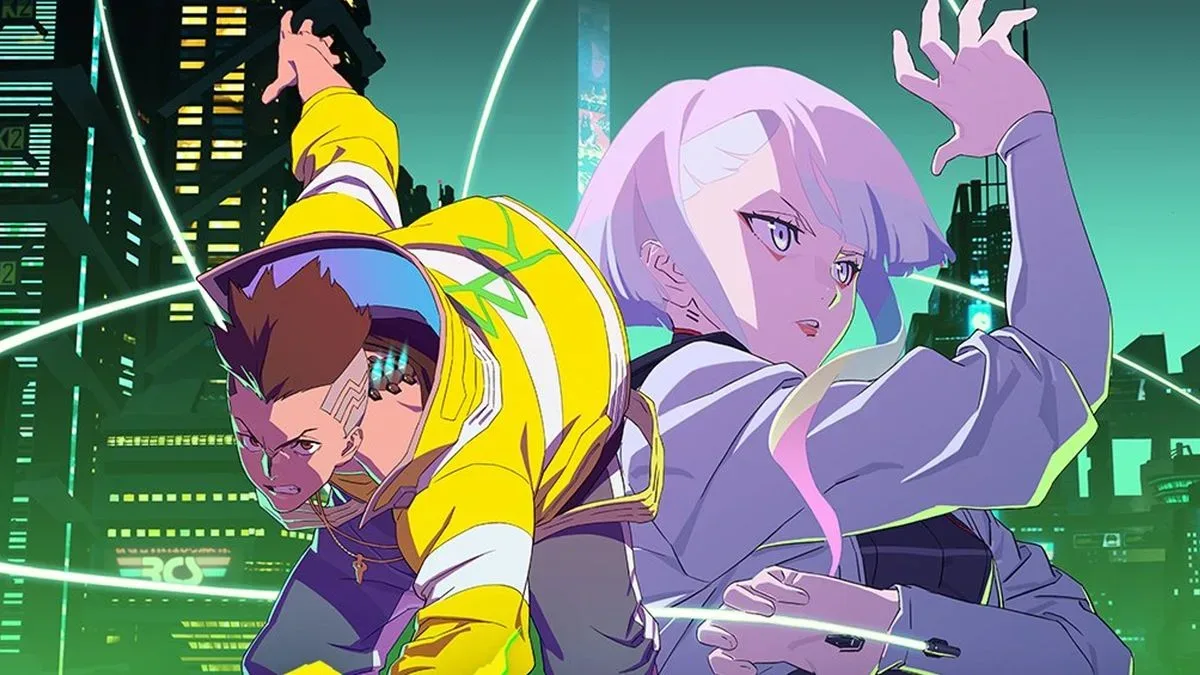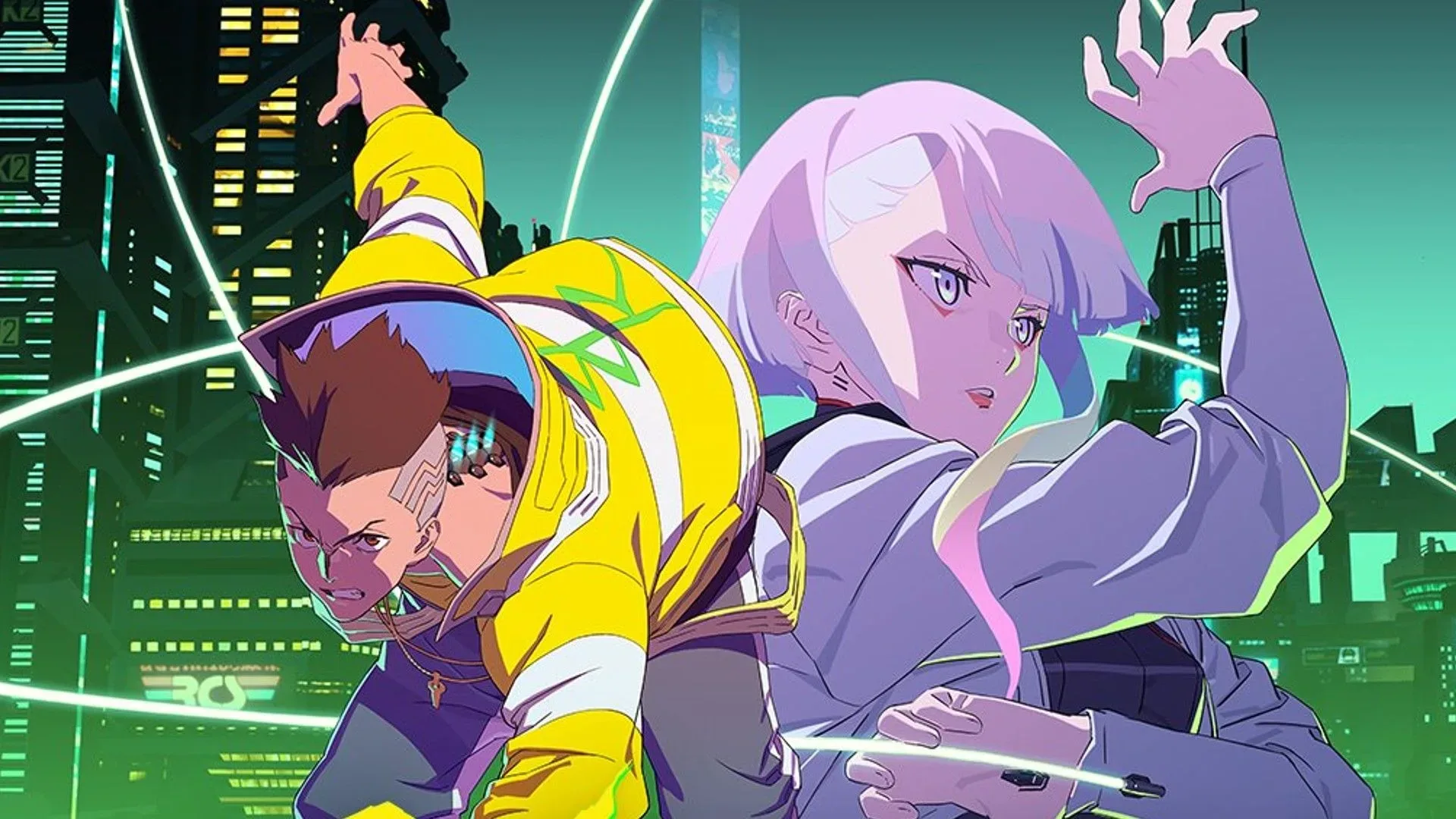
Cyberpunk: Edgerunners Season 2 does not reverse David’s fate. The character is dead, and CD Projekt Red had made clear before the new season that his story was over. Yet the series still chooses to invoke him at a crucial point, tying his name to one of Night City’s larger corporate threads. That distinction matters: a reference is not a resurrection, but it can make a finished character’s story feel more consequential.
Creator Bartosz Sztybor has explained that David’s presence in the Season 2 ending is intended to establish points of comparison between him, D., and other characters. It is also meant to demonstrate that the two seasons share a wider framework. As Sztybor puts it, the connection is there to show the “similarities – or differences” among the characters and to establish that there is “a much bigger picture” behind both stories.
David’s return is thematic, not literal
For viewers who took the advance message at face value, David’s name appearing in Season 2 may initially sound like the opening move in a comeback story. The available information points elsewhere. The character remains dead; Season 2 uses the memory, record, and significance of David rather than changing the outcome of his arc.
That is an especially useful storytelling distinction in a franchise world. A dead character can still influence events through their reputation, the systems that tracked them, the people who remember them, or the evidence they left in an institution’s files. None of those devices requires the character to return as an active participant. In this case, the new material positions David as part of a larger Night City pattern rather than as a surprise survivor.
Season 2 specifically connects David to a major corporate conspiracy through D.’s ending material. He is also listed among several candidates connected with Arasaka’s Capri testing. The candidates seemingly include female V. The wording is important: the material creates a link between names and an Arasaka project, but it does not, by itself, spell out every answer about the project, its candidates, or its ultimate role in the wider story.
“Corpo” is the series’ shorthand for the corporate power structures that loom over Night City. Arasaka is central to that kind of power in the Cyberpunk setting, so tying David to Arasaka testing raises the scale of the revelation beyond a sentimental callback. It suggests his story can be read alongside other people caught in, assessed by, or affected by systems much larger than any individual edgerunner.
Why the connection matters for Season 2
Sztybor’s explanation gives the reference a clear narrative job. It is not simply a signal intended to remind viewers that Season 1 existed, and it is not confirmation of a separate David continuation. Instead, it creates continuity between the seasons while leaving room for contrasts.
Those contrasts may be as meaningful as the similarities. David and D. can occupy connected positions in the larger Night City picture without having the same journey, choices, or outcome. Mentioning David establishes a point of reference that the audience already understands. The new season can then ask viewers to notice where D. follows a familiar path and where the character diverges.
Related coverage includes Cyberpunk: Edgerunners Season 2 Connects David's Legacy to a Bigger Night City Mystery.
That approach is often more valuable than treating each installment as sealed off from the last. A shared setting feels larger when past events carry institutional weight. David has become a Night City legend, and Season 2 treats that legend as something that can coexist with corporate records and hidden agendas. The result is a world where personal tragedy and corporate machinery are not separate layers of the narrative.
“It was to show the similarities – or differences – between David and D. and other characters.”
The phrase “bigger picture” should not be mistaken for a full roadmap of future projects. It confirms a broader connection between Seasons 1 and 2; it does not confirm a David spin-off, an alternate-universe story, or any particular franchise plan. Fans can reasonably see the mention as evidence that the show’s stories are deliberately connected. They should not treat it as proof that David will physically return.
The Capri testing reference and what it actually establishes
Arasaka’s Capri testing is the key piece of terminology around the Season 2 reveal. The supplied details establish that David is listed as one of several candidates, with female V. apparently among them. They also establish that the reference forms part of an Arasaka-linked conspiracy.
What the details do not establish is the full purpose of the testing, why every named candidate was selected, or what exact conclusions Season 2 expects viewers to draw about each one. That uncertainty is productive rather than a flaw. It means the reveal operates as connective tissue: it identifies a shared thread without converting David’s completed story into a cliffhanger that demands he reappear.
For audiences, the practical takeaway is to separate confirmed text from speculation. Confirmed: David is invoked in connection with the Capri testing material and a broader corporate mystery. Confirmed: the creative intention is to connect the seasons and compare characters. Not confirmed: any future on-screen return, spin-off, alternate timeline, or new role for David.
David’s legacy has room to grow without changing his ending
David’s importance now operates on two levels. Within Night City, he has become a legend. Outside the fictional setting, he has become one of anime’s standout figures. Season 2 can draw on both kinds of recognition, because viewers bring their understanding of David’s place in the story to the new reference.
His voice actor, Zach Aguilar, has said that CD Projekt Red discussed plans for the wider Cyberpunk franchise with him, but that he genuinely does not know whether those plans involve David. That leaves the character’s long-term franchise status unresolved. It does not overturn the statement that David’s story is over, and it should not be read as an announcement of a future appearance.
There is a useful difference between a character’s story ending and that character no longer mattering. Season 2 leans into the latter idea. David can remain a finished protagonist while still helping viewers understand the stakes, institutions, and recurring pressures facing new characters. In other words, he can be a lens on the world without being restored to the center of it.
Sztybor has also described David’s send-off as a “happy” ending of sorts. That deliberately qualified phrasing fits the larger point. The ending is not being erased to make room for another chapter. Rather, the show is showing that the effects of a life and death can keep spreading through Night City.
What to watch for next
With Season 2 streaming on Netflix, the David reference gives viewers a reason to pay close attention to how the series frames D., the other named candidates, Arasaka, and the Capri testing thread. The most grounded way to approach the ending is not to hunt for a hidden resurrection, but to look at the parallels and breaks the show is drawing between people shaped by the same city.
That is the core of the reveal: David is part of the connective architecture of Cyberpunk: Edgerunners, not merely a cameo-shaped memory. Season 2 uses him to widen Night City’s frame while preserving the finality of his own story. For more anime viewing context beyond Night City, see our coverage of The Apothecary Diaries: The False Imperial Brother.