Marvel’s long-discussed Nova movie remains without a release date, cast announcement, or publicly detailed premise. But one potentially crucial piece of its story has emerged: the film may need to confront what happened when Thanos attacked Xandar and devastated the Nova Corps before Avengers: Infinity War.
Michael Waldron, who has spoken enthusiastically about Richard Rider and the larger Nova mythology, indicated that the destruction of Xandar’s peacekeeping force is not a bit of continuity the eventual movie can simply fly past at light speed. Asked whether the project would have to deal with the event, Waldron’s answer was direct:
“They would have to reckon with that. Yeah.”
It is a compact answer with enormous implications. In the MCU, Thanos obtained the Power Stone from Xandar before his appearance in Infinity War. Audiences learned that the Nova Corps had been wiped out, but the attack itself was never depicted on screen. For a future movie built around Nova Centurion Richard Rider, that missing chapter is not merely background lore. It could be the emotional crater at the center of the entire project.
Xandar’s unseen fall is an unusually large MCU loose end
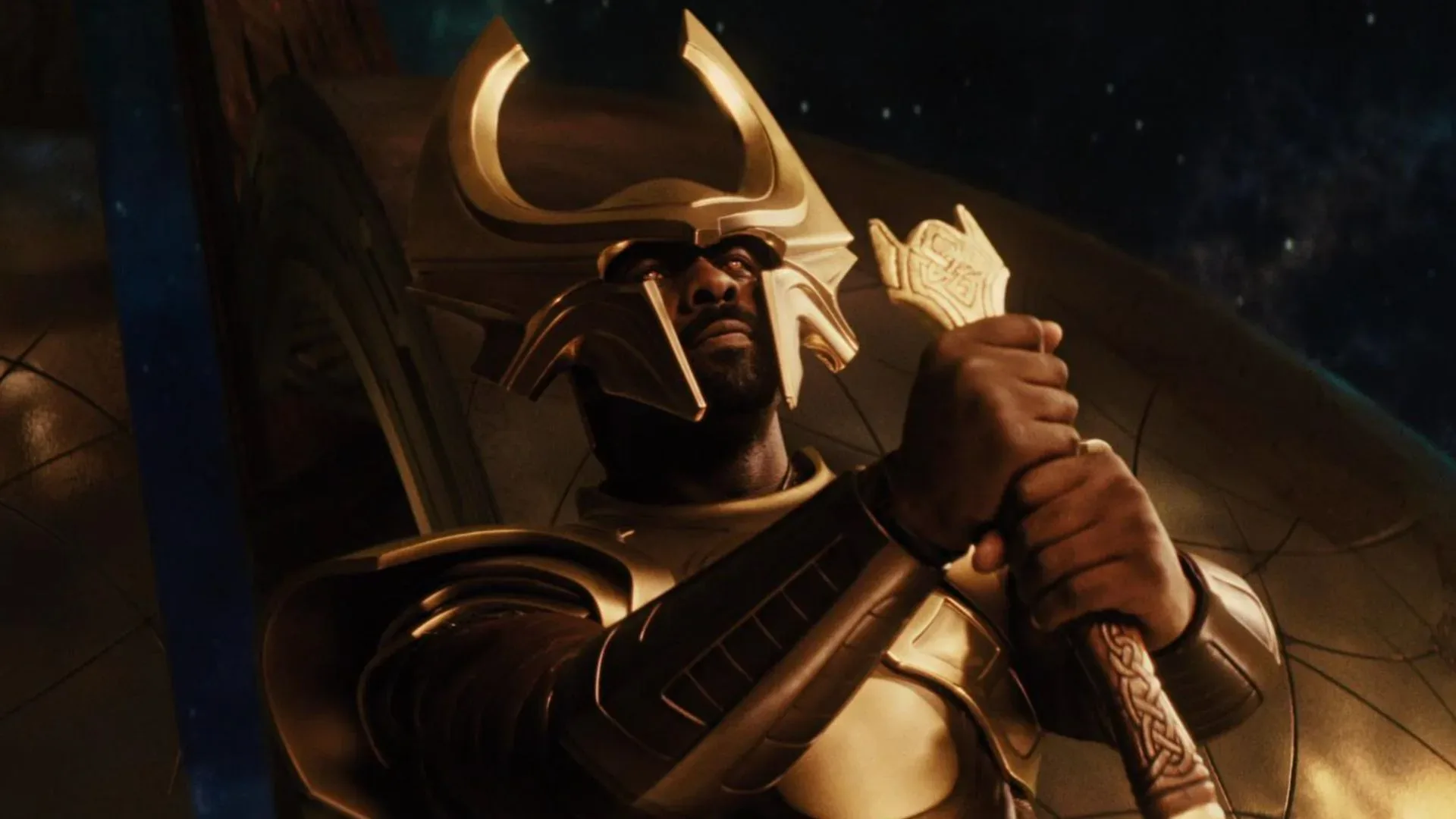
The Nova Corps made its MCU debut in Guardians of the Galaxy, where it functioned as Xandar’s military and law-enforcement organization. Rhomann Dey, played by John C. Reilly, was among its recognizable representatives. By the opening stretch of Infinity War, however, the Corps and its homeworld’s defenses had apparently been overwhelmed in Thanos’ pursuit of the Power Stone.
That decision served the immediate momentum of Infinity War: Thanos already possessed one Infinity Stone when viewers caught up with him, making it plain that the heroes were starting from behind. Yet it also left a major Marvel location and an entire cosmic institution in a strange state of narrative suspension. The destruction was consequential enough to matter, but remote enough that the franchise has not yet fully explored who survived, what was lost, or what Xandar became afterward.
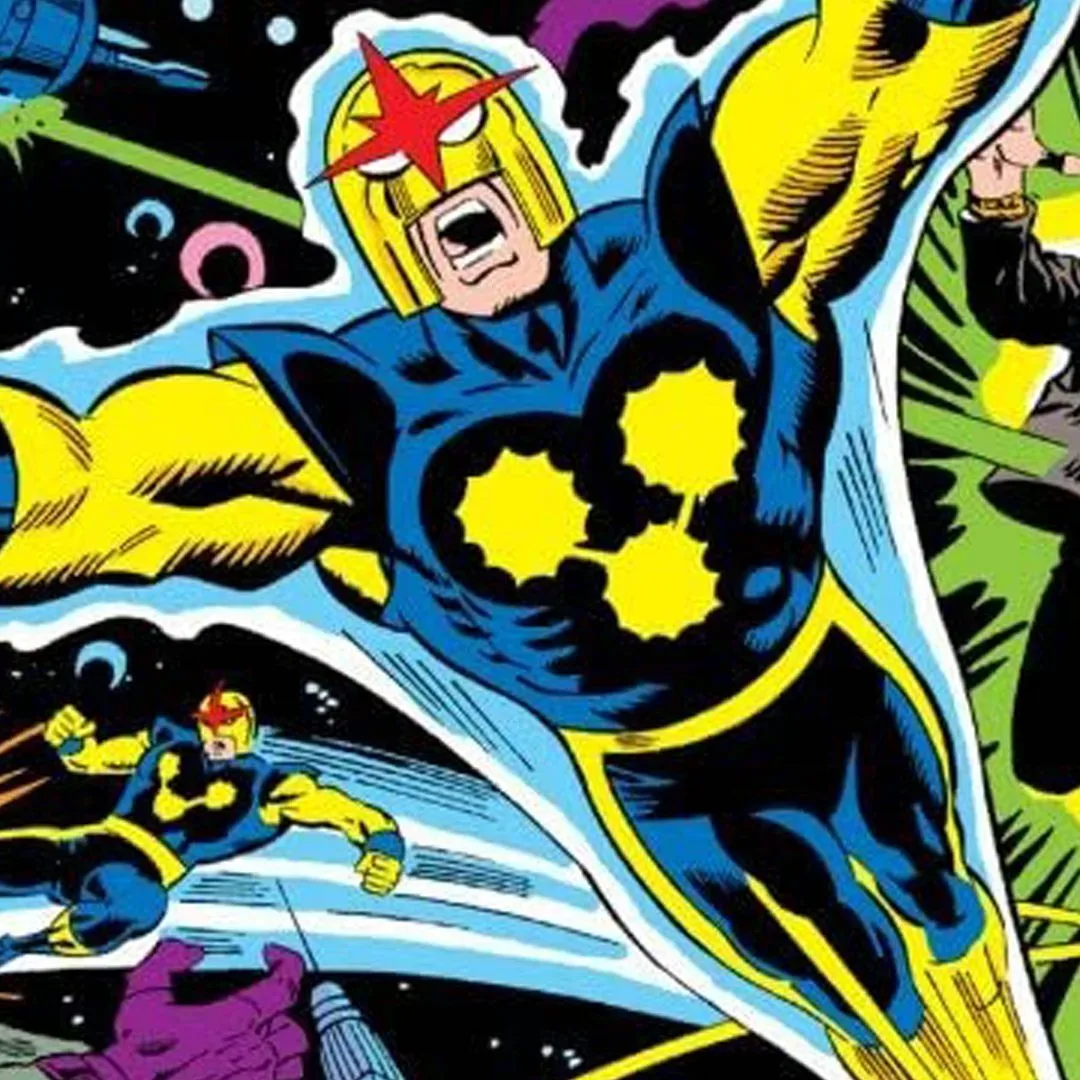
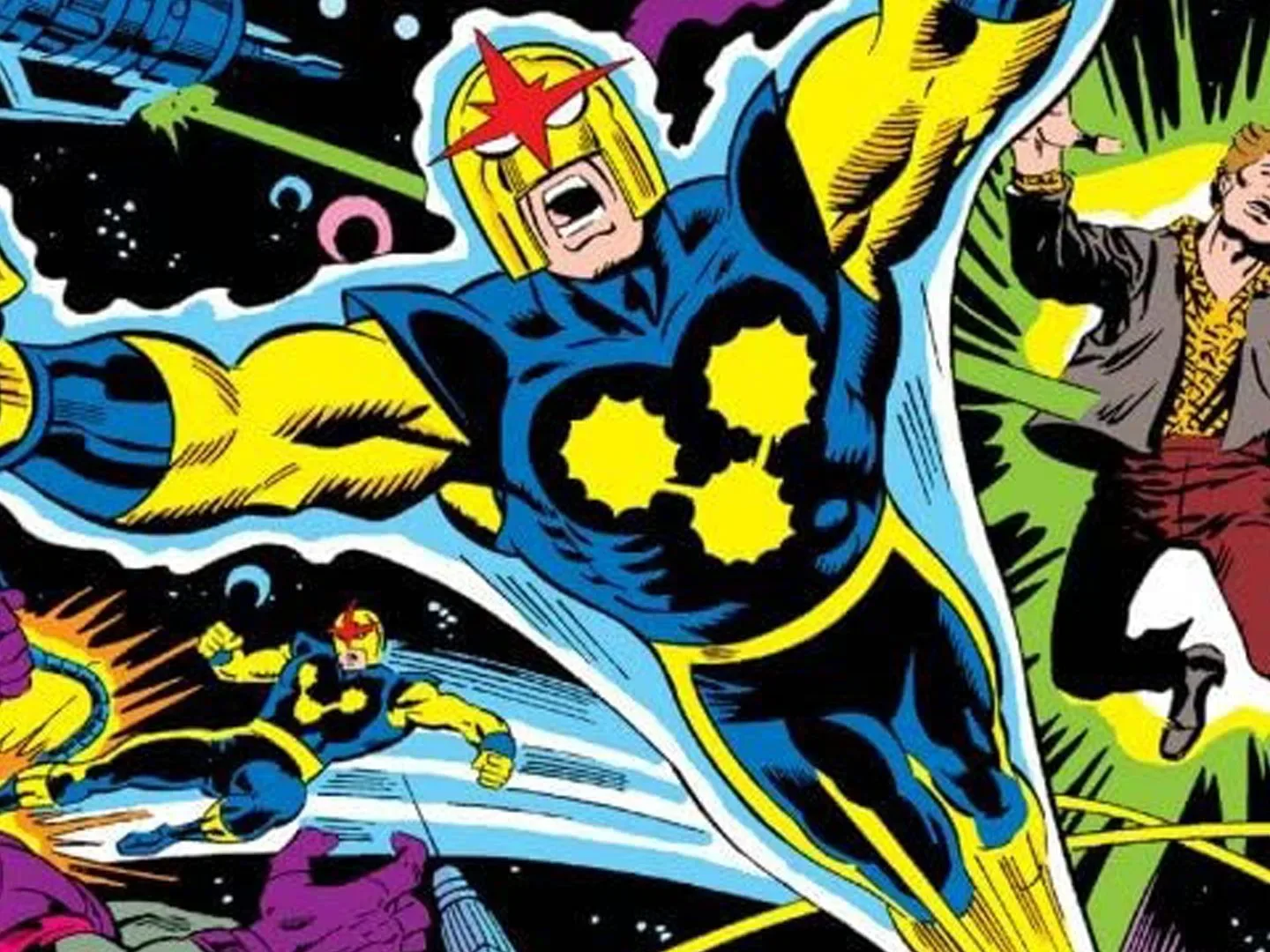
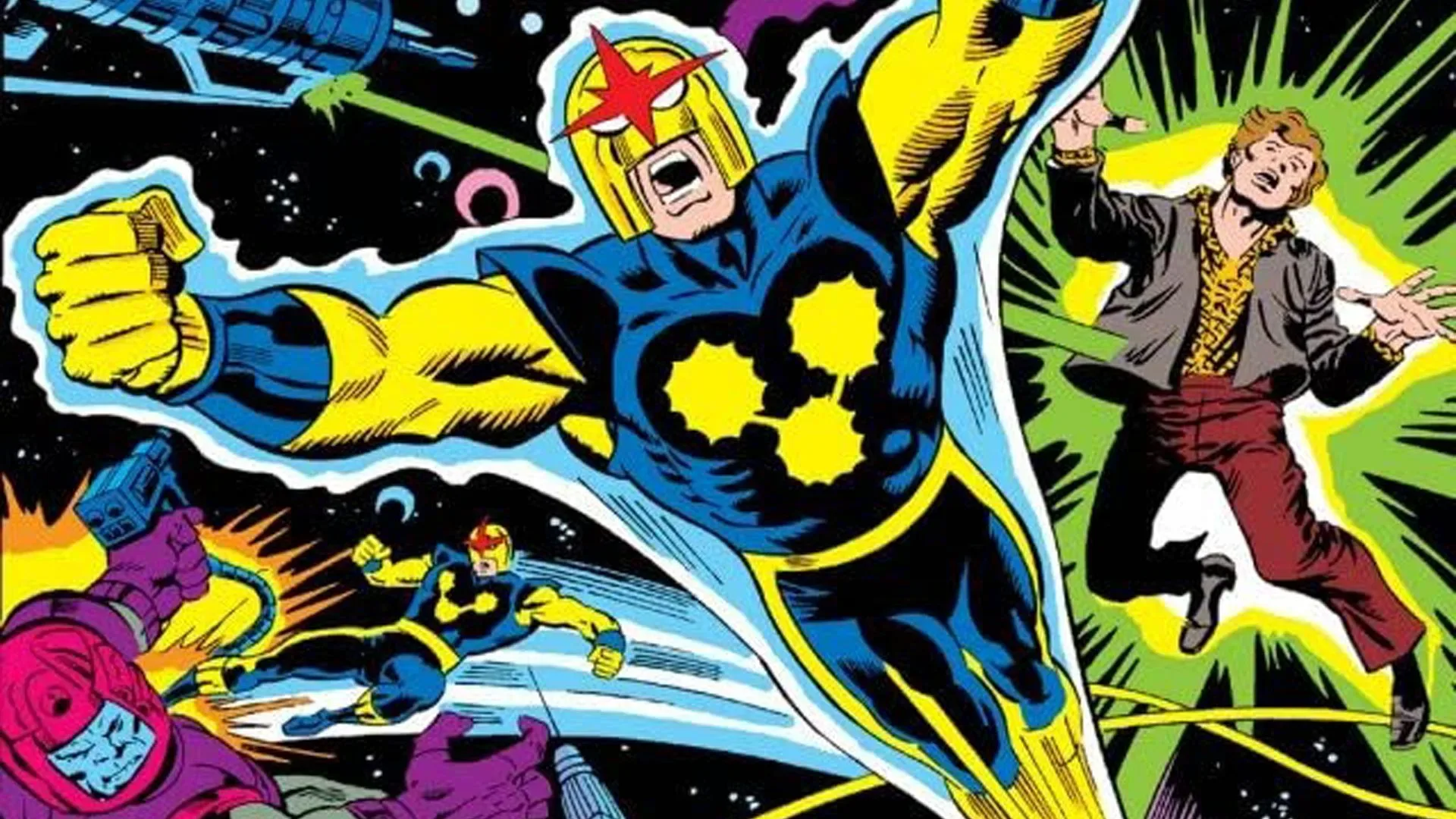
Nova is the natural place to ask those questions. Richard Rider’s comic-book identity is inseparable from the Nova Corps and its legacy. While details of Marvel Studios’ adaptation remain unconfirmed, it would be difficult to introduce a character carrying that mantle without addressing what the MCU has already said happened to the organization associated with it.
That does not automatically reveal how the movie will begin. A story could revisit the attack directly, follow its survivors, set Richard on Earth before sending him into space, or make the catastrophe a historical wound that defines the mission he inherits. Those are possibilities rather than confirmed plot points. Waldron’s comment establishes the issue that needs attention, not the exact route a finished film will take to get there.
Richard Rider brings a different kind of cosmic hero to the screen
In Marvel Comics, Richard Rider becomes Nova after Rhomann Dey, the final surviving member of Xandar’s elite Nova Corps, passes the role and its power to him. The character has spent decades moving between very human, Earth-based superhero concerns and expansive cosmic warfare. That flexibility may be one reason a film adaptation has taken so long to settle into place.
Waldron acknowledged the central creative question surrounding the character: where should the audience meet him? Is Richard already in space and connected to the Corps? Does he start on Earth as an ordinary person pulled into an interstellar disaster? Or can a film find another approach that makes the character’s legacy accessible without discarding the cosmic scale that makes Nova distinctive?
The question matters because Nova has the potential to be both a newcomer’s point of entry into Marvel’s spacefaring side and a continuation of a story the MCU began in Guardians of the Galaxy. Richard Rider is not just another hero with a costume and a power set. His identity is tied to a fallen civilization’s authority, responsibility, technology, and trauma. If Xandar truly has been shattered, inheriting the Nova title may mean inheriting an obligation to rebuild as much as an ability to blast through the atmosphere.
That framework also distinguishes him from Marvel’s other cosmic protagonists. A Nova story could carry the energy of a high-flying superhero adventure while being anchored by the aftermath of institutional collapse. The helmet may be sleek; the baggage underneath it is planet-sized.
Annihilation is a meaningful comic-book signpost, not a roadmap
When discussing his favorite Nova material, Waldron pointed to Annihilation, the major 2006 Marvel Comics event often treated as essential reading for modern Richard Rider stories. The series helped elevate Nova’s profile by placing him at the heart of a vast conflict across Marvel’s cosmic landscape.
For fans, its mention is exciting because Annihilation represents a version of Nova capable of carrying huge stakes without losing the personal strain on Richard himself. It deals in fleets, empires, alien worlds, and catastrophic threats, but its appeal also comes from watching a hero shoulder responsibilities that seem impossible for one person to manage.
Still, there is no confirmation that an MCU Nova movie will adapt Annihilation, borrow its villains, or follow its plot. Marvel adaptations regularly recombine ideas from multiple eras, alter origins, and move familiar elements into new contexts. The strongest takeaway is simply that Waldron recognizes the importance of that run and appreciates the breadth of the character’s comic history.
That breadth can be an advantage. Nova has existed in stories with radically different tones and settings, from youthful superhero material to full-scale space opera. The challenge for a film is choosing a starting point that gives Richard his own voice while making room for the Xandarian history that MCU viewers already know in fragments.
What has actually been confirmed about Nova
The important caveat is that Marvel has not put Nova on a dated public release calendar. Waldron was careful in his comments, saying he could not offer specifics about Marvel work while also making clear that he loves Nova and Richard Rider. That caution is sensible in a franchise where projects can change shape, move around the schedule, or remain confidential until formal announcements arrive.
There is, however, a key clarification from Marvel Studios president Kevin Feige: at San Diego Comic-Con 2026, Feige confirmed that Nova is being developed as a movie rather than a television series. Beyond that format confirmation, fans should be wary of treating theories as production facts. There is no release date, no official cast, and no detailed synopsis in the material currently available.
Waldron’s Marvel résumé makes his involvement noteworthy. He co-created Loki, wrote Doctor Strange in the Multiverse of Madness, and is credited as a co-writer on Avengers: Doomsday alongside Chris McKenna and Erik Sommers; Stephen McFeely is the film’s main writer. Avengers: Doomsday is scheduled for December 18.
Marvel’s cosmic storytelling is continuing to branch in several directions, while the wider MCU is also building toward major films involving the X-Men, Ghost Rider, and Black Panther 3. In that company, Nova may be less immediately visible than the franchise’s most famous names. But it has a rare advantage: a ready-made emotional mystery already embedded in MCU continuity.
For another look at where Marvel’s interconnected stories may be heading on the smaller screen, see our coverage of the new path facing White Vision in VisionQuest.
Why reckoning with Xandar could give Nova its purpose
Many MCU heroes arrive after life-changing disaster, but Nova could be unusual in arriving after the destruction of a whole system meant to protect people. The fall of the Nova Corps is not only an origin-story device waiting to be activated. It offers the prospective film a way to consider legacy, grief, public service, and the consequences of Thanos’ campaign beyond the Avengers’ direct experience.
A Nova movie does not need to turn into an extended flashback to justify Richard Rider’s arrival. It does, however, need to acknowledge why the title matters in this version of the universe. Waldron’s remarks suggest the creative team understands that point. The Nova helmet cannot just be cool space hardware found in a conveniently unattended locker. It represents a promise made by Xandar, and the MCU has already told viewers that promise was broken in the worst possible way.
Until Marvel reveals more, that is the compelling question hanging over Nova: not only who will wear the helmet, but what remains of the world and Corps that gave it meaning.