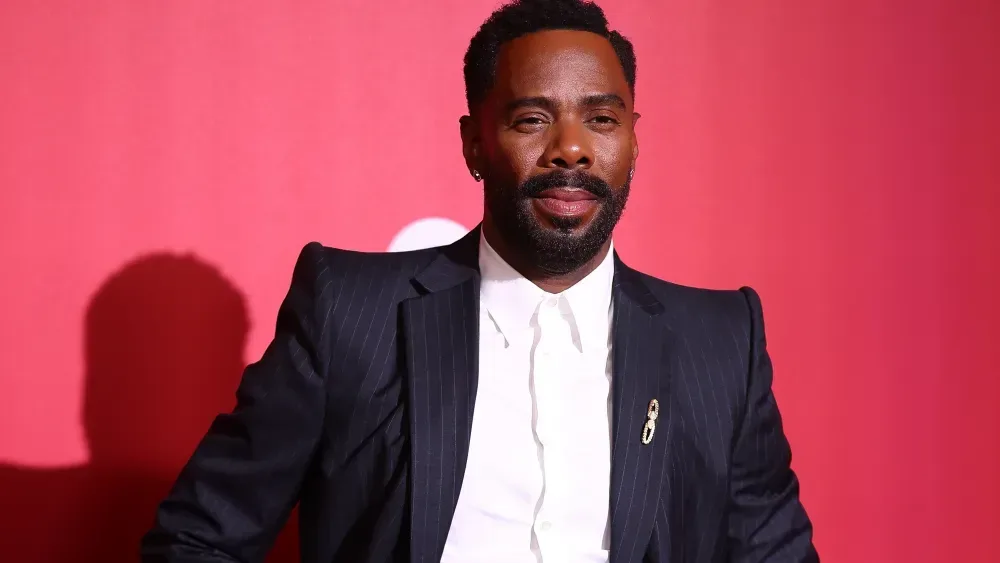
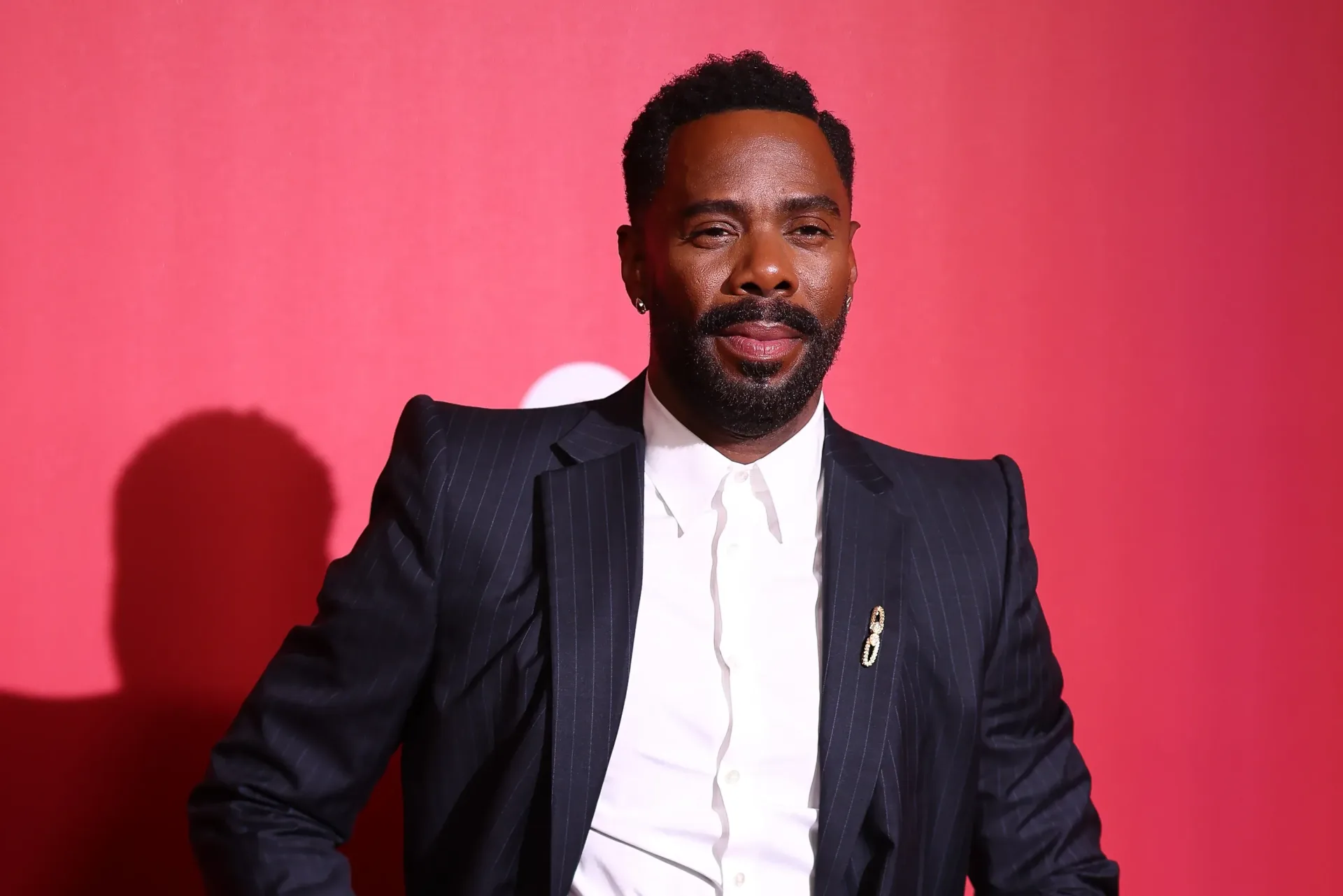
Coleman Domingo has offered a compact answer to an expansive piece of criticism aimed at Michael and his performance as Joe Jackson. After an X user argued that awards watchers should stop including Domingo in their predictions for the musical biopic, calling both the film and the performance “mid,” Domingo replied: “Who hurt you?”
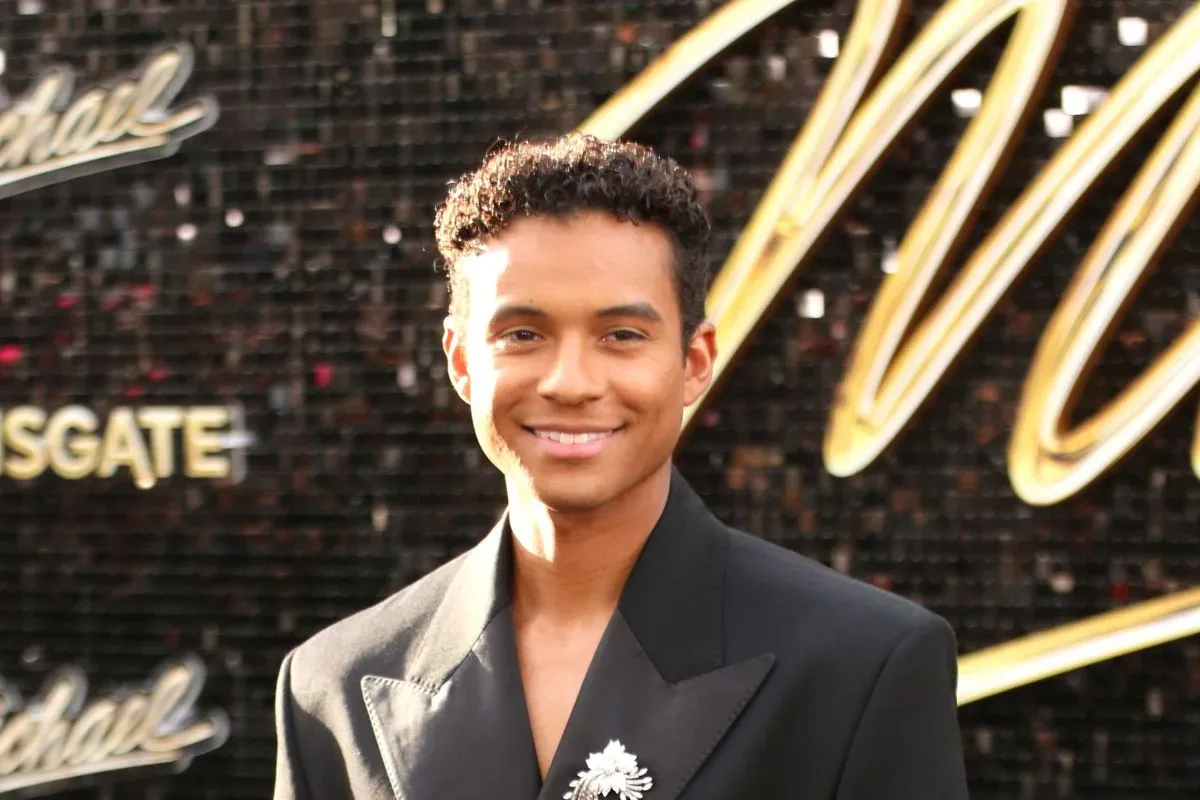
It is a small social-media exchange, but it lands in a much bigger conversation surrounding Michael: how to assess a hit biopic with a controversial subject, an estate-backed production and a performance built around a difficult family figure. Domingo plays Joe Jackson, the father of Michael Jackson and the Jackson family patriarch, while Jaafar Jackson plays Michael.
The immediate point is worth keeping clear. The post that prompted Domingo was not an awards body announcing nominations, and it was not a formal review. It was one user objecting to prognosticators—people who forecast awards outcomes—placing Domingo in the discussion. The response does not settle the argument over the film or the role. It does, however, show Domingo declining to meet a harsh verdict with a long defensive statement.
A performance in the awards conversation, not an award result
Awards forecasting is a running prediction game, rather than an official recognition in itself. Commentators and observers weigh films, performances, release momentum and critical response as they estimate who might be nominated. Domingo’s name has been raised in Oscar and Golden Globe forecasting following praise for his work in Michael.
That distinction matters because a forecast can be debated on several separate levels. Someone may think an actor is compelling while disliking the movie around them. Another viewer may believe a movie is commercially successful but not awards-worthy. Still others may reject both. Domingo’s critic bundled those judgments together; the actor’s four-word reply sidestepped every one of them.
Michael has nevertheless achieved a major commercial milestone: it is described as the highest-grossing biopic ever made. A biopic, short for biographical picture, is a film dramatizing the life of a real person. Box-office records and awards prospects are different measures, though. Financial performance demonstrates audience demand; awards campaigns and nominations depend on the decisions of separate voting organizations. One does not automatically produce the other.
There is also a concrete wrinkle in the film’s awards path. Michael was not submitted for the 2027 EE BAFTA Film Awards. That does not erase the broader conversation around Domingo’s performance or other awards groups, but it does mean the film was not in contention through that particular BAFTA submission route.
Joe Jackson is central to the film’s family story
Domingo’s role is inherently loaded. Joe Jackson is portrayed as the domineering father who helped shape a family of performers, including Michael Jackson. Before the film’s premiere, Domingo said his approach was to look for Joe Jackson’s humanity and to interrogate what made such a person. He pointed to the extraordinary artists who came from the family while addressing the question of what went into making their father.
The actor also discussed allegations of abusiveness involving Joe Jackson, saying that he chastised his children and framing judgments about parenting methods as arguable. That is the fault line at the center of portraying a real and disputed figure: an actor can seek complexity without asking an audience to excuse harmful conduct. “Humanity” in this context is a performance concept, meaning an effort to present a character as psychologically legible rather than as a one-note villain. It is not, by itself, a verdict on the person’s actions.
That separation is particularly important with a character like Joe Jackson. An audience can recognize the creative and commercial impact of the Jackson family while still having sharply different responses to the authority, pressure and alleged mistreatment associated with its patriarch. A performance designed to explore contradiction may invite more disagreement, not less.
Domingo’s situation also illustrates why awards chatter about supporting roles often becomes a discussion of more than screen time. The effectiveness of a supporting performance can rest on how strongly it shapes the lead character’s world. In a story focused on Michael Jackson’s rise, Joe Jackson’s influence gives the role narrative weight even though Jaafar Jackson is the film’s titular star.
The larger controversy around Michael
The production has faced controversy beyond the portrayal of Joe Jackson. Allegations that Michael Jackson sexually abused children were already a central part of public discussion about any film dramatizing his life. The executors of the Jackson estate, which produced the film, have maintained that those allegations are false.
Domingo previously said those issues did not factor into his own work on the film, emphasizing the character he was playing and the chance to work with the estate, director Antoine Fuqua and Jaafar Jackson. That is an explanation of his acting focus, not a resolution of the broader cultural dispute. The controversy remains part of the context in which viewers and critics evaluate a dramatization of Michael Jackson’s story.
Estate involvement adds another layer to the discussion. In practical terms, an estate is the legal entity that manages a deceased person’s rights and assets. In an entertainment production, estate participation can give filmmakers access, cooperation and a direct connection to the subject’s legacy. It can also make audiences more alert to questions about perspective: which parts of a life are foregrounded, which are framed differently and which are not central to the project.
Those concerns do not automatically determine the quality of an individual performance. But they explain why reactions to Michael are unlikely to stay limited to acting technique, production design or musical recreation. For many people, the nature of the project itself will remain inseparable from their response to it.
An ensemble built around the Jackson family and music business
Alongside Domingo and Jaafar Jackson, the cast includes Nia Long as Katherine Jackson and Miles Teller as lawyer John Branca. Laura Harrier plays Suzanne de Passe. The Jackson siblings are represented by Jamal R. Henderson as Jermaine, Tre Horton as Marlon, Rhyan Hill as Tito, Joseph David-Jones as Jackie and Jessica Sula as La Toya.
That cast list signals the film’s broad scope around family, management and the music industry rather than an isolated portrait of its lead. It also puts added pressure on performers playing recognizable real people. These are not fictional characters with no public record; viewers arrive with memories, expectations and, in some cases, strongly held opinions about the people being depicted.
For Domingo, playing Joe Jackson means portraying a man associated with both the construction of a historically significant musical family and allegations of damaging control. The role is therefore ripe for polarized reactions. Some praise for Domingo has already placed him in awards discussions; one detractor has now made the opposite case very loudly. Neither reaction is especially surprising for a performance situated inside such a charged biographical project.
The exchange also demonstrates the compressed grammar of celebrity responses online. Domingo did not provide a point-by-point rebuttal, invoke the box office record, cite positive notices or explain his acting process again. “Who hurt you?” reads as a joke, a dismissal and an invitation for readers to infer the rest. It is not a substantive counterargument, but it was never trying to be one.
What the response does—and does not—change
Domingo’s post will not convert a skeptic who disliked Michael, and it does not answer the serious questions audiences may have about an estate-produced Michael Jackson biopic. Nor does it establish an award outcome. What it does is put a memorable punctuation mark on the divide between the movie’s champions and its critics.
For awards watchers, the facts remain narrower than the noise: Domingo’s Joe Jackson performance has drawn praise and is being discussed in prediction circles; Michael has posted exceptional commercial results; and the film was not submitted for the 2027 EE BAFTA Film Awards. The rest remains open to viewers, critics and future awards voters.
For a wider entertainment audience, the moment is another reminder that music-centered screen stories do not exist only as nostalgia products. They also become arguments about authorship, legacy and who gets to shape the public narrative around an artist. That same relationship between music and screen culture continues to show up in other corners of entertainment, including the catalog impact explored in the conversation around game trailers and streaming music.
For now, Domingo has made his own position plain without turning it into a speech: he saw the criticism, and he had a very short answer for it.