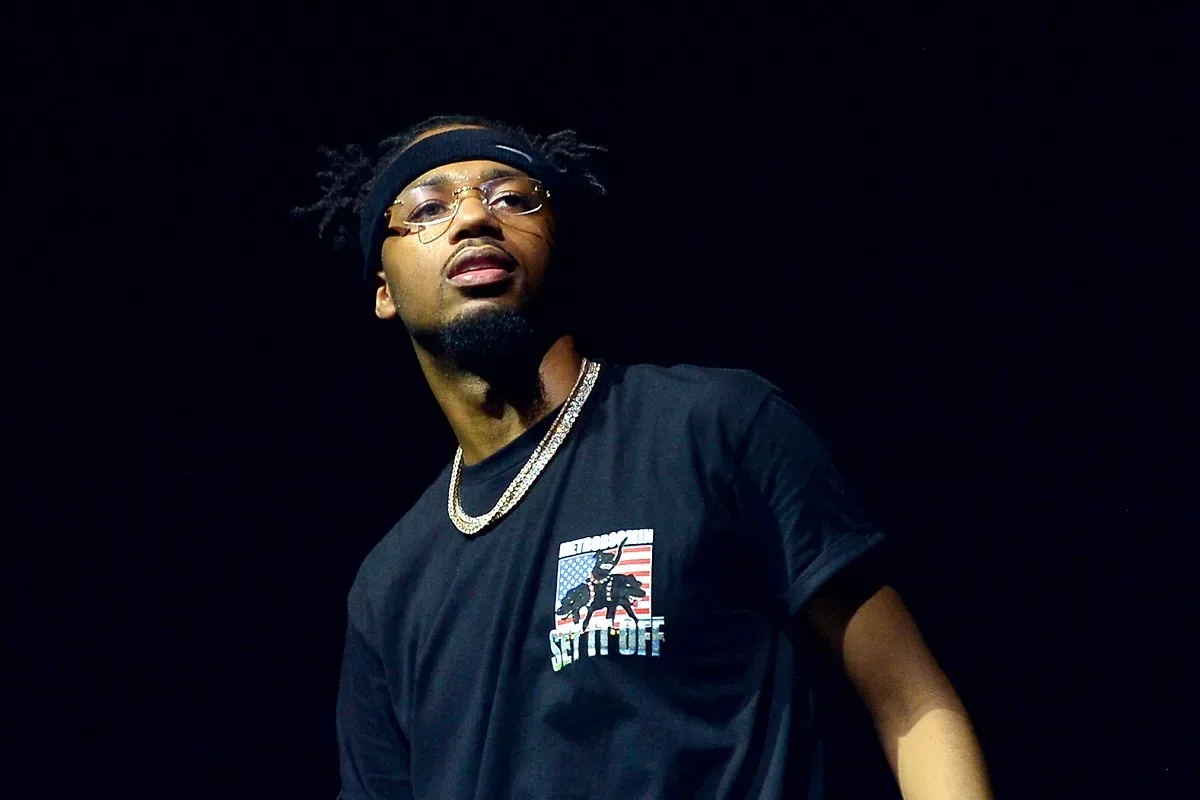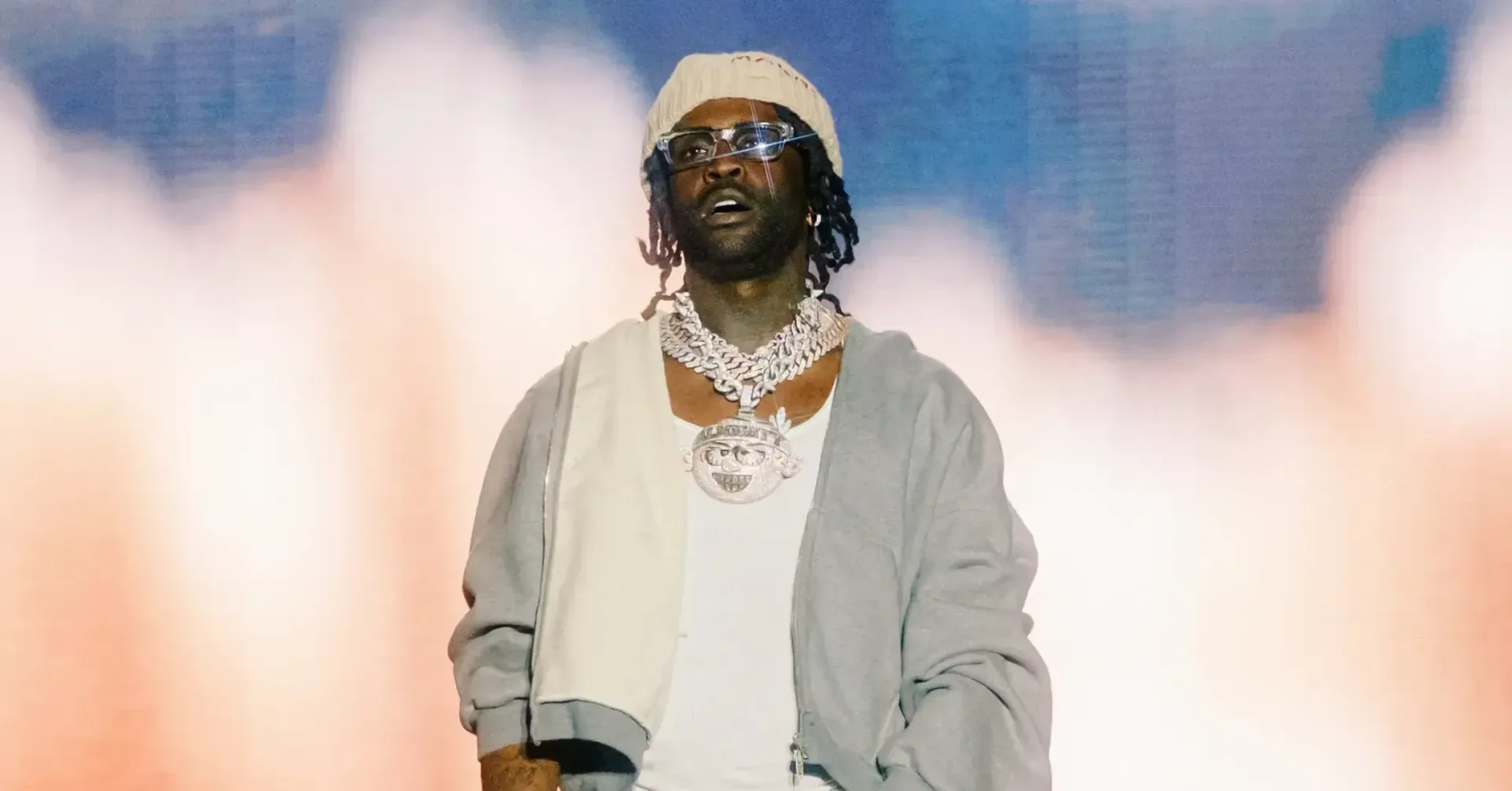
Cole Bennett has offered the clearest prospective window yet for his documentary centered on Chief Keef: 2027. The filmmaker discussed the project during a ComplexCon appearance, while stressing that the timing remains tied to getting the story right rather than racing toward a release date.
The planned film or series remains an unusually consequential collaboration on paper. Bennett has worked extensively with Chief Keef, also known as Sosa, through his Lyrical Lemonade creative work, and both figures have Illinois roots. More importantly, the project is positioned not simply as a career recap, but as an account of a musician whose rapid emergence, absence from Chicago, eventual return and broad cultural influence are presented as connected parts of one larger story.
“The Chief Keef documentary is something that I think is super important to the both of us,” Bennett said. “And it’s an important story that you have to tell right.”
Bennett added that the team has been taking its time so it can craft the story in the form it needs, then cautiously suggested 2027 as the hoped-for release year. That phrasing matters: it is a target, not a confirmed premiere date, and no distributor, final format, episode count or exact launch timing has been established in the information available.
What has been said about the Chief Keef documentary
The current documentary project was first made public in 2024 and involves a partnership with Kenya Barris’ Khalabo Ink Society. Early discussion around the project described an effort to document the story comprehensively while working out the structure that would make it accessible for a broad audience.
That distinction between documenting and structuring is useful. Documentary production can involve gathering interviews, archival materials and present-day footage, but a finished documentary also needs an editorial framework: deciding which events establish context, where the narrative begins and ends, and how separate perspectives are placed in conversation. Bennett’s comments suggest the team sees that construction process as central to the project rather than as a simple finishing step.
The intended scope has been described as covering Keef’s rise, a hiatus, his return to Chicago and the lines of influence between Chief Keef, Chicago and hip-hop. Those are substantial themes, particularly for a subject who broke out at 16 and became an influential artist at a very young age. They also explain why a straightforward chronological rundown may not be sufficient. A film can track dates; a deeper portrait needs to show how a local scene, an artist’s changing circumstances and wider musical impact intersect.
A second attempt at bringing the story to screen
This is not the first time a Chief Keef documentary has been discussed publicly. Apple Music announced a project called The Story Of Sosa in 2017, but that documentary was ultimately scrapped. Bennett’s project therefore represents a renewed opportunity for a screen work focused on Keef’s life and career, rather than the continuation of a previously completed production.
Related coverage includes Cole Bennett Eyes 2027 Release for Chief Keef Documentary.
The distinction is important for expectations. A scrapped project does not tell audiences what material, creative approach or release plan will carry into a later documentary. Bennett’s version has its own partnership and its own stated emphasis on carefully shaping the narrative. Fans should view the 2027 comment as progress on this particular production, not as evidence that an earlier title has been revived intact.
Why the measured timeline is significant
Documentaries about artists who remain active have a built-in challenge: the story is still moving. Chief Keef is still releasing music and has recently played a run of live shows, so any account of his career has to decide how to treat the present without pretending it is the final chapter. A longer development period can give filmmakers room to establish a meaningful endpoint while still recognizing that the subject’s creative life continues.
Bennett’s own explanation frames the delay as a matter of care. He called the story important to both collaborators and said it is already there to be told; the task is to tell it properly. That suggests a priority on interpretation and presentation, not merely access. Having a subject’s cooperation can be valuable, but a coherent documentary still depends on choices about pacing, context and whose voices help explain the larger picture.
For viewers, the practical takeaway is patience. There is no released trailer, platform confirmation or firm date to track at this stage. The most concrete public indication is Bennett’s aspiration for 2027. Until more is announced, claims of an exact launch schedule, streaming home or finalized format should be treated cautiously.
Chicago, influence and the wider cultural frame
The stated focus on Chicago is more than geographic scenery. In the project’s proposed framing, the city is part of the story’s connective tissue: Keef’s emergence, the period away, the return and the mutual influence between artist, city and hip-hop. That approach could allow the documentary to move beyond a conventional celebrity profile without needing to turn the subject into an abstract symbol.
It also presents a demanding editorial balance. The filmmakers will need to make the story legible to people who know Keef’s work closely while ensuring that newcomers understand why the trajectory matters. Bennett previously described the goal as creating something “viewable and digestible for the world.” In documentary terms, digestible does not have to mean simplified; it can mean that a complex story has clear stakes, useful context and a structure that lets the audience follow its different threads.
There is still plenty the public does not know, including whether the project will ultimately be a single feature or a series. The source material has referred to both possibilities, without confirming either. That uncertainty can affect how much context a production can comfortably carry. A feature generally needs compression and a decisive narrative arc, while a series has more room for distinct periods, contributors and themes. Bennett’s team appears to still be focused on shaping the story before putting a final label on its form.
What comes next
For now, Bennett’s remarks amount to a promising but qualified status update: the Chief Keef documentary is being developed with care, it has been discussed as a major joint priority, and 2027 is the desired release horizon. It is not a guarantee, but it is more specific than a project existing solely as an idea.
The cultural interest in music documentaries often comes down to whether they can add perspective instead of merely collecting familiar milestones. This project has set itself a broader task by connecting one artist’s path to Chicago and hip-hop at large. If it delivers on that stated aim, the finished work could offer both fans and less familiar viewers a more considered account of Chief Keef’s place in that story.
Music stories remain a regular part of the site’s pop-culture coverage, including Bryson Tiller’s Louisville recognition and platinum-plaque presentation. But the Chief Keef documentary is, for now, a separate developing project with its most credible public timeframe set around 2027.