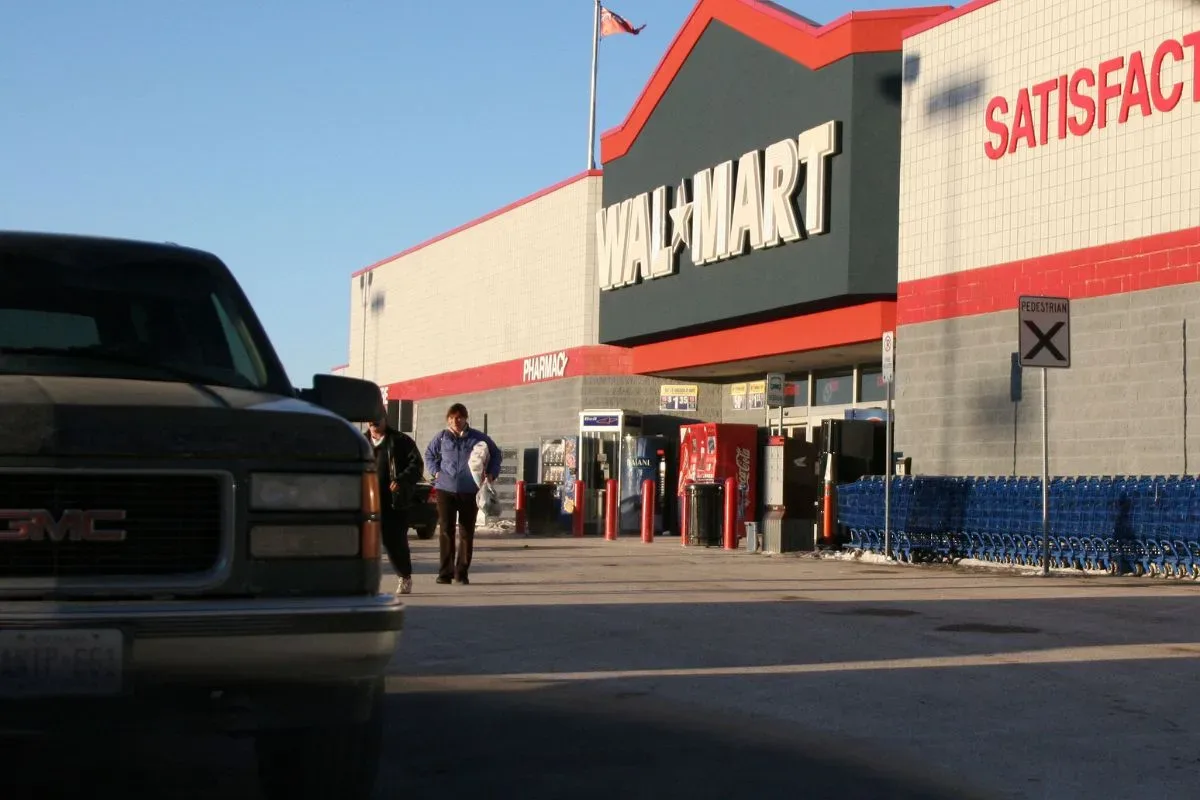
Coachella Music Festival and its promoter, Goldenvoice, have filed a federal lawsuit against Walmart Inc. and Wal-Mart.com USA, LLC, alleging that festival-branded products have been sold and advertised without authorization both online and in stores near the Southern California event grounds.
The complaint, filed November 24 in the Central District of California, centers on the commercial value of the Coachella name and visual identity. The plaintiffs contend that Walmart has used or enabled the use of Coachella branding on apparel and other consumer goods despite earlier takedown demands. They seek a court order barring further use of the alleged marks, Walmart’s profits connected to the claimed infringement, and potentially tripled damages on the basis that the conduct was deliberate. No specific dollar amount is listed in the complaint.
It is important to separate the claims from a ruling: these are allegations made by Coachella Music Festival and Goldenvoice in their lawsuit. Walmart has been named as a defendant, but the supplied case details do not establish a court decision on liability or damages.
What Coachella says Walmart sold and advertised
The dispute described in the complaint stretches back to June 2017, when the plaintiffs say Walmart listed at least 28 clothing items online under the Coachella name. Coachella and Goldenvoice say those listings were eventually removed, and that Walmart provided contact information for outside manufacturers connected with the products.
But the plaintiffs contend the issue did not end there. The lawsuit alleges that unauthorized clothing later appeared at Walmart’s North Indio location, two years after the initial online listings. According to the complaint, that merchandise was removed following a demand from the festival organizers.
The filing also describes advertising at Walmart’s La Quinta store that allegedly used imagery from Coachella lineup posters to promote folding chairs and coolers. The organizers say those ads were taken down. Their broader contention is that individual removals have not stopped the alleged pattern for good.
“Plaintiffs’ requests have been of minimal benefit; Walmart typically stops for a period of time, but then resumes its infringing conduct,” the organizers allege in the complaint.
The most recent examples cited are from April 2026. Coachella and Goldenvoice allege that the La Quinta store offered apparel carrying Coachella branding and displayed a Ferris wheel sign made by festival sponsor Absolut Vodka near the merchandise. The complaint also refers to videos that purportedly show bottles, tumblers, tank tops and other goods at the North Indio store.
Related coverage includes Coachella and Goldenvoice Sue Walmart Over Festival Merchandise.
Why the nearby locations matter
The allegations focus on more than a word printed on a shirt. Coachella and Goldenvoice argue that the name, palm-tree logo and festival look carry specific associations for shoppers, especially around the time and place of the festival. North Indio and La Quinta are particularly notable locations in the complaint because of their proximity to the Coachella area.
Festival merchandise operates as both a souvenir and a public badge of participation. A buyer may choose a shirt, bottle or tumbler because it seems tied to the event, its branding, or an official collaboration. Coachella says it runs its own merchandise tent and online shop, and argues that allegedly unauthorized products could lead consumers to believe goods were approved by the festival when they were not.
That consumer-confusion issue is central to a trademark dispute. A trademark is generally a source identifier: a name, logo or other sign that tells consumers who stands behind a product or service. In this case, the plaintiffs’ theory is not simply that someone used a festival-related phrase. It is that the challenged uses could make customers think the products are official Coachella merchandise, are licensed by Coachella, or otherwise have the festival’s endorsement.
The Ferris wheel is another important detail in that argument. The complaint points to the festival’s overall visual presentation, including the wheel, alongside the Coachella name and palm-tree logo. Visual context can matter when evaluating whether merchandising and store displays suggest a connection to a known event. The lawsuit’s references to a sponsor-made Ferris wheel sign show that the plaintiffs are framing the complaint around a collection of recognizable signals rather than clothing labels alone.
The lawsuit reaches third-party marketplace sales too
Coachella and Goldenvoice accuse Walmart of both selling goods itself and allowing other sellers to advertise and sell them through Walmart stores and its website. That distinction matters because modern retail platforms can involve several parties: a marketplace operator, an outside seller, a manufacturer and, in some circumstances, a separate company handling fulfillment or advertising.
The plaintiffs are asking the court to stop the alleged use of Coachella marks in sales and advertising, including uses involving third-party vendors. In practical terms, the requested injunction would seek to cover more than one identified product page or one store display. An injunction is a court order requiring a party to stop, or sometimes take, specified conduct. Whether the court grants one depends on the claims, evidence and legal standards considered during the case.
This is why repeated takedown allegations are significant to the plaintiffs’ requested relief. A removed listing may address a single item, but it does not necessarily settle the question of how a retailer’s marketplace, merchandising processes and physical locations handle future items. Coachella and Goldenvoice allege that temporary removals have been followed by new uses, and they are seeking a broader prohibition rather than a sequence of item-by-item disputes.
Retailers and online marketplaces face a difficult but familiar boundary here: third-party inventory can broaden a catalog, while well-known brands can create substantial risks if product titles, graphics or displays imply authorization that does not exist. The claims in this case put that tension directly before a federal court. Similar industry litigation also underscores why the wording of a complaint should not be confused with an adjudicated fact, as seen in a separate consumer case involving Ubisoft’s marketing language.
What Coachella and Goldenvoice are seeking
The plaintiffs have requested a jury trial. Their requested remedies include an order preventing Walmart from using the disputed marks in connection with products or advertisements, including through third parties. They also seek profits that Walmart allegedly gained from the infringement claims.
In addition, the complaint asks for damages to be trebled. Treble damages means multiplying an awarded damages figure by three. The request does not mean those damages have been granted; it is a remedy the plaintiffs are asking the court to consider based on their allegation that the violations were willful, or deliberate.
The absence of a stated dollar figure leaves the monetary scale unresolved. A final amount, if any, would depend on how the case proceeds and on questions such as proof of infringement, profit calculations, damages, intent and the availability of the requested remedies. The supplied complaint summary does not state Walmart’s response to the allegations.
A brand dispute arriving before the 2027 festival
The timing gives the case an obvious business dimension. Coachella is preparing for its 2027 edition, and merchandise is part of how a festival’s public identity travels beyond the event itself. Apparel, drinkware, accessories and camping-oriented products can all be plausible festival purchases, which can make branding and perceived sponsorship especially consequential.
For consumers, the practical takeaway is straightforward: a product carrying an event’s name or familiar imagery is not automatically official merchandise. The plaintiffs’ allegations specifically emphasize their own merchandise tent and online shop as official channels. For retailers and third-party sellers, the case highlights the stakes around product listings, promotional art, store placement and visual cues that may create the appearance of affiliation.
The case will now turn on legal arguments and evidence rather than the complaint alone. For the moment, the filing presents Coachella and Goldenvoice’s account of a long-running conflict: alleged online listings beginning in 2017, later in-store clothing and promotional materials, and a request for a court order aimed at preventing what the festival organizers say has been a recurring problem.