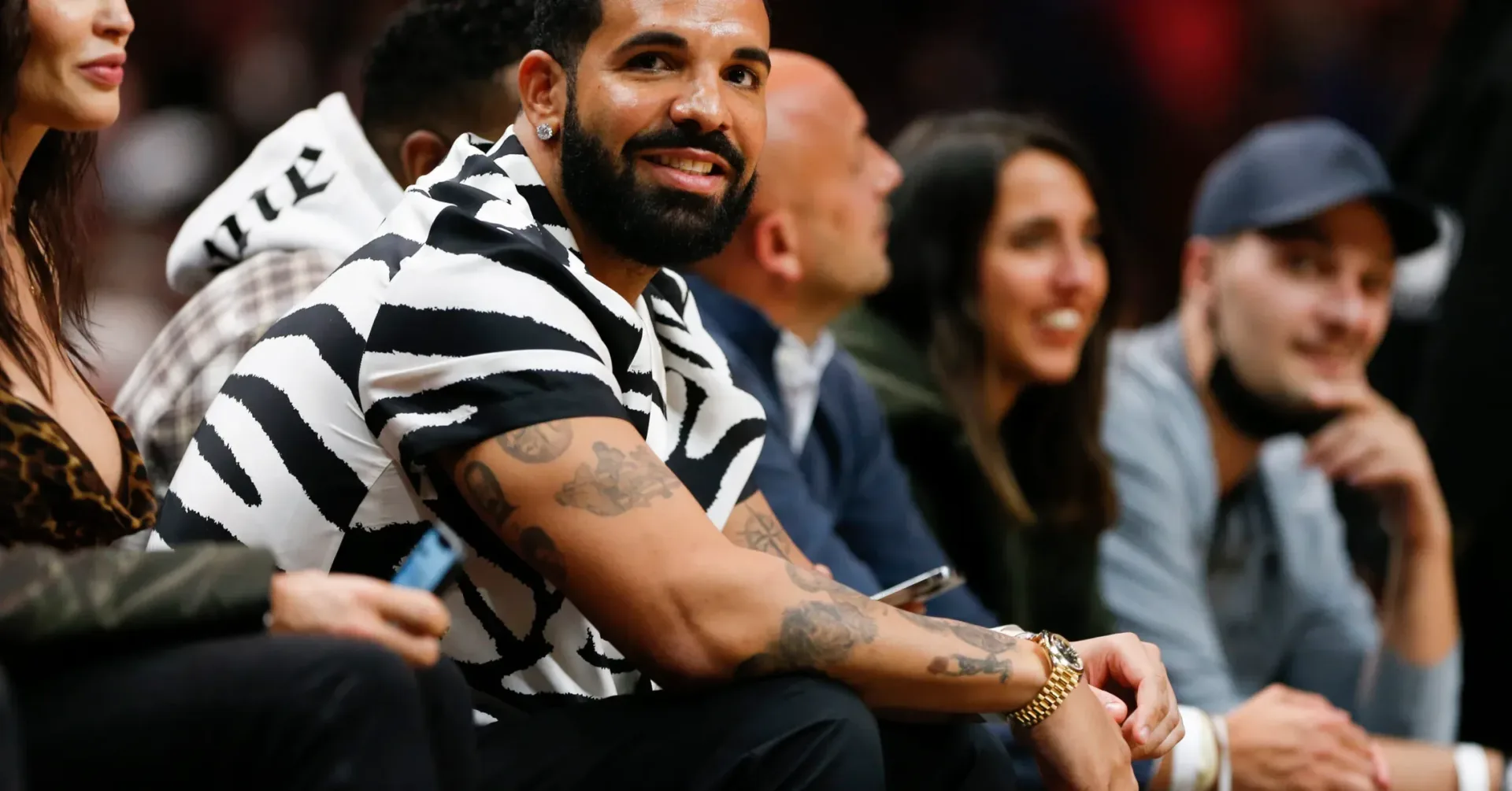
Drake has offered a small but highly legible response to Coachella’s lineup: a crying emoji posted beneath the festival’s Instagram announcement.
The reaction arrived after the new bill was released without Drake’s name, despite earlier speculation that he could potentially be in contention for a headline slot. A single emoji is not an explanation, of course. It could signal genuine disappointment, a deliberately playful jab, or simply a concise way to join a major music-news conversation. What it does establish is that Drake saw the announcement and chose to react publicly rather than let the omission pass unnoticed.
A tiny response to a very large booking question
Festival lineups inevitably invite viewers to read into both the artists included and the artists missing. That tendency is especially pronounced for a headliner-sized act such as Drake, who had been mentioned in rumors earlier in the year as a possible Coachella candidate and even a finalist. Those reports did not amount to confirmation, and the released lineup does not clarify whether any formal offer existed.
That distinction matters. A performer can be left off a festival poster for countless reasons, including scheduling, negotiations, creative plans, or a decision by either side not to proceed. None of those possibilities has been established here. It would be inaccurate to turn the absence into proof that Drake was rejected, that he declined an offer, or that any particular controversy determined the result.
Still, the emoji gives the situation an extra layer of personality. In the compressed language of social platforms, it is a reaction that communicates feeling without committing to details. It also leaves room for the kind of ambiguity that keeps a comment circulating: earnest disappointment and winking pettiness can look identical when the entire message is one character.
What Coachella’s poster does confirm
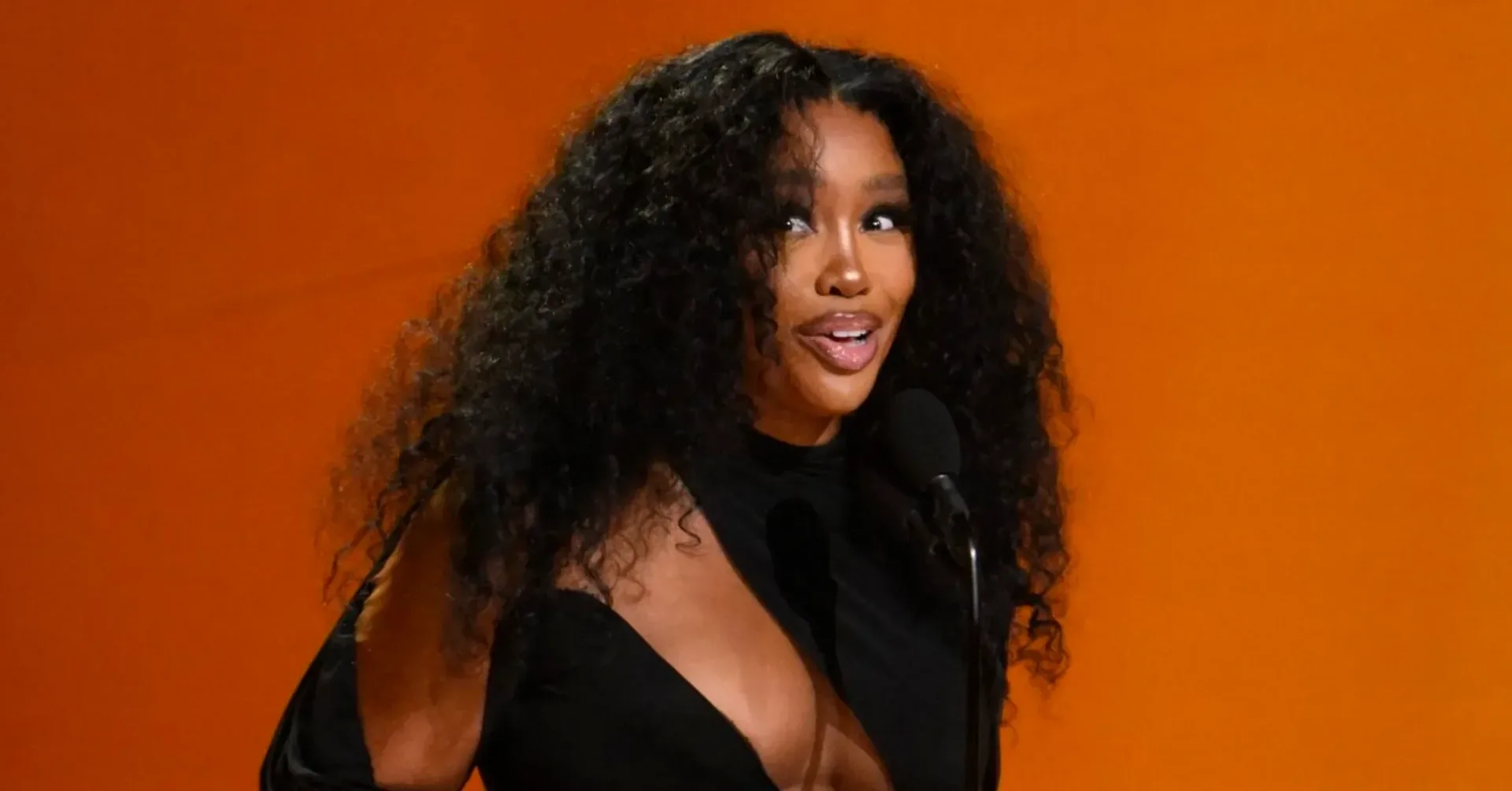
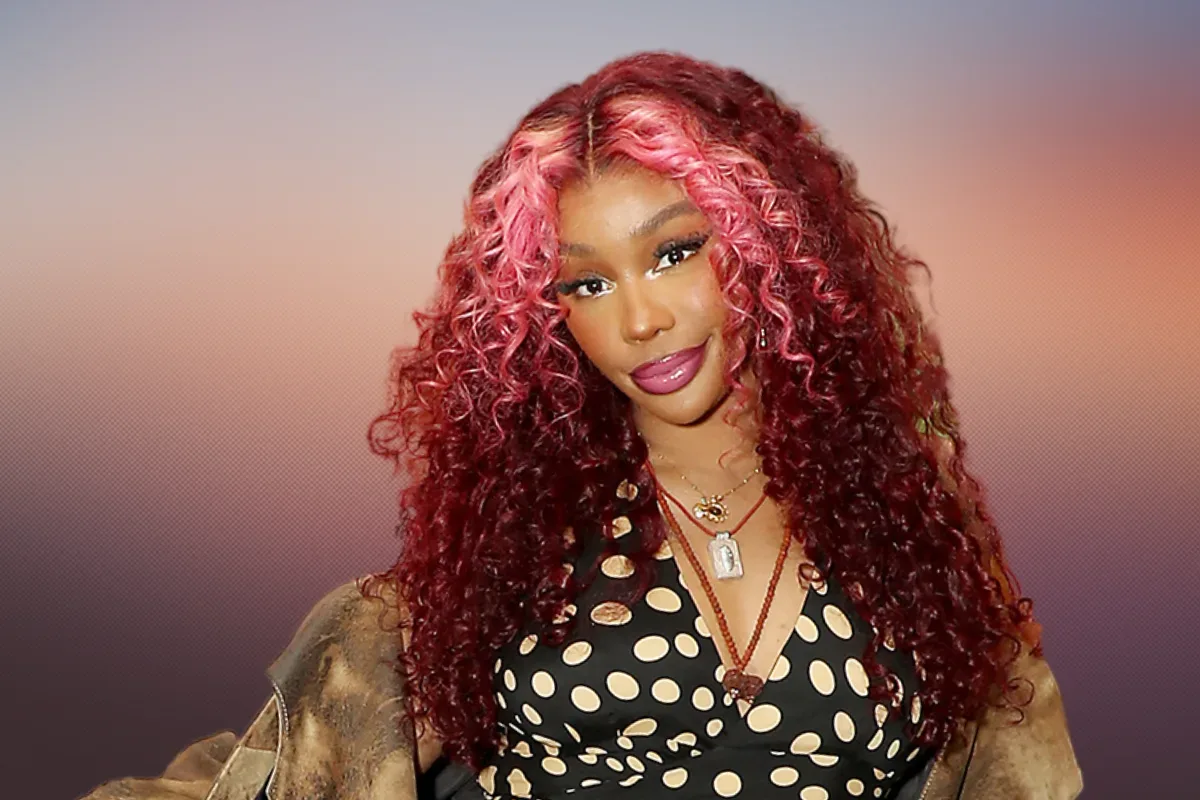
The announced headliners are Dua Lipa, Tame Impala and SZA. The broader roster also includes Madonna, Zara Larsson, Steve Lacy, Don Toliver, Kehlani and Fetty Wap. Coachella is scheduled at the Empire Polo Club in Indio, California, across two weekends: April 9 through 11, followed by April 16 through 18.
For listeners who hoped for a Drake appearance, that confirmation closes the immediate question of whether he will be part of this edition’s advertised program. It also puts attention on the festival’s hip-hop representation. Don Toliver, Kehlani and Fetty Wap are among the billed names, but some fans have viewed the lineup as comparatively light on hip-hop acts relative to the scale of the event and the genre’s enormous audience.
That is not the same as saying the bill lacks major artists. The top line pairs pop, alternative and R&B forces with an undercard that spans several scenes. Rather, it speaks to the particular expectation surrounding Drake’s rumored involvement. Adding an artist of his profile would have made hip-hop’s place on the poster feel materially different, whether he appeared as a headliner or in another prominent slot.
Why headline rumors carry so much weight
A headliner is the artist placed at the top of a festival’s daily billing, generally assigned a marquee performance slot. The term is not merely descriptive: it affects how audiences interpret the entire event. A headliner can shape perceived genre balance, attract a distinct segment of attendees and become the visual center of the marketing campaign.
That is why pre-lineup speculation has its own momentum. Once a major performer is framed as a likely candidate, their eventual absence can become a story alongside the confirmed names. In this instance, the conversation is being driven by three overlapping elements: the earlier Drake rumors, the absence of his name on the poster, and his visible Instagram response.
It is also worth separating a social-media moment from a formal statement. The crying emoji reveals no information about conversations behind the scenes. It does not confirm that Drake wanted the booking, that the festival wanted him, or that either side reached a specific stage of talks. Treating it as a reaction rather than a disclosure is the clearest reading available.
Drake’s year and the live-show question
The case for Drake as a plausible Coachella name was easy for fans to understand. He has been associated with three new albums’ worth of material this year, alongside the expectation that a catalogue of major hits would translate into a big festival set. A headline performance would have offered a high-profile setting for material connected to ICEMAN, but the lineup indicates that will not happen at Coachella.
There remains no supplied indication of where or when Drake might next present that music live. Fans should be careful not to fill that silence with assumed tour plans, festival replacements or surprise appearances. The only clear point is narrower: he is not on this Coachella lineup, and he acknowledged the fact in the comments.
The episode also demonstrates how an artist’s online behavior has become part of the event cycle. The lineup reveal creates the initial news; a comment from a high-profile absentee gives it a second life. There is no long explanation to parse, but that brevity is part of the appeal. A crying emoji lets supporters see disappointment, lets skeptics see irony, and lets everyone else keep debating what exactly happened.
The gaming connection is more cultural than logistical
For gaming audiences, Coachella’s lineup conversation may seem outside the usual lane, but the overlap is familiar. Music is embedded in games through licensed tracks, virtual performances, radio stations and soundtrack culture, while major artists frequently move between live-event and interactive-entertainment audiences. Drake’s omission from this festival is a music booking story, not a game announcement, yet it lands within the same broader culture in which artist visibility travels quickly across platforms.
That wider crossover is one reason even a minimal Instagram reaction can draw attention. Online audiences are accustomed to reading posts, comments and emoji responses as fragments of a continuing public narrative. The limit is that fragments are not full context. Until Drake or Coachella provides a direct explanation, the reason for his absence remains unknown.
For now, the confirmed picture is straightforward: Dua Lipa, Tame Impala and SZA lead the Coachella bill; the event returns to Indio for two April weekends; and Drake marked his nonappearance with a crying emoji. Those following his broader relationship with music-industry metrics can also read about Drake’s reaction to YouTube’s return to Billboard reporting under a 1,500-play formula.