Claressa Shields has responded after fellow boxer Gervonta Davis criticized the outfit she wore to her Atlanta listening party, using the online exchange to point people toward her new single, Party.
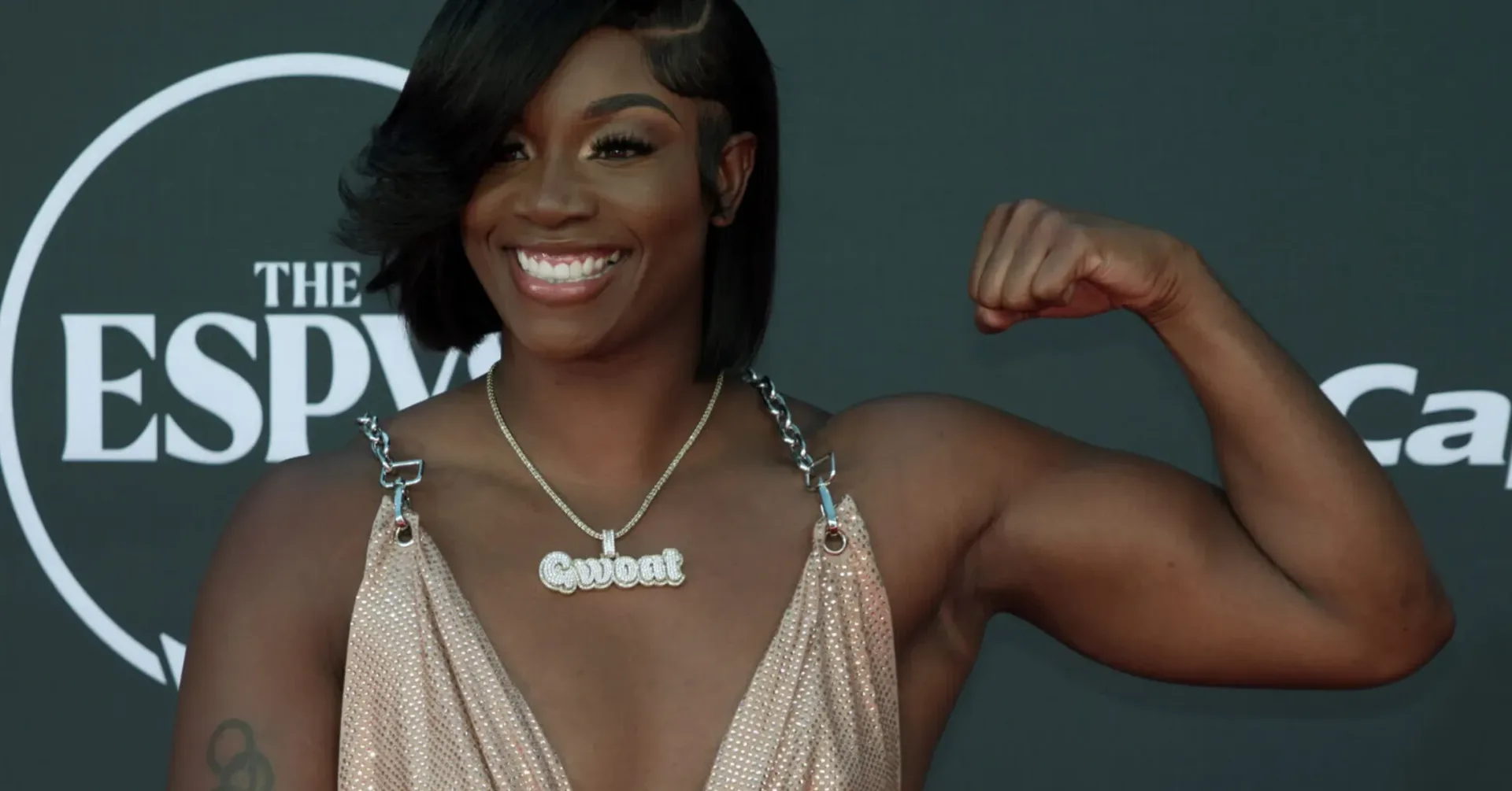
The back-and-forth grew out of video from Shields’ November 2 event, Gloves Off, Mic On. In clips shared around social media, Shields poses on the red carpet in a fitted black look with lace-up detailing across the exposed back and red thigh-high boots. Davis weighed in beneath the circulating footage with an insult aimed at the outfit.
Shields then reposted the comment on X and answered with a far more marketable instruction: “Keep streaming Party.” She also directed followers to the song on Apple Music. It is a simple pivot, but a pointed one. A moment initially framed as a fashion pile-on became another occasion to put the title of her record directly in front of people already watching the argument.
From red-carpet criticism to single promotion
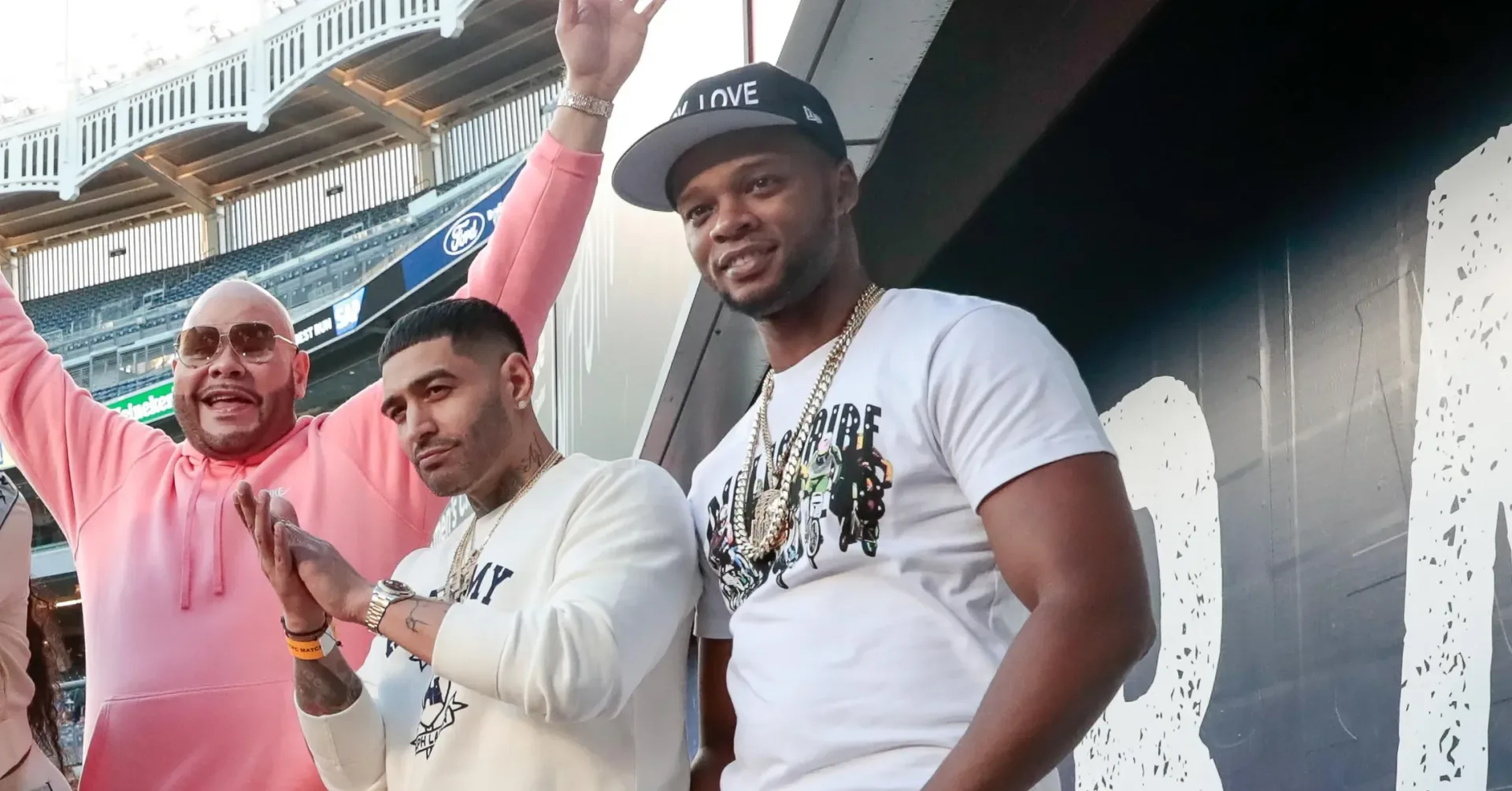
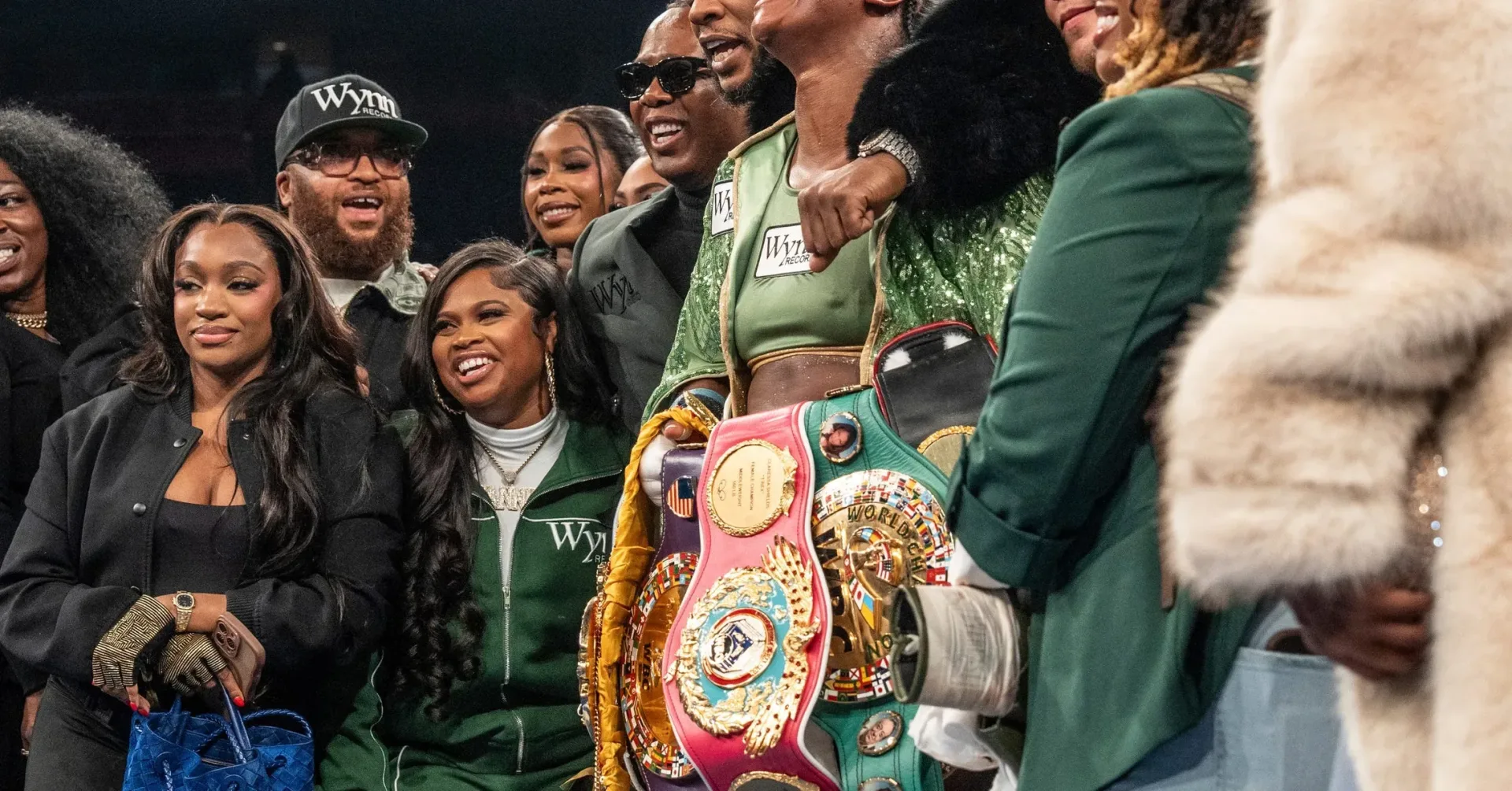
The exchange is notable less for revealing a new sporting rivalry than for showing how Shields is positioning a music release alongside an already prominent boxing career. Her Atlanta event was held to celebrate Party and preview material from an upcoming album called What Did You Expect. More than 500 people attended, and Shields previewed nine tracks. Her boyfriend, Papoose, also joined her onstage.
A listening party is a promotional event built around playing unreleased or newly released music for invited guests. It is not the same as a conventional concert, where the audience is there primarily for a full live performance. Here, the format gave Shields a setting to introduce an album-in-progress and make the single’s launch feel like an occasion. The red-carpet video added an unplanned layer of attention, and the Davis comment extended that attention online.
That does not mean the criticism itself was the objective, nor does it establish what effect it will have on streams. But Shields’ reply makes the immediate strategy clear: rather than debate every judgment of the outfit, she attached the discussion to the work she wants listeners to find.
It is also a reminder that celebrity posts can operate as promotion even when they do not resemble an advertisement. The message was short, informal and playful, but it named the song and gave interested viewers a route to it. For an artist introducing a new musical identity, name recognition matters. In that sense, “Keep streaming Party” is both a rebuttal and a campaign line.
The personal response and the need for precision
Shields did not stop at promoting the track. In a second, sharply personal message, she referred to domestic-violence allegations involving Davis and used a derogatory descriptor that should not be repeated or normalized. The response plainly escalated the tone from a fashion insult into an attack on Davis’ public record.
Related coverage includes Claressa Shields Fires Back at Gervonta Davis and Promotes ‘Party’.
There is an important distinction to maintain here. Davis has faced criminal charges and civil allegations involving domestic violence. Among the allegations referenced in the discussion is a claim by former girlfriend Courtney Rossel that Davis physically attacked her during an October 2025 incident at a Miami Gardens nightclub. Davis has denied the allegations, while his attorneys have previously accused Rossel of attempting extortion.
Allegations, charges and civil claims are not interchangeable with a finding of guilt. That distinction is more than legal fine print: it is essential context whenever social-media posts compress serious disputes into a punchline. Shields’ post invoked those allegations as part of an insult; it did not resolve any of the underlying proceedings.
The episode therefore has two very different layers. One is a relatively familiar online spat over a celebrity’s fashion choice. The other involves claims of violence and legal matters that require careful language. Treating them as identical kinds of gossip would flatten a meaningful difference in seriousness.
Shields’ music rollout remains the central development
For Shields, the bigger immediate story is the ongoing introduction of her music. She is undefeated in boxing, but Gloves Off, Mic On put the emphasis on a separate creative lane. The event title itself presents that transition plainly: boxing remains part of the identity audiences know, while the microphone signals a new public role as a recording artist.
The album title, What Did You Expect, and the debut push around Party suggest that Shields is asking audiences to meet her outside the ring as well as inside it. The supplied details do not establish a release date for the album, a full track list, featured artists, or the scope of its distribution, so those points remain unknown. What is clear is that she played nine songs for attendees and said more music would arrive the following week.
Launching music while being known for another profession carries an obvious challenge: the audience may initially engage with the personality and the headlines before engaging with the songs themselves. Shields’ reply to Davis embraces that reality instead of separating the two. The attention came from a disagreement between fighters; the call to action was to listen to Party.
There is precedent across entertainment for an artist’s rollout being shaped by the broader cultural conversation around them, but the available facts here only support a narrower reading. Shields made the single available, hosted a substantial Atlanta event around it, previewed additional material, and directly leveraged a viral exchange to foreground the record. Whether that produces a sustained music audience is a question that cannot be answered from one night or one social-media post.
What the exchange does—and does not—tell us
- It does show that Shields is actively promoting Party and her forthcoming album, What Did You Expect.
- It does show that Davis’ outfit critique was amplified online after video from the Atlanta listening party circulated.
- It does show that Shields chose to turn the remark into a direct plug for her music.
- It does not show streaming totals, commercial performance, or a release date for the full album.
- It does not establish the outcome of the legal matters alluded to in Shields’ subsequent post.
A familiar internet pattern, with higher stakes in the background
There is a recognizable rhythm to the dispute. A red-carpet clip travels fast; commenters focus on an outfit; a famous peer adds a blunt opinion; the person at the center replies publicly; and the argument becomes a larger attention event than the original footage. Shields’ response stands out because it did not merely reject the insult. It supplied a product name and a listening destination.
That practical use of visibility is particularly relevant in music, where a concise title repeated in a high-traffic conversation can be more useful than a long explanation. The post did not require anyone to agree with the outfit, the insult or the escalation. It simply redirected the audience toward Party.
At the same time, the personal nature of Shields’ follow-up illustrates the downside of conflict-driven promotion. The subject can quickly move away from music and toward allegations, reputational arguments and language that obscures rather than clarifies the issues being raised. The single may have been the intended destination, but the dispute also carries baggage that cannot be reduced to promotional banter.
For readers following music culture more broadly, the story lands amid continued discussion about how established names use public platforms to shape their next acts. Kool DJ Red Alert’s planned WBLS farewell, for example, reflects a different side of music visibility: the enduring value of a platform and an audience connection built over time. Shields is operating in a much newer, more immediate promotional environment, where a post about a single can be delivered in the middle of an argument.
For now, the firm details are straightforward. Shields wore a headline-making look at her November 2 Atlanta listening party. Davis criticized it online. Shields fired back, promoted Party, previewed nine songs from What Did You Expect, and said more music was coming. Everything beyond that—how the record performs, how listeners respond to the project, and where the public dispute goes next—remains to be seen.