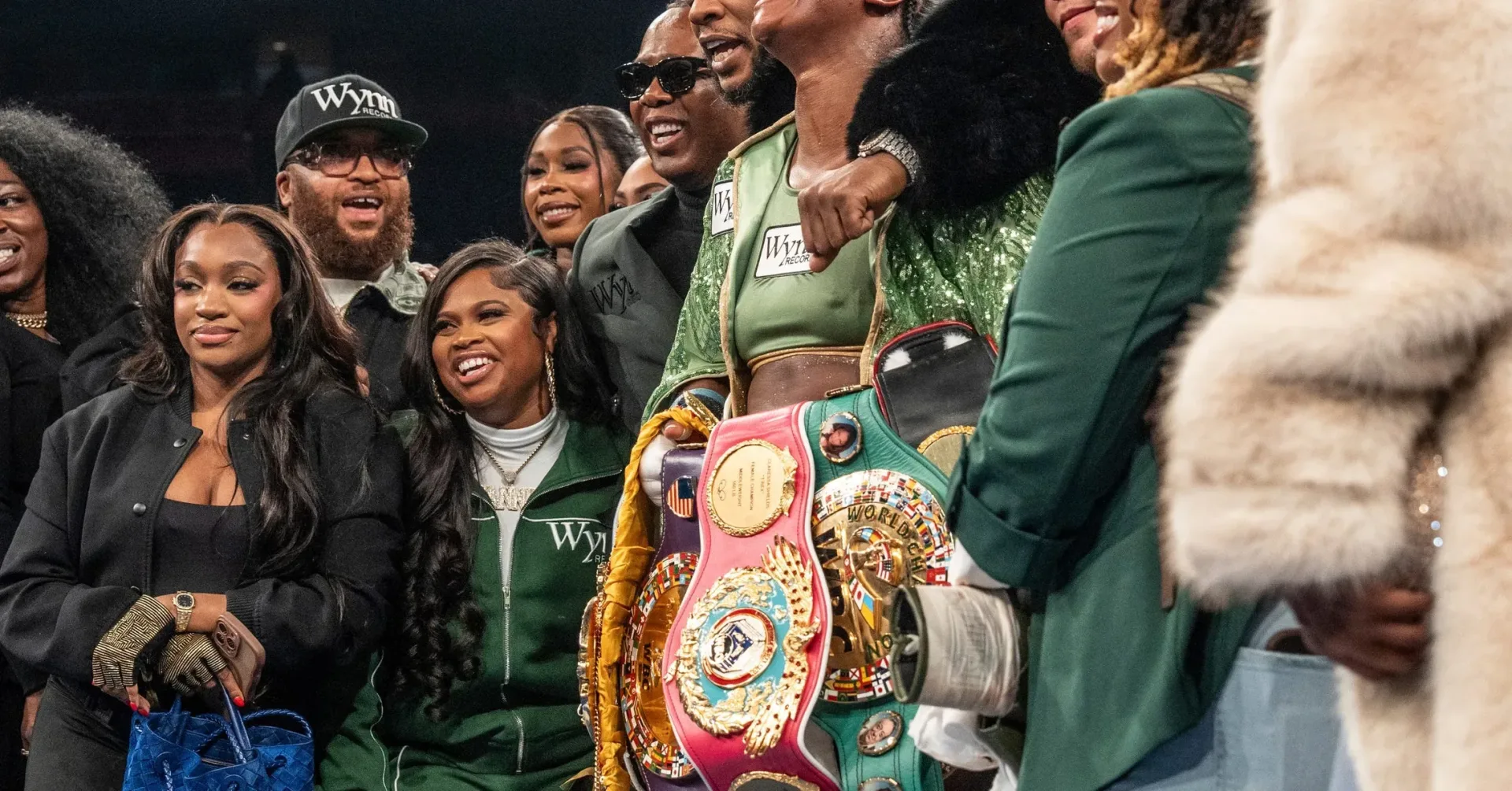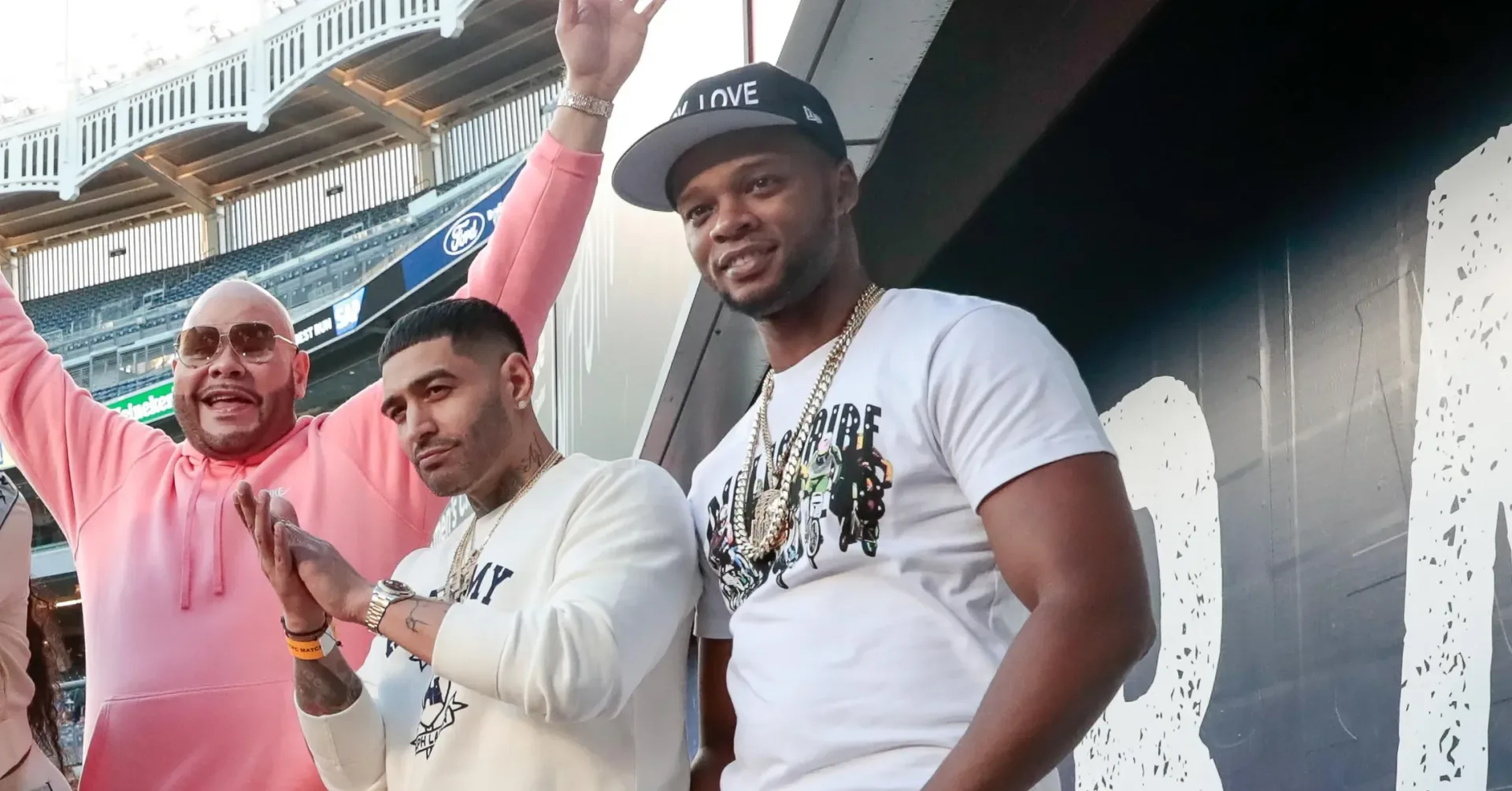
Eazy The Block Captain has added another record to his public lyrical conflict with Papoose, releasing “Letter To Claressa”, a diss track addressed to boxer Claressa Shields. The song moves the dispute beyond direct exchanges between the two rappers by making Shields, who has been linked to Papoose, the focal point of its message.
The title establishes that framing immediately. Rather than using Shields merely as a reference point in a song aimed at Papoose, Eazy speaks toward her, arguing that she could do better and warning her about Papoose’s alleged behavior. Those claims are part of the track’s antagonistic argument and should not be read as established fact.
It is the latest musical development in a highly personal online and lyrical dispute involving Papoose, Eazy, Remy Ma and Shields. Public cheating allegations connecting Remy Ma and Eazy surfaced years ago, and the resulting conflict has remained tied to changing relationship dynamics as well as rap’s familiar culture of public rebuttal.
A direct address changes the diss track’s target
A diss track is a competitive rap record built around attacking or challenging another person, usually through insults, claims, jokes, technical rapping or some mixture of all four. In this case, “Letter To Claressa” adopts the language of a personal message. That does not make it a private conversation: the song is still designed for a public audience, where every accusation and response becomes part of the conflict’s larger narrative.
The distinction matters because the record reportedly takes a different route from Eazy’s earlier disses. Previous shots focused more squarely on Papoose and Remy Ma’s relationship situation, sometimes treating Papoose’s relationship with Shields as material for a taunt. Here, Shields is presented as the person Eazy wants to persuade. It is a rhetorical change: the song’s argument is not only that Papoose deserves criticism, but that Shields should reconsider her position.
That approach naturally raises the stakes without resolving the underlying questions. Diss records often mix performance, grievance and strategic exaggeration. Listeners can evaluate the music’s delivery and writing, but they should be cautious about treating unverified personal allegations made in a feud as proof.
Grand production, uninterrupted verses
The track is described as dramatic, driven by a grand instrumental and structured without breaks between its verses. That arrangement supports the record’s confrontational premise. A continuous verse-to-verse flow can make a song feel more like a sustained case than a collection of isolated punchlines, particularly when an MC is trying to establish urgency or insistence.
Eazy’s sharp bars are a key part of the record’s appeal for listeners following the battle. But the song’s central attraction is inseparable from its subject matter. This is not a detached contest of metaphors; it draws force from an already public personal dispute. That reality can produce intense interest while also making it harder to separate the rapping from the interpersonal drama being used as its fuel.
Related coverage includes Eazy The Block Captain Addresses Claressa Shields on “Letter To Claressa”.
For fans of battle-oriented rap, that creates two parallel questions. One is musical: how effectively does Eazy organize his writing, performance and production choices? The other is narrative: does the record shift the conflict, invite a response or simply intensify the same cycle of claims and counterclaims? Those questions are connected, but they are not identical.
Papoose’s prior response sets up an uneven exchange
Papoose previously addressed Eazy with the “Food For Thought” freestyle. Its more dismissive, off-the-cuff posture contrasts with the formal music-video presentation attached to “Letter To Claressa”. The contrast does not establish either artist’s true state of mind, but it does show two different battle strategies.
- Dismissive strategy: A freestyle-style response can frame an opponent as unworthy of a lengthy, polished rebuttal.
- Deliberate strategy: A formally presented song and video can communicate that the artist considers the dispute serious enough to make a fuller statement.
- Audience strategy: Both approaches give supporters material to interpret, debate and circulate online.
In rap conflict, presentation itself can become an argument. A quick response can be interpreted as confidence or indifference; a highly structured release can read as focus and commitment. Neither interpretation is automatic. The audience often supplies much of that meaning based on loyalties that existed before a new track arrived.
That makes the idea of one participant being “unbothered” and another being “adamant” less a settled fact than a reading of their releases. The music gives listeners evidence of contrasting styles, not definitive access to the artists’ private feelings.
Remy Ma and Shields remain part of the public conversation
Remy Ma has also used music to address narratives around the situation through her Alimony EP. Her involvement ensures that the dispute cannot be reduced to a conventional two-MC battle. The surrounding history includes a former high-profile relationship, allegations, new romantic connections and multiple artists presenting competing perspectives.
Shields, meanwhile, has remained visible in the discussion and has pushed back against drama and critics online. Whether she chooses to respond to this specific song is unresolved. Papoose could also answer with another record, or the matter could remain concentrated in commentary, social-media exchanges and ongoing speculation.
The uncertainty is important. A diss track can create the expectation of a reply, but it does not compel one. Nor does a public silence settle the arguments made in a song. It may simply indicate that an artist or public figure has chosen not to extend a conflict on the terms set by someone else.
Why the story travels beyond the record itself
Personal rap disputes routinely draw attention because they offer a combination of music, personality and open-ended competition. In this case, every new track potentially functions as both a song and a public statement within an evolving relationship dispute. That can lead listeners to focus more on who might respond than on the actual construction of the record.
There is still value in keeping those layers distinct. “Letter To Claressa” is a new entry in Eazy The Block Captain’s musical exchange with Papoose, using sustained verses and a dramatic sonic backdrop to direct its argument toward Shields. It is also a document of a messy public conflict where serious claims remain contested and where the most responsible approach is to avoid converting lyrics into verified reporting.
For readers tracking how personal tension becomes music, the record is another example of the line between performance and real-life dispute becoming deliberately blurred. For more coverage of rap’s business and public-facing realities, see Vince Staples’ discussion of the real costs behind touring.
For now, the next move remains unclear. Eazy has made his case in song; Papoose has already answered the broader dispute with a freestyle; Remy Ma has addressed related narratives on her EP; and Shields remains the record’s named addressee. Any further response could push the battle into another musical phase, but the available record supports only that the conflict is still public, still unresolved and still being expressed through competing releases.