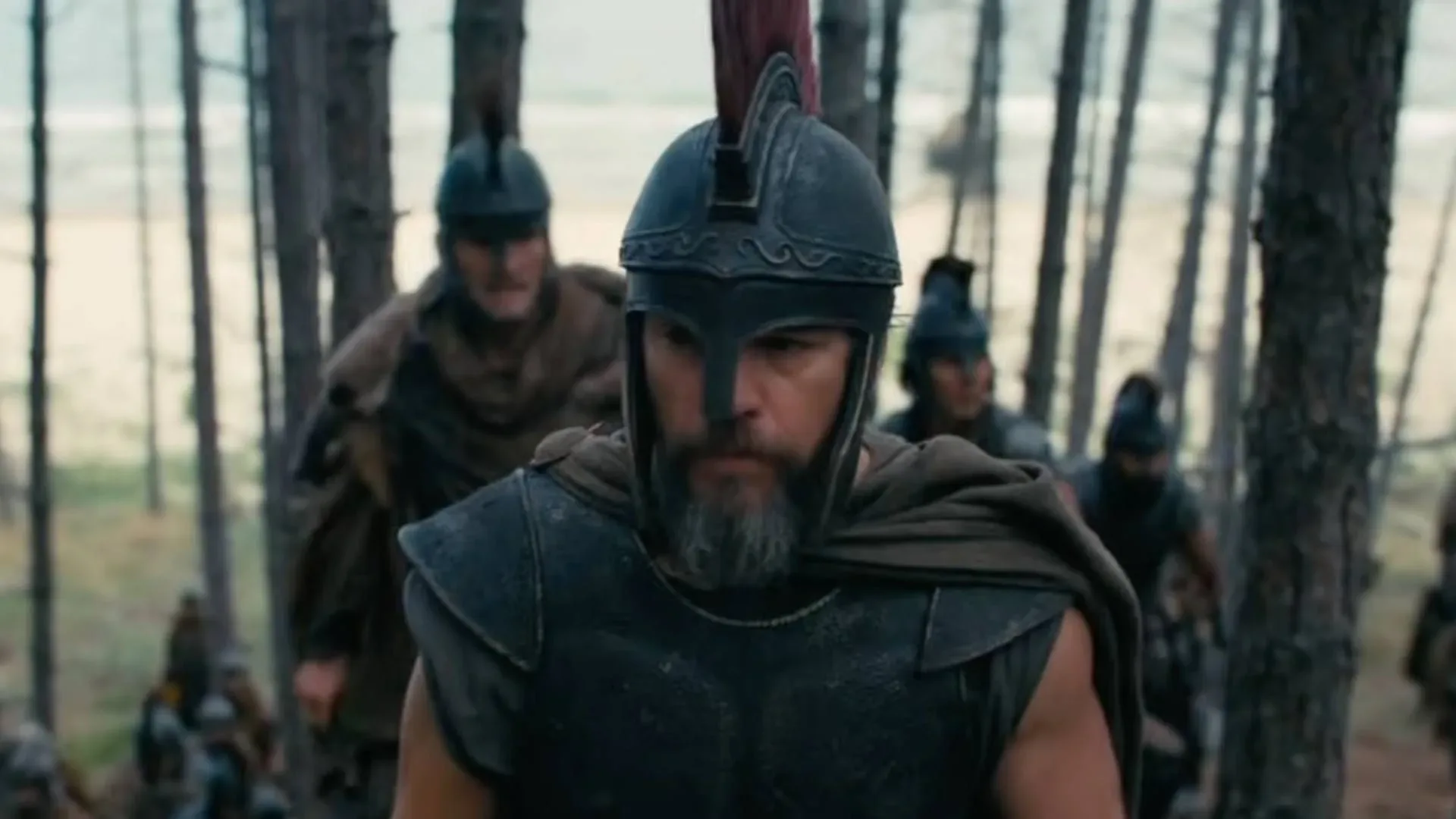
Christopher Nolan’s The Odyssey is approaching a box-office landmark that would place its hero’s famously difficult voyage in surprisingly appropriate company: one more enormous challenge before the finish line. The Greek-myth epic has moved past the $1.6 billion threshold worldwide, with its current total reported at $1.63 billion. That puts it close to becoming the highest-grossing movie in Universal’s history.
The record it is chasing belongs to Jurassic World, which stands at $1.67 billion. The difference between the two films is now roughly $40 million—a meaningful sum, certainly, but a much less intimidating obstacle than cyclopes, monsters, whirlpools, cannibalistic giants, and sorcery. In other words, Odysseus has faced worse.
There is still uncertainty inherent in any box-office race. Totals can shift as theatrical runs continue, and the record is not technically Nolan’s yet. But at $1.63 billion, The Odyssey is clearly in striking distance of the studio’s top spot. It is already an extraordinary result for a film built around an ancient poem rather than an established contemporary screen franchise.
A 3,000-year-old story meets a huge theatrical audience
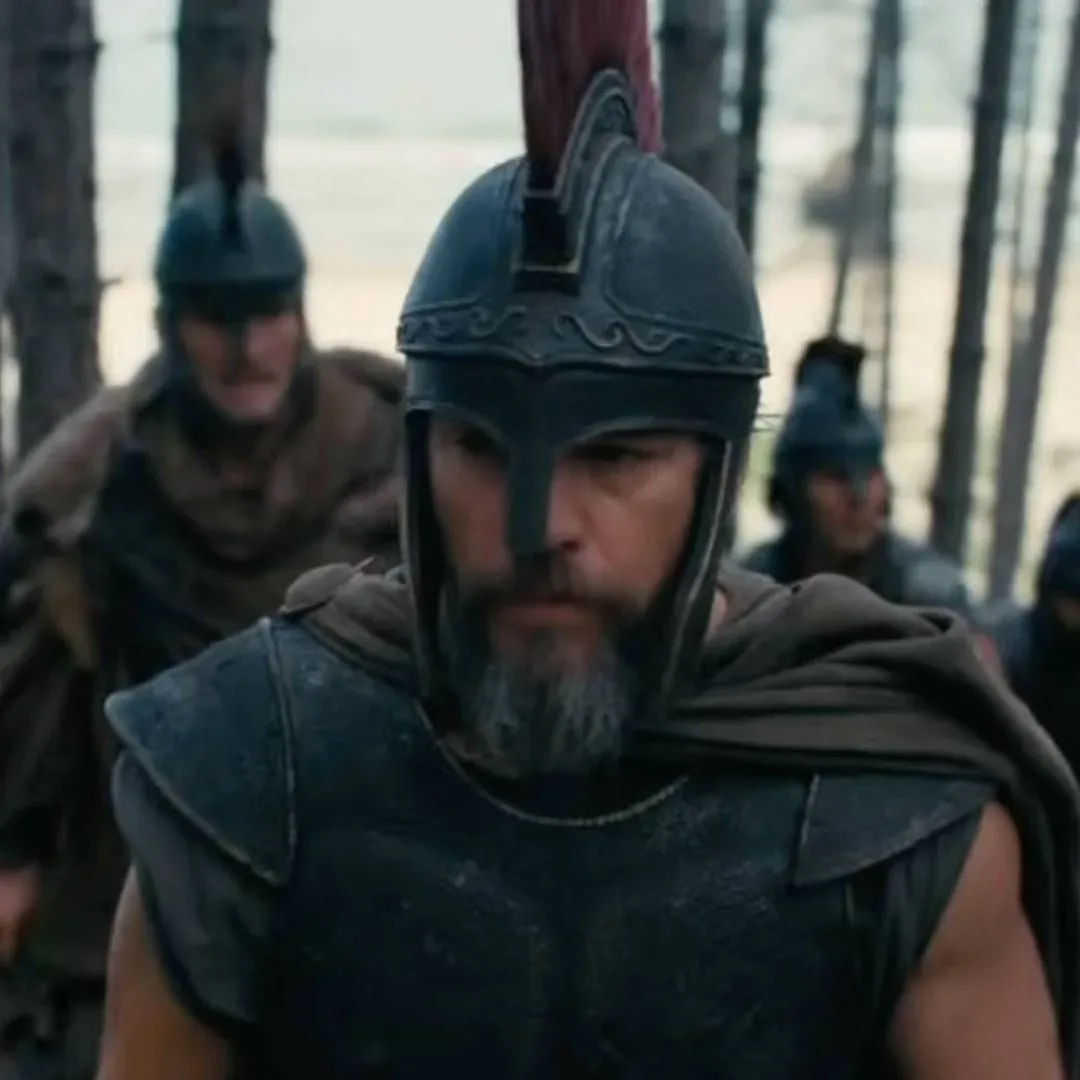
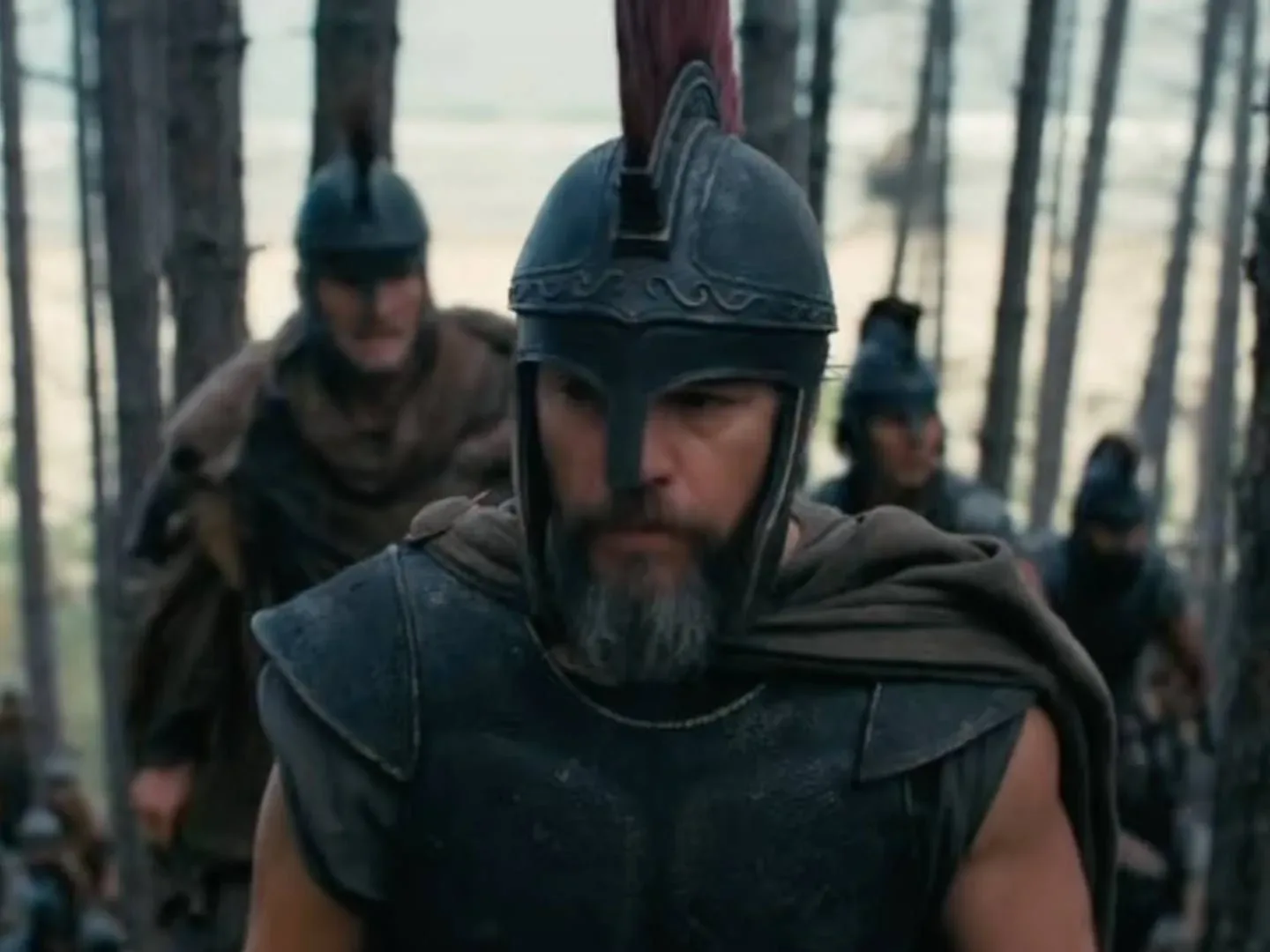
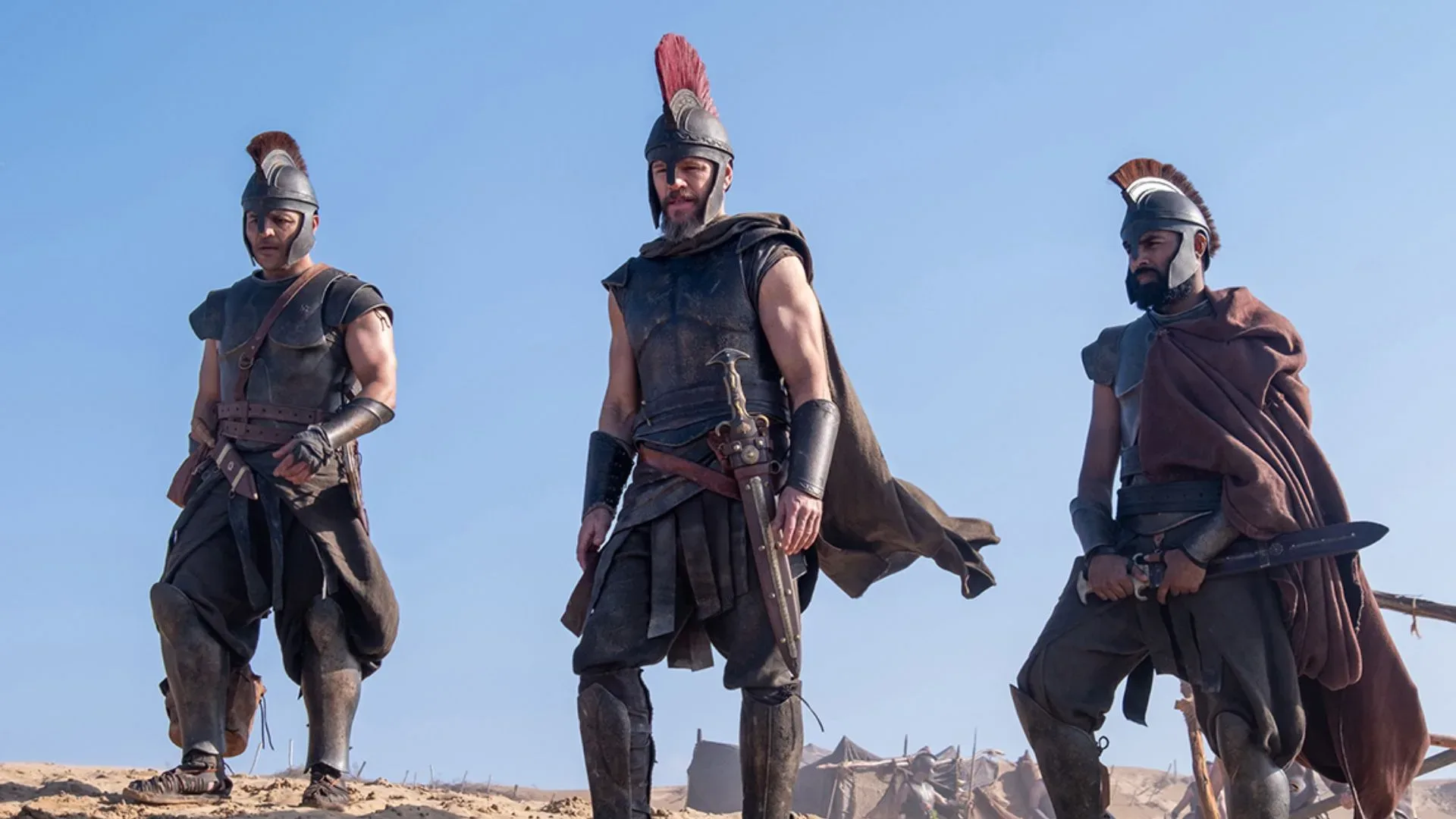
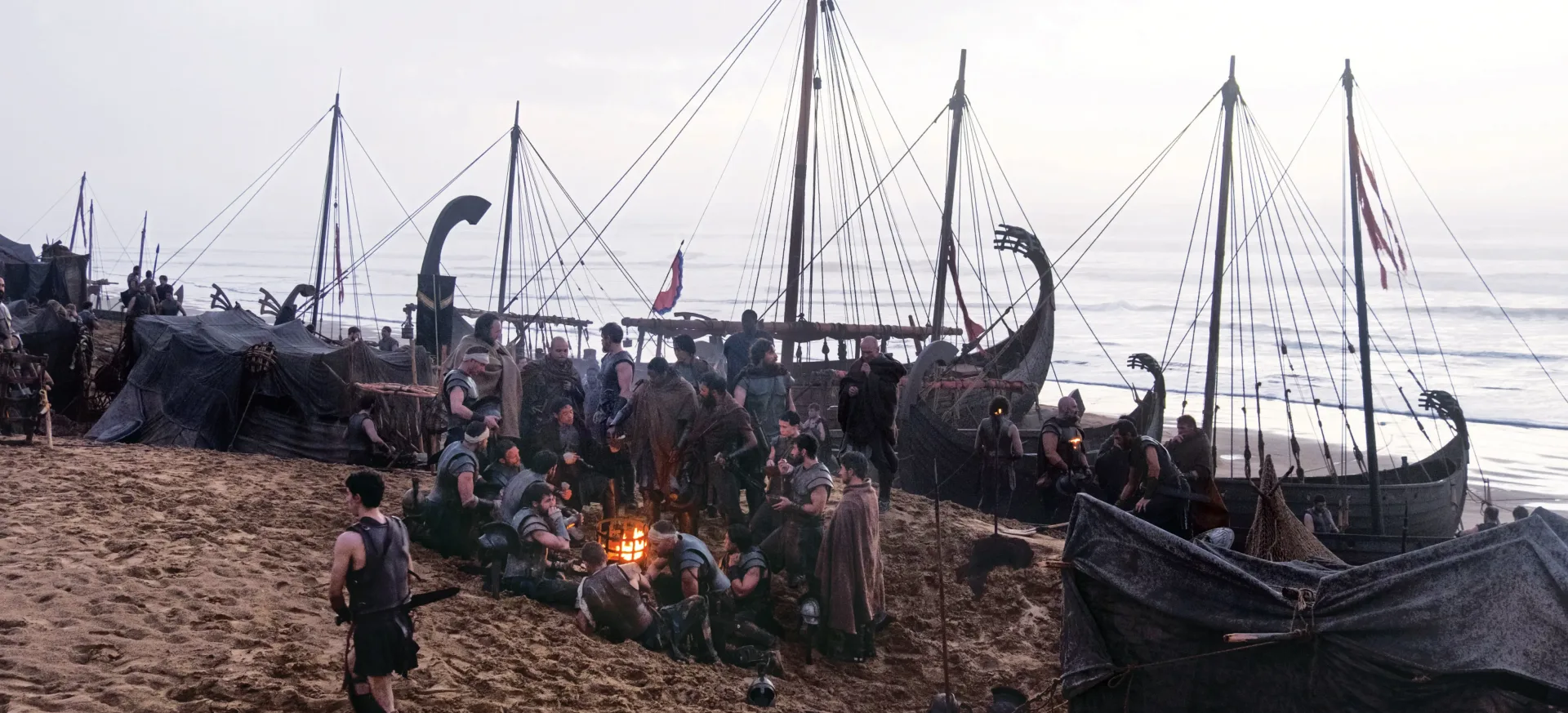
The Odyssey adapts Homer’s foundational tale of a warrior attempting to return home after the Trojan War. Matt Damon plays Odysseus, whose route back to Ithaca becomes a punishing encounter with mythic dangers and human temptation. His long journey includes a cyclops, a sea monster, a colossal whirlpool, man-eating giants, and a witch with an alarming habit of turning men into pigs.
While Odysseus is away, the story also follows the pressure building at home. Anne Hathaway plays Penelope, his wife, who must resist suitors determined to take Odysseus’s place. Robert Pattinson portrays Antinous, the leading figure among those suitors. Tom Holland plays Telemachus, the son who goes looking for information about the father he has scarcely had a chance to know.
That structure gives the movie more than one kind of journey. There is the monster-and-seas odyssey audiences expect from the title, but also Penelope’s political and personal endurance in Ithaca, plus Telemachus’s search for certainty. The material has been retold and reinterpreted for centuries, yet this adaptation has connected at an enormous global scale.
Nolan has framed the project as an opportunity to present audiences with something they may not have encountered in this form before. The basic story is ancient, but its influence runs deeply through adventure fiction, epic filmmaking, homecoming narratives, and stories about flawed heroes tested by distance, time, and consequence. Its impact can be felt in so many later stories that it may seem familiar even to viewers who have never read Homer.
IMAX 70mm demand extends the journey
The theatrical format has been part of the film’s run, not merely a footnote attached to it. IMAX 70mm screenings were extended in response to demand, giving moviegoers additional chances to see the epic in a premium large-format presentation. That extension is a notable indicator of continuing interest, especially for a film whose scale and spectacle appear to be central to its theatrical appeal.
It also helps explain why the film has maintained such a powerful commercial trajectory. Modern releases compete not only with other movies but with an endless menu of at-home entertainment. A special format can make a theatrical ticket feel like an event rather than simply an early way to watch a title that may eventually arrive elsewhere. For a story filled with giant forces of nature and legendary creatures, the draw of an oversized presentation is not difficult to understand.
The success arrives during a period when conversations about cinema frequently focus on what can still persuade viewers to seek out theaters. Premium formats are not a universal solution, and not every movie needs them. But The Odyssey shows how a filmmaker associated with ambitious big-screen work can build urgency around a particular viewing experience. The extended IMAX 70mm engagements suggest that audiences wanted precisely that option.
The larger industry context also matters. Questions around who makes films, who is centered in them, and who gets access to major opportunities remain ongoing; a recent industry discussion on structural action over film’s gender gap is one example of the wider issues facing cinema beyond any single blockbuster. A record-setting run can be exciting, but it exists inside an industry whose future depends on much more than grosses alone.
Records already claimed by Nolan’s epic
The prospective Universal all-time record is not the first major benchmark The Odyssey has cleared. The movie delivered the biggest opening weekend of Christopher Nolan’s career, surpassing The Dark Knight Rises. Considering Nolan’s filmography includes some of the most commercially successful modern studio releases, that is a substantial opening-weekend achievement.
It has also overtaken Deadpool and Wolverine to become the highest-grossing R-rated movie of all time. That distinction is especially striking because it means the film has achieved extraordinary reach while carrying a rating that can limit portions of the potential audience. The result suggests that the combination of Nolan’s name, the scale of the production, the recognizable mythic premise, and the theatrical-format conversation created a rare crossover event.
- Worldwide box office: $1.63 billion
- Universal’s current top-grossing film: Jurassic World at $1.67 billion
- Gap to the record: approximately $40 million
- Christopher Nolan milestone: his biggest opening weekend, ahead of The Dark Knight Rises
- Ratings milestone: the highest-grossing R-rated film, surpassing Deadpool and Wolverine
- Premium-format note: IMAX 70mm screenings were extended due to demand
Why the race with Jurassic World is so notable
Jurassic World is a formidable benchmark. Its $1.67 billion total reflects the kind of global performance usually associated with a vast, familiar franchise. That makes The Odyssey’s approach all the more unusual. Homer’s story is arguably one of the most famous narratives ever created, but it does not function in the marketplace exactly like a contemporary sequel, superhero series, or long-running brand with a recent stream of installments.
Instead, the film’s commercial momentum has come from a new large-scale treatment of a canonical myth. Its achievement does not mean every old text is now guaranteed a billion-dollar screen adaptation. It does, however, demonstrate that audiences can still rally around a story with immense historical weight when it is positioned as an event and given a scale that matches its reputation.
The proximity to the record adds a clear hook to the remainder of the theatrical run. Every additional gain narrows the distance to Jurassic World, and crossing that line would make The Odyssey Universal’s highest-grossing movie ever. At present, the appropriate wording remains that it is on course and within reach, rather than that the crown has already changed hands.
Odysseus is almost home, at least at the box office
There is a pleasing bit of thematic symmetry in the numbers. Homer’s Odysseus is defined by persistence: progress comes slowly, hazards repeatedly interrupt him, and “almost home” is a state that lasts for ages. Nolan’s film is now in its own version of that final stretch. The distance is short compared with the territory already covered, but it still has to be crossed.
For now, the confirmed story is straightforward. The Odyssey has surpassed $1.6 billion, reached $1.63 billion, expanded its IMAX 70mm run in response to audience demand, set Nolan’s best opening-weekend mark, and become the highest-grossing R-rated film ever. Universal’s $1.67 billion record is next. Whether the movie passes it will determine the final headline, but its place as one of the defining theatrical successes of its era is already secure.