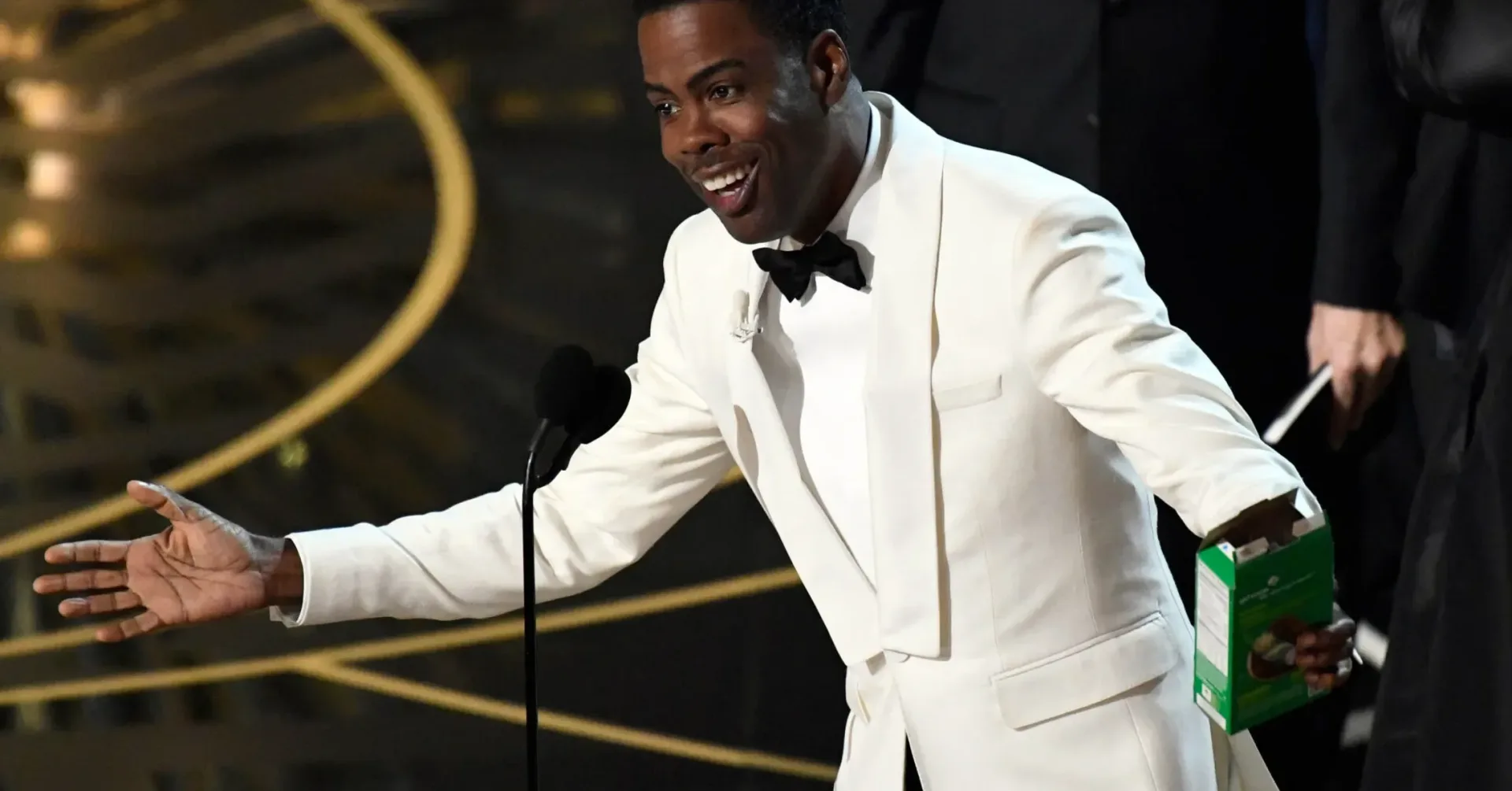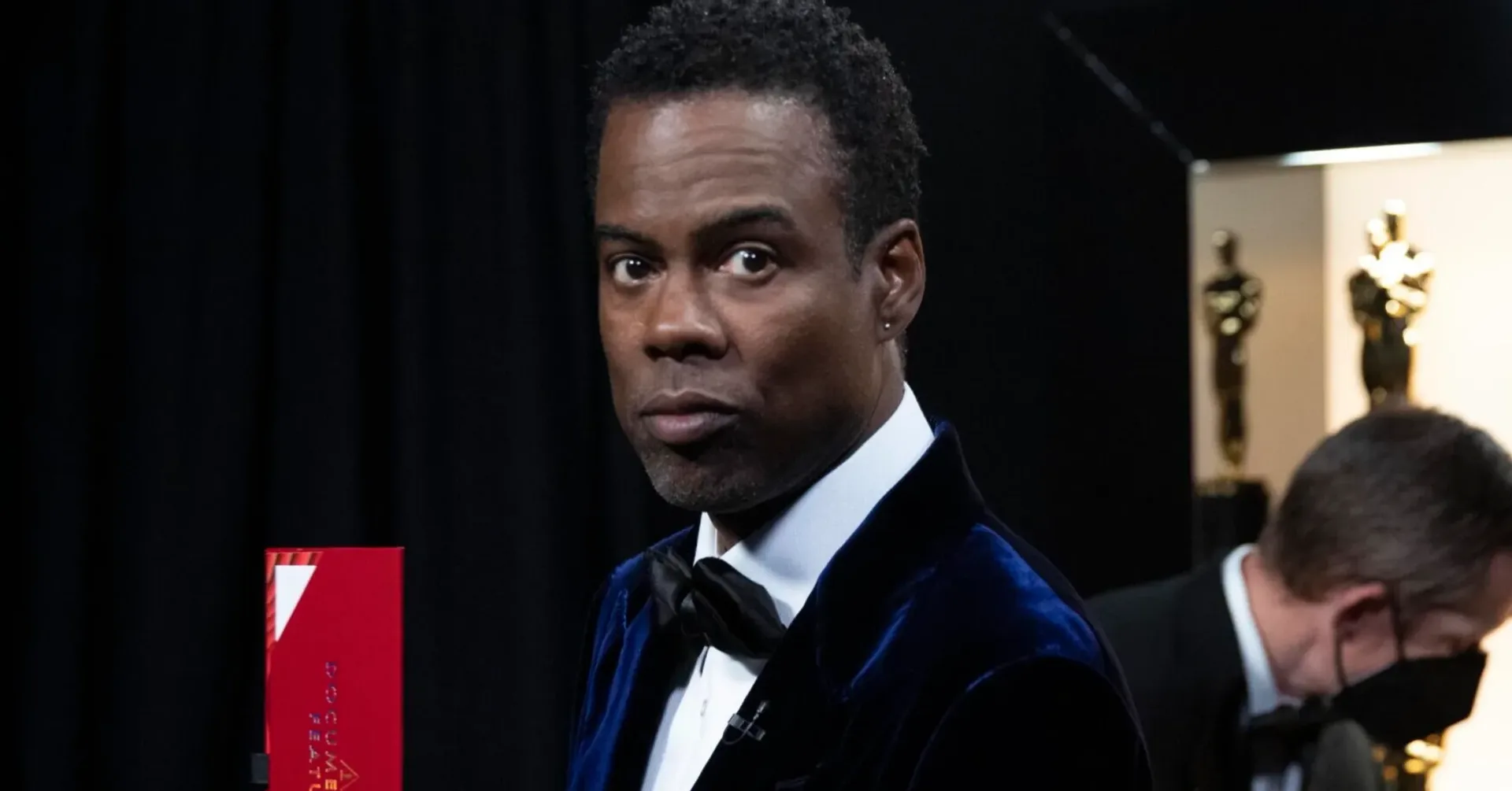
Chris Rock is clarifying the boundary behind his now-familiar answer about returning to the Oscars: he is not issuing an ultimatum to the Academy, campaigning to host again, or attempting to turn his absence into a protest. He simply does not appear interested in placing himself back in an awards-show setting unless he is there as a nominee.
In a recent interview, Rock said that a nomination would be the only circumstance in which he would return to the Oscars. He framed the position less as a demand than as a matter of personal preference, stressing that it is “not like a threat or anything.” The comedian also broadened the point beyond the Academy Awards, indicating that he feels similarly about awards shows in general.
That distinction matters. The line can sound provocative when reduced to “I’ll only go if I’m nominated,” but Rock’s fuller explanation is not about extracting a promise from an institution. It is about declining invitations that could pull the public conversation back toward a moment he would rather leave behind.
What Rock has said about returning
Rock had previously said that he would go back to the Oscars only with a nomination, while also acknowledging that he does not expect one. In the same earlier comments, he questioned whether his time as the ceremony’s host was over. Rather than presenting himself as a candidate for the job, Rock praised Conan O’Brien’s awards-show hosting and made clear he was not seeking another turn at the podium.
The practical difference between attending as a nominee and appearing as a host or presenter is substantial. A nominee attends because their work is part of the competition. A host or presenter is there to serve the ceremony: guide the broadcast, deliver comedy, introduce awards, and become part of the event’s public-facing identity. Rock’s comments suggest he sees little reason to take on that latter role again.
He is 61 and says his attention is on projects currently in development, including television and film scripts as well as a book. That focus gives his answer a more straightforward reading: Rock wants his public identity to be tied to work he is making now, not to recurring questions about an awards-show appearance from years ago.
Why the 2022 Oscars remains part of the discussion
Rock was presenting an award at the 2022 Oscars when Will Smith came onstage and slapped him following a joke about Jada Pinkett Smith’s shaved head. Smith later apologized and received a 10-year ban from Academy events.
The episode became one of the ceremony’s most widely replayed and debated moments. It has also left Rock in an awkward position whenever the Oscars comes up. Even a basic question about whether he might host, present, or attend can quickly become a question about the confrontation instead of his comedy or newer creative work.
Related coverage includes Chris Rock Says Oscars Return Would Require a Nomination.
Rock addressed the incident at length in his 2023 Netflix special Selective Outrage. His more recent comments, however, point in another direction. He acknowledged that the event happened and called it uncool, but he does not want continual discussion of it to define his career or dictate what people ask about next.
“Something happened. It wasn’t cool.”
That is a deliberately narrow way of describing something that generated enormous public reaction. Rock is not disputing that people saw it or pretending it had no lasting impact. Instead, he is drawing a line between acknowledging a highly public event and allowing it to become the permanent organizing fact of every conversation about his work.
What “moving on” means in this case
Moving on does not necessarily mean the incident will disappear from public memory. Rock himself has said it will probably follow him for the rest of his life, despite the work and accomplishments that came before it. For a public performer, especially one connected to a globally watched live broadcast, complete separation from a defining viral moment may be unrealistic.
But moving on can mean choosing where to invest time and creative energy. Rock’s current emphasis on scripts and a book offers a clear alternative to another cycle of awards-show speculation. Writing for television, film, and a book places the attention on projects that can develop outside the live-event format that now carries an obvious association for him.
There is also an important difference between a performer declining an appearance and a performer withdrawing from public work. Rock is not describing a retreat from comedy, entertainment, or new projects. His remarks instead indicate selectivity about the setting. An awards-show invitation is no longer automatically attractive simply because it is prestigious or high-profile.
That is particularly relevant to the Oscars, where a host or presenter can become the focus of intense, immediate scrutiny. The job is built around live television and fast reactions. Rock’s comments imply that, unless he has a direct professional stake through a nomination, the benefits of returning do not outweigh the prospect of reopening a conversation he has already addressed.
A nomination is a different kind of appearance
Rock’s nomination condition should not be read as a prediction that he has a specific eligible project headed toward the Academy Awards. He explicitly said he is not getting nominated. Nor did he announce a film, a campaign, or any plan to pursue recognition.
Instead, the condition sets a meaningful threshold. A nomination would center an eligible piece of work and give Rock a reason to attend that is separate from serving as an onstage personality. It would shift the occasion, at least in principle, from “Will Chris Rock return after 2022?” to “What work is Chris Rock being recognized for?”
That distinction is the heart of his position. A return as a host or presenter could invite audiences and media to treat the appearance as a symbolic revisit to the slap. A return as a nominee would still attract attention, but it would begin with the work itself. Rock appears to prefer the latter premise—or no appearance at all.
The career focus behind the answer
Rock has spent much of his career being recognized for what he says in public, whether in stand-up, film, television, or an awards-show monologue. His latest comments place fresh emphasis on the work happening away from a stage: developing television and film scripts and writing a book.
That shift does not mean he is abandoning performance. It does mean that his priorities, as described here, extend beyond the next live appearance. A script is a project built over time; a book similarly offers space for a longer-form creative voice. Neither is dependent on the immediate reaction cycle of an awards broadcast.
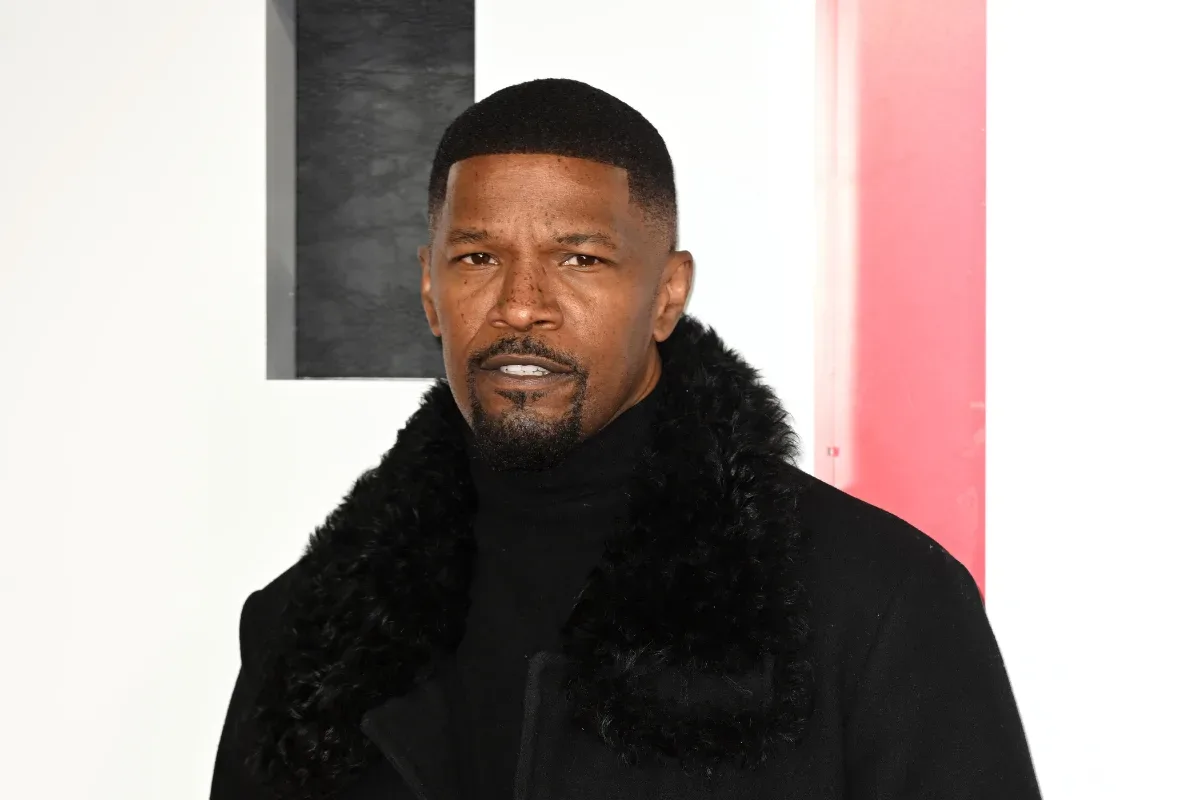
Other entertainment figures are also regularly balancing public attention with work being made off-camera, as seen in Jamie Foxx’s plans while filming Deadlocked. In Rock’s case, the immediate point is narrower: he wants the discussion to turn toward the projects ahead of him rather than remain attached to a single night in 2022.
No bid for an Oscars comeback
Rock’s comments leave little room for a conventional “Will he or won’t he?” Oscars comeback narrative. He is not asking to be invited back as host. He is not presenting his stance as punishment for the Academy. And he is not promising that a return is around the corner.
His answer is simpler than the headline-friendly version: absent a nomination, he would rather not go. The reasoning is rooted in a desire not to keep revisiting an uncomfortable public event, whether at the Oscars or at another awards show.
For now, the projects Rock says he is writing are the more useful measure of what comes next. Any future Oscar appearance would require a different context—recognition for the work—not another invitation to relive the moment people already know.