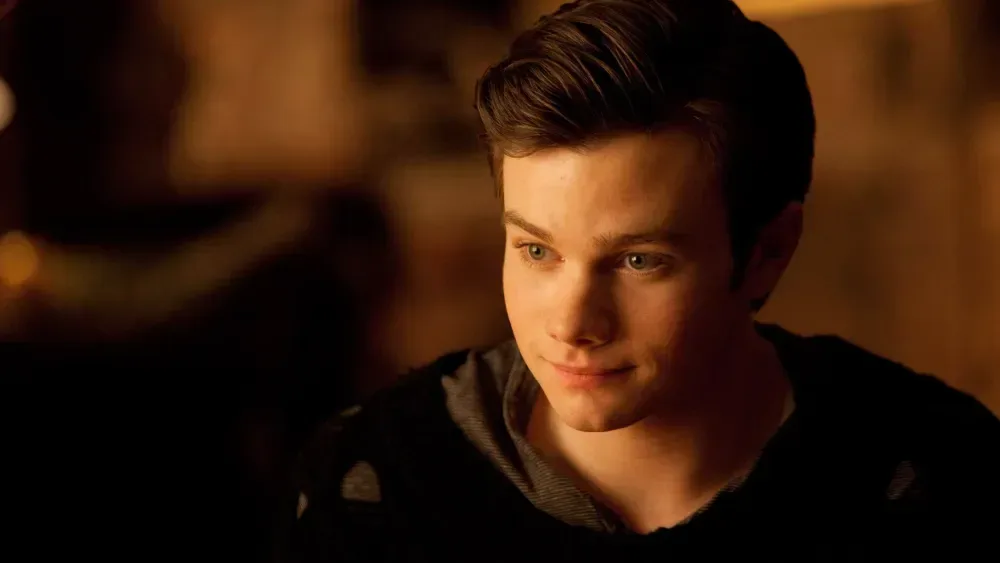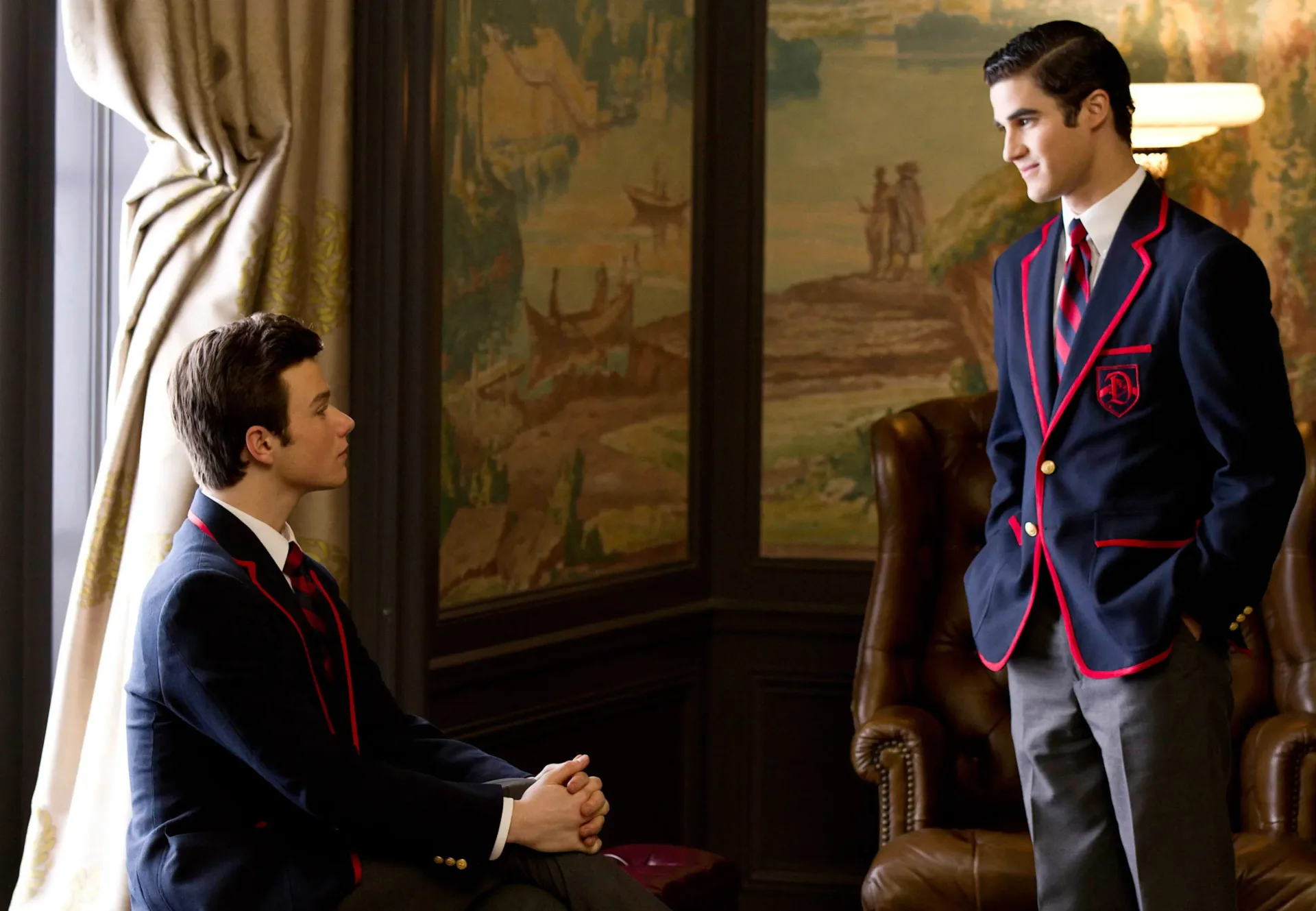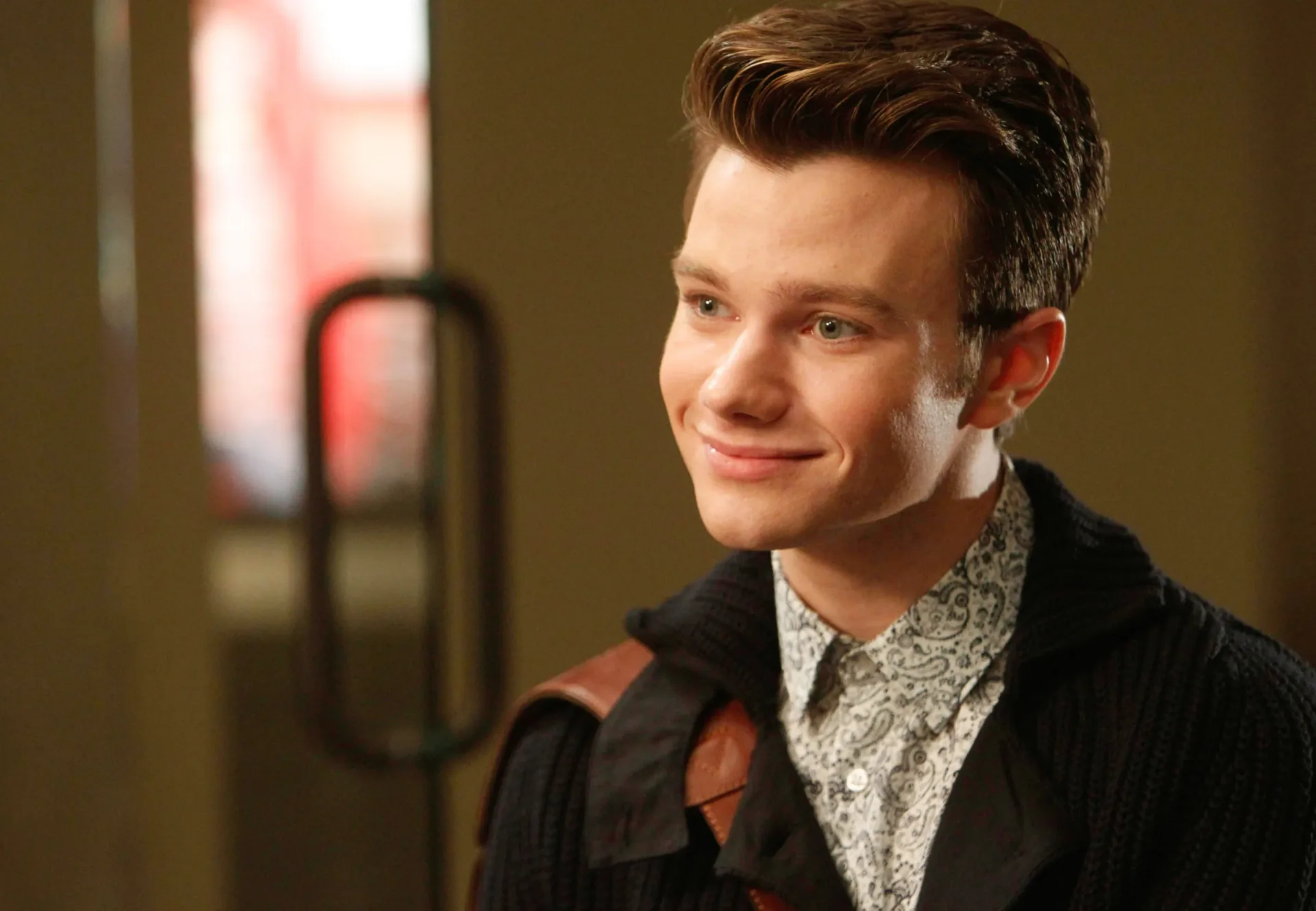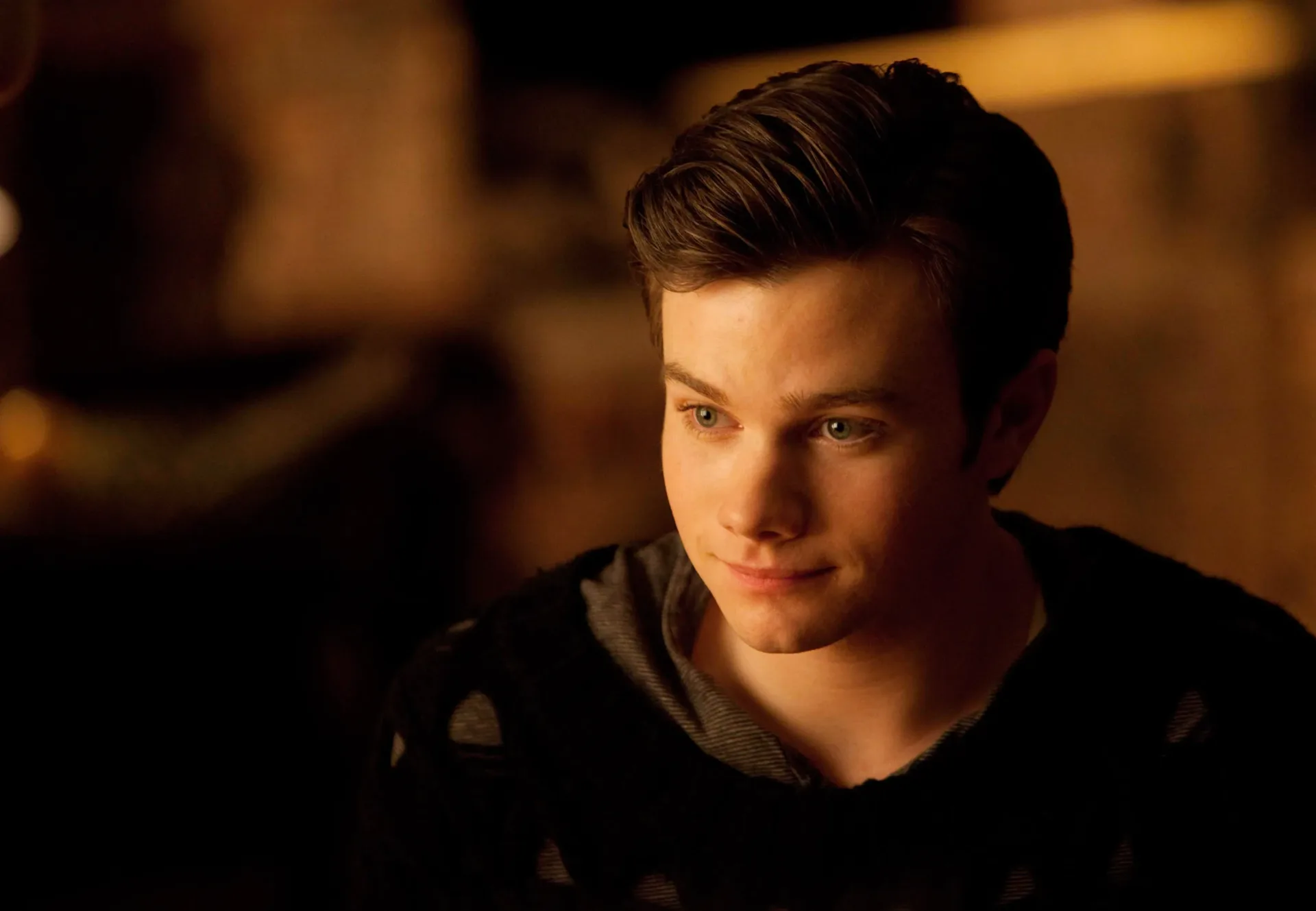
Chris Colfer says a surprise return to the musical world associated with Glee became something much more personal than a nostalgia cameo. Appearing with Darren Criss during Criss’ London concert on October 18, Colfer performed “Baby It’s Cold Outside,” a deliberate nod to Kurt Hummel and Blaine Anderson, the characters the pair played on the musical dramedy.
The audience response at Royal Albert Hall caught Colfer off guard. He said the appearance had been planned for months, but he expected a modest burst of recognition rather than a standing ovation. For an actor whose time on the series included exposure to homophobia and hostility, the response became, in his words, “really healing.”
Colfer’s comments matter because they put a familiar kind of reunion in a fuller frame. A beloved television pairing returning to perform a recognizable song can read as a simple fan-service beat. Here, though, the event also reminded Colfer that Kurt’s connection with viewers outlasted both the show’s run and the negative treatment he says he experienced around it.
A performance built around shared television memory
Criss played Blaine Anderson and Colfer played Kurt Hummel, whose on-screen relationship was a central part of Glee for many viewers. Their London duet was framed as an homage to those characters rather than a newly announced on-screen project. That distinction is useful: the October performance was a live concert moment, not confirmation that Kurt and Blaine will necessarily return in a future production.
Still, a live performance can carry its own meaning. Television roles often become a shared shorthand between performers and an audience. A song, a pairing, or even the sight of two actors sharing a stage can immediately evoke the emotional history viewers attached to fictional characters. In this case, the standing ovation suggested that the audience saw more than a surprise guest spot. It recognized Kurt and Blaine’s place in their own cultural memory.
Colfer described the night as a life highlight and said he had not anticipated its scale. The reaction was especially meaningful, he explained, because it countered a feeling that the hostility directed at him and criticism aimed at the series after it ended had obscured the positive effect Kurt had on people.
“I had kind of forgotten that that character meant so much to people,” Colfer said of the reception.
That is a revealing distinction. Colfer was not merely praising a warm audience; he was describing a recalibration. When a role has been tied to years of public commentary, including ugly commentary, the loudest reactions can feel disproportionately defining. The Royal Albert Hall response offered a visible reminder of another reality: for many people, Kurt Hummel was meaningful enough to inspire an extended ovation years later.
Why Kurt Hummel’s reception carries extra weight for Colfer
Colfer has previously spoken openly about bullying and about being told early in his time on Glee that coming out as gay could damage his career. During a 2024 television appearance, he recalled being advised to avoid addressing his sexuality. He said he briefly hid it, while also questioning how realistic that was given that he considered his voice and mannerisms impossible to conceal.
The advice he described reflects an attempt to separate a performer’s public career from an important part of their identity. It also illustrates why playing Kurt could not have been a neutral assignment for Colfer. Kurt was a gay character in a highly visible ensemble series, and Colfer’s own public experience was unfolding at the same time. The role, the performer, audience expectations, and outside hostility could all become entangled.
That context makes Colfer’s use of the word “healing” more than a description of an enthusiastic crowd. He specifically connected the experience to homophobia and hatred he encountered while young during the show, along with negative feeling directed at Glee after it stopped airing. The standing ovation did not erase any of that, nor did he present it as doing so. Instead, it served as a powerful reminder that the character’s legacy includes viewers who felt seen, encouraged, or otherwise moved by Kurt.
What “healing” means in this context
In entertainment coverage, “healing” can sometimes become vague shorthand for a sentimental reunion. Colfer’s explanation gives it a much more concrete basis. He had come to feel that the intensity of hateful responses had made him lose sight of the character’s positive resonance. The audience reaction supplied immediate evidence of that resonance.
It is important not to overstate what one concert response can prove. An ovation does not represent every viewer, settle every debate around a long-running show, or define the full legacy of its cast. But it can show that a substantial room of people still recognizes the character with affection and emotional investment. For Colfer, that was enough to make the moment unusually significant.
The practical takeaway for fans is also straightforward: a reunion performance can be meaningful on its own without functioning as a contract announcement or a promise of a larger revival. The October duet was a tribute to a connection that audiences already understood. Its impact came from the reaction in the room, not from a new plot reveal.
Reboot talk creates a separate, still-unsettled question
The appearance arrived shortly before reports that Disney+ and Hulu had greenlit a reboot of Ryan Murphy’s musical dramedy. Those reports have also indicated that Lea Michele is set to return as Rachel Berry. Colfer’s own participation, however, remains unresolved.
He has recently said that he is having conversations about reprising Kurt. His description was measured: what he had heard sounded funny and like a good idea, but he stopped short of confirming that he had signed on. That wording is the key point for anyone trying to parse reunion excitement from production certainty.
- Confirmed by Colfer: He is in conversations about revisiting the role.
- Not confirmed by Colfer: That he will appear in the reboot.
- Separate from the reboot: His October 18 performance with Criss, which was a concert homage.
That uncertainty is normal in an early return-to-franchise conversation. A reboot can involve returning cast members in many different ways, from a major continuing role to a brief appearance, and a performer’s interest does not by itself define the final arrangement. There is no basis yet to infer the size of any possible Kurt role, whether Criss would participate, or how closely a new project would revisit Kurt and Blaine’s story.
For now, Colfer’s comments offer a more grounded development than speculation about casting: he is open enough to have conversations, and the idea he has heard has made a positive impression on him. That is meaningful, but it is not a final answer.
The value of separating nostalgia from commitment
There are two parallel stories here. One is about a live reunion between Colfer and Criss that gave fans an emotional callback to Kurt and Blaine. The other is about a potential reboot and the possibility of Colfer returning to the role. They overlap because the concert demonstrated the pair’s continuing pull, but they should not be treated as the same development.
Separating them helps keep expectations realistic. The duet showed that audiences remain ready to respond strongly to these characters. Colfer’s subsequent remarks show that he understands why that response matters and has not ruled out revisiting Kurt. Neither point, however, supplies a cast list or story details for the reboot.
It also leaves room for the most human part of Colfer’s response. The event did not need to launch anything new to be important. At Royal Albert Hall, an audience’s affection helped remind the actor that a character associated with a difficult period of public scrutiny also carried profound value for other people.
For broader pop-culture coverage beyond this TV reunion, read about Dave East joining a North Philadelphia celebration of life for D. Jones.