Hundreds of people gathered in North Philadelphia on November 21 to celebrate the life of rapper D. Jones, known to friends as Jonesy. The gathering came one week after Jones was killed in a shooting on November 14. Family, friends and members of the local music community attended, while balloons were released in tribute.
Jones’ mother, Yolanda Jones, described the turnout as filling her heart. Among those there was Dave East, the Harlem rapper and recording partner who had collaborated with Jones across several years. East’s remembrance centered on Jones’ reputation among the people who knew him: “Nobody could say nothing bad about him.”
The occasion reflected more than a single collaborator’s loss. Jones’ career moved through Philadelphia’s homegrown rap ecosystem, connections with New York artists, overseas travel and recent hometown performances. The people gathered in North Philadelphia were remembering an artist with a local foundation and a network that extended well beyond it.
A Philadelphia artist with long-running connections
Jones had been making music at home well before some of his better-known collaborations. He emerged during Philadelphia’s street-DVD era as part of the Go Gettas and appeared in Young Bob’s Headshots series. That context matters because a street-DVD scene gave local artists a visible way to circulate performances and personalities before modern social platforms became the default route for independent musicians.
In practical terms, those DVDs were part showcase, part regional record of a scene. An appearance could introduce viewers to artists they might not otherwise encounter through mainstream radio or national music television. For Jones, the early work established a Philadelphia identity that remained part of his career even as he recorded with artists from New York.
That regional connection was not simply a matter of geography. Hip-hop collaborations frequently function as a form of artistic bridge: they put artists in front of each other’s audiences, document working relationships and preserve a shared moment in a local or cross-city scene. Jones’ work with Dave East is an example of that longer relationship rather than an isolated guest appearance.
The music shared with Dave East
Dave East and D. Jones had a catalog of recordings together. Jones appeared on “This Summer” from East’s Karma 2 in 2018. They later recorded “Wooh” with Jadakiss in 2020, bringing another major New York voice into the collaboration. In 2025, East and Jones worked on “The Meaning” for Still Counting Blessings.
Those credits show a partnership that continued over time. In an industry where a feature can be a one-off business arrangement, repeated recordings can also signal mutual creative trust. The available record does not define how each session came together, and it would be wrong to invent that story. What is clear is that the pair’s association spanned multiple releases and years.
Related coverage includes Dave East Joins North Philadelphia Celebration of Life for D. Jones.
Jones also connected his Philadelphia roots to wider circles through work with New York rappers. He spoke on his own channel about traveling to London with The LOX, an experience that showed his music and relationships had carried beyond his home city. His career path therefore cannot be reduced to one viral moment, one concert or one collaborative credit.
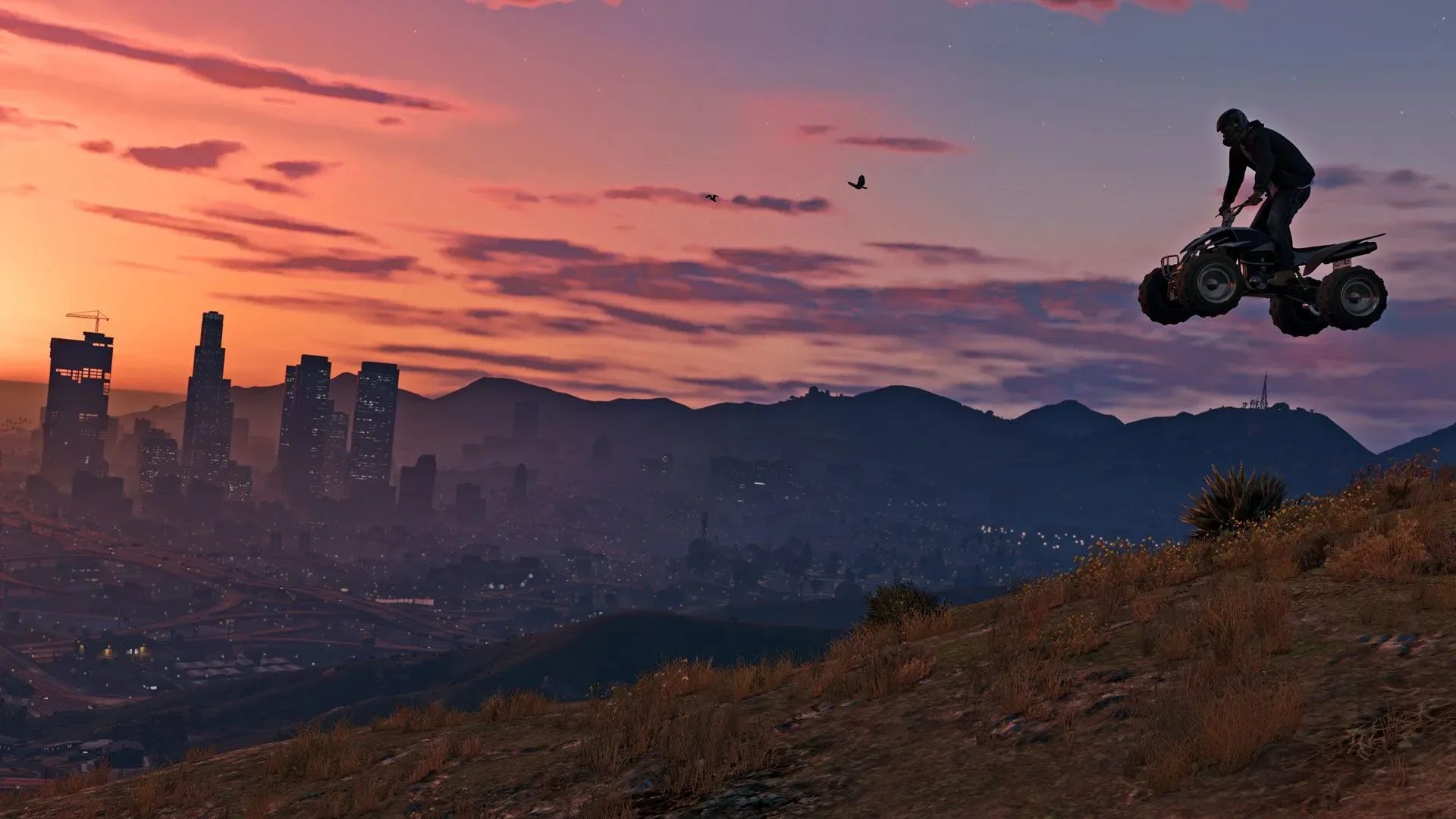
For readers interested in how setting and detail can make a cultural world feel specific, the discussion around place-building in GTA 5 and Vice City offers a gaming-side comparison in a very different medium. Jones’ work belongs to real communities, not fictional world design, but the point about a strong sense of place remains relevant: local identity can be foundational rather than decorative.
Recent milestones in Philadelphia
Jones was also active in the months before his death. During the summer, he shared the stage with Dave East, Young Chris and Freeway at his sold-out Lifers Fest at The Foundry in Philadelphia. A sold-out hometown event is a meaningful marker for an independent or regional artist: it indicates that listeners are willing to show up in person, not merely stream a song or see a clip.
He followed that show with Definition of a Lifer, a seven-song project released in September. The title and the Lifers Fest name point toward a continuing artistic identity, though no further interpretation of the project’s themes is established here. The confirmed details are enough to show that Jones was releasing work and leading live events shortly before his death.
This recent activity also explains why the gathering resonated so strongly with collaborators and supporters. The loss was not solely about earlier chapters of Philadelphia rap history. It involved an artist who was still making records, putting on hometown shows and scheduling future performances.
What is known about the shooting case
Police said Jones was not involved in the road-rage dispute that led to the November 14 shooting. He was 42.
Daniel Dickerson was arrested in connection with the case and faces a murder charge as well as other offenses. A charge is an accusation within the legal process, not a finding of guilt. The supplied information does not provide further details about the allegations, the other offenses, court proceedings or any eventual outcome, so those points should not be assumed.
That distinction is especially important in coverage of a violent death. The remembrance in North Philadelphia concerns a person’s family, friends, artistic peers and local community; the criminal case is separate and should be described with precision. The confirmed account is that police said Jones was not part of the road-rage dispute, and that an arrest and charges have been reported.
A scheduled night of music will continue
Jones’ loved ones said they intend to proceed with a December 4 night of music at VOIX Karaoke, where he had been due to perform. Continuing the event changes its meaning. A planned appearance becomes an occasion for the people around him to gather, share music and recognize the work that was still underway.
No additional details about the format, lineup, admission or timing of the event are established here. Anyone considering attending should seek current information directly from the venue or organizers rather than relying on assumptions. What has been communicated is the family’s intention to move forward with the night.
The November 21 celebration and the planned December event both underline the role music can have after a loss. It provides a common language for people from different parts of an artist’s life: relatives, early local supporters, fellow performers and listeners who came to know the music at different stages. In Jones’ case, that circle included the Philadelphia community where he began, artists with whom he made records and the audience that supported his recent work.
Remembering the work without reducing the artist to the tragedy
It is easy for the circumstances of a death to eclipse everything that preceded it. The account of D. Jones’ career offers a broader picture: early appearances in Philadelphia’s street-DVD scene, work with the Go Gettas, collaborations with Dave East and Jadakiss, a London trip with The LOX, a sold-out Philadelphia event, and a seven-track release in September.
Those points do not claim to tell every part of his story. They do establish that he had a body of work, enduring creative relationships and a meaningful connection to his city. East’s appearance at the celebration of life was thus not a detached celebrity visit; it was a longtime collaborator arriving to remember someone with whom he had recorded across years.
The large North Philadelphia turnout gave visible form to that legacy. For Yolanda Jones, it was a moving sign of how many people cared for her son. For his peers, it was an opportunity to honor Jonesy as a collaborator and friend. And for people who knew him through the music, the upcoming VOIX Karaoke gathering offers another moment to recognize an artist whose work and local ties remained active until the end.