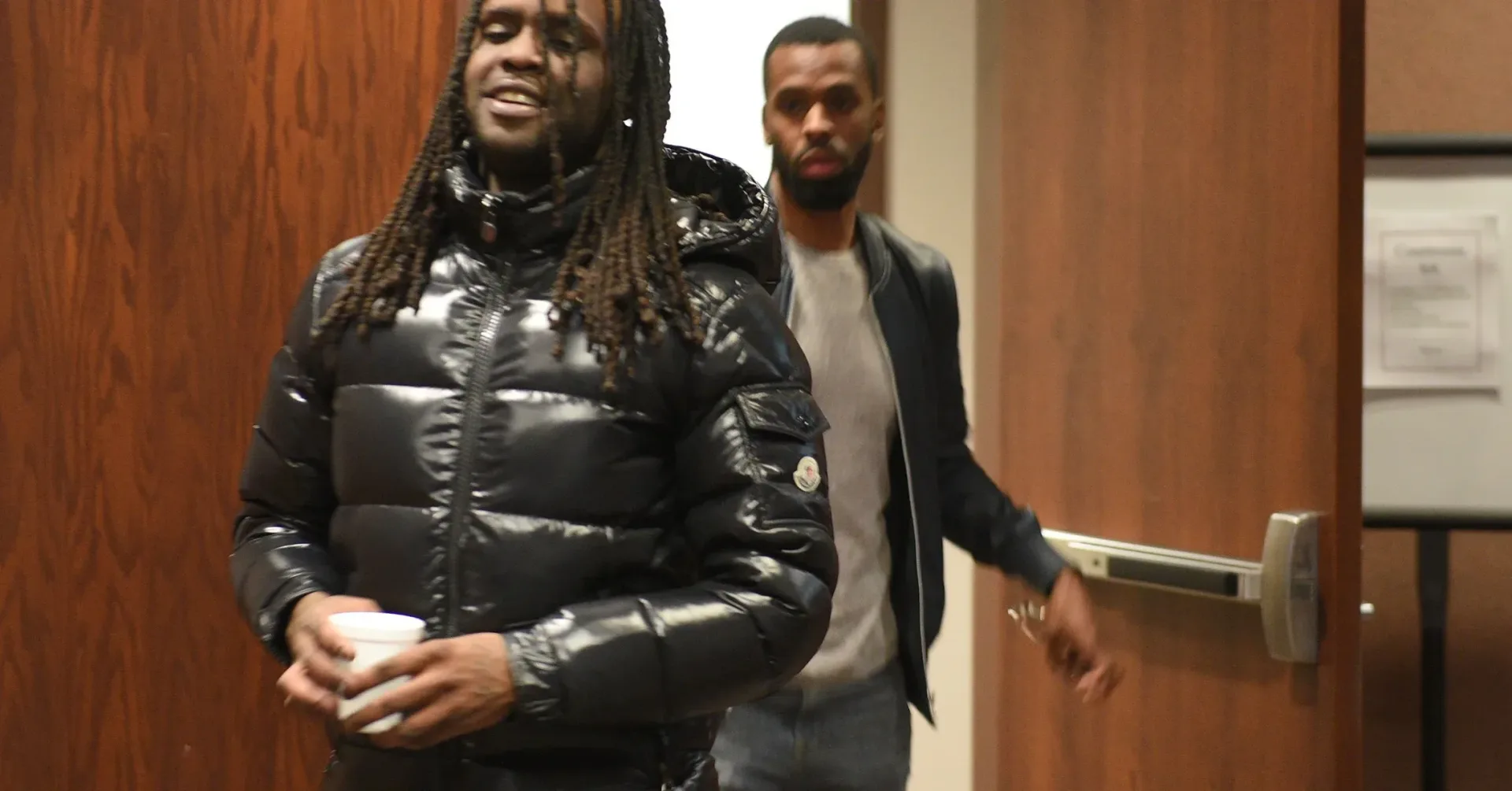
Chief Keef’s planned hometown launch for the Chief Keef Live 2026 tour did not reach the stage on September 12. The Chicago date at Huntington Bank Pavilion at Northerly Island was postponed roughly 30 minutes before its scheduled start, abruptly ending a night that had been positioned as the first stop of his first major tour in two years.
The immediate explanation focused on a travel delay: Chief Keef’s team indicated that his late arrival would leave too little time to perform before the venue’s curfew. That is the practical, unglamorous boss battle that can derail even a major concert—travel timing versus a hard stop on the clock. For attendees, though, it meant a sold-out show disappeared just as they were ready for it to begin.
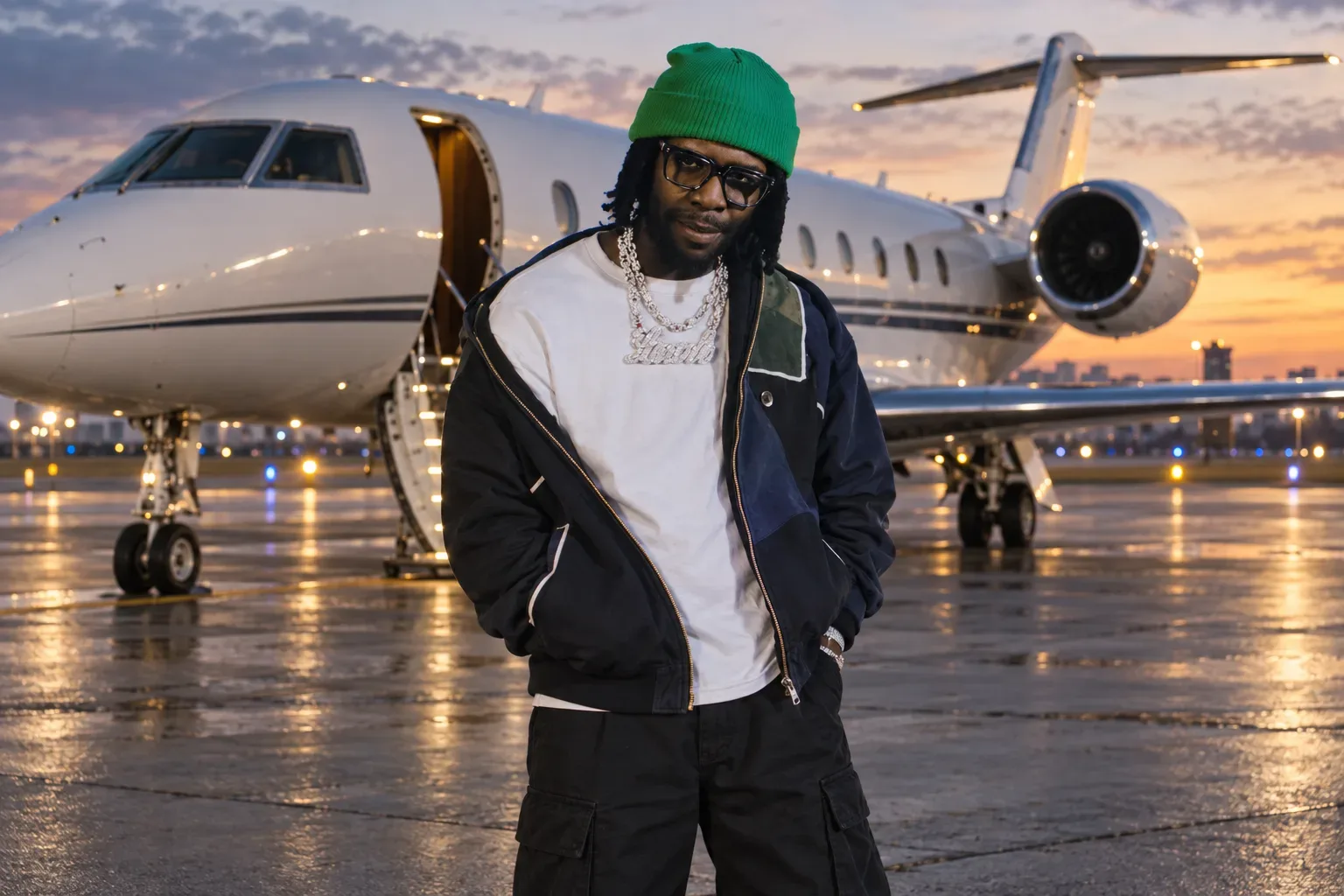
Chief Keef subsequently offered a more serious account of what he says caused the travel breakdown. In an Instagram post the following morning, he alleged that a pilot acted in a racist manner at what he called the “clear port,” then canceled the aircraft. He said the group had to scramble for alternate flights, but that any replacement option would have arrived too late to allow a complete performance.
That allegation is central to the story, and it is important to describe it accurately: Chief Keef said a pilot was racist and that the plane was canceled as a result. No further details about the alleged interaction, the pilot, the flight operation, or any independent response were provided in the available information. What is confirmed is the public outcome: the September 12 performance was postponed and the tour’s Chicago opener did not happen as planned.
A hometown return interrupted at the last minute
Chicago was more than a routine routing point for this itinerary. Chief Keef is a South Side rapper, so opening a national run in the city carried the feel of a homecoming before the tour moved through the rest of the country. The cancellation therefore landed with extra weight for people who had expected to see that opening-night moment in person, including fans reported to have traveled to Chicago for the sold-out date.
Late cancellations are difficult no matter the artist, venue, or genre. Tickets are only one piece of the commitment. Fans may have arranged transportation, lodging, time away from work, child care, and meetups around a single night. When the change comes within an hour of showtime, there is no convenient way to rewind any of that planning. A venue curfew also creates an immovable constraint: even if an artist can get there eventually, a shortened arrival can make a full set impossible.
Chief Keef’s message acknowledged that frustration and his own disappointment. He said he knew people had been anticipating the date for weeks or months, thanked those who purchased tickets and made the trip, and apologized for the circumstances. His wording makes clear that he did not frame the postponement as a casual scheduling adjustment. He presented it as a sudden problem that he believed should not have happened.
There is an added sting when an artist says the disruption traces back to discriminatory conduct. Allegations of racism should not be flattened into vague “travel issues,” especially when the person affected has publicly given that as the reason he believes the situation escalated. At the same time, the publicly available account does not establish the full sequence beyond Chief Keef’s statement, so the allegation should not be reported as a resolved finding. The distinction matters: it respects what he said without inventing details that have not been disclosed.
The replacement Chicago date is September 23
The postponed Chicago concert has a makeup date of September 23. That gives the hometown stop another chance to become the performance that September 12 was meant to be, though it cannot fully erase the disruption for ticket holders whose plans were tied to the original night.
Fans should rely on official artist, venue, and ticketing communications for operational details surrounding the rescheduled show, including how existing tickets will be handled and whether any timing information changes. None of those specific policies were included with the postponement details available here, and it would be unhelpful to assume them. A makeup date is a meaningful step, but the exact ticket process is something attendees need from the parties administering the event.
The episode also offers a blunt reminder that a concert is a chain of dependencies rather than a simple promise on a poster. Artists, crews, aircraft, airport access, ground transportation, venue schedules, production setup, local rules, and audience arrival all have to line up. Usually, that machinery is invisible by design. When one part fails near showtime, the whole event can be forced off the calendar. In this case, Chief Keef says the initial failure involved racist conduct by a pilot, followed by the loss of the group’s planned aircraft and an unsuccessful search for another one in time.
Chief Keef Live 2026 continues through October
The Chief Keef Live 2026 tour is described as a 19-date U.S. outing running from September into October. Following the disrupted Chicago kickoff, the itinerary includes stops in Minneapolis, Detroit, Indianapolis, Austin, Houston, New Orleans, New York, Philadelphia, Boston, Pittsburgh, Denver, San Francisco, and Los Angeles. The run is scheduled to conclude in Las Vegas on October 29.
That schedule puts a lot of ground between dates, and touring is not especially forgiving when the first night is disrupted. Still, the route provides a sizable run of opportunities for Chief Keef to deliver the performances that audiences have been waiting for after his two-year gap between major tours. Chicago’s September 23 makeup show will stand apart from the rest because it is both a rescheduled date and the city’s deferred opening-night celebration.
For readers following rap and adjacent music coverage, Joking Joystick has also covered the reported death of producer Tone Capone, who was behind Luniz’s “I Got 5 On It”.
Why the wording around this postponement matters
There are two connected explanations in this situation, but they answer different questions. The first is why the concert could not proceed: travel delays meant a full show would have conflicted with the venue curfew. The second is why the travel plan failed in the first place: Chief Keef alleged that a pilot behaved racistly and canceled his plane, forcing the search for alternatives. Calling this merely an artist arriving late omits the allegation he made. Stating the allegation as established fact would go further than the details currently available support.
That careful middle ground is not hedging for its own sake. It is the difference between reporting a person’s account and supplying unverified backstory. There is no need to embellish a situation that was already consequential: thousands of people were reportedly left outside a sold-out hometown show, a tour launch was postponed at the last minute, and the performer says racism triggered the cascade of travel problems.
September 23 is now the date attached to Chief Keef’s Chicago return. The original kickoff may have been interrupted before the music started, but the rescheduled performance gives the city a second slot on the calendar—and gives the tour the chance to begin its live run with the focus back where it belongs: on the show.