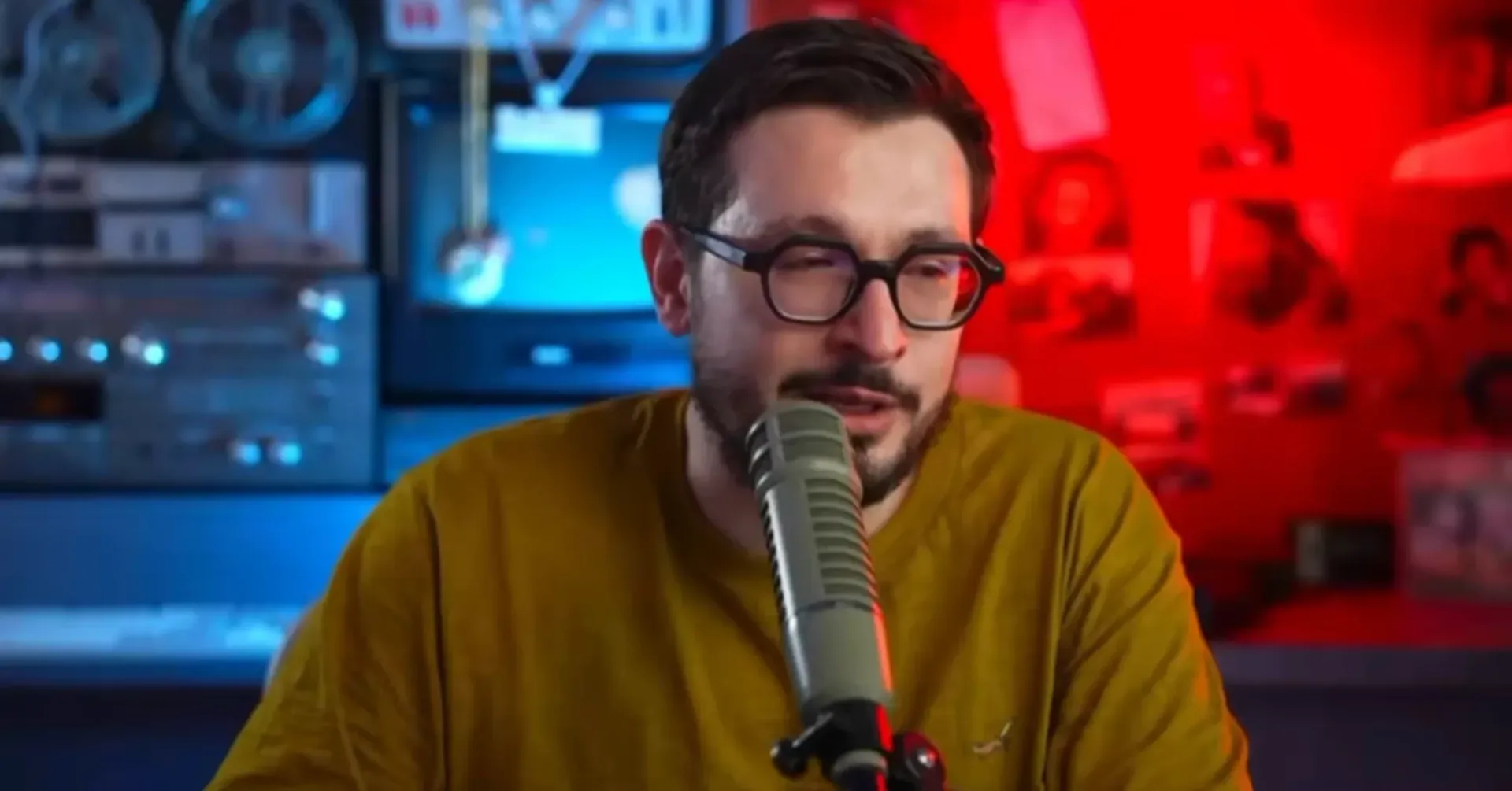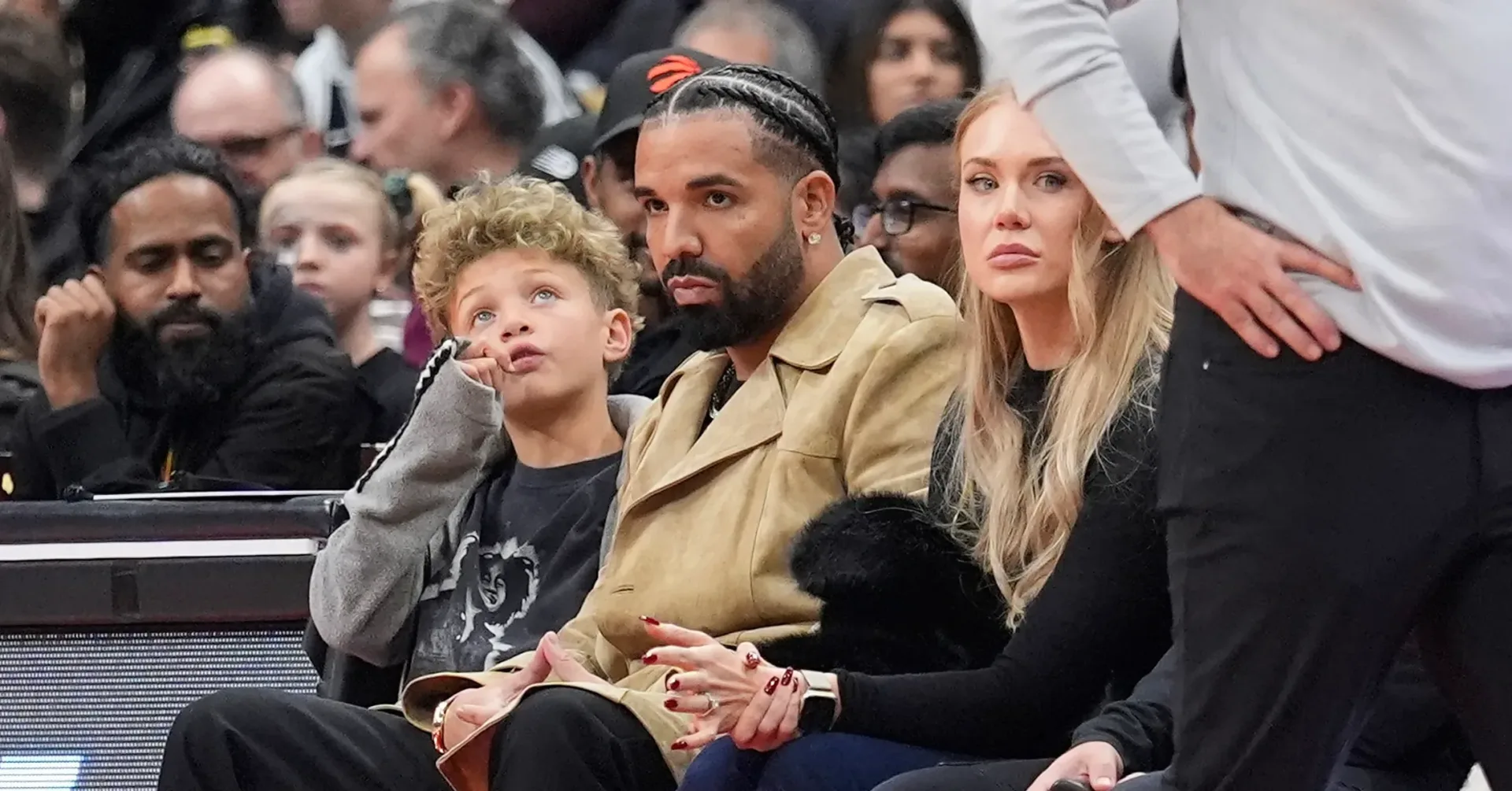
Charlamagne Tha God’s latest argument about Drake was deliberately provocative: despite Drake releasing three albums this year, plus a deluxe edition of one of them, he said the rapper had “kind of stopped making music.” The apparent contradiction was the point. In a discussion with Andrew Schulz and producer Taylor Hayes, Charlamagne was not literally disputing that music exists. He was questioning whether the releases have remained present enough in the wider culture for people outside Drake’s most committed audience to immediately recall them.
That framing, however, quickly met its own problem. When the conversation moved from Drake’s output to a song-title challenge, it exposed how easily a debate about artistic relevance can become a test of one person’s memory—and how unreliable that test can be.
The exchange: a large catalog, then a three-song challenge
The discussion began with rappers growing older and sustaining careers over time. Drake, now 40, was compared with Jay-Z, with Hayes arguing that Drake differs from many veteran artists because he has continued putting out music. Charlamagne’s response—that Drake had more or less stopped making music—was immediately challenged by both Schulz and Hayes in light of the three-album ICEMAN run.
Charlamagne then asked the others to name three songs from the three projects. Hayes pushed back on the premise, while Schulz treated the challenge lightly. Hayes supplied “Janice STFU,” while noting she had not heard every project, and later named “GIMME A HUG,” from Drake and PARTYNEXTDOOR’s 2025 collaborative album $ome $exy $ongs 4 U. Schulz offered “Shabang.” Charlamagne then incorrectly linked “Shabang” to “Janice STFU.”
That detail matters because it makes the exchange less useful as a scorecard than as a snapshot of competing definitions. A participant failing to name songs can suggest that the music has not penetrated their own listening habits. It cannot, on its own, establish that an artist has stopped working, lost a fanbase, or become irrelevant in a meaningful industry-wide sense. And mixing up titles weakens the authority of the challenge even further.
What “relevance” can mean in a music argument
“Relevance” is a broad term that often gets used as though it has one obvious measurement. In practice, the podcast debate bundled several different ideas together:
- Output: whether an artist is still recording and releasing new work.
- Recall: whether casual listeners, commentators, or peers can quickly name songs from that work.
- Cultural saturation: whether a release dominates everyday conversation beyond the artist’s core audience.
- Fan connection: whether the people who follow an artist closely are finding value in the music.
- Critical or prestige validation: whether the work is rewarded by institutions, reviewers, or industry gatekeepers.
None of those are interchangeable. Drake’s release volume directly answers the output question: he has plainly continued releasing music. A room full of people struggling with titles may speak to recall within that room, but not necessarily to fan connection. Likewise, a highly visible song may demonstrate cultural saturation without proving that an entire album has deep long-term meaning for listeners.
Charlamagne’s own later comment moved toward the most defensible version of the argument. He said what matters is that artists connect with the people who love them. Under that standard, a three-song quiz is not especially decisive. Fans do not need a panel’s instant recognition to validate their relationship with a record, and a commentator does not have to like or memorize a project to acknowledge that relationship exists.
A contradiction that sharpens the actual point
There is a genuine tension between the two positions Charlamagne raised. First, he used immediate song recall as evidence that Drake’s new material has not landed broadly enough. Later, he suggested that connecting with an artist’s own listeners is what really counts.
Those ideas can coexist only if they are treated as answers to different questions. The first asks: Is this music unavoidable in the general conversation? The second asks: Is this music meaningful to the audience that sought it out? An artist may pass one test and not the other. A song can be everywhere for a brief period without producing lasting listener attachment. Conversely, a release can matter deeply to an established audience even if it never becomes a universal talking point.
In that sense, the strongest reading of the discussion is not that Drake has ceased making music or that a handful of titles settles his current standing. It is that prolific release schedules can make it harder for individual songs to become shared reference points among people who are not already following closely. That is an interpretation, not a fact established by the exchange, and the conversation itself did not provide metrics such as audience figures, sales, chart data, or streaming totals to prove it.
Why song-title quizzes are a shaky measure
The “name three songs” challenge is effective podcast theater because it is simple, fast, and easy for an audience to understand. It also has obvious limitations. People can know a song’s hook, beat, feature, or emotional association without remembering its official title. They can listen to music through playlists rather than albums. They can be familiar with an artist’s past work but not current releases. And, as the mix-up during this particular exchange illustrates, the person conducting the quiz may not have perfect recall either.
More importantly, recall is affected by the kind of question being asked. Naming tracks from multiple recent projects is different from recognizing a song when it plays. A listener who cannot produce “GIMME A HUG” on demand may still recognize it immediately in context. That does not make the title test meaningless; it just means it measures a narrow form of cultural memory rather than an objective verdict on a song’s impact.
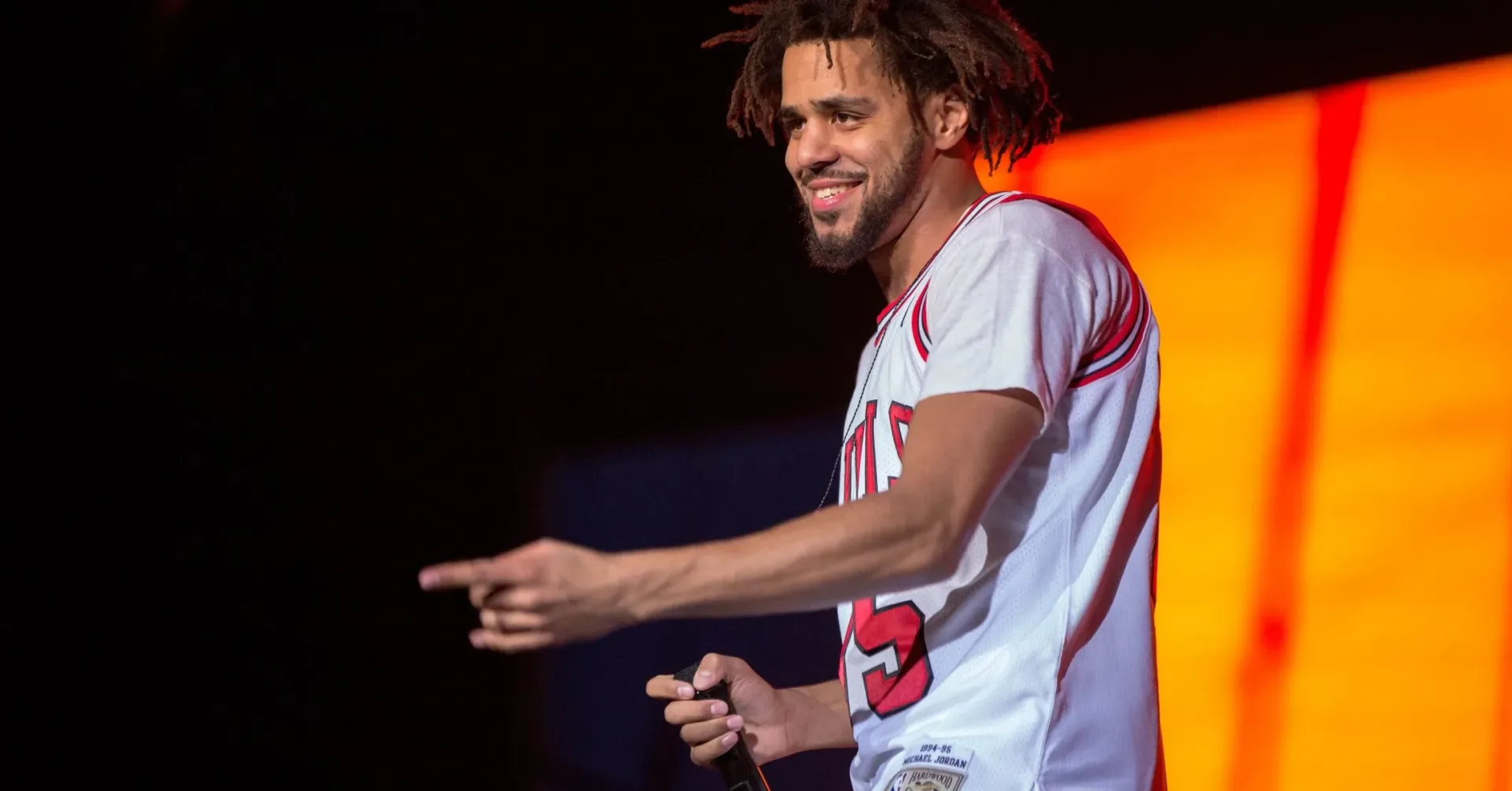
The same logic applies to the comparison with J. Cole. Charlamagne extended the challenge to J. Cole’s new album The Fall-Off, making clear that the underlying subject was not just Drake. It was the gap between an artist releasing new music and a broader public retaining specific details about it. That is a fair subject for debate, but it needs more than a spontaneous quiz to become a firm conclusion.
Drake criticism, engagement, and the audience around the argument
Charlamagne has repeatedly criticized Drake, and those remarks routinely provoke responses from OVO fans. That context helps explain why the wording became so charged. Saying an artist has “kind of stopped making music” is not a neutral way to say that their recent work is less embedded in a commentator’s day-to-day conversation. It invites listeners to challenge the premise with the artist’s actual release history.
It also creates a predictable cycle around fandom. Supporters may view the claim as dismissive of an artist with a substantial recent catalog. Critics may see the reaction as proof that the subject remains compelling. Neither response, by itself, resolves the question of whether recent albums have generated the kind of shared touchstones people associate with a particular era of an artist’s career.
Charlamagne has also argued in earlier Drake discussions that the rapper seeks validation more from online praise than from awards such as the Grammys. That makes the present dispute more complicated, not less. If internet discussion and audience response are important forms of validation, then the strength of listener communities and online conversation should matter in any assessment of relevance. A lack of instant recall by a few podcast participants would be only one small piece of that much larger picture.
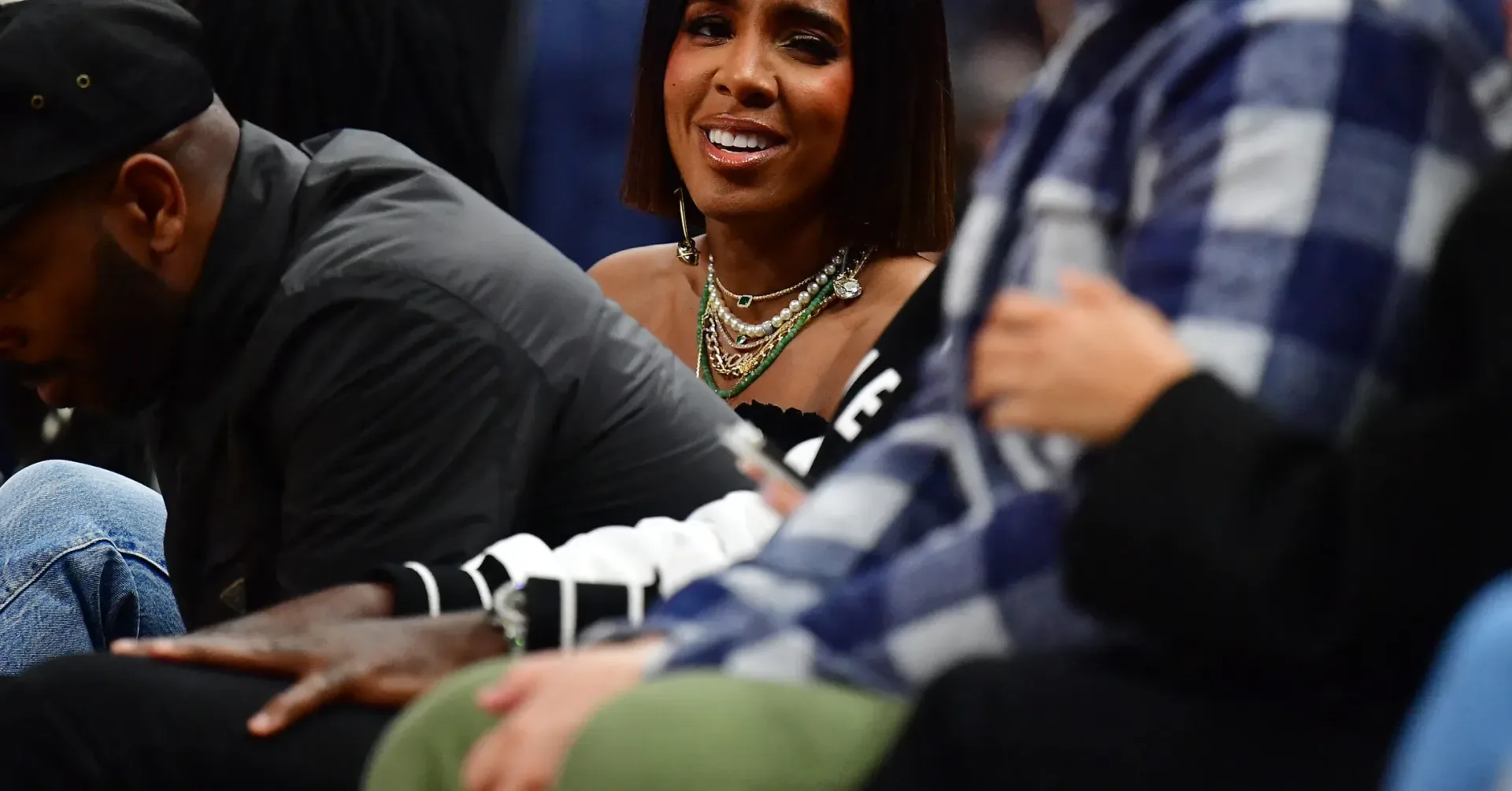
The broader Jay-Z comparison also carries a useful caution. Career longevity does not require artists to follow the same pattern. One performer may release frequently; another may work more selectively. One may prioritize high-volume visibility, while another’s absence becomes part of their public image. Neither approach automatically makes the music more vital. For more on the Jay-Z conversation now circulating around major-event speculation, see the discussion around Kelly Rowland and a possible Jay-Z Super Bowl context.
The practical takeaway: separate the claims before judging them
For listeners, the useful lesson is to be precise about what is being argued. If the claim is that Drake has not released enough music, the recent run of albums and a deluxe edition directly disputes it. If the claim is that people outside his dedicated audience are not retaining track names, that is a separate proposition—and one that would require broader evidence than an informal on-air challenge. If the claim is that an artist’s relationship with fans matters most, then the key issue becomes whether those listeners are still engaged, not whether every observer can recite a tracklist.
Charlamagne’s segment therefore works best as a conversation starter rather than a verdict. It raises a timely question about what happens when a veteran artist remains prolific: does constant output strengthen a connection with existing supporters, dilute the attention given to individual songs, or do both at once? The available exchange does not settle that question. But it does show why the answer cannot be reduced to three titles, one panel, or one especially loaded phrase.