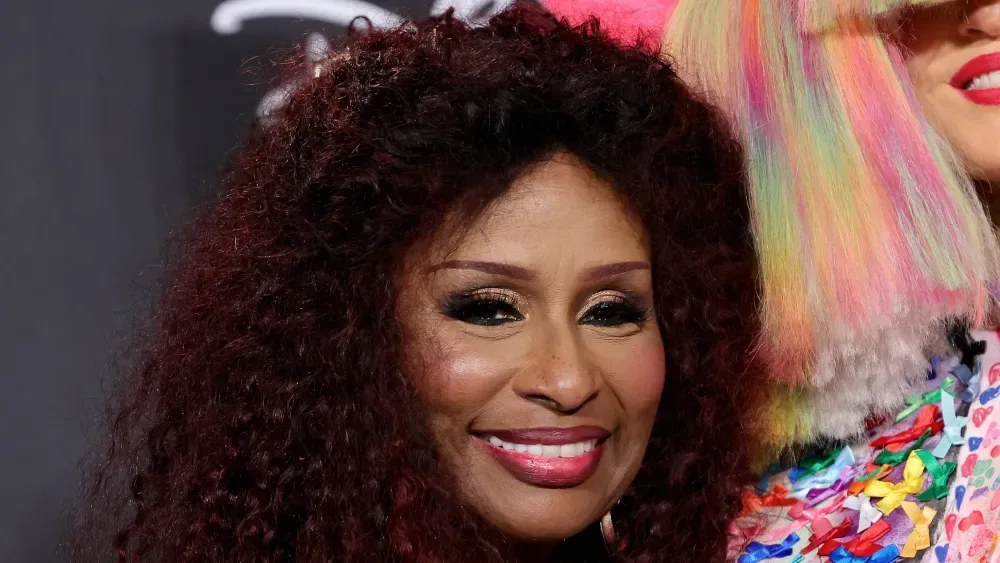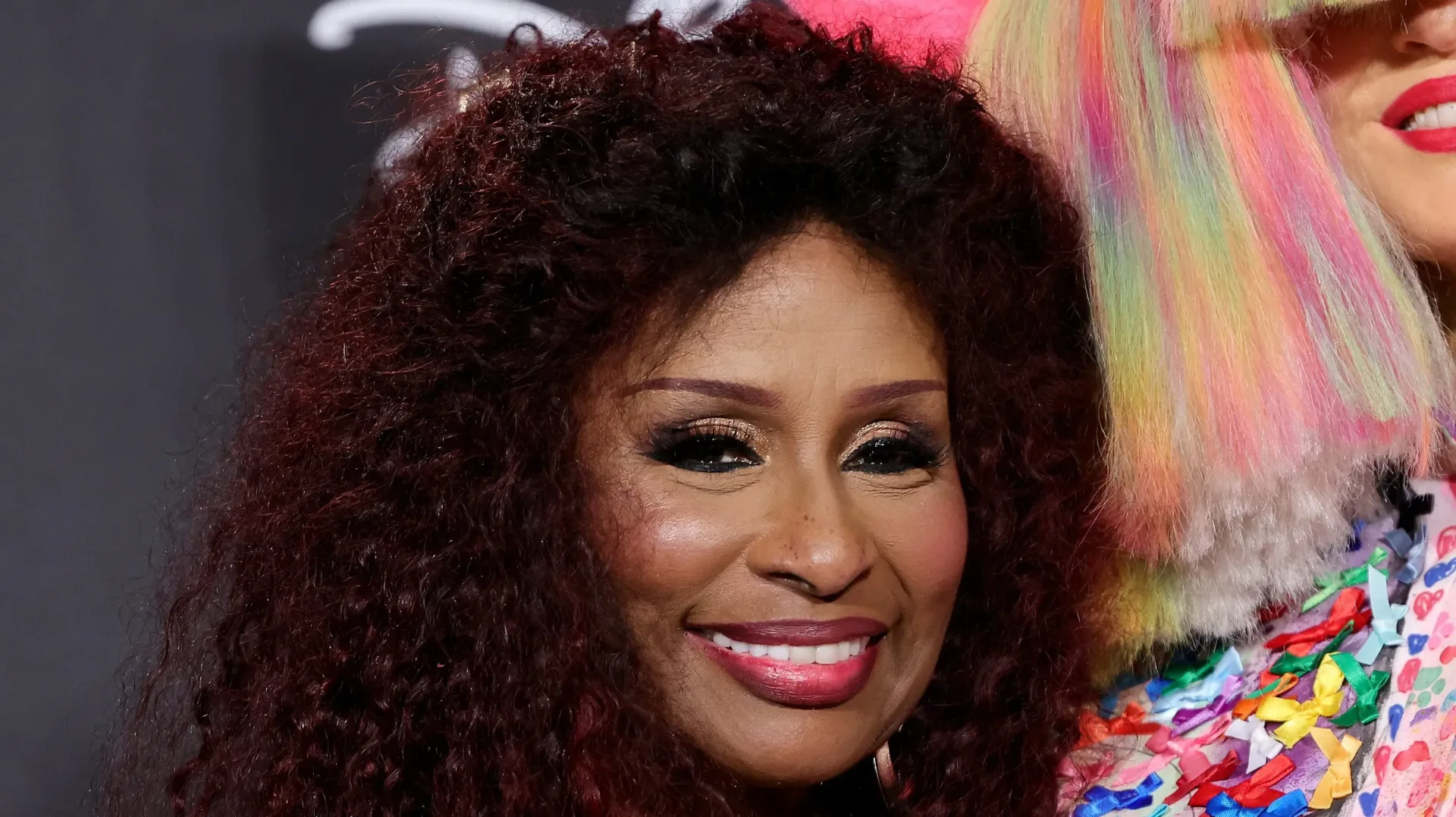
Chaka Khan will receive the Classic Soul Honor at the 2026 Soul Train Awards, a recognition for an artist whose body of work reaches across soul, funk and R&B. The ceremony is scheduled to air November 27 on BET and CBS.
The honor arrives with a concise but substantial case behind it: Khan’s career spans more than five decades, includes 11 Grammy Awards and encompasses major recordings with Rufus as well as a defining solo catalogue. Her cited hits—“Tell Me Something Good,” “Sweet Thing,” “Ain’t Nobody,” “I’m Every Woman” and “I Feel for You”—represent different corners of that long run rather than one fixed sound.
That range is central to why the award matters. “Classic soul” can sound like a narrow label, one that freezes an artist in a particular period or arrangement style. Khan’s work, as represented by these songs, suggests something broader: a voice and creative identity able to travel between band-led funk, R&B, soul and pop-facing crossover without losing its center.
A career that connects Rufus and a solo legacy
Khan’s work with Rufus is an essential part of the recognition. “Tell Me Something Good” is among the songs associated with that chapter, and BET president Louis Carr specifically pointed to her groundbreaking work with the group alongside her solo catalogue. It is an important framing because it treats the band years and the later individual success as one continuous artistic legacy, not competing eras.
Her solo recordings carry equally familiar cultural weight. “Sweet Thing”, “I’m Every Woman”, “Ain’t Nobody” and “I Feel for You” are the titles highlighted in connection with the honor. Even without reducing those tracks to a checklist of achievements, their inclusion signals the scope of the tribute: songs associated with romance, confidence, dance-floor release and vocal personality all sit under the same banner.
In practical terms, a lifetime-style television honor gives viewers a compact occasion to revisit an artist through the recordings that have remained visible across decades. It can also introduce a catalogue in a context that makes its breadth easier to see. A listener who knows one song as an anthem may encounter Khan’s earlier funk-rooted work; someone who recognizes the Rufus era can be reminded of how fully her solo releases broadened the picture.
What the Classic Soul Honor recognizes
The title of the award points to influence as much as longevity. Carr described Khan as an embodiment of soul music and credited her with expanding the possibilities of R&B and soul while encouraging generations of performers to develop and own their voices.
That language is worth separating into its parts. Influence does not simply mean that an artist has been active for a long time. In this context, it means a catalogue and vocal presence that establish reference points for performers who come later. Legacy, meanwhile, is the continuing cultural life of that work—its ability to be remembered, played, interpreted and valued beyond its original release period.
Related coverage includes Chaka Khan Set for Classic Soul Honor at 2026 Soul Train Awards.
The ceremony’s connection to Soul Train also makes the selection especially fitting. The awards are tied to a music tradition built around Black music, performance and cultural expression. Honoring Khan within that setting recognizes not only individual hit records but the durable relationship among R&B, funk and soul that her career represents.
For music fans following current coverage of major artists and their catalogues, the announcement also lands in a busy period for recognition of influential performers. Raye’s 2026 Mercury Prize win, for instance, is another recent reminder that awards can spotlight very different moments in a musician’s career: emerging or contemporary work in one case, a multidecade legacy in Khan’s.
Honors already attached to Khan’s record
The Classic Soul Honor adds to formal recognition Khan has already received. She has won 11 Grammys, including the Recording Academy’s Grammy Lifetime Achievement Award. She was also inducted into the Rock & Roll Hall of Fame in 2023 with the Musical Excellence Award.
These distinctions are not interchangeable, even though each signals esteem. A Grammy win recognizes an award category and moment in the recording industry; a Lifetime Achievement Award addresses sustained contribution over time. The Rock & Roll Hall of Fame’s Musical Excellence Award places emphasis on exceptional musical impact. The Soul Train recognition is more specifically centered on the soul and R&B tradition that Khan helped shape.
Taken together, the honors underline how difficult it is to confine Khan’s work to a single genre box. Her recording history is being celebrated through institutions and events with different missions, while the music itself has moved through multiple related styles. That is not a contradiction. Funk, R&B and soul have always had active borders rather than sealed walls, and Khan’s career is being recognized precisely for operating powerfully across them.
Why the song list is a useful guide for viewers
The five songs named in the announcement provide an approachable listening route for anyone preparing for the awards broadcast. They should not be treated as a complete summary of a five-decade career, but they do show why the tribute has such a wide frame.
- “Tell Me Something Good” points to the Rufus period and Khan’s work in a group setting.
- “Sweet Thing” represents a key song from the solo side of her legacy.
- “Ain’t Nobody” is another major title associated with the broad reach of her catalogue.
- “I’m Every Woman” remains one of the defining song titles connected to Khan.
- “I Feel for You” rounds out a set that reflects her ability to make songs that endure across distinct eras of popular music.
The point is not to rank these records against one another. Instead, the list illustrates the scale of the material a Soul Train tribute can draw from. It spans Khan’s collaborative history and solo work, and it presents songs that connect her name with multiple musical moods and audiences.
There is also a useful distinction between a hit and a legacy record. A hit describes success in its own release window. A legacy record keeps functioning after that window: it remains recognizable, meaningful or influential over time. The announcement’s song selection emphasizes the latter quality. These are not presented merely as past achievements, but as enduring elements of Khan’s influence on R&B and soul.
What is confirmed for the 2026 broadcast
The 2026 Soul Train Awards will air November 27 on BET and CBS. Jesse Collins is executive producer, with Dionne Harmon and Jeannae Rouzan-Clay also serving as executive producers. Jesse Collins Entertainment is the production company, while Connie Orlando is executive producer for BET.
Those production credits establish who is leading the televised event, but the available information does not detail the format of Khan’s tribute, whether it will include a performance, or which artists might participate. Those are details viewers should avoid assuming until they are formally provided.
What is clear is the purpose of the moment: the Classic Soul Honor will celebrate a singer-songwriter whose work has remained significant across more than 50 years. Khan’s music has been cited as helping shape the sound of soul, funk and R&B, while her major awards and Rock & Roll Hall of Fame recognition reinforce the long arc of that contribution.
On November 27, the Soul Train Awards will put that arc in the spotlight—honoring the Rufus years, the solo records and a musical identity that has continued to resonate far beyond any single era.