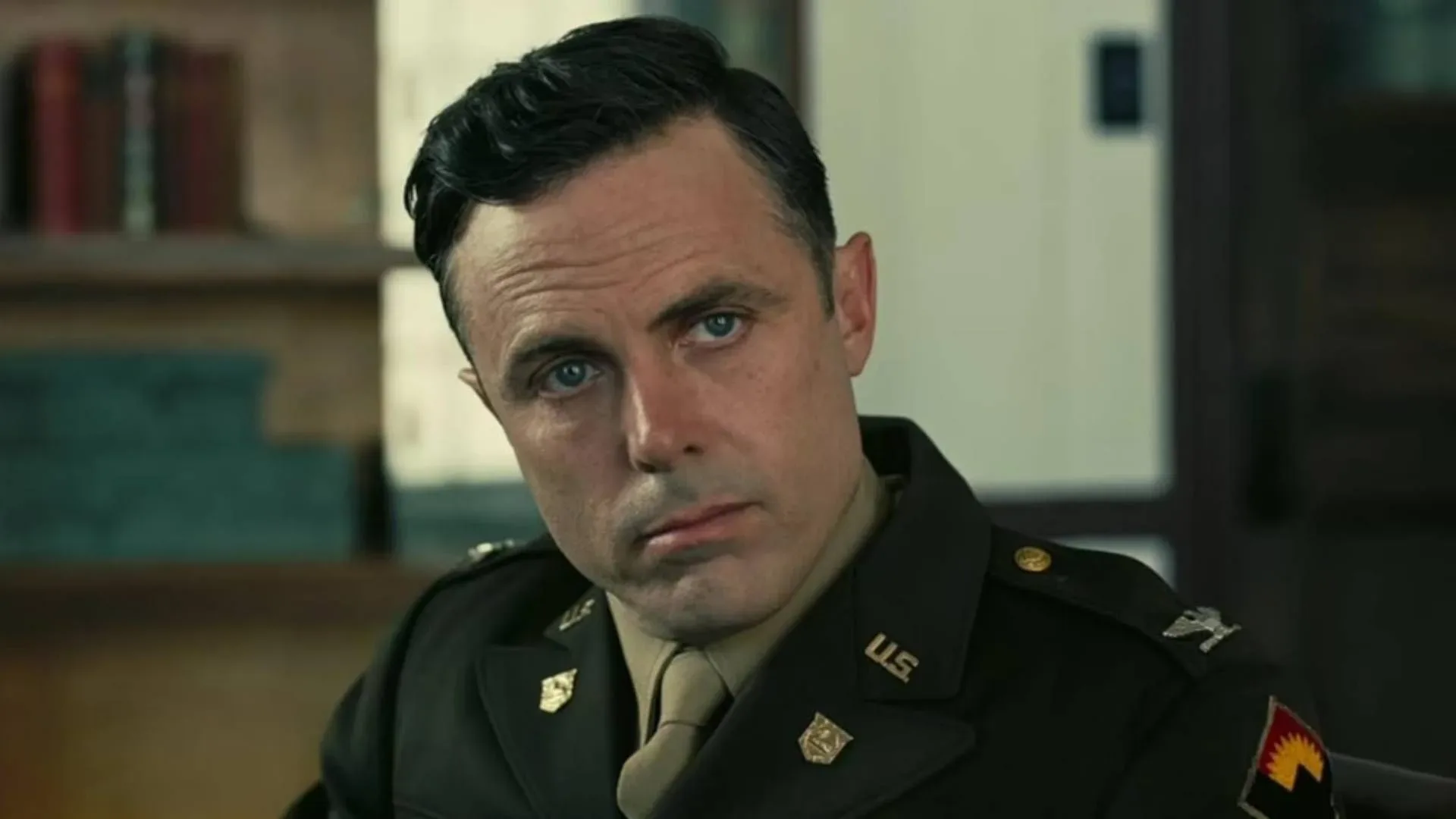
There may be no tougher family-movie-night opponent than a Christopher Nolan film, especially when the disputed title is Tenet. Casey Affleck has shared that he and his son reached an impasse while discussing Nolan’s densely constructed sci-fi movie, and Affleck decided there was only one person qualified to settle it: Nolan himself.
The result was not a grand revelation about an unknowable cinematic mystery. It was apparently an answer Affleck felt they could have found for themselves, and one that seemed immediately obvious once Nolan gave it. Affleck described feeling embarrassed by the whole thing — and delivered the punchline that he has not called Nolan again, nor has Nolan called him.
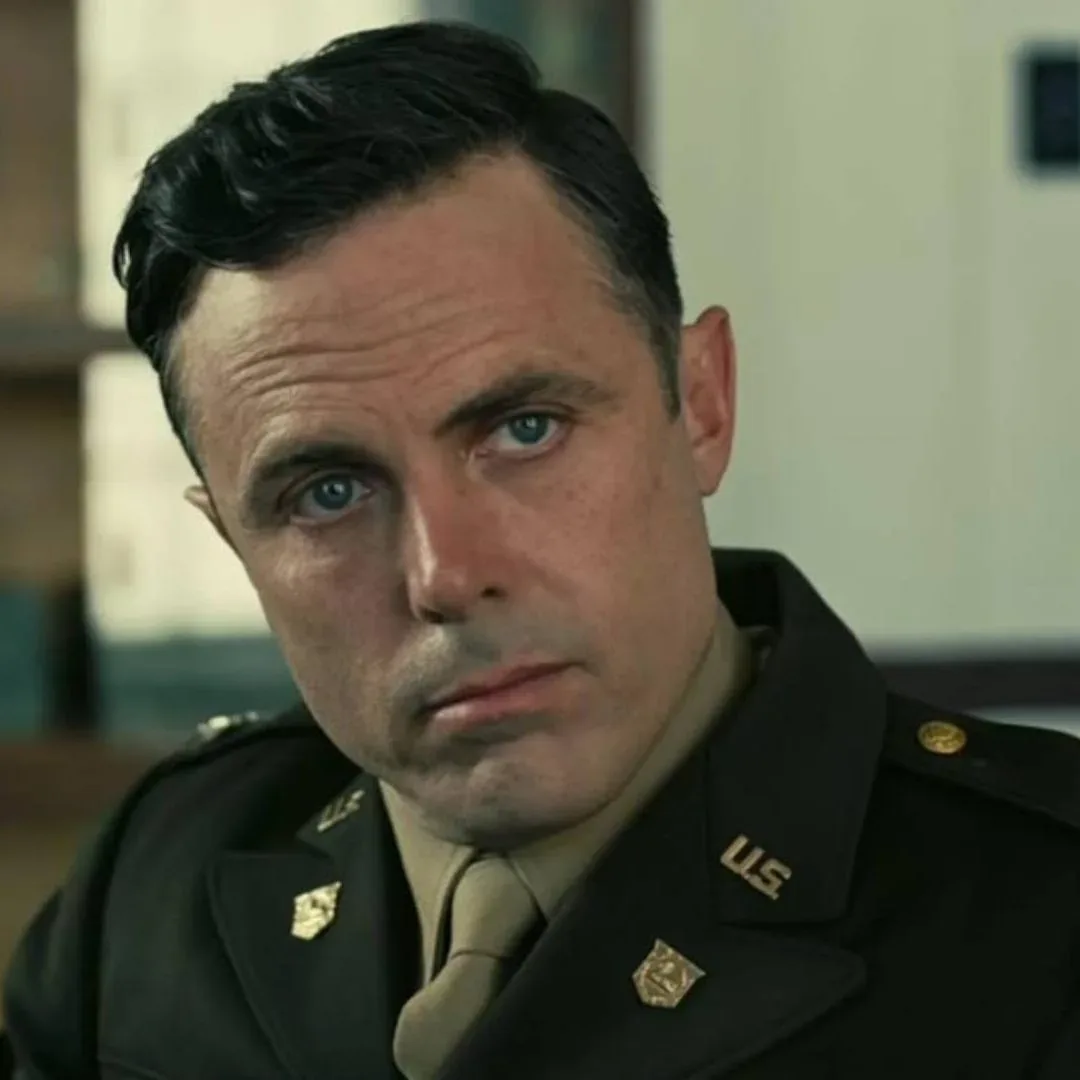
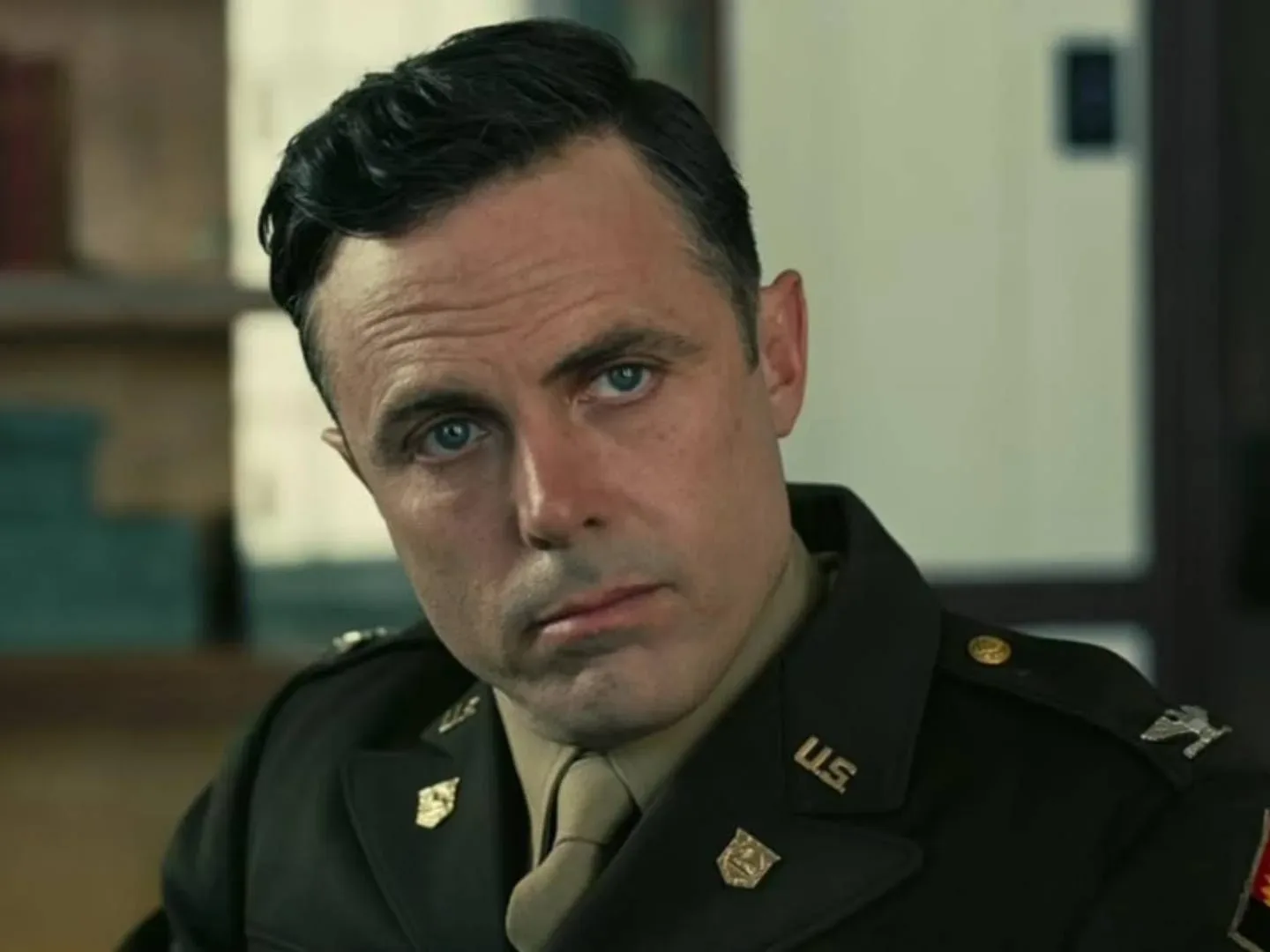
It is a funny anecdote precisely because it turns the usual idea of a director call into something so mundane. Affleck has worked with Nolan more than once. He played adult Tom Cooper in Interstellar and later appeared as Col. Boris Pash in Oppenheimer, sharing a scene with Cillian Murphy. Yet the question that prompted a direct line to the filmmaker was not a discussion of a role or a production. It was the sort of specific point that can arise when two people are trying to untangle a movie built to invite close attention.
A director becomes the family fact-checker
Affleck recalled driving home from school with his son when their conversation turned into an argument over Tenet. “Let’s settle that,” he remembered deciding. They called Nolan and asked their question.
Affleck did not reveal the exact issue under debate, which is probably for the best. Without the question, the story stays spoiler-light and retains its most relatable element: the sudden realization that a disagreement has escalated far beyond its stakes. He said the answer was something they could have looked up online, including on Reddit, and that hearing Nolan explain it made the solution sound obvious.
“Once he said it, it sounded so obvious I felt embarrassed,” Affleck said of the exchange.
The joke also has a sharper edge than a simple celebrity name-drop. A creator can be viewed as the final authority on a work, but that does not mean every question needs a creator’s intervention. In this case, Affleck’s story suggests the answer was available through ordinary fan discussion or a quick search. Calling Nolan merely made the correction more definitive — and more personally mortifying.
Why Tenet is such a natural argument-starter
Affleck did not identify the point of disagreement, so any claim about what Nolan clarified would be speculation. What is clear is that Tenet is a particularly plausible movie to produce a debate. The film has a reputation for being difficult to immediately parse, and its sci-fi premise and tightly layered plotting reward viewers who compare notes after watching.
That distinction matters. A film can be complicated without being incoherent, and a viewer can miss a detail without failing some kind of intelligence test. In a plot-heavy story, viewers may be processing character motivation, chronology, visual information, dialogue and rules of the fictional world all at once. Two people can remember the same sequence differently, or agree on the events but disagree on what those events mean.
That is the useful definition of a continuity question: a question about how one part of a story connects to another. It is not necessarily a plot hole. Sometimes the answer is present in the movie but easy to overlook; sometimes it is a matter of interpretation; and sometimes additional explanation is needed. Affleck’s account indicates that his and his son’s question fell closer to the first category. Nolan’s response settled it quickly enough that Affleck felt the pair should have found it themselves.
For viewers, that is also a healthier way to approach a movie with a complicated structure. Start with what the film explicitly establishes. Separate details shown on screen from assumptions made afterward. Then identify whether the disagreement is factual — what happened — or interpretive — what it means. That simple split can stop a spirited discussion from becoming an endless loop.
Questions worth asking before escalating a movie debate
- Is the answer stated or shown in the film? A later scene may reframe an earlier one.
- Are both viewers talking about the same moment? Precise scene descriptions often reveal the disconnect.
- Is this a factual question or an interpretation? A filmmaker can clarify intent, but viewers may still reasonably read a theme or character differently.
- Would a replay, transcript or fan discussion answer it? Affleck’s story is a reminder that the lower-effort routes may work first.
- Does the disagreement actually need a final verdict? Sometimes the conversation is more valuable than winning it.
That last point is perhaps the most relevant one. A film like Tenet can become a shared puzzle, and shared puzzles are often more fun when nobody has immediate access to a definitive answer. The comedy of Affleck’s experience comes from moving straight past that stage and recruiting the person at the center of the puzzle.
Affleck’s Nolan connection spans three films
The anecdote lands differently because Affleck is not merely a viewer trying to track down a famous director. His Nolan credits give the call a professional context, even though the debate itself was domestic and informal.
In Interstellar, Affleck played the adult version of Tom Cooper. The film is another Nolan project associated with ambitious ideas and emotionally consequential family relationships, making the later image of Affleck discussing Tenet with his own son an amusing coincidence.
Affleck also appeared in Oppenheimer as Col. Boris Pash. The role is brief, but its scene with Murphy is memorable. Oppenheimer went on to win Best Picture at the 2024 Academy Awards, a major milestone for Nolan’s filmography and a reminder of the range across the director’s work. Oppenheimer is rooted in historical drama, while Tenet is described as twisty sci-fi; Affleck’s involvement in both illustrates the variety of projects within that collaboration.
Tenet stars John David Washington, Robert Pattinson, Elizabeth Debicki and Kenneth Branagh. Their presence is worth noting because complicated screen stories depend on more than their mechanics. Even when audiences are debating the rules of a film’s world, performances and character dynamics are what give those rules emotional weight.
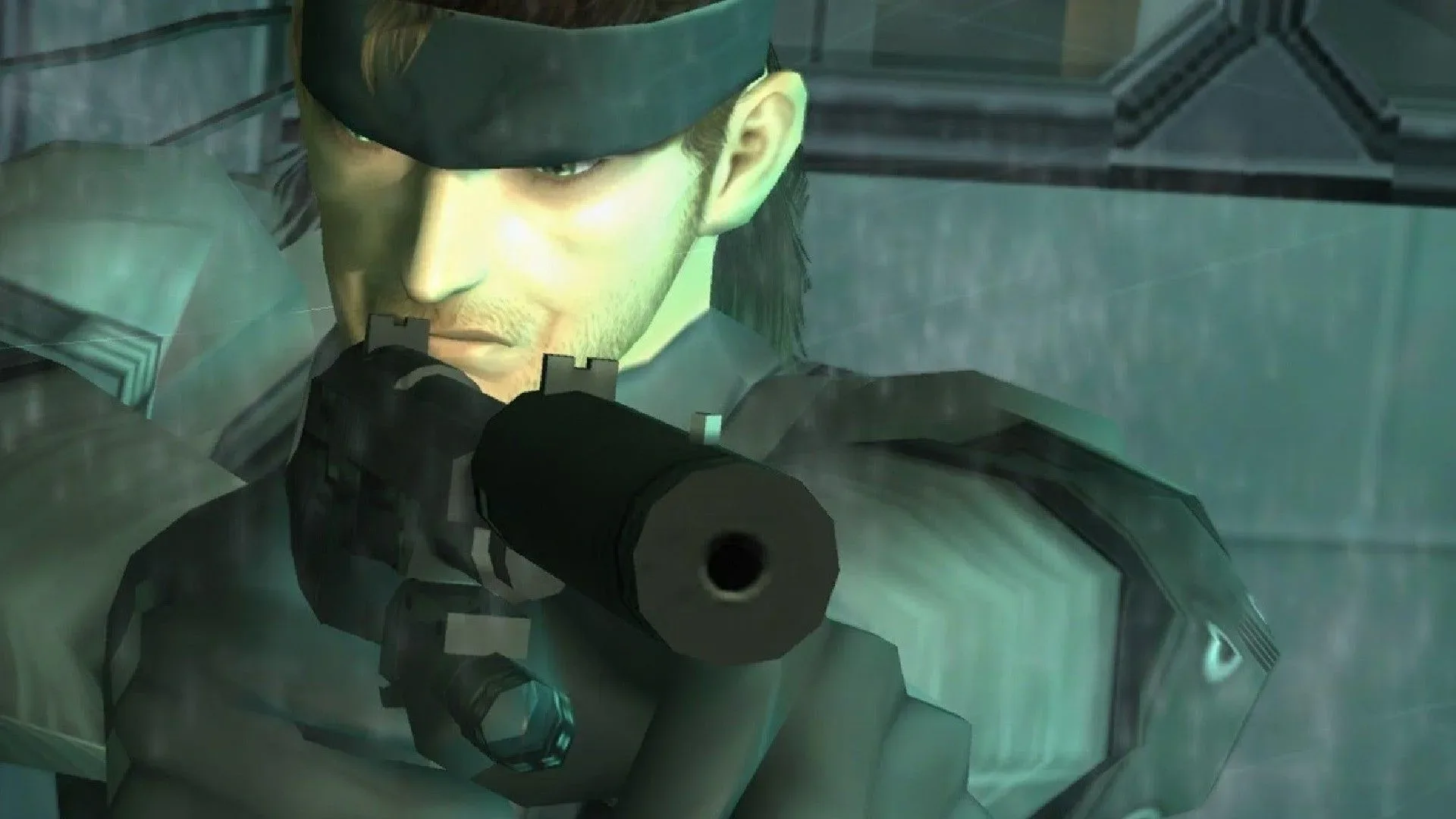
For anyone who enjoys taking apart a complicated narrative, the impulse is not limited to films. Games can inspire the same kind of forensic reading of mechanics, scenes and unintended outcomes; one recent example is the discovery discussed in this Metal Gear Solid 2 boss-skip report. The media are different, but the instinct is recognizable: look closely, test assumptions, compare observations, and discover that a supposedly settled system still has surprises in it.
The line between explanation and embarrassment
There is no indication that Nolan was anything but helpful during the call. Affleck’s embarrassment was his own reaction to discovering how straightforward the answer sounded once it had been supplied. The follow-up quip — that neither man has called the other since — reads as a self-deprecating way of ending the story rather than evidence of any actual professional rift.
It also neatly captures why conversations about complicated movies can be intimidating. People often worry that not understanding something immediately means they have missed the point. But an answer feeling obvious in retrospect is not proof that the original question was foolish. It usually means the explanation connected the missing piece to information that was already there.
Affleck’s decision to share the story makes that dynamic more inviting rather than less. Even an actor with direct experience in Nolan’s films can get caught in a debate over Tenet. For viewers still untangling the movie, that should be permission to pause, revisit a scene, discuss it with someone else — and perhaps try a search before placing a call to the director.
Nolan’s current release and the wider conversation
Nolan’s latest film, The Odyssey, is currently in theaters. Its cast includes Matt Damon, Zendaya, Tom Holland, Charlize Theron, Anne Hathaway and Pattinson, who also appears in Tenet. The film is already being discussed as a potential awards contender, though awards outcomes remain uncertain until they are decided.
For now, Affleck’s Tenet story offers a smaller, more human counterpoint to the scale of that release: a father and son disagreeing in a car, a filmmaker answering the phone, and a solution that becomes clear at the exact moment it is least dignified to have needed help.