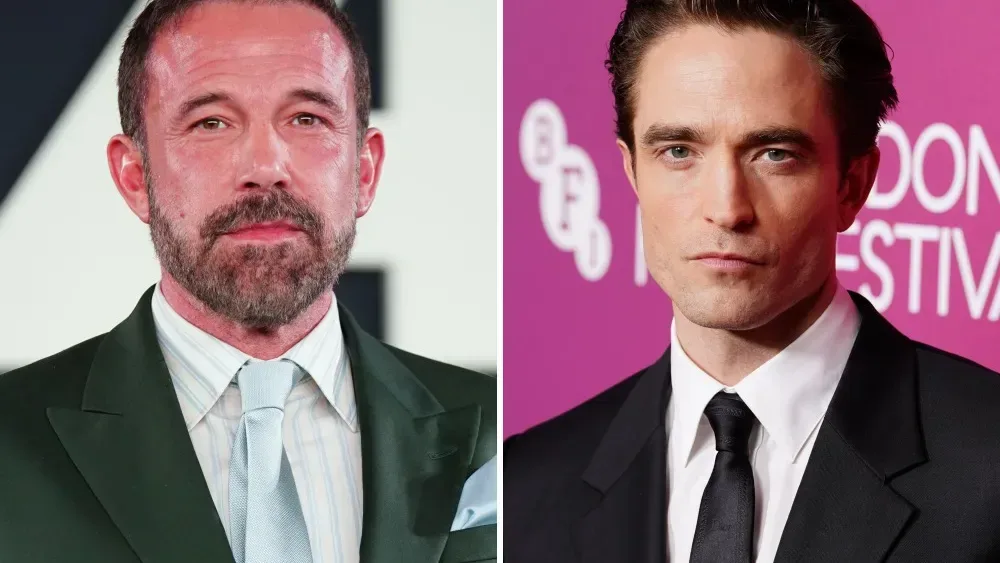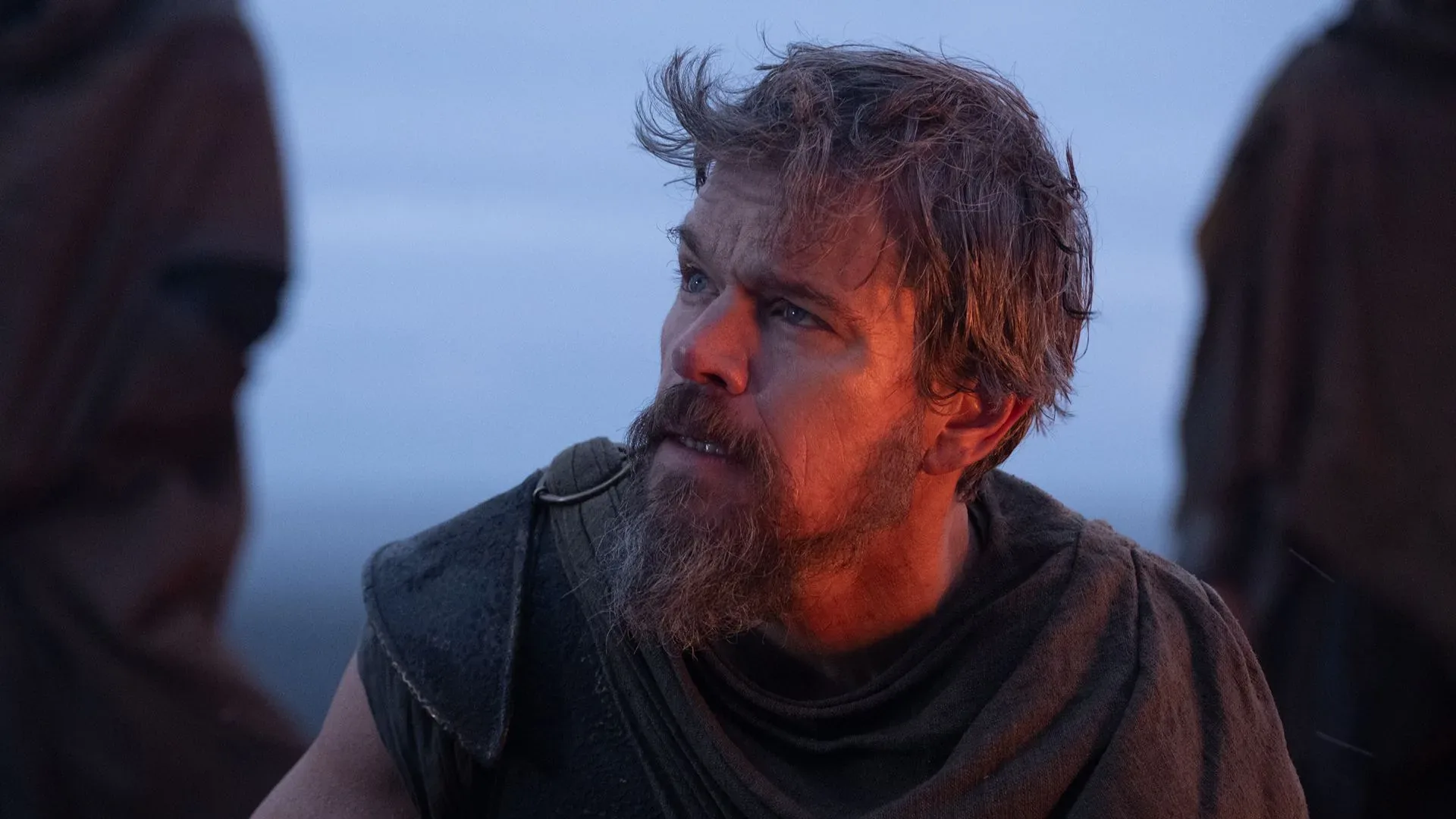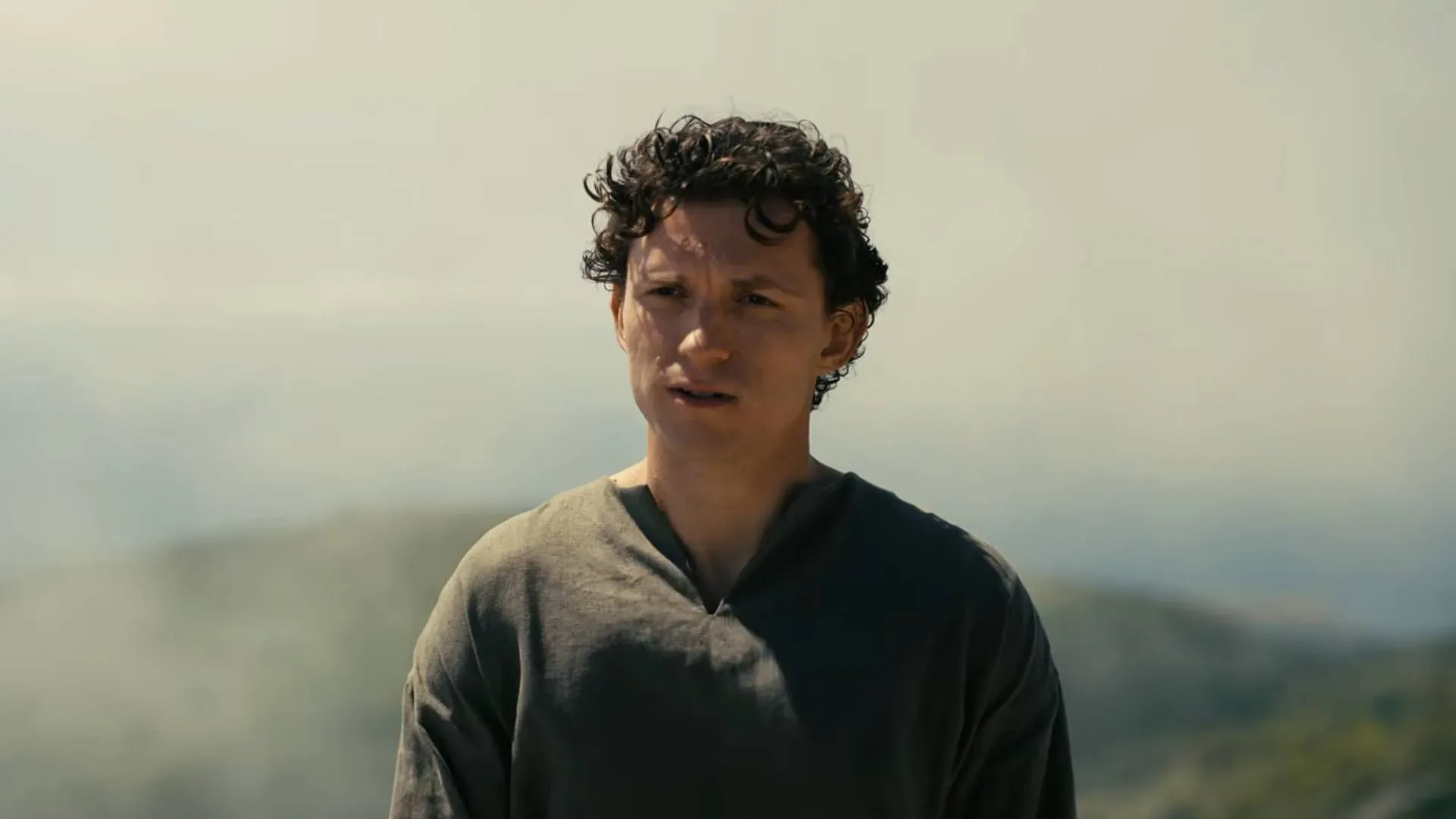
Robert Pattinson’s role in Christopher Nolan’s The Odyssey has earned emphatic praise from Ben Affleck, at least if Matt Damon’s account of a recent conversation is any indication. At a screening event at the David Geffen Theater in the Academy Museum, Damon said Affleck spoke with him at length after seeing the film, focusing especially on Pattinson’s work as Antinous.
Antinous is described as the antagonistic leader among Penelope’s suitors, putting Pattinson in a position far removed from an uncomplicated hero part. Damon’s retelling frames Affleck’s response not merely as admiration for a strong performance, but as appreciation for a difficult acting choice: portraying a character who is designed to become still more cowardly and detestable as the story progresses.
“Ben Affleck probably talked to me for 20 minutes about just Rob after he saw the movie,” Damon said. He recalled Affleck describing Pattinson’s situation as one in which Nolan’s large-scale storytelling was effectively bearing down on the actor, comparing the performance to somebody running into an avalanche.
It is vivid language, and it points to what may make a supporting antagonist memorable in a film built around an epic premise. Major-scale filmmaking can elevate a villain, but it can also make the character feel small, functional, or simply overwhelmed by spectacle. Affleck’s reported reaction suggests Pattinson did the opposite: he met the pressure of the production’s dramatic scale with choices sharp enough to register inside it.
For more context, explore Don’t Retire That Old Apple TV Yet: It Can Still Be a Games Box, AirPlay Screen and Smart Home Hub.
A separate report covering Damon’s remarks can be found here.
What “brave” means in this context
When performers and filmmakers call a role “brave,” they do not necessarily mean physical danger or a flashy transformation. The term often describes a willingness to make a character less appealing, less polished, or less easy for an audience to excuse. Damon’s comments offer a particularly clear version of that idea. He said Pattinson appeared to be asking himself how he could make Antinous even worse whenever the part presented an opportunity.
That does not mean the performance is being praised simply for broad unpleasantness. An actor can play cruelty loudly and still leave little impression beyond the moment. The quality Damon identifies is active, intentional characterization: an apparent effort to find the most revealingly weak or hateful response available to Antinous in each situation.
In practical storytelling terms, an antagonist like this does important work. A ringleader is not just another member of a hostile group; the role helps give that group focus. The character can set its tone, concentrate its menace, and make the personal stakes of the central conflict easier to understand. If audiences read the person as cowardly rather than merely arrogant, the villainy gains another dimension. Cowardice implies someone who exerts power while avoiding the personal cost of their own actions, a trait that can make a character especially infuriating.
Damon called watching Pattinson make those choices fun, describing him as dynamic and interesting. That assessment is useful because “hateable” can sound like a dismissal when removed from dramatic context. Here, it is praise for specificity. A character audiences dislike can still be compelling when the actor finds variation, timing, and recognizable thought behind the ugliness.
An antagonist inside a Greek epic
The Odyssey is identified as a Greek epic, and the supplied details position Antinous as the ringleader of Penelope’s suitors. That immediately places the role near a central domestic source of conflict: a group pressing itself into Penelope’s world while the larger story carries the weight of an epic journey.
There is a useful distinction between an antagonist and a villain in casual film discussion. An antagonist is a figure or force that opposes the protagonist’s goals. A villain is a moral judgment, generally reserved for a character whose actions are understood as malicious or seriously harmful. Damon’s remarks use the language of cowardice and hateability, while the character description establishes Antinous as an antagonistic leader. Taken together, those details indicate Pattinson’s role has been constructed to provide direct dramatic opposition rather than merely add color to the ensemble.
That sort of role can be deceptively demanding. The character must be forceful enough to feel credible as a leader, yet flawed enough that their authority reveals something about them. In the account Damon shared, Pattinson’s apparent strategy was not to protect Antinous from the audience’s judgment. Instead, the performer seems to have leaned into choices that intensify it.
Affleck’s avalanche image also captures an ordinary challenge of performance in a high-profile director’s large dramatic framework. Every individual decision sits alongside the force of the narrative, scale, and surrounding cast. A performer who goes too small can vanish. One who pushes without precision can feel disconnected from the story around them. The reported praise is that Pattinson found a way to make a hostile figure stand out while remaining under the pressure of Nolan’s storytelling.
Pattinson and Nolan reunite after ‘Tenet’
This is not Pattinson’s first collaboration with Nolan. He previously appeared in the 2020 science-fiction action thriller Tenet as Neil, a mysterious operative. The two roles, based on the information available, represent very different dramatic functions. Neil is defined here by mystery and operational purpose; Antinous is defined as a hostile ringleader whose choices are meant to make him increasingly difficult to tolerate.
That contrast matters because it underscores why Damon and Affleck’s response is notable. Returning to the same filmmaker does not automatically mean revisiting the same screen persona. Pattinson’s earlier Nolan role placed him within a puzzle-like thriller. His new one appears to ask for something more openly abrasive and antagonistic.
It also speaks to the value of actors who can move between tonal registers. A performance built around mystery benefits from restraint and withheld information. A role that must communicate cowardice and escalating dislikeability demands another kind of clarity. The audience needs to understand what the character is doing and why it is objectionable, even if the actor avoids making every beat obvious.
A crowded year for Pattinson
The praise arrives during a particularly busy year for Pattinson, who is said to be appearing in four major films. Alongside The Odyssey, his projects include Lance Oppenheim’s Primetime, the dark romantic comedy The Drama, and Dune: Part Three, which is listed for release on December 18.
The supplied project list alone suggests a varied stretch of work. Primetime is associated with Oppenheim, while The Drama is described as a dark romantic comedy and Dune: Part Three carries the expectations of another major film world. None of that tells audiences precisely how each performance will land, but it does establish the breadth of the year’s slate: an epic, a dark romantic comedy, a project connected to Oppenheim, and a return to the universe of Dune.
For viewers, the immediate implication is less about a single verdict on Pattinson than about range. Affleck’s reported admiration centers on the willingness to make Antinous worse, not cooler or more sympathetic. That is a distinct kind of screen presence, and it stands apart from simply playing a conventional lead.
There is also a broader lesson in Damon’s anecdote. Performances often generate early conversation because of a big speech, a visible transformation, or an instantly repeatable moment. The praise here instead emphasizes accumulated decisions: the repeated calculation of how Antinous might act with greater weakness or cruelty. If that is what audiences encounter in the finished film, it may be those smaller choices—not just the scale of Nolan’s adaptation—that make Pattinson’s antagonist linger.
Affleck’s reaction, as retold by Damon, is ultimately striking for its specificity. He reportedly did not offer a generic compliment about a famous actor in a large production. He focused on the pressure surrounding the part, the severity of Pattinson’s choices, and the unusual pleasure of watching an actor make a character progressively harder to forgive. For a figure such as Antinous, that may be exactly the point.