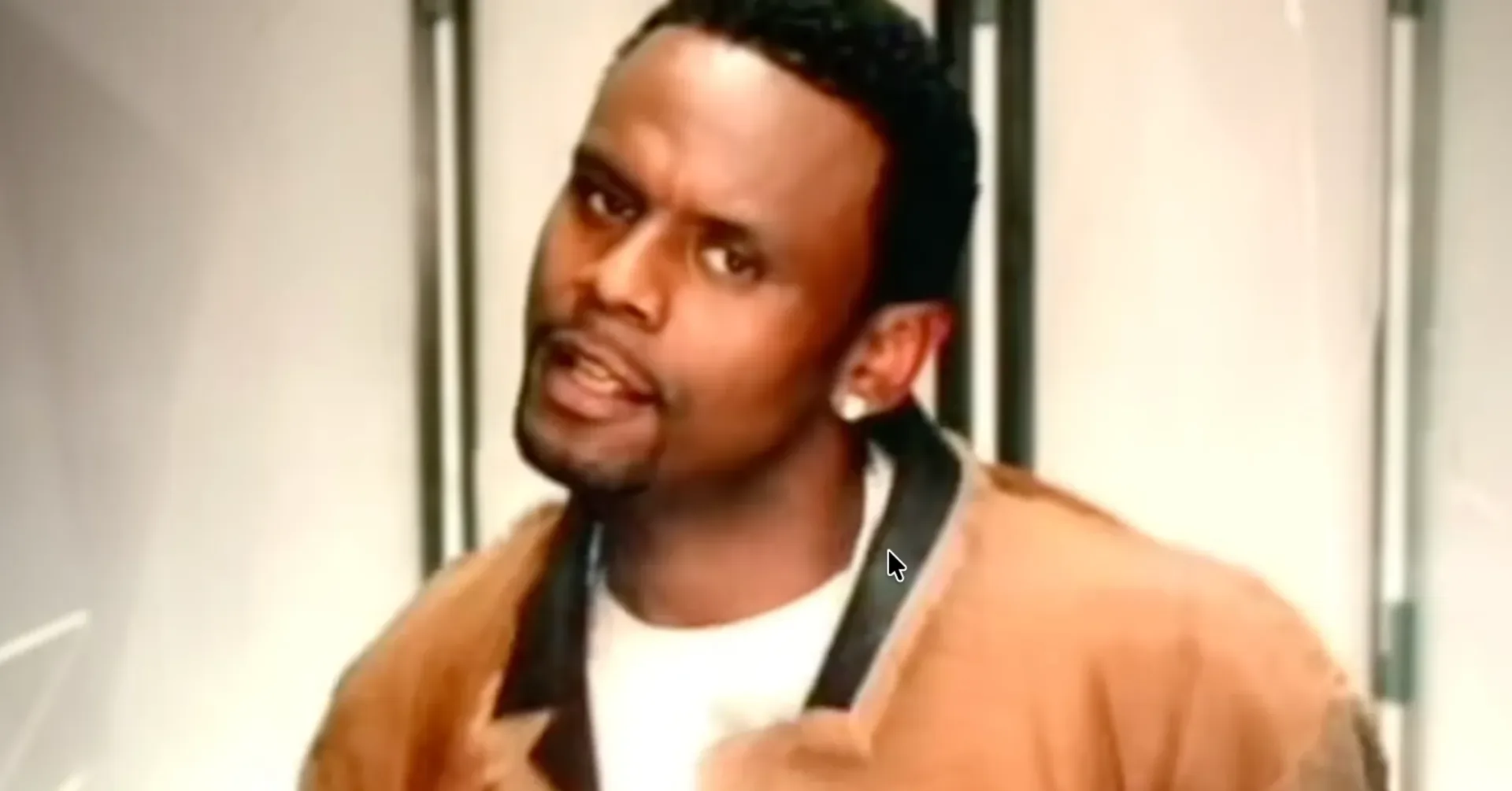
Verzuz’s current R&B run will continue on Thursday, Oct. 22, when Case and Carl Thomas are scheduled to face off. The broadcast is set for 6 p.m. PT and 9 p.m. ET, with viewing available through Apple Music, Complex and official Verzuz channels.
The pairing is built around two artists whose strongest commercial eras overlap, but whose records occupy noticeably different lanes within late-1990s and early-2000s R&B. That distinction is important to the appeal of a Verzuz: the format is not simply a question of who had the largest single record. It places catalogs in sequence, allowing song selection, pacing, features, memories and crowd response to shape the conversation in real time.
In this case, Case arrives with a body of work that moves between romance-forward R&B, soundtrack-era visibility and hip-hop collaborations. Carl Thomas brings an intensely emotional set of songs associated with the Bad Boy period, particularly material from his 2000 album Emotional. The result should be less a battle between identical hit formulas than a contrast between two ways R&B connected with listeners in the same broad period.
What each singer can bring to the format
Case’s likely bench includes “Touch Me, Tease Me,” “Happily Ever After,” “Faded Pictures” and “Missing You.” Those titles point to the range that gives him an intriguing Verzuz case: familiar romantic singles sit alongside songs shaped by collaborations and soundtrack culture. In a catalog matchup, that variety can matter because it gives an artist options for responding to the previous selection rather than following only one mood.
“Missing You” is the clearest chart benchmark in Case’s lineup. It reached No. 1 on Billboard’s R&B chart and No. 4 on the Hot 100, making it his biggest solo hit. The difference between those two measurements is useful context. The R&B chart reflects strength within the format and audience most closely associated with the song’s genre, while the Hot 100 position illustrates its wider reach across the U.S. singles market. A record that performed at both levels has an obvious advantage in a format that thrives on instant recognition.
Thomas’s foundation is Emotional, an album that produced “I Wish,” “Summer Rain,” the title track and “Giving You All My Love.” “I Wish” spent six weeks at No. 1 on Billboard’s R&B chart, while Emotional eventually achieved Platinum status. In plain terms, the song had sustained dominance on the genre chart, and the album reached the certification threshold associated with one million units in the United States. Those figures do not decide a Verzuz outcome, but they clarify why the album remains central to Thomas’s reputation.
There is also an emotional contrast that could make the track-for-track order compelling. Case’s catalog can pivot between affectionate songs and records with a more collaborative, hip-hop-adjacent framing. Thomas is especially tied to polished heartbreak material: songs whose directness and ache are as important as their melodies. A matchup does not require the artists to sound interchangeable. In many ways, it works better when each performer has a specific lane to defend.
Why the R&B streak matters
The announced event follows the Joe and Donell Jones Verzuz held in August. Together, the pairings place veteran R&B voices at the center of the platform’s recent programming. That emphasis gives songs from this era an environment where they are not merely treated as old favorites, but as catalogs with different strengths: radio hits, deep cuts, guest appearances, ballads, crossover records and songs that became durable fixtures in listeners’ personal histories.
Verzuz’s basic premise is often described as a battle, but its more useful function here is as a catalog showcase. The contest framing adds suspense, while the live sequence encourages viewers to reconsider how songs work beside one another. A No. 1 hit may be an obvious closer, for example, but the most effective response can be a song with a more immediate mood match, a memorable feature or a different kind of cultural association. With Case and Thomas, the tension may come from choices between broad crossover familiarity and the emotional force of a signature slow jam.
That does not mean a winner can be objectively established by chart positions alone. Commercial data shows reach, but it cannot measure the specific effect of timing, arrangement or audience memory in a live presentation. The sensible way to view the matchup is as a comparison of catalogs rather than a definitive ruling on either singer’s career.
These are not purely archival catalogs
Both artists also have recent activity behind them. Case released “I Can’t Breathe” earlier this year. Thomas has remained active on the R&B touring circuit and revisited “Emotional” in 2025 through a remix featuring Big Boogie and Moneybagg Yo. That detail gives the event a contemporary dimension: the songs that define the matchup may have roots around the turn of the century, but the artists are not being presented solely as figures frozen in that moment.
Thomas’s 2025 remix is particularly illustrative of how an established R&B catalog can be reintroduced through new collaborators without replacing the original record’s identity. Case’s new release similarly signals an ongoing output beyond the classic singles expected to anchor the night. The Oct. 22 event can therefore function on two tracks at once—celebrating records with proven longevity while reminding viewers that both singers remain active.
For audiences planning to watch, the practical details are straightforward: the stream begins at 6 p.m. on the West Coast and 9 p.m. on the East Coast on Thursday, Oct. 22. Apple Music, Complex and Verzuz’s official channels are the listed destinations. Anyone hoping to assess the matchup beyond the scorekeeping can listen for how each artist arranges the set: whether Case leans into soundtrack and collaboration history, whether Thomas concentrates on the emotional through-line of Emotional, and how each singer answers a record built for a different mood.
The broader R&B setting is also worth noting. The genre’s enduring stars and eras continue to make headlines beyond Verzuz; Usher’s recent birthday gathering, for instance, put several major music figures in the same cultural conversation. Case versus Carl Thomas takes a more focused route: two singers, two intersecting eras and a night built around which songs still land hardest when placed directly against each other.