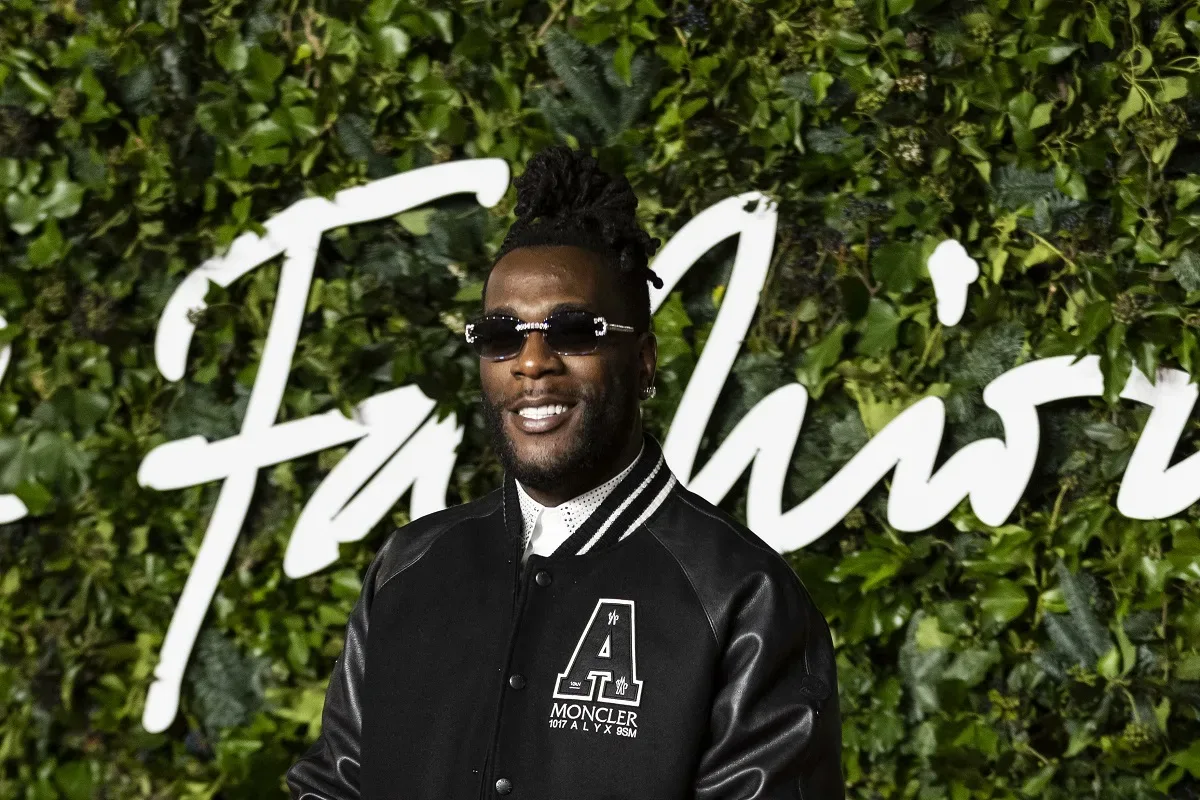
Burna Boy and Davido were seen shaking hands during Zlatan Ibile’s bachelor-party celebration in Lagos, a brief but closely watched moment involving two of Afrobeats’ biggest names. Footage from the nightclub gathering circulated ahead of Zlatan’s wedding to Davita Lamai, scheduled for Saturday, October 24.
The encounter has naturally prompted fresh chatter about a possible truce. A handshake at a celebratory event is not, by itself, a detailed public statement about any relationship, and neither Burna Boy nor Davido had addressed the moment. That distinction matters: viewers can reasonably see the exchange as cordial, but it does not establish a new collaboration, a formal reconciliation announcement, or an end to every past disagreement.
Still, the moment carries weight because the artists’ relationship has been publicly discussed for years. Their history is more complicated than a simple rivalry narrative, and Zlatan’s place in the gathering provides an important connection between them.
Why Zlatan Ibile was a fitting link between the two artists
Zlatan has worked with both performers. Davido appeared on Zlatan’s Osanle, a Fresh VDM production released in November 2018. Zlatan also worked with Burna Boy on Killin Dem; its video followed in January 2019. The song appeared on Burna Boy’s African Giant, was produced by Kel P, and won Best Collabo at the 2019 Headies.
That shared creative history helps explain why a personal celebration connected to Zlatan could put the two artists in the same room without the occasion needing to become a spectacle about their past. The party was first and foremost a gathering for Zlatan and Lamai. But when artists with a widely discussed history exchange a friendly greeting in public, the clip inevitably becomes part of the conversation around that history.
In music reporting, the term collaboration can mean more than an artist simply appearing on a track. It can describe a network of working relationships among performers, producers and video teams. Here, the relevant point is not that Burna Boy and Davido have been announced as collaborators themselves; no such announcement has been made. Rather, both have clear musical ties to the host, making the event a reminder that overlapping creative circles can persist even when public narratives focus on friction.
The relationship predates the public disputes
Davido has said he and Burna Boy met in 2010, before either was widely known. He recalled spending time with Burna Boy in those earlier years and said he supported his success. In discussing their connection, Davido described Burna Boy as a brother.
“Burna Boy and I are brothers,” Davido said.
Related coverage includes Burna Boy and Davido Shake Hands at Zlatan Ibile’s Lagos Bachelor Party.
That account offers useful context for interpreting a moment that can otherwise be reduced to a few seconds of video. Public tensions tend to dominate attention because they are easy to circulate and debate. Yet Davido’s comments point to a longer relationship that existed before that phase became a major subject of discussion.
It is also worth separating familiar fan language from confirmed events. Online communities often apply words such as “beef,” “truce,” or “besties” to short clips, treating each as a definitive update. Those labels may capture the excitement of the moment, but they can flatten a more nuanced reality. A handshake shows a handshake: an observable gesture of acknowledgement. It does not tell outsiders every detail of a private relationship, nor does it obligate either artist to explain it further.
What Davido said about “FEM”
One recurring point in discussion of the artists’ tensions has been Davido’s song FEM. Some listeners connected the record to Burna Boy because it used “Odogwu,” a name associated with Burna Boy. Davido rejected the idea that the song had been aimed specifically at him.
Davido instead characterized the reference as an invitation: Burna Boy could call him and join him at a party. He also said he had repeatedly attempted to speak with Burna Boy and maintained that he had never sought to discredit him.
That explanation is a useful reminder of a basic challenge in interpreting music and celebrity disputes. Listeners often connect lyrics, nicknames and timing into a larger theory. Sometimes artists confirm those readings; sometimes they explicitly do not. In this case, Davido offered his own account of the reference. That does not prevent people from debating the song, but it does mean the claim that FEM was directed specifically at Burna Boy should not be treated as an established fact.
The distinction is especially relevant when a clip like the one from Zlatan’s party begins circulating. A widely shared moment can revive old debates, but it can also encourage people to revisit them with more certainty than the available evidence permits. The confirmed facts are relatively straightforward: the two greeted each other at the Lagos celebration; their past relationship has included public tension; and neither had publicly explained this particular encounter.
An earlier sign that tensions had eased
The party footage is not the first indication that the relationship may have moved away from conflict. Burna Boy previously wrote that he had no issues with Davido and that they were good, while encouraging people to show love to one another entering 2022.
“FYI, I have no issues with David. We good now,” Burna Boy wrote.
That earlier post gives the latest greeting a different context. Rather than proving a sudden, never-before-seen reconciliation, the handshake is more accurately understood as consistent with an earlier public statement that the differences had been settled. It remains possible that fans will read more into the encounter, particularly because neither artist has discussed it directly. But the older statement makes it difficult to frame the party moment as the first available evidence of peace between them.
What the moment means—and what it does not
The most grounded reading is also the simplest. At Zlatan Ibile’s bachelor party, Burna Boy and Davido exchanged a handshake. Their shared appearance at an event for an artist who has worked with both of them offered a visible display of civility after a period of public tension.
- It does suggest: a willingness to acknowledge one another warmly in a public social setting.
- It does not confirm: a joint song, a planned appearance, a new business arrangement or a detailed account of their private relationship.
- It adds context to: Burna Boy’s earlier statement that the two were good and Davido’s position that he had tried to communicate rather than undermine Burna Boy.
For fans, that may be enough. Not every meaningful entertainment moment needs to arrive as a grand announcement. Sometimes it is simply a short interaction at a friend’s celebration, amplified because of the people involved and the history audiences attach to them.
The clip also shifts attention back toward the connections that have existed around the pair: Davido’s appearance on Osanle, Burna Boy and Zlatan’s award-winning Killin Dem, and the broader reality that artists’ careers and friendships can overlap in ways social-media narratives do not always capture. For more music-centered pop-culture coverage, see Cordae addressing family change on “Helpless” as Anderson .Paak revisits divorce.
For now, the footage from Lagos is best treated as a notable public gesture, not an invitation to invent a bigger story around it. Zlatan’s celebration brought together people with longstanding professional and personal ties. Burna Boy and Davido’s handshake became the headline because their history makes even a brief moment of mutual recognition significant.