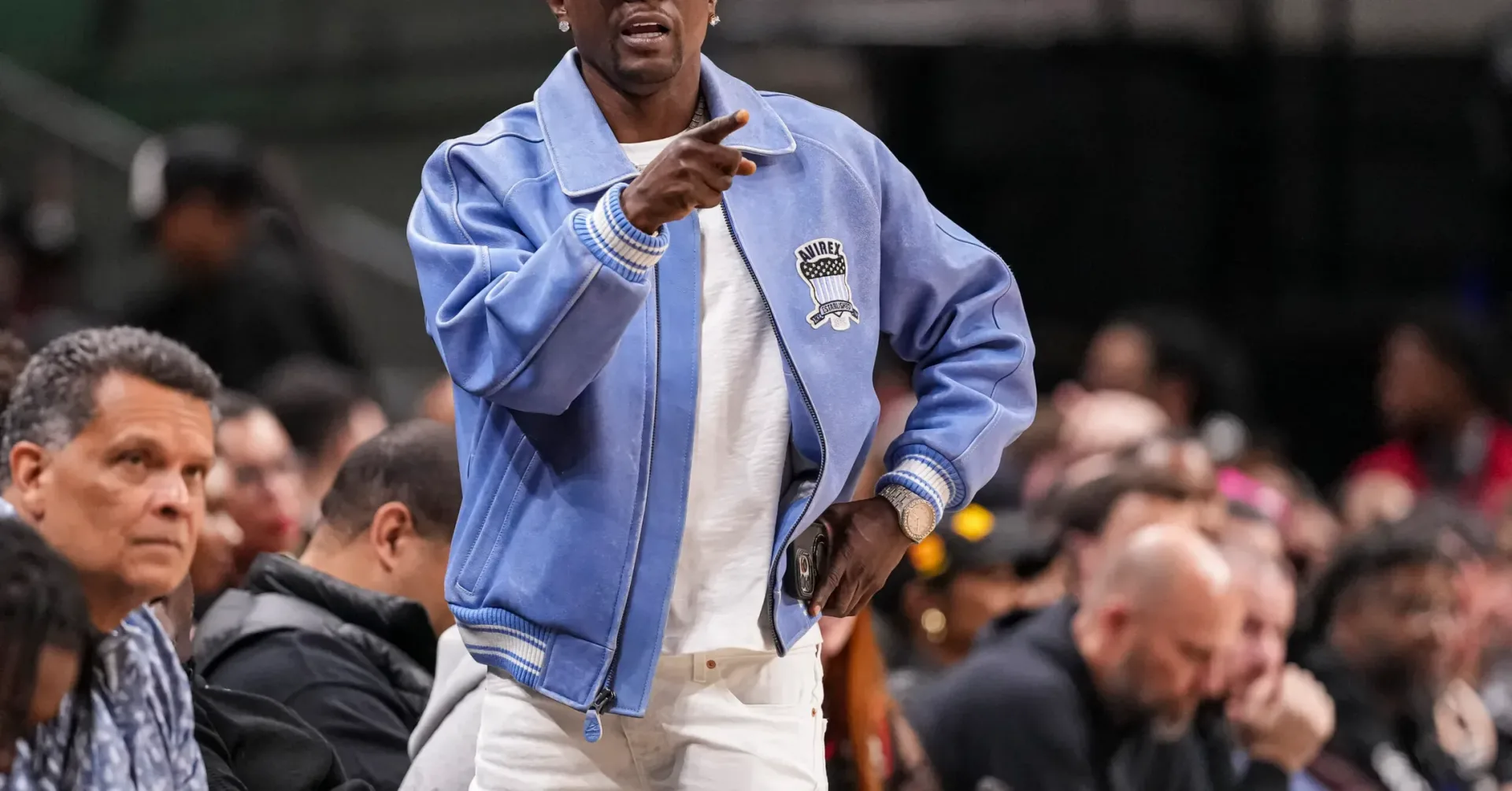

Boosie Badazz will not face a criminal trial over an alleged assault at a Houston nightclub after a Harris County grand jury returned a no-bill on November 20. The decision ends the aggravated-assault case that followed a confrontation at Dome Nightclub in downtown Houston during Memorial Day weekend.
A no-bill means the grand jury did not vote to bring an indictment. In Texas, at least nine grand jurors must vote in favor of an indictment for a felony case to proceed toward trial. That threshold was not met here, and the criminal case was dismissed.
The outcome is significant, but it needs a little legal context. A grand jury’s refusal to indict is not a criminal verdict after a public trial, and it is not the same procedural event as an acquittal. Instead, it means prosecutors did not secure the required grand-jury vote to formally charge the case for trial. In practical terms for Boosie, whose legal name is Torrence Hatch Jr., there will be no trial on this particular aggravated-assault charge as presented to the grand jury.
What the Houston case involved
The allegation stemmed from an incident on May 24 at Dome Nightclub, where Boosie had been booked over the holiday weekend. A security guard said he was taking a woman from the venue at closing time when he was struck with a glass hookah base.
Investigators were told that the guard turned around and saw Boosie holding the broken base. A second security guard reportedly told police that he heard glass break and then saw Boosie holding pieces of the item. Both guards identified the rapper by his stage name.
The allegation took on added legal weight because the glass hookah base was alleged to have been used as a deadly weapon. In the case, that was central to the aggravated-assault theory. “Aggravated assault” is a more serious classification than a basic assault allegation when the state alleges, among other possibilities, serious bodily injury or use of a deadly weapon. The grand jury’s no-bill means that allegation will not be tried in this criminal case.
Boosie appeared in court on June 1, when bond was set at $85,000. At that point, attorney Carl A. Moore said that Boosie had been defending another person during the confrontation. Boosie later disputed the security guard’s account in a Facebook video and said that the facts would emerge.
What a no-bill does—and does not—decide
The simplest takeaway is that the criminal prosecution has stopped. That is a substantial resolution for an accused person: no indictment means no criminal trial on the charge that was submitted.
Related coverage includes Boosie Badazz Not Indicted in Houston Nightclub Assault Case.
It is also important not to treat the grand jury action as a full reconstruction of every disputed moment at the nightclub. Grand-jury proceedings determine whether a case advances to an indictment; they do not function like a trial, where competing sides test evidence publicly before a judge or jury and a final guilty-or-not-guilty verdict is reached.
Kent Schaffer, Boosie’s lawyer, said the defense had believed the matter was financially motivated from the beginning. Schaffer characterized the grand jury’s action as an agreement that there was no probable cause to believe a crime had occurred. That is the defense’s interpretation of the outcome. The concrete procedural result is the no-bill and dismissal of the aggravated-assault case.
“Probable cause” is a legal standard often discussed at early stages of a criminal matter. It concerns whether there is a reasonable basis to believe an offense occurred and that a particular person was involved; it is not the much higher standard of proof beyond a reasonable doubt required for a criminal conviction at trial. The supplied account identifies the grand jury’s lack of an indictment, while Schaffer supplied the defense’s view of what that result signifies.
The civil lawsuit is separate and remains unresolved
The no-bill does not close every legal dispute connected to the May incident. Security guard Edward Iglehart II has a separate civil suit against Boosie. Iglehart alleges assault and battery based on the nightclub confrontation, as well as defamation connected to remarks made afterward. He is seeking $8 million in damages.
Criminal and civil cases can arise from the same claimed event, but they have different purposes. A criminal case asks whether the state can pursue criminal charges and potentially impose criminal penalties. A civil case is a dispute between private parties, commonly seeking monetary damages or other civil remedies. The parties, standards, procedures and potential outcomes are not the same.
That distinction matters here. The Harris County grand jury’s decision resolves the criminal aggravated-assault case described above. It does not itself decide whether Iglehart’s civil allegations are proven, whether Boosie is liable for damages, or whether the requested $8 million will be awarded. Those questions remain for the civil process.
Why careful wording matters in celebrity legal coverage
Celebrity cases can quickly be reduced to a headline-sized binary: charged or cleared, guilty or innocent. The actual procedural record is often more specific. In this instance, the correct description is that a Harris County grand jury declined to indict Boosie Badazz, producing a no-bill and ending the criminal case. It is equally accurate that an accuser’s civil suit remains active.
That precision is particularly useful where the accounts of an incident differ. The security guards’ statements described seeing Boosie with broken pieces of the hookah base after the reported strike. Boosie and his attorneys disputed the allegation, with the earlier defense account saying he had been protecting someone else. The grand jury did not return an indictment, but the civil litigation means the nightclub incident has not disappeared from the legal calendar altogether.
For readers following the overlap between music, celebrity and game-adjacent pop culture, legal developments are also a reminder to separate confirmed procedural actions from online speculation. The newsworthy development is a documented one: the no-bill. Claims about motives, the exact sequence at the club and potential civil liability remain disputed or unresolved unless established through the applicable legal process.
Music personalities continue to intersect with the wider game conversation in very different, far less serious ways—such as Sexyy Red’s response to a viral GTA 6 Jason dance scene. The Boosie matter, however, is a legal update rather than a promotional or entertainment crossover: the criminal case has ended without an indictment, while the separate civil case remains to be resolved.