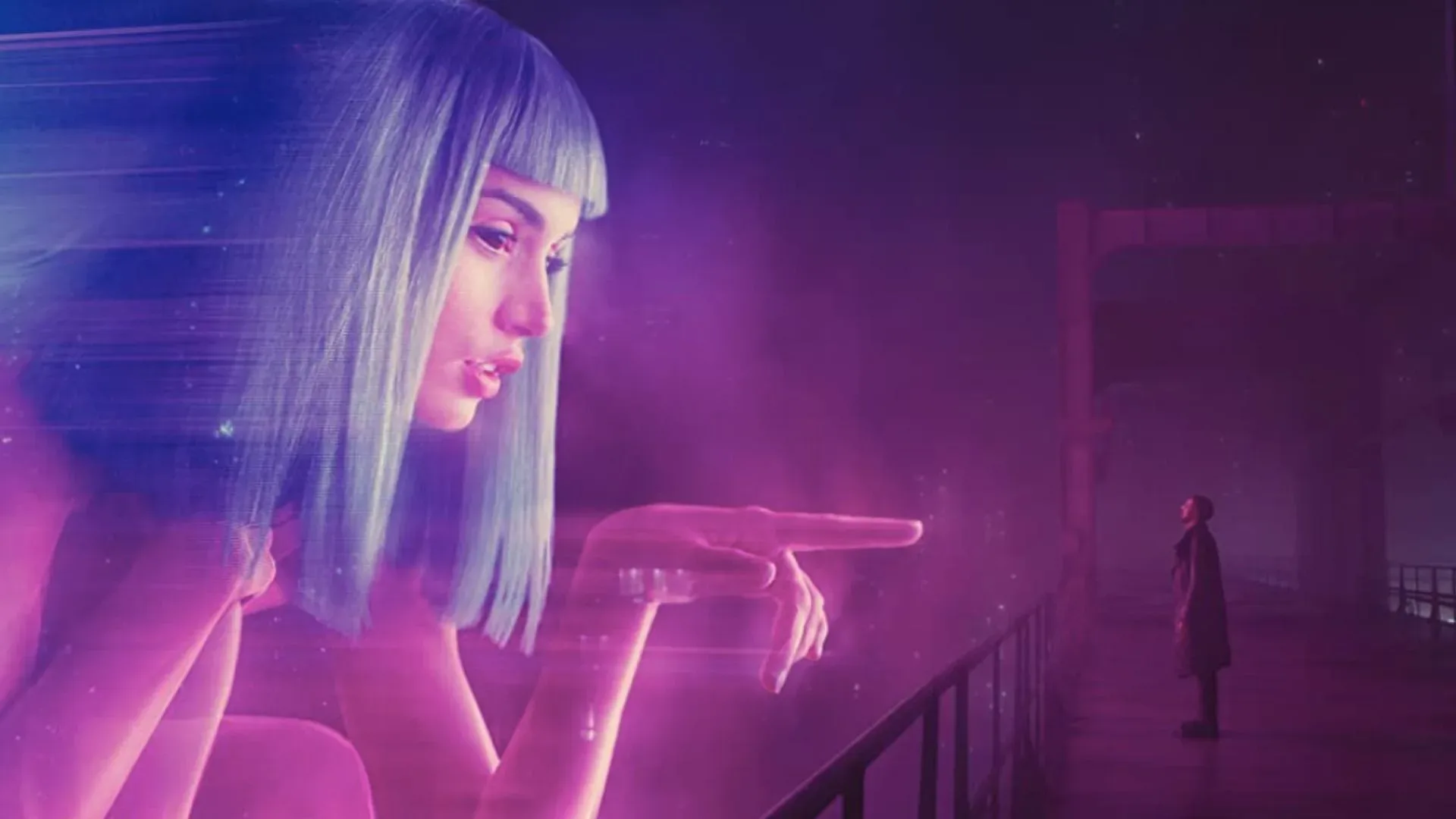
Major spoilers for Blade Runner, Blade Runner 2049, Black Lotus, and the comics follow.
Blade Runner is easy to mistake for a two-film story: Ridley Scott’s 1982 noir-infused science-fiction landmark, followed decades later by Denis Villeneuve’s Blade Runner 2049. The fuller continuity is much messier—and much more interesting. Comics have filled in the formation of the Blade Runner unit, anime has explained the pivotal Black Out, short films have charted the Wallace Corporation’s ascent, and games have explored corners of the setting with varying degrees of certainty.
The key to navigating it is to separate release order from story chronology. The former is useful for seeing how the franchise expanded; the latter reveals a long chain of corporate control, replicant resistance, lost records and contested personhood. This guide follows chronology, concentrating on the screen stories and the major comic narratives. A few game-related notes are included where their setting connects meaningfully to the wider timeline.
First, a compact Blade Runner glossary
Replicants are bioengineered people. They can be physically and intellectually exceptional, yet they are made and controlled as labour. The ethical tension at the heart of Blade Runner comes from that contradiction: the system treats them as products, while their capacity for memory, fear, attachment and self-determination makes that treatment impossible to regard as simple.
Blade Runners are police officers assigned to find and “retire” rogue replicants. Retirement is the series’ clinical euphemism for killing them. Tyrell Corporation is the original dominant manufacturer, while the Wallace Corporation later acquires Tyrell’s assets and becomes the crucial power behind a new generation of replicants.
The Voight-Kampff test is an empathy test used to identify replicants. Its significance is not merely procedural: the test assumes emotional responses can establish humanity, even as the franchise repeatedly shows humans behaving monstrously and replicants expressing compassion. The Black Out is a 2022 event that erases vast electronic records across the West Coast, reshaping the balance of power for decades.
2009: Blade Runner: Origins
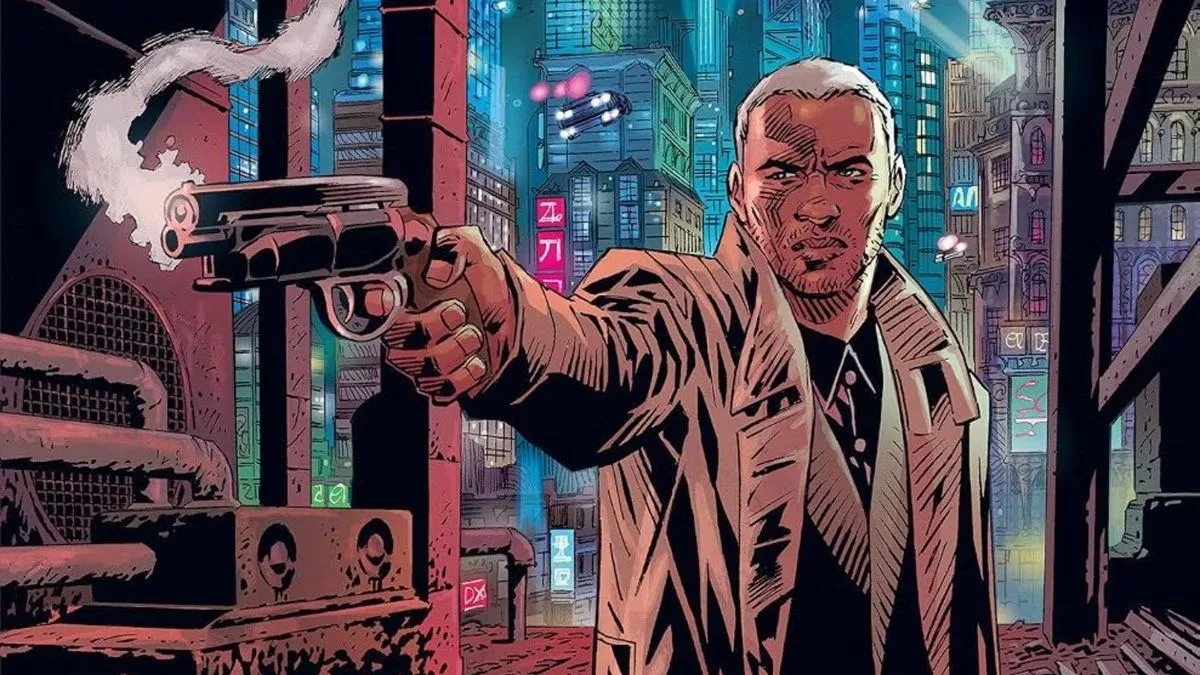
The earliest major story is the 12-issue comic Blade Runner: Origins, released in 2021–22 but set in 2009. It follows LAPD detective Cal Moreaux as he investigates the apparent suicide of Tyrell scientist Lydia Kine. His case draws him into an emerging replicant uprising and a disturbing connection to his sister, Nia.
Its central historical contribution is straightforward: it tells the story of the first Blade Runner. Cal’s investigation leads to the creation of the Blade Runner division, with Cal becoming its first member. That makes Origins more than a prequel mystery; it gives institutional beginnings to a job that the 1982 film initially presents as already entrenched. Cal’s later appearance in Blade Runner 2039 also ties this early period to the comics’ much later material.
2015: Blade Runner: Tokyo Nexus
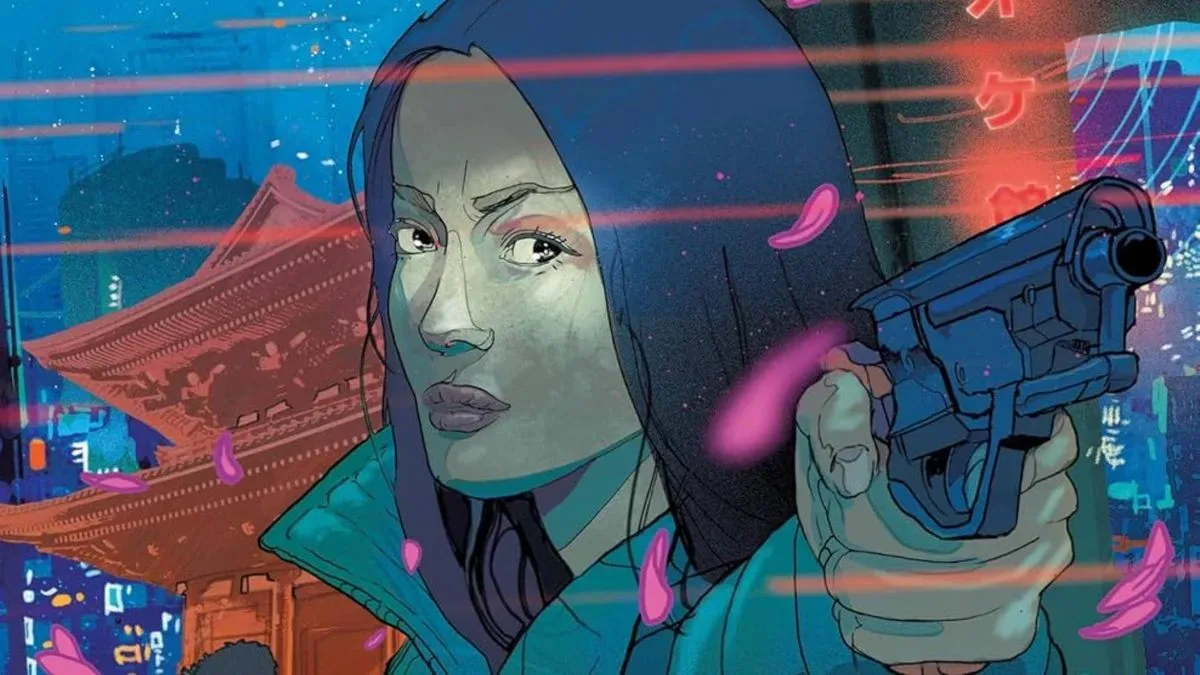
Blade Runner: Tokyo Nexus, which began publication in 2024, takes the setting to Asia. Mead, a human, and Stix, a replicant, survive a disastrous off-world military mission and return to Earth as unlicensed private detectives. Their missing-persons investigation intersects with the hunt for the person who betrayed their former squad.
The case expands into a patent conflict involving Yakuza clans, Tyrell and Cheshire, a company developing bootleg replicants. The story is important because it broadens a universe often associated almost exclusively with Los Angeles and corporate pyramids. Its premise also puts human and replicant partners on equal investigative footing long before the later stories make that social friction explicit. Two volumes, Die in Peace and To Lose is to Win, have been released; Die With Honor is set to begin on November 4, 2026.
2019: Blade Runner and Blade Runner 2019
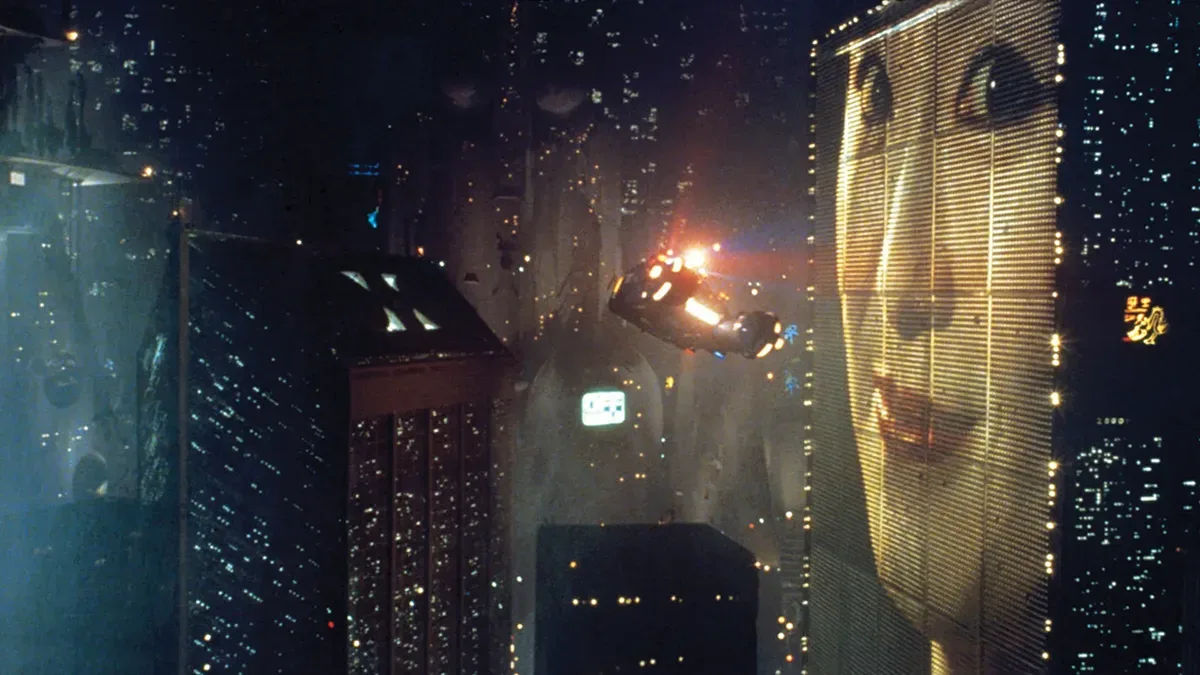
The original film remains the defining entry point. Rick Deckard is brought in to hunt four advanced replicants who have returned illegally to Earth. Their leader, Roy Batty, is trying to escape the deliberately limited four-year life imposed on his model. His route leads to Eldon Tyrell, whose company made him.
Deckard’s encounter with Rachael changes the investigation’s emotional and philosophical stakes. Rachael is a replicant who believes she is human, and the Voight-Kampff process reveals how unreliable neat distinctions can become when memory and identity are designed. Deckard and Rachael fall in love, while Batty’s failed plea to Tyrell ends in violence and his own approaching death. Batty’s final reflections remain among the franchise’s clearest assertions that a manufactured life is still a life with experience worth mourning.
For a revisit, the Final Cut is Ridley Scott’s preferred version and keeps the question of Deckard’s own nature alive. The answer is less important than the discomfort it creates: if Deckard may be a replicant, the supposed boundary between hunter and hunted collapses further.
Set in the same year, the comic Blade Runner 2019 introduces Aahna “Ash” Ashina, identified as the first female Blade Runner. Industrialist Alexander Selwyn hires her to locate his missing wife, Isobel, and daughter, Cleo. Ash’s search reaches from Los Angeles to the off-world colonies and reveals that Isobel is a replicant copy of Cleo’s mother. It begins Ash’s gradual but decisive reassessment of replicants, a plotline carried through the 2029 and 2039 comics.
The 1997 point-and-click game Blade Runner is also contemporaneous with the film, following officer Ray McCoy as he pursues replicants accused of killing animals. But its 13 endings can make characters human or replicant depending on player choices, so it does not sit cleanly inside the modern linear continuity. It remains a fascinating alternate route through 2019, rather than a fixed piece of the timeline.
2022–23: the Black Out changes everything
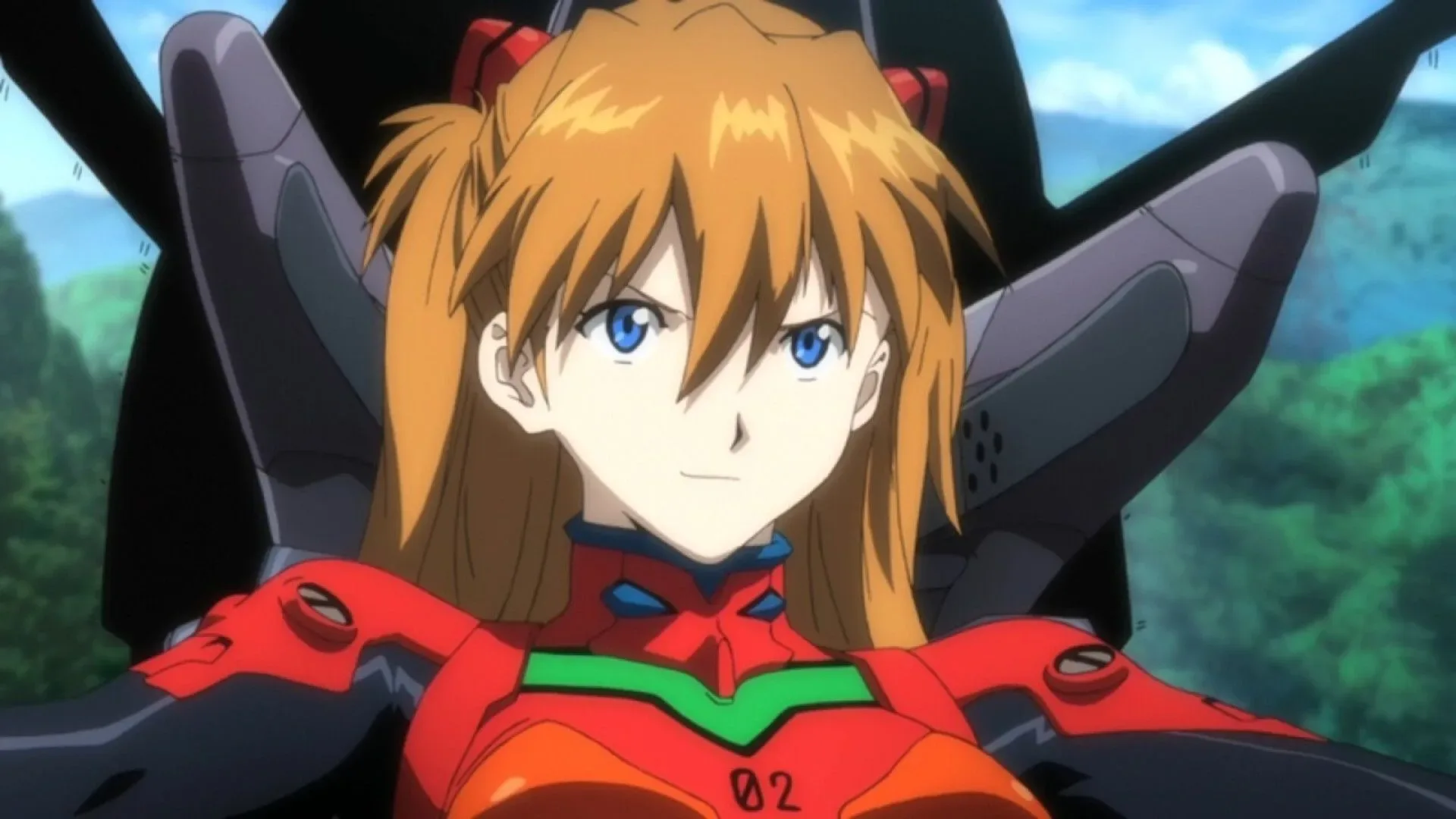
Blade Runner Black Out 2022 is a 15-minute animated short directed by Shinichirō Watanabe. As with other major anime expansions—including the unusual regional storytelling discussed in Evangelion’s recent Japan-based project—format and setting can create room for a franchise to expose a different side of its world. Here, the stakes are systemic.
Replicants no longer have the old four-year lifespan, anti-replicant hostility is growing, and a database identifies replicants across Earth. Iggy Cygnus, Trixie and human sympathiser Ren Dus attempt to erase those records by detonating a nuclear warhead above Los Angeles. The resulting electromagnetic pulse wipes electronic records across the West Coast. Trixie dies, but the plan succeeds.
The effects are immense: replicant production is prohibited, crucial data vanishes, Tyrell collapses, and Wallace eventually buys the company’s assets. The Black Out is not merely a prequel incident. It is the political hinge between the Tyrell era and the Wallace era, and it explains why documentation, memory and identity become even more vulnerable afterward.
Blade Runner: Revelations, a 2018 Daydream VR game set in 2023, covers another volatile chapter. Veteran Blade Runner Harper investigates escalating conflict between authorities and the Replicant Underground, an organisation fighting for replicant rights. Harper discovers Night Owl, a viral pathogen developed by Eldon Tyrell as a replicant-killing failsafe. Because the game branches according to player decisions, its outcomes are not a clean single track, but Night Owl is a major piece of lore: it represents the terrible extent to which Tyrell designed control into replicant existence.
2029: Ash’s divided loyalties
In Blade Runner 2029, the second Ash comic, she is secretly helping replicants escape while still connected to the system built to hunt them. Her double life comes under pressure when she meets Yotun, an older replicant who has survived far past the four-year limit through transfusions of other replicants’ blood.
Yotun is pursuing the same dream that drove Roy Batty: the belief that Tyrell concealed a solution to mortality. He gathers replicants and launches an uprising against human oppression, while Ash’s relationship with her replicant lover Freysa becomes increasingly central. Freysa leads the Replicant Underground and advocates equal rights; an older, one-eyed Freysa later appears in Blade Runner 2049. This is one of the more direct connective threads between the comic line and the films.
2032: Black Lotus and Elle’s escape
The anime series Blade Runner: Black Lotus follows Elle, an amnesiac woman with lethal abilities and a black lotus tattoo. Her search for her past reveals that she is a replicant who was hunted for sport by humans. Her subsequent revenge campaign leads into a Wallace conspiracy.
Elle was created by Niander Wallace Jr. to kill his father, Niander Wallace Sr., after a plan to sell the company’s replicant facilities threatens Jr.’s ambitions. Wallace Jr. wants a new generation of replicants capable of eventually replacing humanity. Elle kills Wallace Sr. and later blinds Wallace Jr.—a consequential personal history behind the version of Wallace seen in Blade Runner 2049.
Elle’s story continues immediately in Leaving L.A., where she flees the city on a homemade Spinner-bike while wanted by the LAPD. Las Vegas sends her into an irradiated, abandoned city after a dirty bomb, where former casino replicants have built a society drawing on ancient Egyptian and Roman royalty. Wallace Jr. pursues her with mercenaries, but Elle escapes and finds an underground replicant community. The planned game Blade Runner 2033: Labyrinth, which would have followed the Black Out’s aftermath a year after the anime, was cancelled after a 2023 trailer.
2036–39: Wallace returns, and Ash’s trilogy ends
The six-minute live-action short 2036: Nexus Dawn puts Niander Wallace Jr. before lawmakers to argue for legal replicant production. Blind, but hardly powerless, Wallace presents an obedient new replicant model and orders it to choose between his life and its own. It kills itself. The display helps clear the path for production to return.
That obedience is the crucial selling point. Wallace’s argument frames replicant labour as necessary for human survival and expansion beyond Earth, but the demonstration makes plain that this supposedly improved model rests on perfect submission. The scene gives the later social order of 2049 its corporate and legal foundation.
Blade Runner 2039 completes Ash’s trilogy. Cleo Selwyn returns to Los Angeles to find Isobel, the replicant copy of her dead mother, and seeks an ageing Ash’s help. Wallace believes the Selwyn family’s research may unlock replicant fertility, so he deploys the advanced replicant Luv after them. Ash obtains Alexander Selwyn’s reproduction research and trades it to Wallace in return for Cleo and Isobel’s freedom. They escape off-world, while terminally ill Ash chooses to spend her remaining time with Freysa.
2048–49: the road directly into Blade Runner 2049
2048: Nowhere to Run focuses on Sapper Morton, who earns a living selling farmed leeches. When he protects a young girl, Ella, and her mother from thugs, his overwhelming strength exposes him as a replicant. He accidentally leaves behind papers with his address, which are reported to the LAPD. That simple mistake leads directly to the opening of Blade Runner 2049.
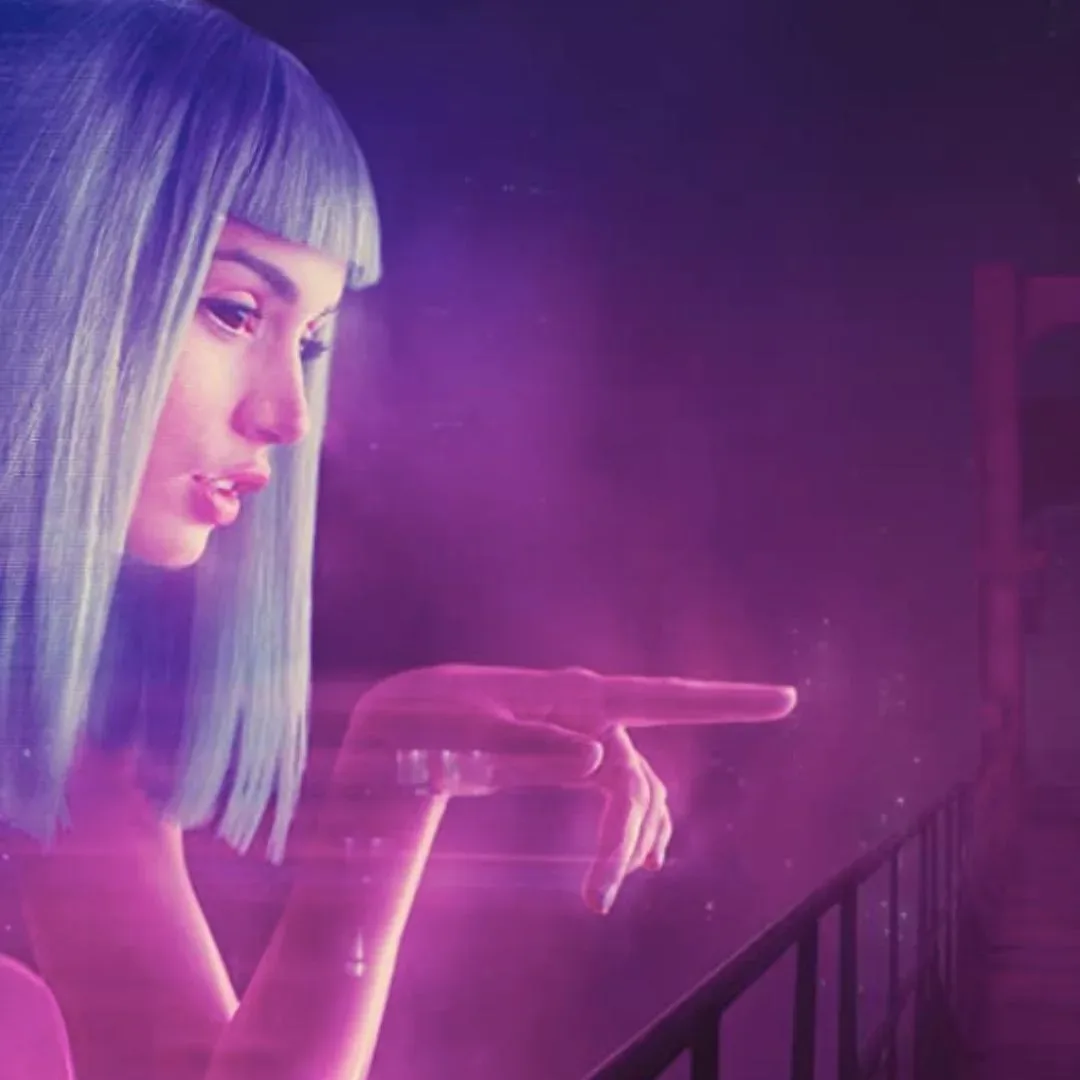
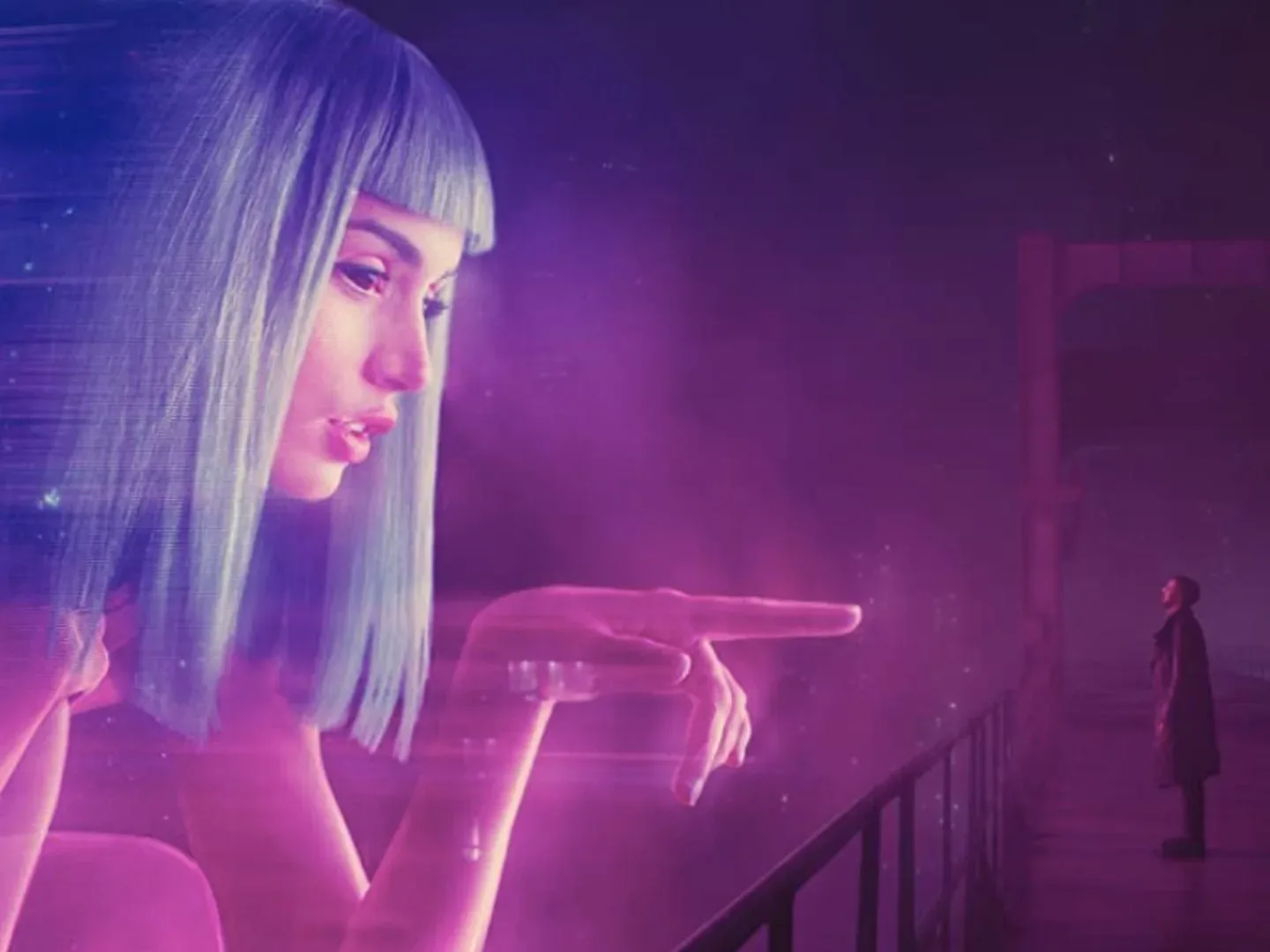
In the film, K is an advanced replicant working as a Blade Runner tasked with retiring older, disobedient models. At Sapper’s farm, he discovers evidence that a female replicant died in childbirth. The mother was Rachael, and the father was Deckard. Replicant reproduction, previously believed impossible, threatens the foundations of a world built on manufactured, controllable labour.
K is ordered to find and kill the child, while Wallace wants the child and the reproductive secret for his own expansionist plans. K’s investigation eventually finds Deckard and reveals the child to be Dr. Ana Stelline, a memory designer. Her childhood memories were implanted in K. After killing Luv, a dying K reunites Deckard with Ana. The resolution does not solve Blade Runner’s moral question; it makes it larger. Memory can be implanted, but the meaning people build from memory is still painfully real.
2099: a new and still largely unknown era
Blade Runner 2099 is a limited series scheduled for November 25, 2026. It jumps 50 years beyond 2049, into a period not previously explored. The premise says replicants have usurped humans after some form of war. Hunter Schafer’s Cora is a human posing as a replicant, while Michelle Yeoh’s Olwen is a replicant Blade Runner near the end of her life. The pair hunt rogue replicants.
Those are the established details, and the gaps matter. The war, the nature of replicant power and the circumstances that leave Cora concealing her humanity have not been explained here. Rather than treating the show as an answer before it arrives, it is best understood as a deliberate leap into the timeline’s biggest uncharted interval—and a chance to test what Blade Runner looks like once its old human-dominated hierarchy has been overturned.