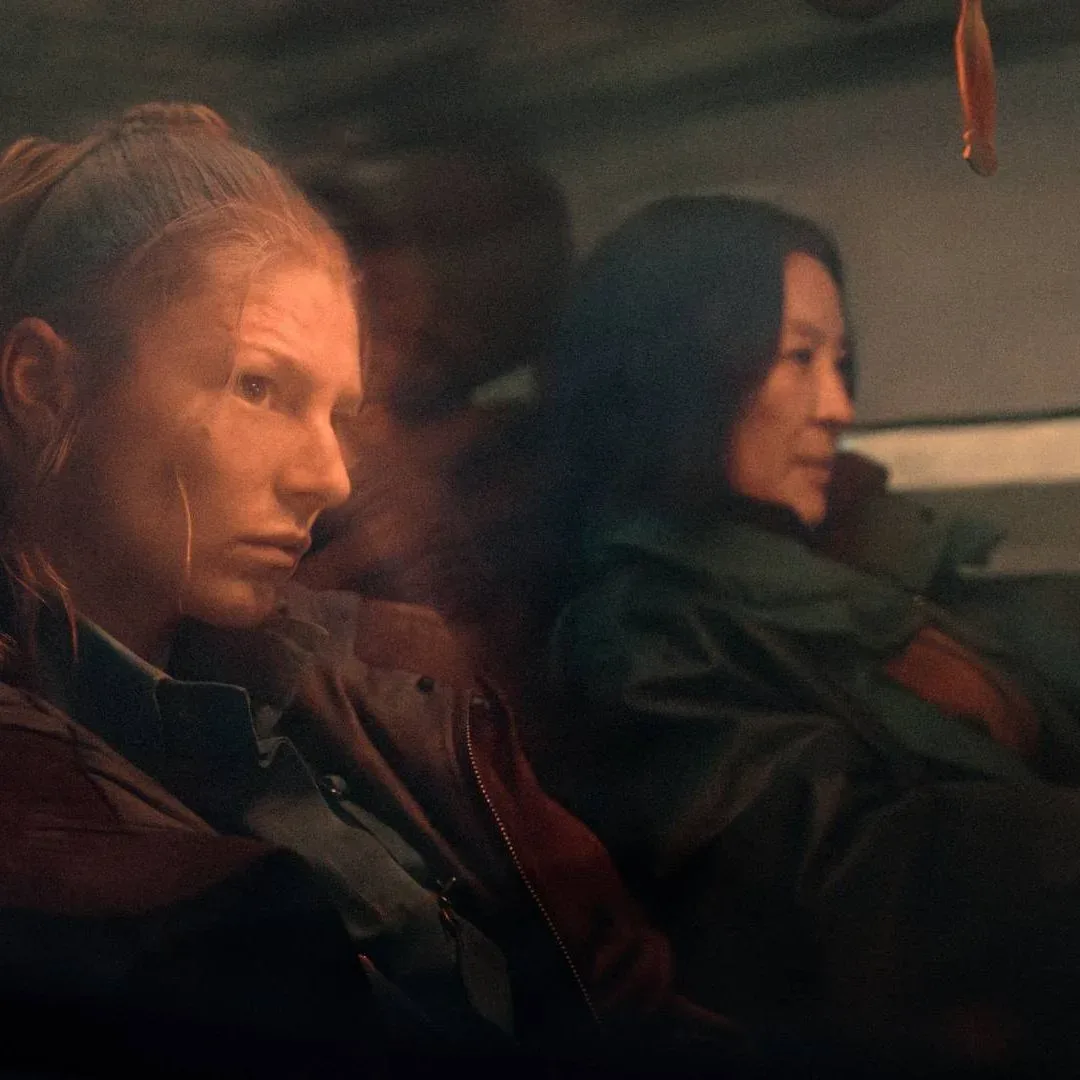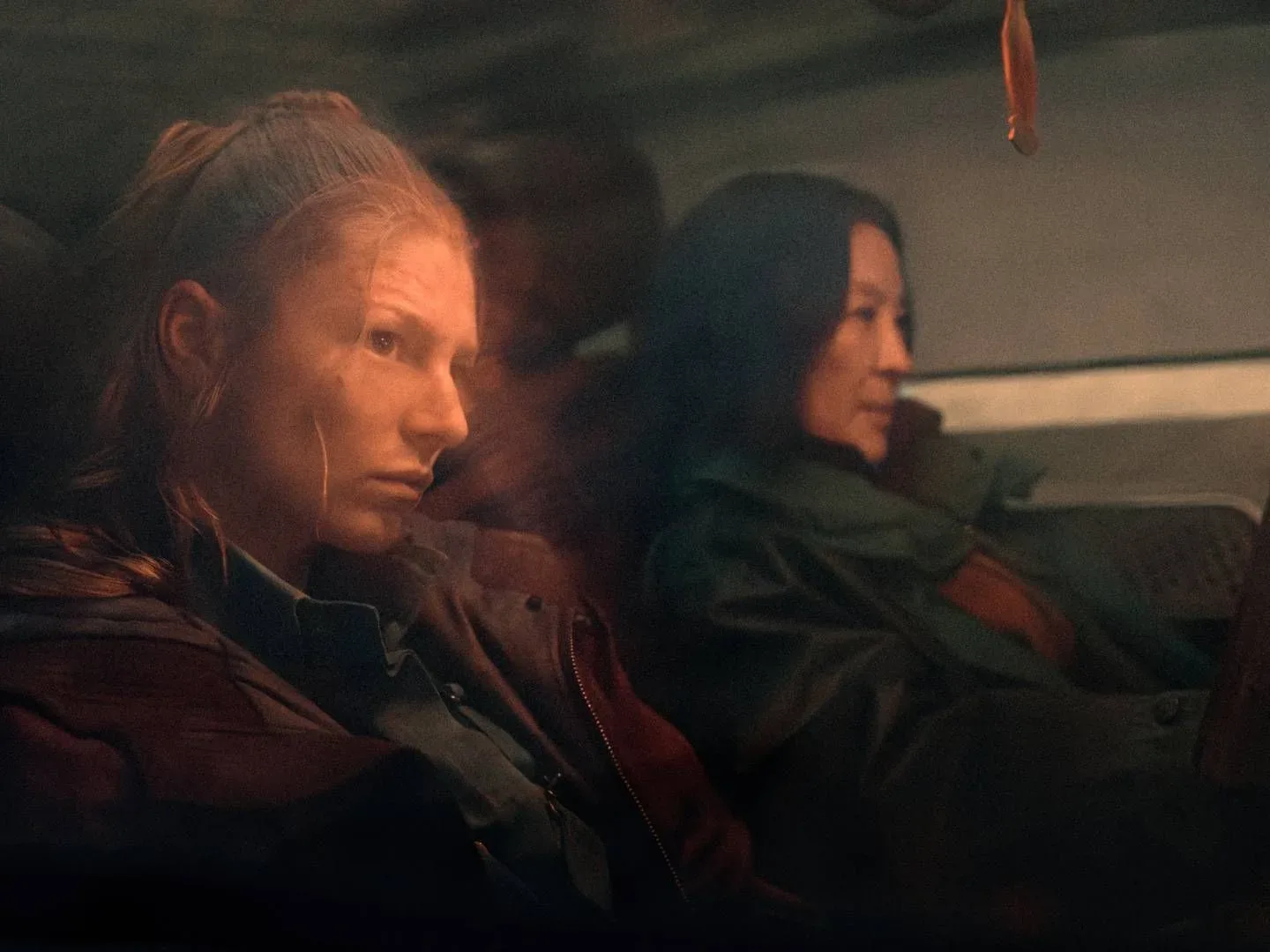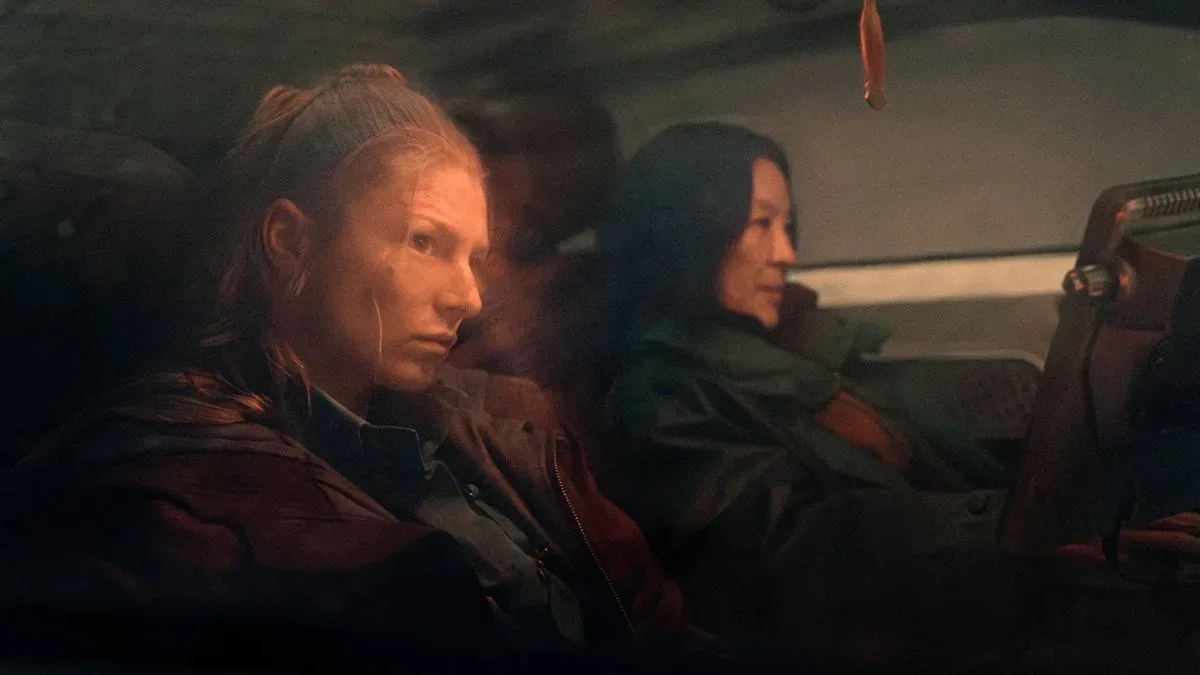
Warning: major spoilers for Blade Runner 2099 follow.
Blade Runner 2099 may leave viewers staring into the rain-soaked distance and asking what happens next, but that uncertainty is the intended destination. The series is billed as a limited series, and its open finale was conceived as a complete ending—not as a conventional cliffhanger meant to secure another season.
The key final development sees Ray recover the dead body of Nexus-1 Julius. That recovery carries enormous implications: it opens the possibility that Replicants could be made immortal. It is the kind of revelation that could transform the status, future, and meaning of Replicant life across the setting. Yet the show deliberately stops before supplying an answer to the largest question it raises: what, exactly, would anybody do with that possibility?
For creator Luisa, that withholding is not unfinished business. It is a purposeful continuation of the franchise’s storytelling identity. The ending is meant to be a “Blade Runner ending,” she explained—ambiguous in the same way the films have invited audiences to argue over their meanings and imagine what follows after the final scene.
An ending that closes the story without closing the question
There is an important difference between an open ending and a sequel hook. A sequel hook usually withholds resolution in order to signal that a specific continuation is forthcoming: a villain escapes, a new threat arrives, or an immediate next chapter is plainly set in motion. An open ending, by contrast, can resolve the immediate dramatic arc while preserving uncertainty about the consequences that outlive it.
Blade Runner 2099 is aiming for the second approach. Julius’ body is recovered; the discovery at the center of the finale has been made. The series does not need to demonstrate every political, scientific, commercial, or personal result of a route to Replicant immortality in order for that discovery to matter. Its choice is to make the audience sit with the magnitude of it.
That is especially fitting in a world where human identity, artificial life, memory, and mortality are not cleanly separable subjects. “Replicant” is the franchise’s term for its manufactured humans, but the word does not make the ethical questions around them simple. A prospect of immortality would not merely be a medical breakthrough in this setting. It could change power structures, deepen exploitation, create new forms of control, or offer liberation. The finale’s force comes from refusing to dictate which of those interpretations viewers must accept.
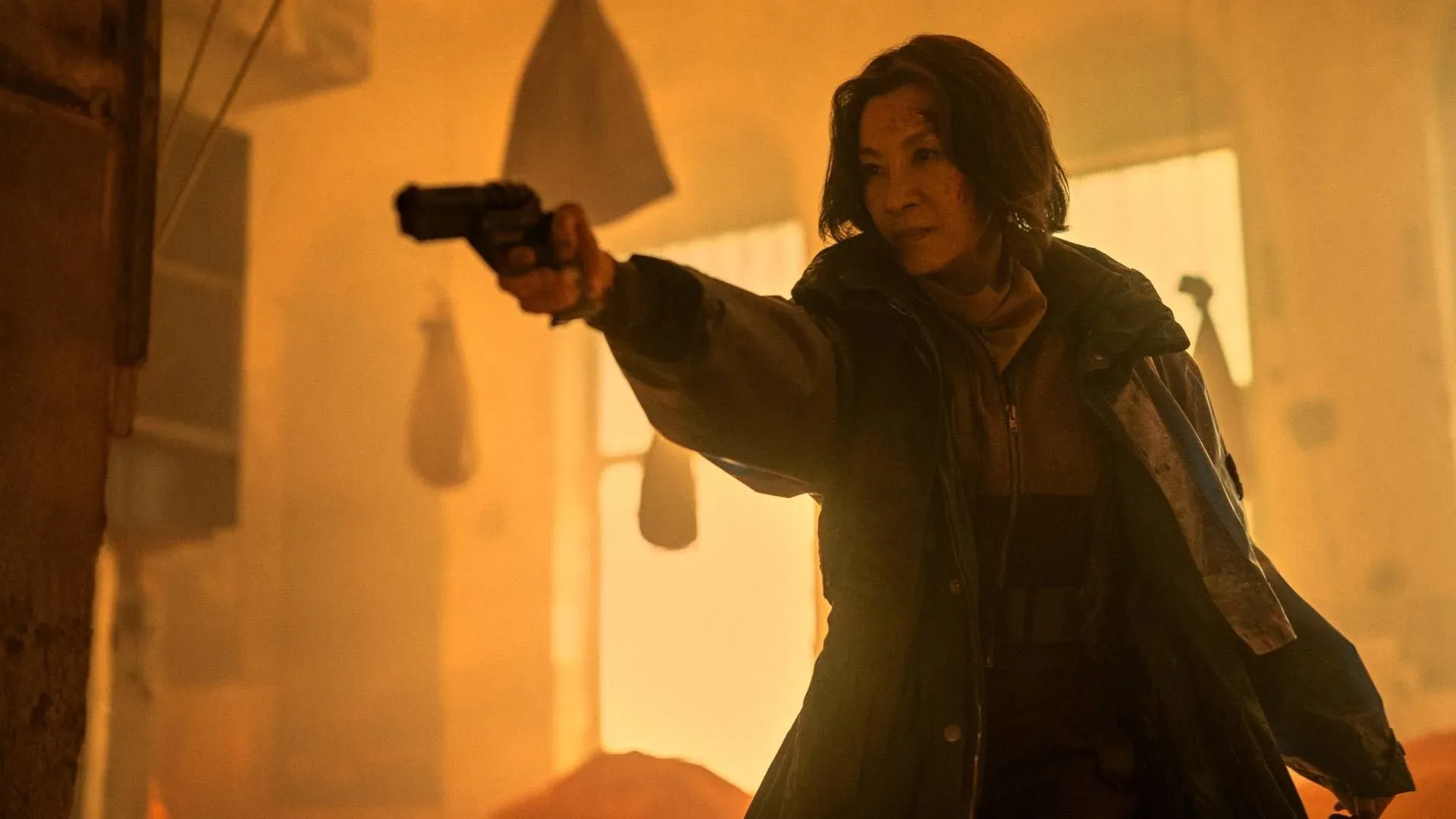
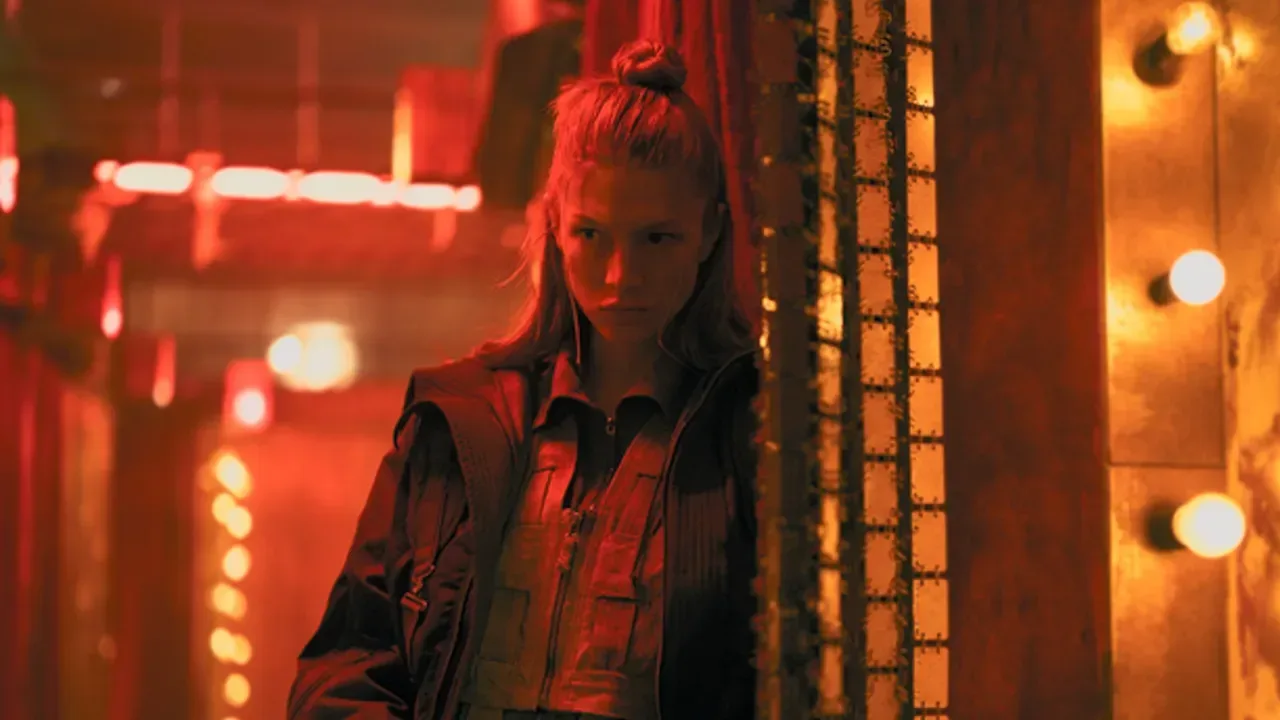
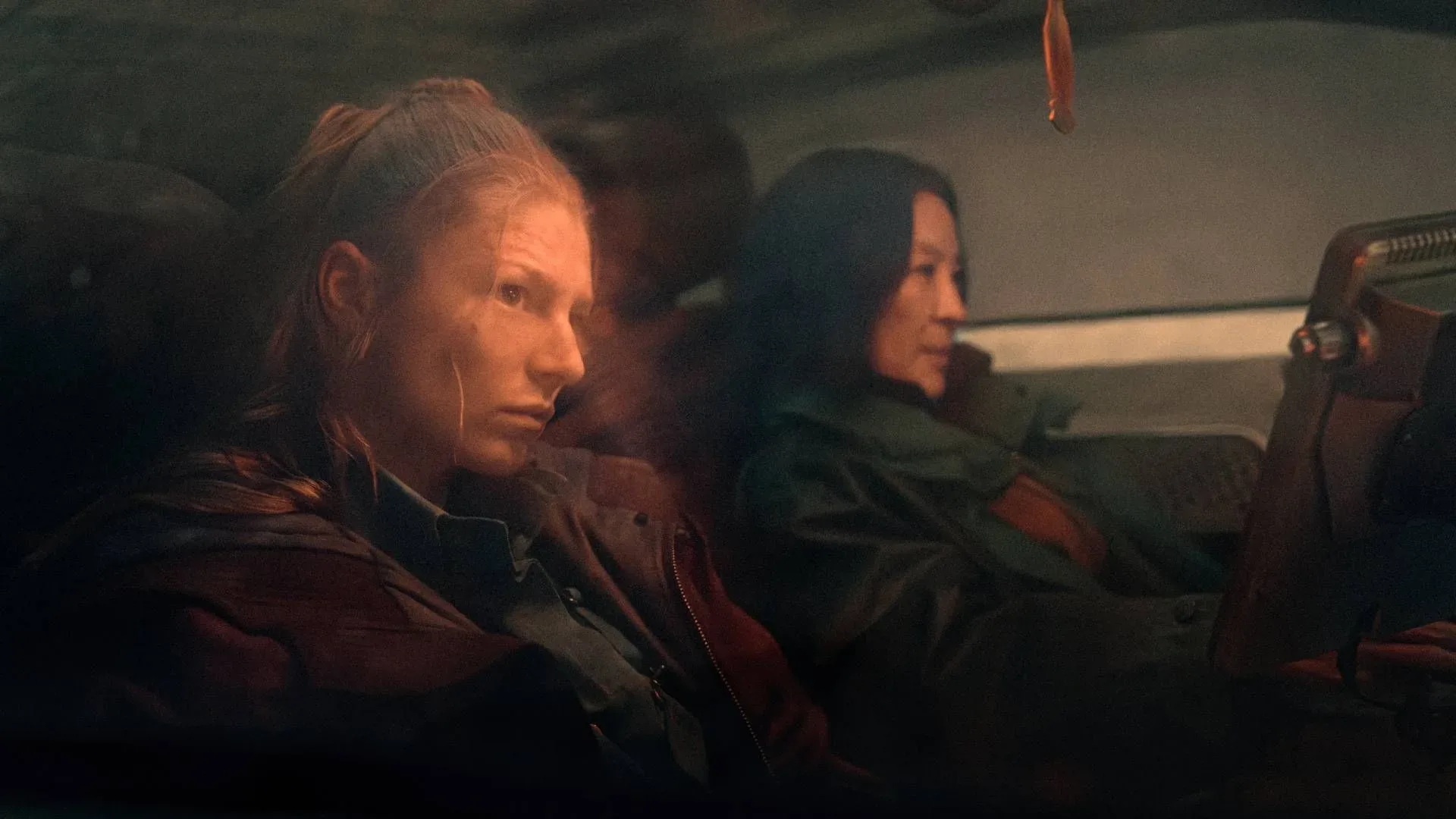
It also gives the ending a wider scope than the fate of any one character. Olwen, Cora, Ray, and the Nexus-1s matter to the story, but the recovered body points beyond their individual journeys. It suggests a potential shift in the entire world. Rather than turn that shift into a tidy post-credits-style promise, the show treats it as an unsettling possibility: real enough to consider, undefined enough to debate.
Ambiguity is a feature of Blade Runner, not a lack of answers
Ambiguity can sometimes be mistaken for avoidance, as though a story leaves a question unresolved only because it has no answer. But the comments around Blade Runner 2099 describe a more deliberate creative process. The writers’ room debated the endings of the two films and what might have taken place afterward, with no universal agreement. That disagreement is part of the appeal.
In this sense, ambiguity is not simply information being withheld. It is an invitation to interpret. One viewer may see Julius’ recovery as a doorway to freedom for Replicants. Another may see a development that will make their bodies and lives even more valuable to people who already hold power. Someone else may focus on the moral uncertainty of extending life at all, especially in a setting where the boundary between human and manufactured person has long been unstable.
The show’s ending therefore asks a question more interesting than “Will there be another season?” It asks what an immortal Replicant world would actually mean. The distinction matters. A season renewal would be an industrial decision about the continuation of a television production. The finale’s unresolved future is a thematic decision: it leaves the audience to confront the social and ethical consequences of a discovery rather than converting them into a simple checklist for the next installment.
That approach preserves room for differing readings without making every interpretation equally certain. The series has established a concrete event—Ray finds Julius’ body—and a concrete implication—the potential for Replicant immortality. What remains uncertain is how that potential would be used, who would control it, and whether it would amount to salvation or a fresh danger. Those are not missing plot points so much as the territory the ending wants viewers to inhabit.
Why a limited-series label matters
Calling a project a limited series establishes an expectation that its core story is designed to have an endpoint. It does not require every idea in its fictional universe to be exhausted. In fact, a setting as expansive as Blade Runner may be better served by allowing an individual story to conclude while leaving the world itself capable of prompting further thought.
That is the framework for reading Blade Runner 2099. The final image of possibility should not automatically be treated as a contract for more episodes about Olwen, Cora, Ray, or the Nexus-1s. The series has been explicitly presented as limited, and the ambiguity was part of its plan from the beginning.
That does not mean the broader universe lacks potential avenues. Luisa described the setting as rich in unexplored time periods and places. While this story remains centered on Los Angeles, it also travels to Mexico and Russia. Beyond that, there is the question of what is occurring elsewhere on Earth and Off-world.
Off-world, in this context, refers to locations beyond Earth within the fictional universe. Its mention is significant because it emphasizes the scale of the setting without requiring this particular series to visit or explain every corner of it. A large fictional world can support self-contained stories; indeed, the decision not to map every region can make the places that remain unseen feel more consequential.
The distinction is useful for audiences who enjoy connected universes but are wary of stories being reduced to sequel machinery. A world can remain open for future exploration while one narrative is allowed to end on its own terms. Blade Runner 2099 is not saying that nothing else could ever be told in this universe. It is saying that its own ambiguity should not be read as a direct promise to continue this exact plot.
A new piece of canon, and a larger mystery
The series does add a major element to the mythology by revealing the origins of Replicant-kind. Luisa characterized that origin as a mystery that had intentionally been left in place. Addressing it marks new ground for the franchise, but it also makes the show’s restraint at the finale more notable.
Origin stories can have a powerful effect on a long-running fictional setting. They may explain where a group came from, but they also reshape how audiences read every later development connected to that group. In a story concerned with artificial people, labor, personhood, and mortality, explaining the origins of Replicants has implications beyond lore for lore’s sake. It reframes the foundations beneath the questions the franchise has always asked.
At the same time, revealing an origin does not make the universe fully solved. The finale’s immortality possibility proves that the past can clarify one mystery while creating sharper questions about the future. That tension is central to the series’ choice of ending: knowledge expands, certainty does not.
Ridley Scott serves as an executive producer on Blade Runner 2099, and Luisa consulted him on canon questions during its development. That involvement places the show’s additions within an active conversation about the franchise’s continuity. Still, canon should not be confused with exhaustive explanation. A canon answer establishes that a detail belongs within the story’s framework; it does not require every consequence of that detail to be immediately narrated.
What viewers can take from the finale
The practical takeaway is straightforward: viewers should approach the ending as an endpoint with deliberate interpretive space, not as a puzzle that can only be solved by waiting for Season 2. The most productive questions are internal to what the series has already supplied.
- What does Julius’ recovery change about the future of Replicants?
- Who might benefit from, fear, or attempt to control a path to immortality?
- Does an extended life offer autonomy, or could it create a new form of dependency?
- How does the origin of Replicants alter the meaning of their struggle in 2099?
- Which uncertainties are intentional thematic tensions rather than missing exposition?
None of those questions needs a single approved answer. The writers’ own disagreements over the films’ endings point to the value of keeping the argument alive after the credits. The goal is not necessarily to discover a hidden definitive continuation. It is to recognize why the story stops at the moment when its implications become largest.
For a contrast in how franchises can use consequential choices as part of their design, see our look at GTA 6’s reported emphasis on consequences over replaying missions. The mediums and stories differ, but both approaches underline a familiar idea: a narrative decision can be meaningful precisely because the audience cannot immediately undo, optimize, or fully resolve it.
Blade Runner 2099 is streaming on Prime Video. Its finale leaves an enormous door conceptually open—the possibility of immortal Replicants—while treating the limited series itself as complete. That is not a retreat from resolution. It is a choice to end where certainty gives way to consequence, and where the audience’s debate becomes part of the experience.