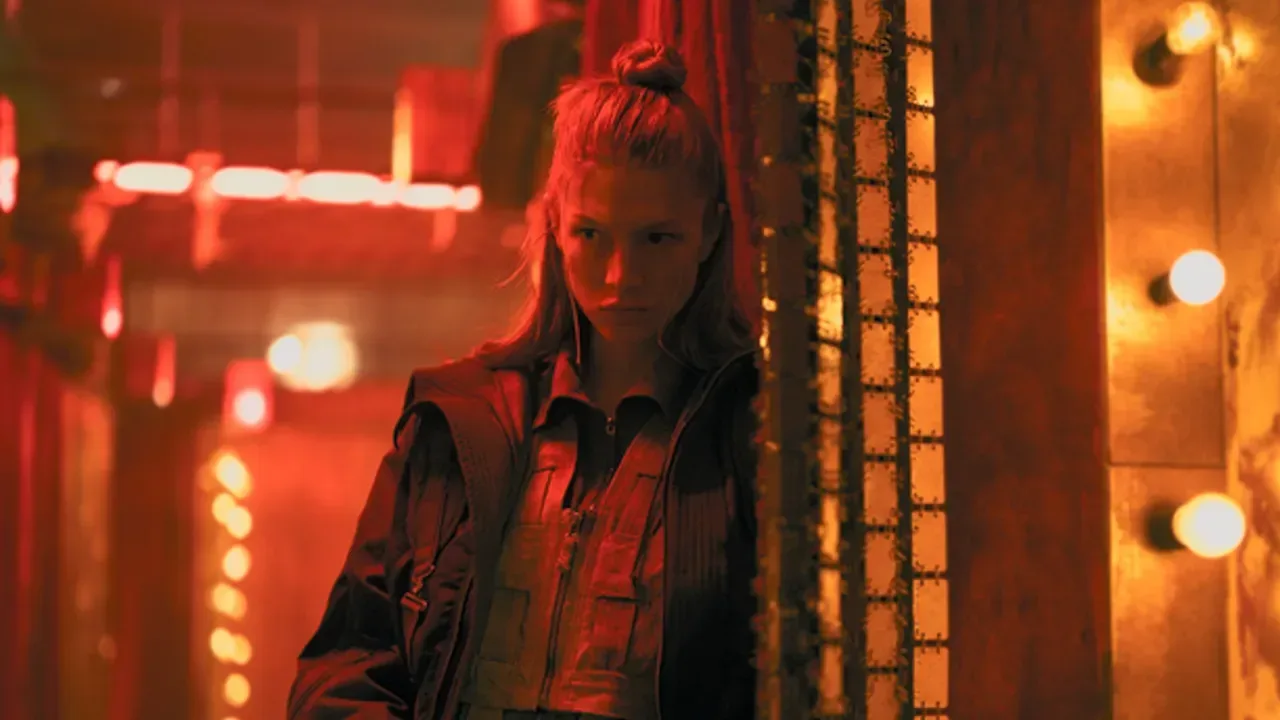
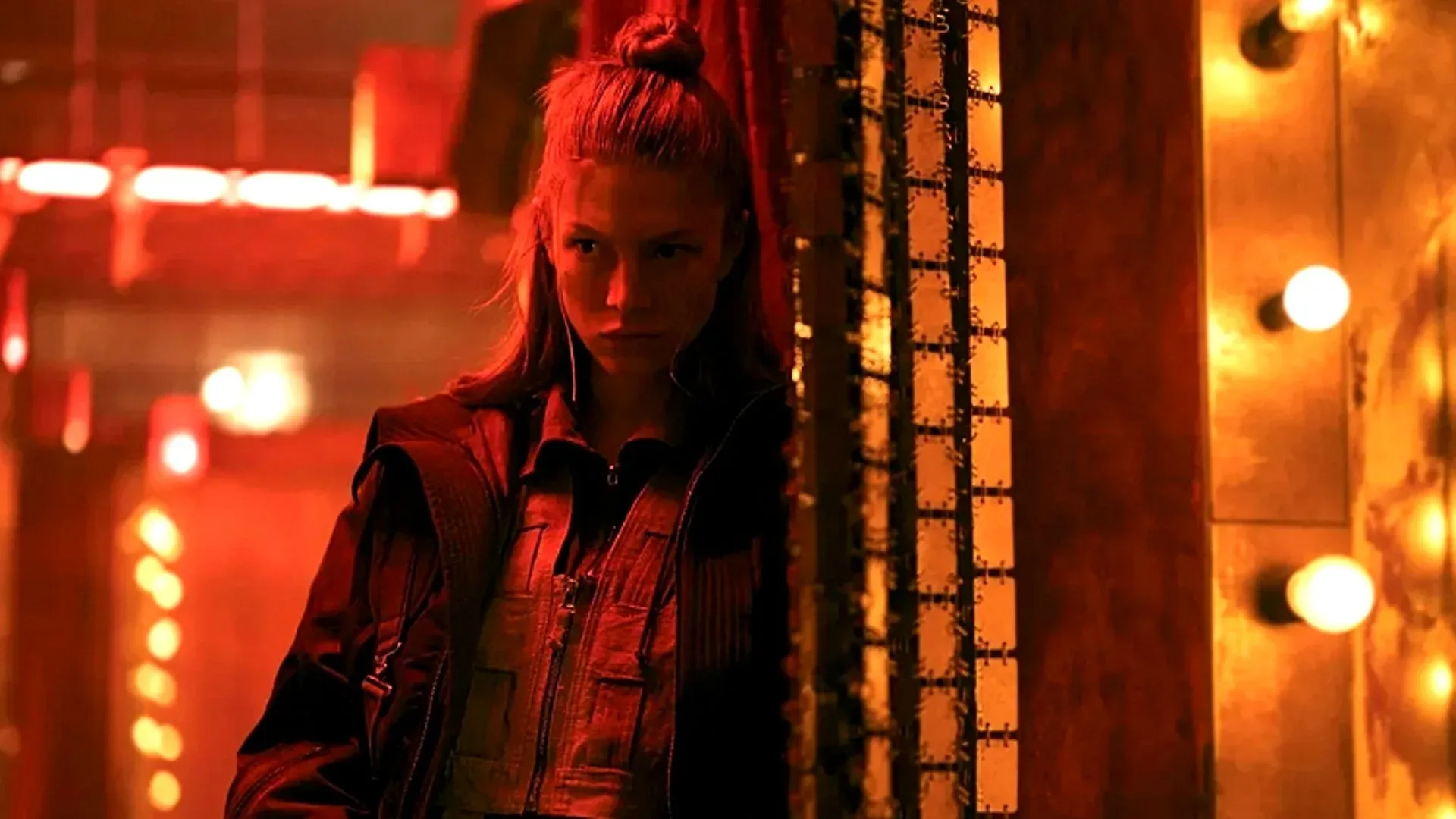
Blade Runner 2099 is entering Prime Video with a broadly positive, if qualified, early critical reception. The eight-episode series holds a 72% score on Rotten Tomatoes from 36 reviews ahead of its full-season debut on Wednesday, November 25.
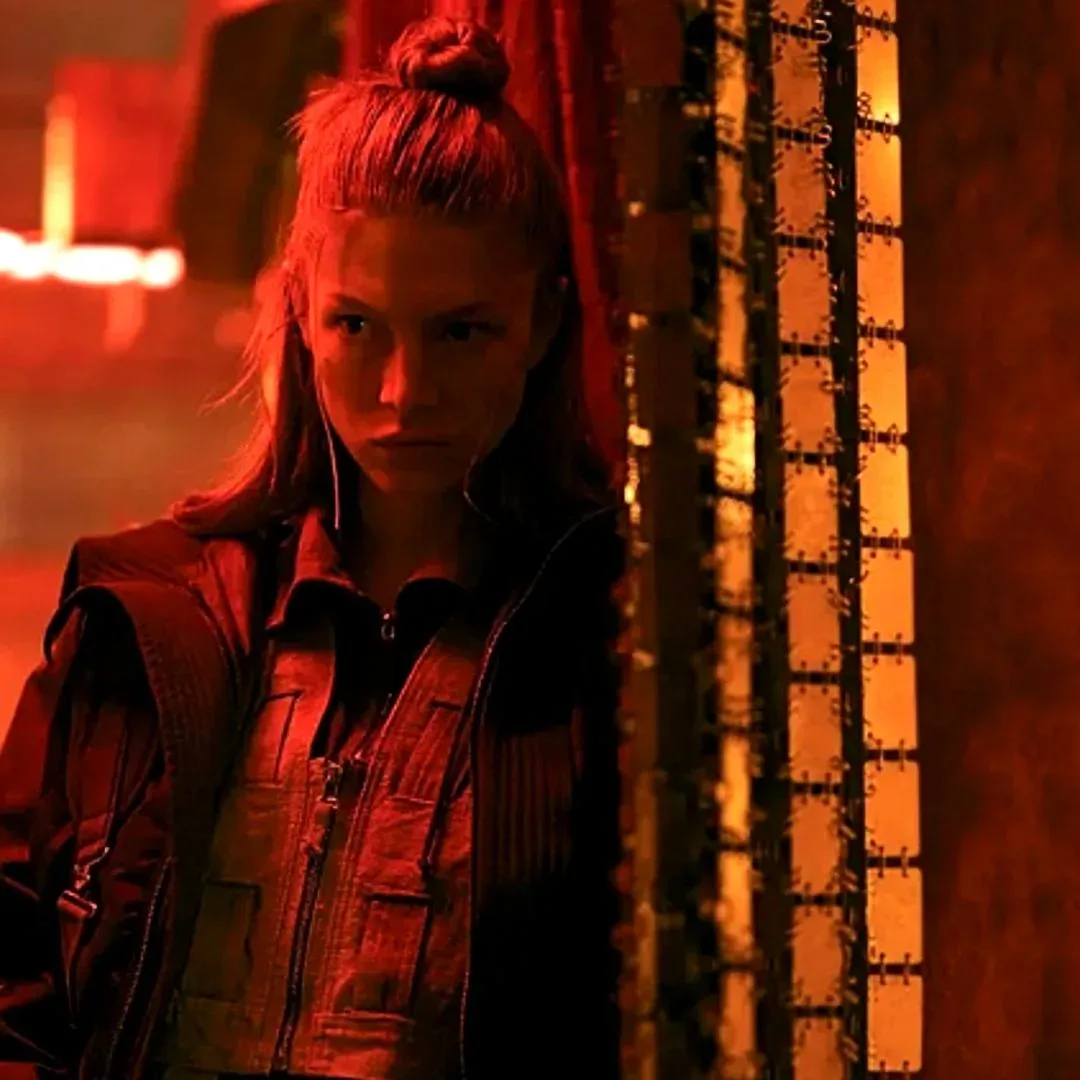
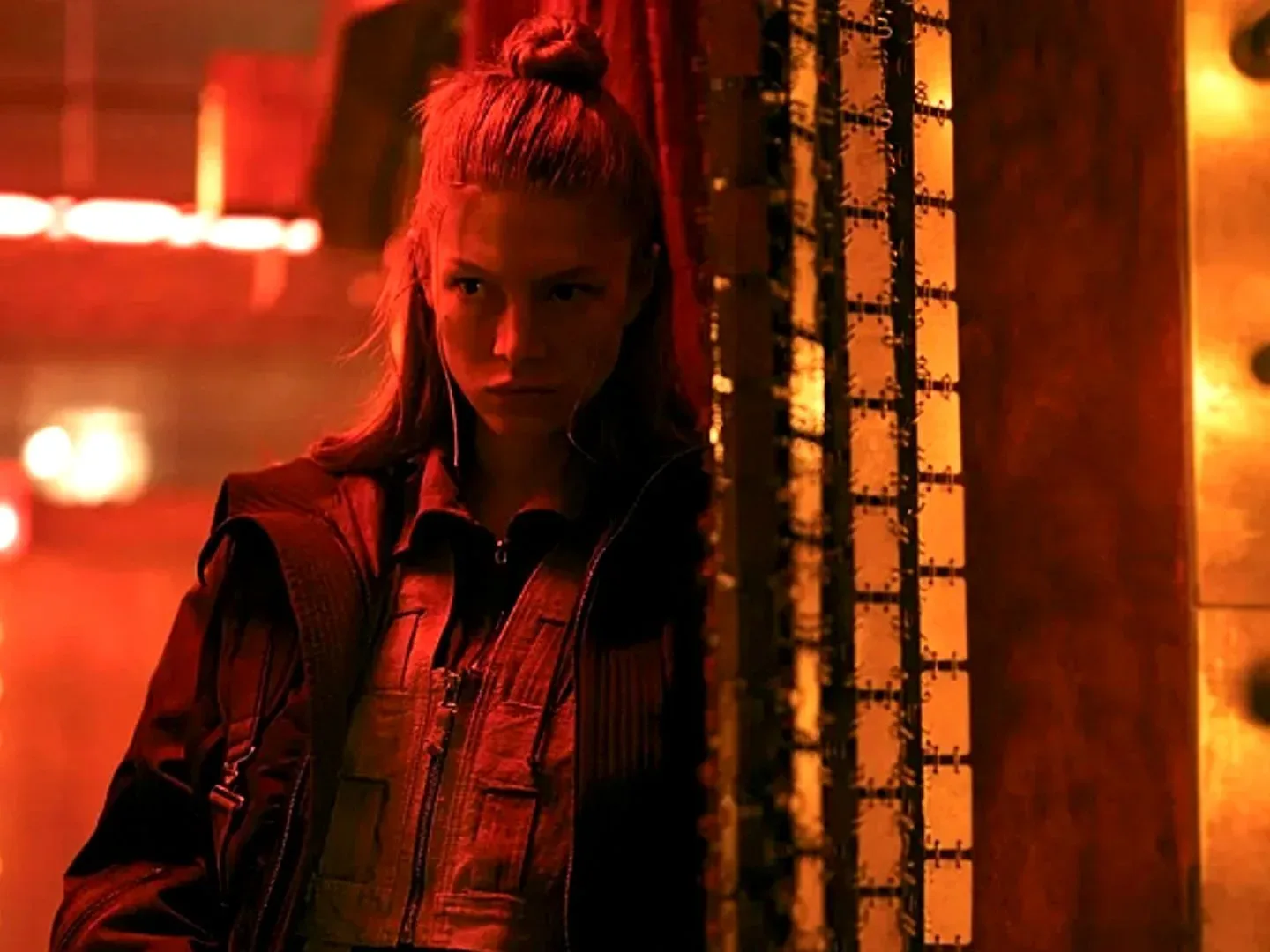
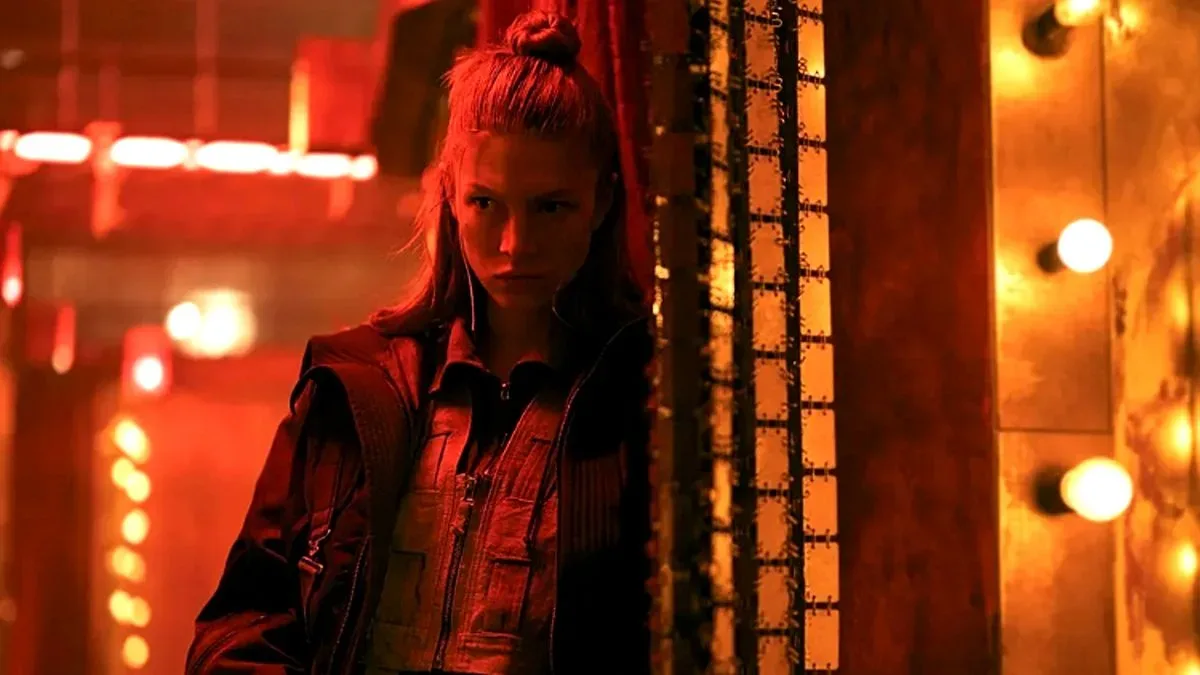
The number is an encouraging start for a project carrying one of science fiction’s most imposing names. More importantly, the response points to a relatively consistent strength: the show’s atmosphere. Critics have repeatedly highlighted its visual scale, dense setting and ability to evoke the franchise’s distinctive sense of a city under pressure.
That praise is paired with a recurring reservation. While reviewers have found much to admire in the production’s look and its two central performances, several argue that the show does not always give its people—or the society around them—the same level of definition as its environments.
For viewers deciding whether to start immediately, the practical detail is simple: the complete eight-episode season is scheduled to arrive at once. For timing and viewing details, see our Blade Runner 2099 release schedule and where-to-watch guide.
A new crisis in a reversed social order
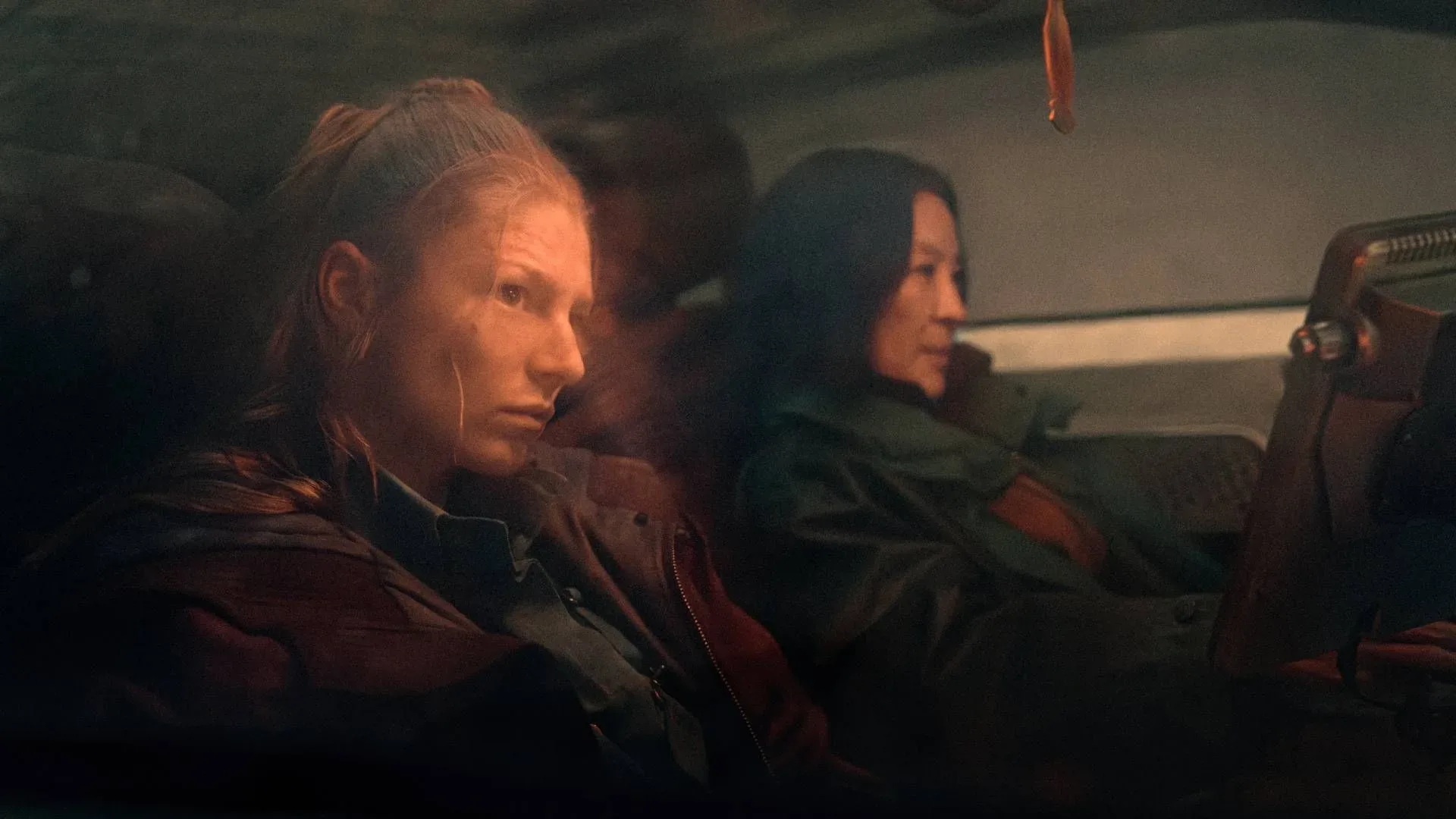
Michelle Yeoh stars as Olwen, alongside Hunter Schafer as Cora. The story takes place after a Replicant uprising that has put Replicants in charge of humans. Olwen and Cora become partners in an attempt to prevent their city’s possible collapse, with their search centered on a young runaway whose secrets are crucial to the larger threat.
That premise gives the series a clear dramatic engine: a city-scale emergency, a mystery involving a missing young person, and a partnership between two characters navigating a sharply altered power structure. It also gives the series room to address a familiar concern within this world—how people find empathy and meaning within a bleak, hierarchical society—without merely restaging an earlier story.
The setting is described as taking place 80 years after Ridley Scott’s original film. That distance matters as a storytelling device. Rather than treating the original era as a static backdrop, the show positions its conflict in a later period shaped by the consequences of a major uprising. The changed status of humans and Replicants is not incidental scene dressing; it is the condition that defines the city’s crisis and the stakes of Olwen and Cora’s mission.
What the 72% score does—and does not—say
A Rotten Tomatoes percentage is a measure of how many reviews were classified as positive, not a direct score out of 100 for the series’ overall quality. At 72% from 36 reviews, Blade Runner 2099 has more positive notices than negative ones, but it is not receiving unanimous praise. The written reactions reflect precisely that middle ground.
The favorable notices tend to stress the show’s success at establishing the franchise’s mood. One response called the world it builds “awesome,” while also judging the series less exceptional than its predecessors. Another saw its visuals and lead performances as the elements that elevate a story about retaining empathy in desolate conditions.
A particularly positive assessment awarded four stars and characterized the series as meticulous in its world-building. “World-building” is often used loosely, but here the term is especially relevant: it refers to how convincingly a fictional setting establishes its structures, atmosphere and lived-in detail. The most enthusiastic reactions suggest Blade Runner 2099 is strongest when it creates that sense of place.
In other words, the show appears to understand that a Blade Runner story needs more than a mystery or a chase. Its city must feel like an environment with its own weight, visual language and social tensions. The repeated praise for the series’ look suggests this is where the production makes its clearest case.
The main criticism: beauty versus character depth
The more skeptical reviews are not dismissing the ambition behind Blade Runner 2099. In fact, they often acknowledge it directly. One review argued that the show looks convincing and works hard to resemble the right kind of Blade Runner story, but ultimately lacks the emotional essence it is reaching for. Another described the visual ambition as astounding while finding that the same bleak beauty can conceal the personalities of the protagonists and the contours of their society.
This is a meaningful distinction. A production can be technically impressive—through costumes, architecture, lighting, design and effects—while still leaving viewers wanting sharper character motivations or a fuller understanding of how its society functions day to day. The criticism is not that the series lacks imagery; it is that imagery may at times carry more of the burden than the human drama beneath it.
For Yeoh and Schafer, though, the reception is notably warmer. Their performances are a repeated point of approval, with reviews describing the pair as dynamic and singling out the leads even where the broader series has drawn comparisons that are less flattering. That makes Olwen and Cora’s partnership the likely focal point for viewers who are less invested in franchise lore and more interested in the people steering the story.
Why the reception is promising but measured
The critical response places Blade Runner 2099 in a promising position rather than declaring it an automatic successor to the franchise’s most celebrated films. Reviewers who like it see a gripping adventure with striking imagery, compelling leads and a setting that successfully captures the property’s aura. Reviewers who are less convinced see a series that can reproduce many external signals of the franchise without always matching its emotional force.
That tension is useful for setting expectations. Audiences seeking elaborate sci-fi environments, a high-stakes investigation and Yeoh and Schafer at the center of the action have concrete reasons to be interested. Those hoping for a show that instantly equals the movies in every respect should recognize that critics are not uniformly making that claim.
Still, a 72% score from 36 reviews indicates that the show has connected with a meaningful majority of early critics. Its most widely acknowledged achievements—visual ambition, detailed world-building and the lead duo—are substantial strengths for an eight-episode science-fiction drama built around a threatened city and a hidden truth.
With all episodes releasing together on November 25, viewers will be able to judge whether the story’s mystery, characters and social conflict develop with the same assurance that critics have already found in its design.