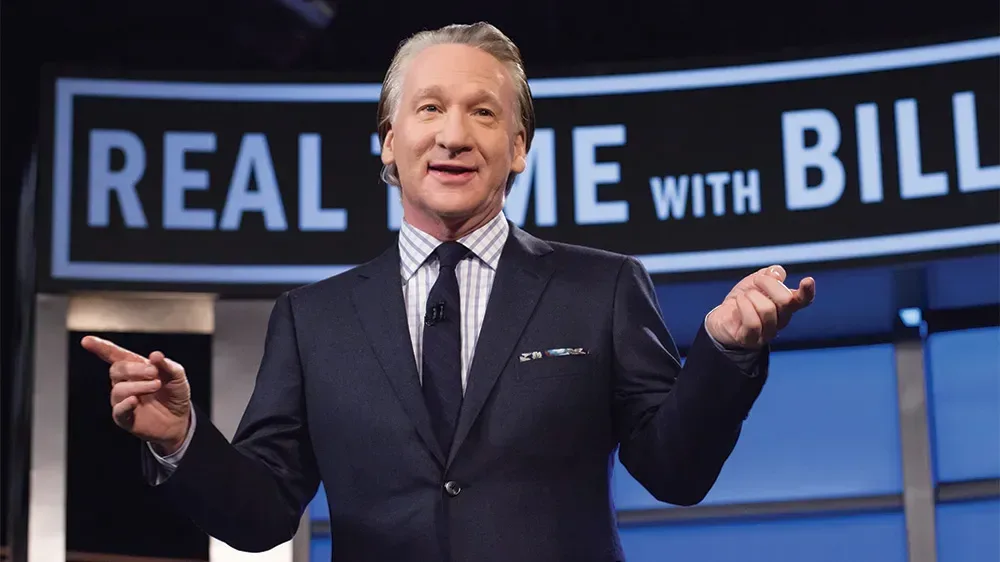
Bill Maher’s attempt to frame a recent White House dinner with President Donald Trump as an exercise in talking across political disagreement has swiftly become another televised feud.
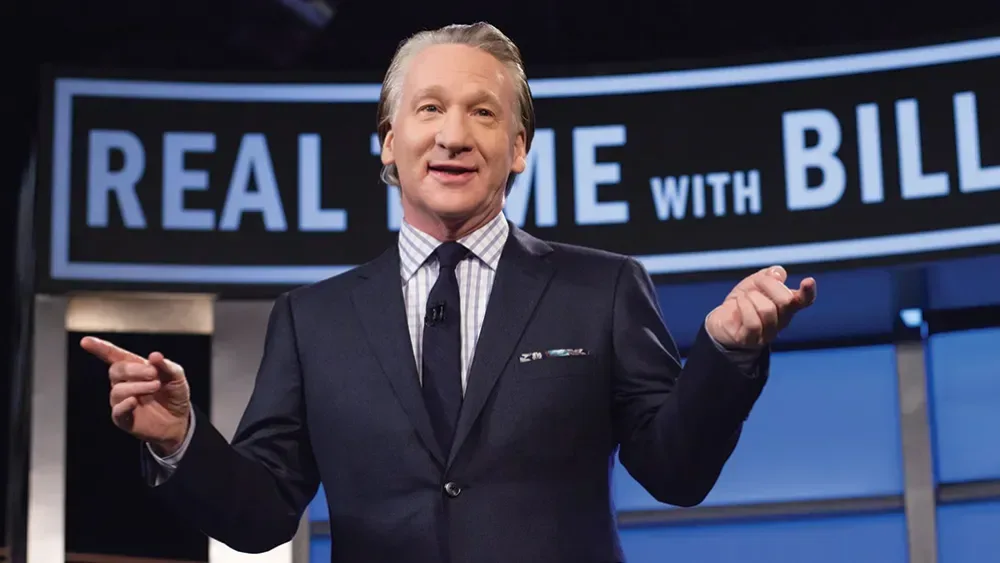
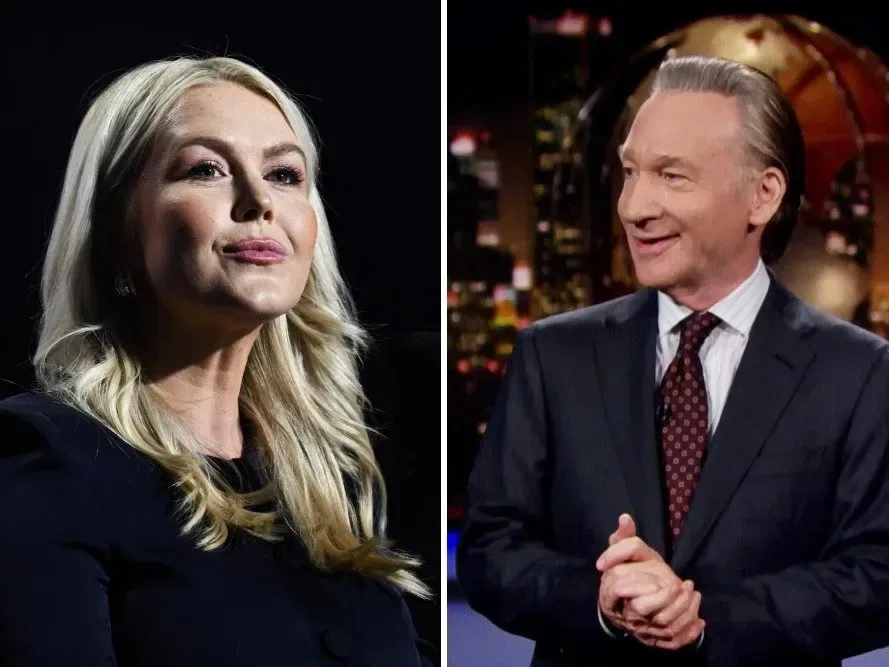
On a new episode of Real Time with Bill Maher, the comedian devoted part of his opening monologue to a long Truth Social post in which Trump attacked him personally and disputed elements of their interaction. Maher answered with jokes, a few point-by-point denials and a central complaint: he said Trump had failed to engage with what Maher had actually said publicly.
The sharpest punchline was also the one likely to travel furthest. Maher said having dinner with Trump was like dating Taylor Swift: fun in the moment, followed by a painful public reckoning. It was a deliberately exaggerated comedy comparison, not a claim about Swift herself. Its purpose was to turn the sudden reversal in tone—an apparently cordial dinner followed by a public broadside—into a familiar pop-culture image.
From dinner diplomacy to public dispute
The disagreement follows a White House dinner attended by Maher, Trump, ESPN personality Stephen A. Smith and musician Kid Rock. The encounter became a subject on Maher’s program before Trump’s later post. Maher had defended having the dinner and described the premise as an opportunity to speak with someone he opposes without treating the meeting as an endorsement.
That distinction matters. A political dinner can be interpreted in radically different ways: as outreach, access journalism, image rehabilitation, social theater or simple curiosity. Maher’s stated case was closer to the first interpretation. He said the purpose was to talk, disagree and listen rather than hate one another.
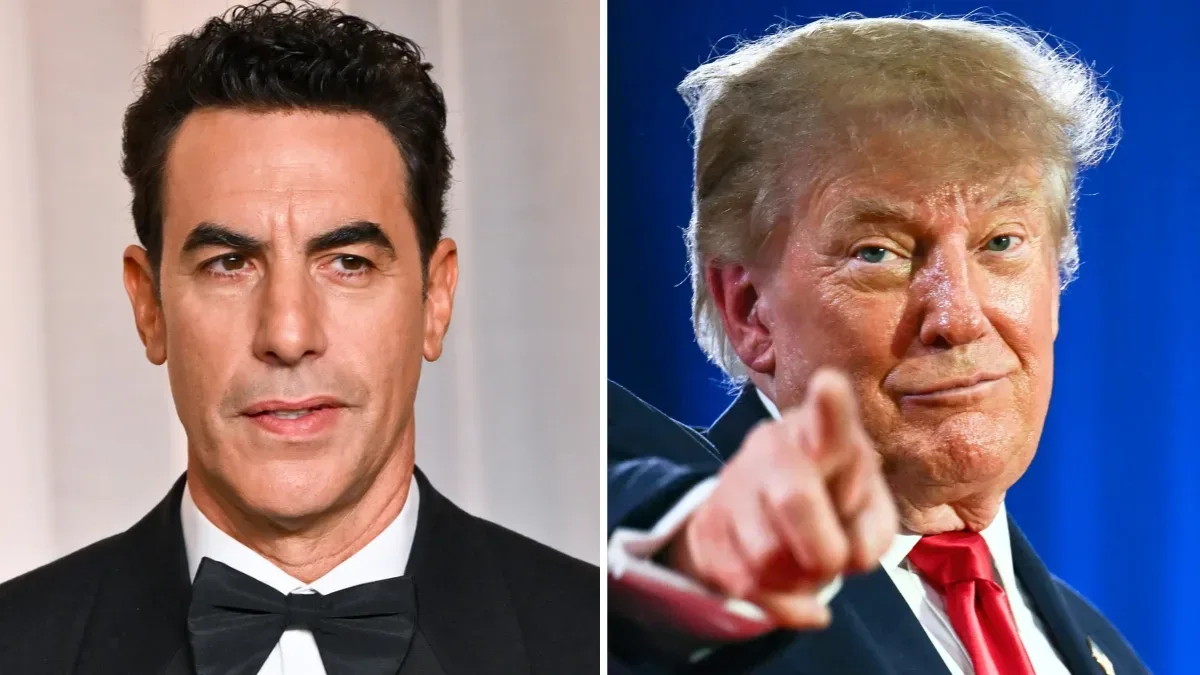
Trump’s response showed how little protection that framing offers once the encounter becomes part of a larger media fight. In a post Maher described as running about 1,300 words, Trump called the host a “complete and total loser,” used other insults, criticized his appearance and said he would not watch the HBO program again. Trump also claimed Maher had wanted him to appear on the show for years.
Maher’s monologue did not present the dispute as a dignified exchange of competing policy positions. He made it comedy material. He joked that leaving the White House had become the reverse of going to a restaurant, because the diner gets reviewed afterward. The gag gave the segment a clear structure: hospitality, then retaliation.
What Maher specifically challenged
Beneath the jokes, Maher disputed several of Trump’s assertions. One concerned Iran. Trump had claimed Maher did not support the idea of disarming Iran. Maher responded by airing a prior clip from his own show that he said demonstrated the opposite position.
Related coverage includes Bill Maher Answers Trump’s Long Truth Social Rant on ‘Real Time’.
That move is important in a media dispute because it shifts the argument from recollection to a record that viewers can assess. Rather than merely saying Trump was wrong, Maher used footage to contend that his previous remarks had been misrepresented. The supplied account does not establish the full context of Trump’s original characterization or settle every issue between them, but it does show Maher directly challenging that specific claim with a clip.
Maher also rejected Trump’s assertion that he calls the president repeatedly. On air, Maher said Trump calls him, adding that he would be reluctant to call a sitting president. The host further pushed back on the claim that he had invited himself to the White House. These are competing personal accounts, and the available material does not independently verify either side’s version of the contact or invitation process.
A third dispute involved Trump’s claim about injuries around Maher’s eye and nose. Maher called the allegation ridiculous and displayed photographs from the day of the dinner that he said contradicted it. Again, the segment’s practical point was not just to deny an insult. It was to underline Maher’s broader argument that Trump’s post had prioritized attack lines over the substance of their conversation.
The Taylor Swift line, explained
Maher’s Taylor Swift comparison was designed as a metaphor for a relationship that changes after the pleasant part is over. It also fits the basic mechanics of a monologue joke: use an instantly recognizable cultural reference, apply it to a political story and heighten the contrast for comic effect.
The line should not be read as reporting anything about Swift or as an attempt to connect her to the dinner. She was not involved in the meeting or the exchange. Maher invoked her name as shorthand for the notion of turning an experience into a widely shared narrative afterward.
That is a common late-night construction, but its use here has a more pointed function. Maher had openly argued that a face-to-face meeting could lower the temperature even among people who disagree. Trump’s attack gave Maher a ready-made counterimage: a pleasant encounter that did not produce a lasting truce. In that sense, the joke carries Maher’s criticism of the situation as much as it delivers a laugh.
Why the clash is bigger than one monologue
The exchange illustrates the unstable territory occupied by entertainers who cover politics while also becoming characters in political stories. Maher is not presenting himself as a neutral reporter, nor is Trump treating him as a detached observer. Their public roles encourage confrontation. Yet the dinner briefly suggested that private conversation might operate by a different set of rules.
Maher said Trump listens in person, even while describing the aftermath as painful. That observation is at the center of the episode. It suggests Maher saw a meaningful difference between private interaction and public messaging. Trump’s post, in Maher’s telling, closed that gap quickly.
There is also a practical lesson for viewers: access and agreement are not the same thing, but access does not guarantee civility either. A host can seek a direct conversation, remain critical afterward and still be accused of opportunism or disloyalty from several directions. Likewise, a political figure can participate in a social setting without giving up the ability—or apparent willingness—to attack the other participant later.
The result is a familiar modern-media loop. A dinner becomes television material; television material becomes social-media material; social-media material returns to television as the subject of a rebuttal. The actual policy disagreement over Iran was present, but it competed for attention with insults, appearance-based claims and the question of who called whom.
Maher’s response kept the format intact
Maher addressed the controversy before welcoming guests including Senator Ted Cruz and Kid Rock. That scheduling context reinforces why his response was built as a monologue rather than a formal fact-check. Real Time is a political talk show, and the opening segment serves both as commentary and as entertainment. Maher’s answer therefore moved between receipts, personal rebuttal and crowd-facing one-liners.
His decision not to answer every allegation was part of the performance’s logic. Maher said he was not going to refute everything, then selected claims he considered especially important. The approach let him avoid turning the show into a full reading of Trump’s post while preserving a clear argument: the public attack, he maintained, did not accurately reflect his positions or the nature of their contact.
The episode also shows why personal conflict can overwhelm the original question of political dialogue. Maher had defended the dinner as an attempt to communicate across a deep divide. After Trump’s post, the story was no longer chiefly whether such dialogue is worthwhile. It was whether the dinner had been converted into ammunition for both men’s respective public platforms.
For more on how a guest appearance can rapidly turn into a highly personal on-camera conflict, see this look at Tiffany Pollard and Philip Regan’s ‘Big Brother’ clash.
Maher’s Taylor Swift line may be the headline-friendly moment, but his larger answer was more direct: he said he wanted a conversation across disagreement, while Trump’s post brought the relationship back to the combative public dynamic both are known for. Whatever warmth existed at the dinner table, it has not translated into a lasting détente.