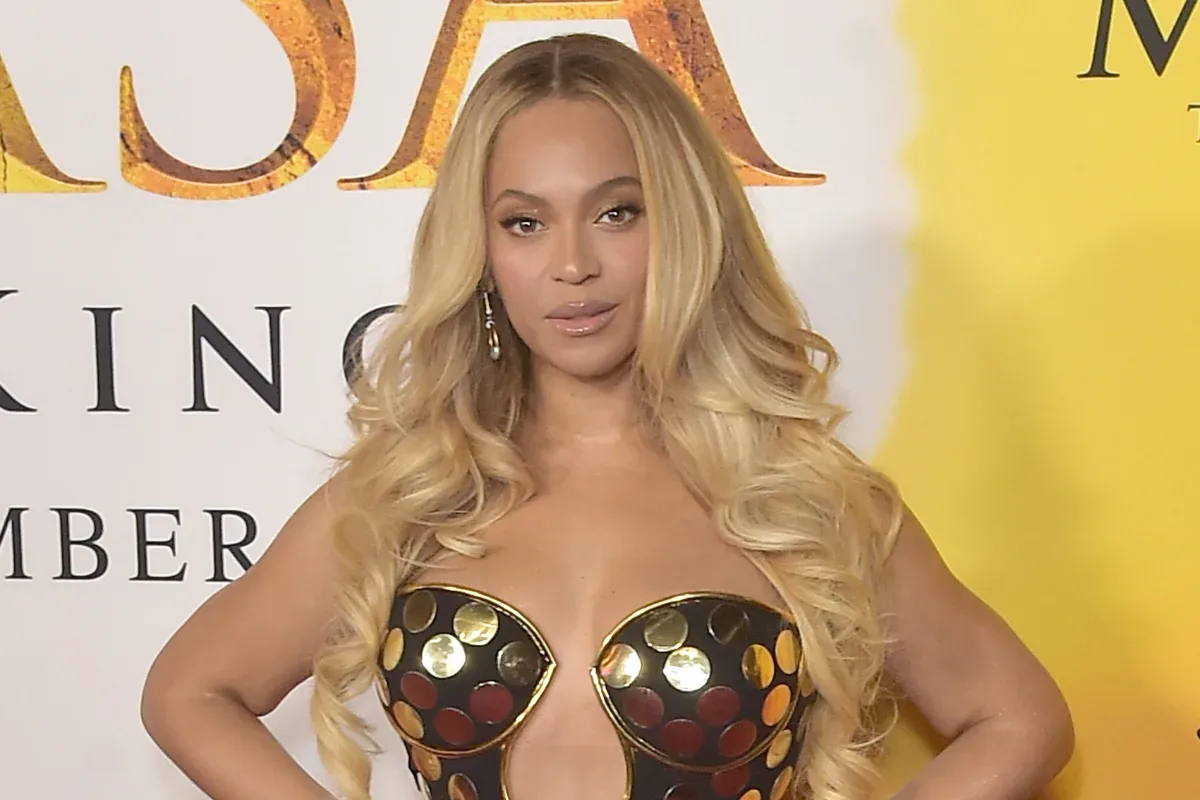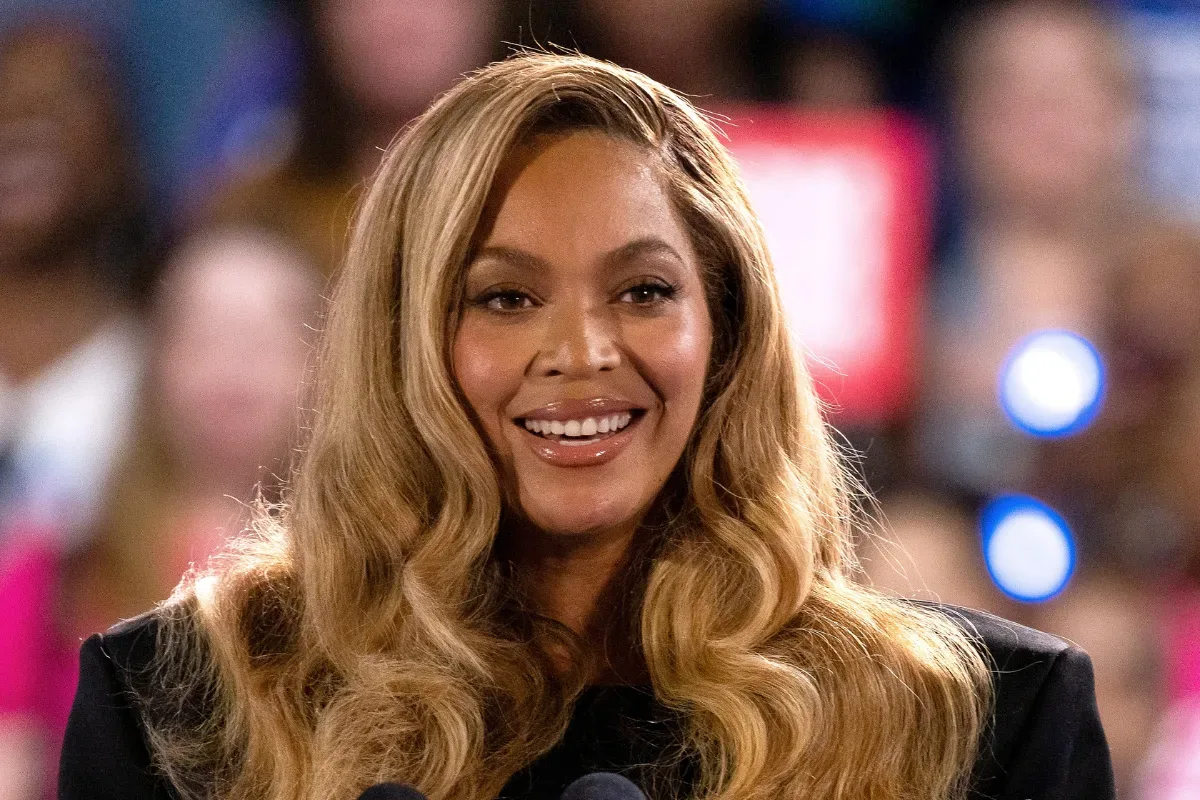
Beyoncé has marked her 45th birthday with a $2 million donation to the Studio Museum in Harlem, directing major support toward an institution that has spent decades placing Black artists, Black cultural life and Harlem itself at the center of the museum conversation.
The contribution was made on September 4, 2026, and arrives less than a year after the museum opened its new home at 144 West 125th Street. The building opened on November 15, 2025, creating a new base for an organization founded in 1968 to challenge a conventional art-world hierarchy that had too often excluded Black artists and the communities around them.
For a cultural institution, a donation at this scale is not merely a celebrity-news footnote or a large number designed to generate applause. It is a vote of confidence in the ongoing, practical work of exhibitions, public access, programming, education and artist-focused opportunities. The Studio Museum’s mission has always been intertwined with the idea that art should not feel like an invitation-only event for collectors, tourists or people who already know the rules of a gallery.
Beyoncé’s gift places a globally recognized entertainment figure behind that purpose at a particularly significant point in the museum’s history: the transition into a newly constructed building and a new chapter of service to Harlem, New York and visitors from much farther away.
A birthday gift with a cultural target
In comments on the donation, Beyoncé described art as a means of carrying stories across time while acknowledging that access to those stories is not distributed equally. She pointed to the Studio Museum’s longstanding commitment to being embedded in its neighborhood, rather than operating as a distant cultural attraction placed above it.
She also credited the museum with introducing her to young and emerging Black artists whose work became personal favorites. That detail captures why museums such as this one matter beyond their walls. An exhibition can become a first encounter: a visitor sees an artist early, takes an idea away with them, shares it with someone else, and participates in a larger cultural record that is still being written.
The studio, gallery and museum ecosystem can seem intimidating from the outside, full of specialized language, opaque markets and rooms where people appear to know exactly where to stand. The Studio Museum in Harlem was built to push against that sense of distance. Its relevance rests not only on displaying art, but also on widening the audience able to discover it, discuss it and feel ownership in the stories it contains.
There is an especially useful comparison for pop-culture collectors here. A limited-edition object, a poster, a costume piece or a vintage game can gain meaning through the people and history attached to it; art does, too. But the most meaningful cultural spaces are not simply vaults for valuable things. They are places where context is shared. They explain why a work exists, whose point of view it represents and how it relates to the lives of the people who walk in.
Related coverage includes Beyoncé Gives $2 Million to Studio Museum in Harlem.
The new building and its role in Harlem
The museum’s new building stands at 144 West 125th Street, one of Harlem’s most recognizable corridors. It was designed by Adjaye Associates, with Cooper Robertson serving as executive architect. The building is a major moment for an institution whose work has helped shape conversations about contemporary art by artists of African descent for generations.
A new museum building can be discussed in terms of architecture, square footage and visual impact, but its real test comes afterward. Can it welcome neighborhood audiences without losing the intimacy and purpose that made the institution meaningful? Can it offer artists room to be seen and studied? Can it make space for the next generation of visitors who may not yet think of museums as places intended for them?
Those questions are central to the Studio Museum’s identity. Its founding purpose in 1968 was to revise the arts landscape and expand who that landscape was designed to serve. In the decades since, cultural institutions across the country have made more promises about representation and inclusion. The Studio Museum’s legacy is that it was built around those values rather than adding them as an afterthought.
Director Thelma Golden emphasized the importance of Beyoncé’s gift in supporting the institution’s future work. Golden framed the donation as recognition of the museum’s importance in people’s lives and of its aim to strengthen service to Harlemites, New Yorkers and a worldwide audience. The timing, on Beyoncé’s birthday, gives the contribution an additional personal dimension, but the impact is positioned squarely around the museum’s public mission.
Why celebrity philanthropy can matter in this setting
Celebrity donations sometimes create a familiar, brief cycle: a large number appears online, social feeds react, and the story vanishes before anyone considers the organization receiving the money. The more useful way to view this $2 million contribution is through institutional continuity. Museums require long-term resources not only to put a high-profile exhibition on a calendar, but to sustain the infrastructure behind every public-facing experience.
That can include staff expertise, artist development, education initiatives, visitor services and the less glamorous but essential work that keeps a cultural venue open and responsive. Support for a museum centered on Black art also has effects that extend beyond a single exhibition season. It helps protect a space where artists and audiences can encounter narratives that mainstream collecting and museum practices historically overlooked or undervalued.
Entertainment culture has enormous reach, and Beyoncé’s involvement can send people toward an institution they might otherwise not know. Visibility alone does not solve access issues, of course. A viral post does not replace sustained investment. But visibility coupled with significant funding can help direct attention toward an organization already doing community-rooted work.
That relationship between fame, cultural memory and local institutions is worth taking seriously. As collectibles and memorabilia become increasingly visible parts of popular culture, it is easy to focus only on scarcity, resale value and the biggest names attached to an object. Museums bring a different lens: preservation, interpretation and a public conversation about what deserves to be remembered. Readers interested in how entertainment, identity and collecting overlap may also find a different kind of cultural showcase in this look at a sneaker-focused style event around the US Open.
Part of a wider pattern of support
The Studio Museum donation also follows other reported charitable contributions from Beyoncé tied to urgent recovery efforts. She gave $200,000 to support flood recovery in Indiana and $1 million during an earthquake crisis in Colombia. In the previous year, she contributed $2.5 million to assist families affected by Los Angeles fires.
Each situation is distinct: disaster response has immediate human needs, while museum support helps uphold cultural infrastructure over time. Taken together, the gifts point toward a philanthropic approach that includes both crisis-oriented relief and investment in organizations with lasting community roles.
It is important not to flatten those causes into a single publicity narrative. Families rebuilding after fires or floods need direct support in a very different way from an arts organization entering a new building. Still, the common thread is targeted giving. These are contributions tied to identifiable places, communities and institutions rather than a vague claim of doing good somewhere in the abstract.
For the Studio Museum in Harlem, the $2 million represents funding at a moment when the institution’s physical setting has changed but its central responsibility has not. The address is new; the commitment is not. Harlem remains the community at the heart of the museum, while the museum remains a platform through which artists and audiences can meet work that speaks to an expansive range of Black experiences.
More than a name on a donor list
Beyoncé’s donation will naturally draw attention because of who made it. Yet the more durable story is the institution receiving it: a museum with a history of making room for artists and audiences who have too often been placed at the margins of the traditional arts establishment.
Its new building has the potential to deepen that work, but a building by itself cannot produce the relationships that make a museum vital. Those relationships are maintained through programming, curation, trust, continued access and a willingness to treat local communities as essential participants rather than decorative backdrops. Financial support helps make that long-term work possible.
In that sense, the donation is both a birthday gesture and an investment in cultural continuity. It recognizes that Harlem’s artistic life is not a historical display case. It is active, contemporary and filled with storytellers whose work deserves to be encountered by broad audiences. The Studio Museum has made that argument since 1968. With a new home on West 125th Street and a $2 million contribution behind its continuing mission, it enters its next chapter with added momentum.