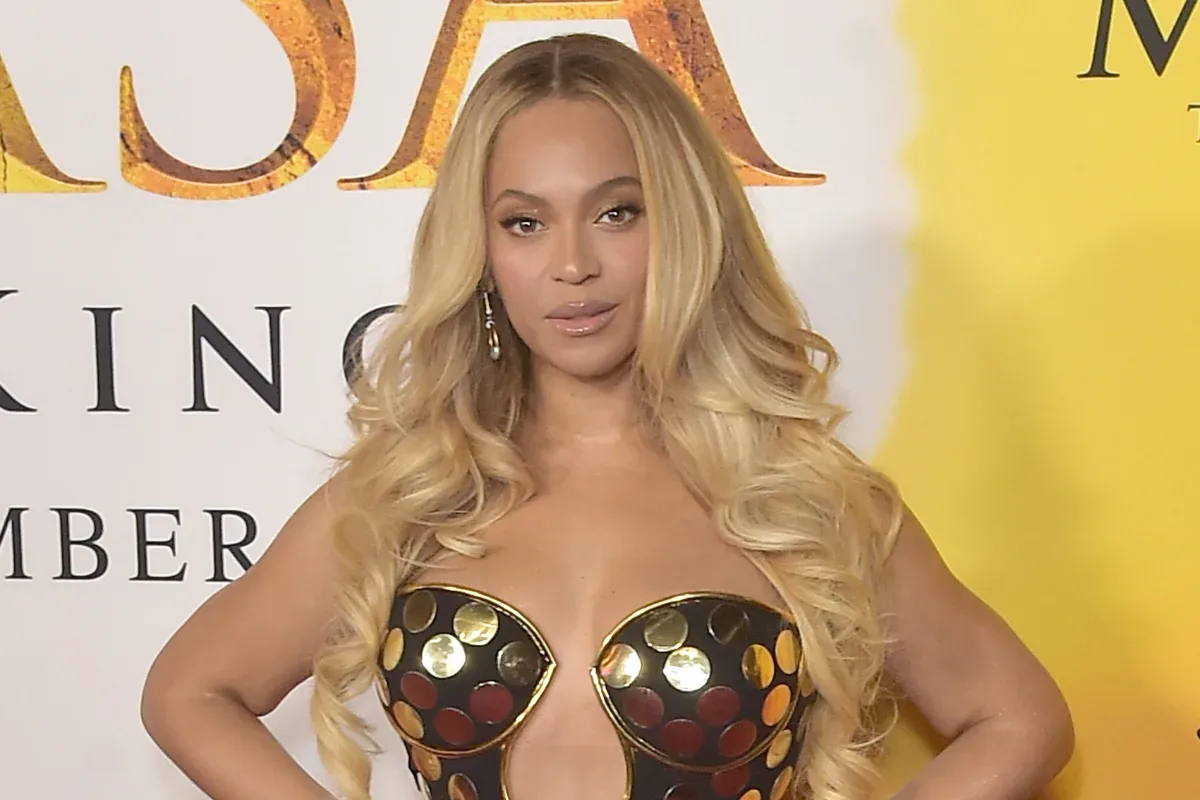
Beyoncé has set an unusually blunt standard for Cécred: the hair-care brand should be good enough to win over people who do not even like her music.
Speaking in a public interview preview with Eni Subair, Beyoncé described herself as Cécred’s founder, visionary and sole investor, while making a point of separating those roles from the far more familiar celebrity-brand position. She does not want to be treated simply as its public face or model. The goal, she said, is for the products to solve real hair-care problems and perform strongly enough that consumers judge them on their own merits.
That distinction matters because celebrity can create instant awareness, but awareness is not the same thing as long-term trust. Beyoncé’s stated test for Cécred is deliberately tougher than persuading existing fans to buy something associated with her name. It is whether the line can be useful to customers with no personal investment in the artist behind it.
A product-first argument, not a fame-first pitch
Cécred’s approach has been framed around a deliberate resistance to letting Beyoncé’s fame do all the selling. In a 2024 interview, she explained that she stayed out of the brand’s launch advertising because she wanted customers to form their opinions of the products without celebrity endorsement becoming the entire message.
That is not an argument that her name is irrelevant. It plainly gives Cécred visibility. Rather, Beyoncé appears to be drawing a line between visibility and credibility. In practical terms, a recognizable founder can introduce a brand to a vast audience, while the repeat reason to return has to be that a shampoo, conditioner, treatment or styling product fits a customer’s routine.
Her comments also challenge a common shorthand applied to high-profile women in business: the assumption that they are present chiefly to market a product while others make the substantive decisions. Beyoncé said men are more readily perceived as decision-makers, while famous women can be reduced to promotional faces. Cécred is her effort to make the work behind the brand visible enough to counter that assumption.
The difference is consequential. Calling someone a face of a brand suggests endorsement; calling them a founder and sole investor describes ownership, direction and financial responsibility. Beyoncé’s own language centers the latter. She wants the conversation to include the concept, the product development and the business, not only the image attached to them.
What “performance” means in this context
“Performance” is an important word in Beyoncé’s description, even if it can sound vague in beauty marketing. Here, it points to whether products do the practical jobs users buy them for. A wash-day routine depends on how products work together: cleansing hair and scalp, conditioning it, helping with detangling, supporting styling and addressing the needs of a chosen look or protective style.
Available Cécred listings have included shampoo, conditioner, hair oil and styling products, alongside a scalp scrub, detangling spray and heat styling mist. Those categories suggest a range intended to extend beyond one basic wash product into several stages of a routine.
- Scalp scrub: a product category aimed at the scalp rather than just hair lengths.
- Detangling spray: a leave-in format intended to help make hair easier to comb through.
- Heat styling mist: a styling product for routines involving heat tools.
- Hair oil: a product category commonly used within conditioning and styling routines.
The range is also presented as covering wash routines, protective styles and extensions. Those are distinct use cases, not interchangeable labels. A wash routine concerns cleansing and conditioning; protective styles refer to styles designed to help keep hair protected; extensions introduce another set of styling needs. By addressing more than one part of that landscape, Cécred is positioning itself around a wider routine rather than a single hero product.
That breadth makes Beyoncé’s product-first claim easier to understand. The more uses a brand claims to serve, the more closely consumers are likely to evaluate whether each individual item meets its purpose. Celebrity attention may encourage a first look, but it cannot by itself establish that a detangler, scalp product or heat-styling mist works for a particular person’s hair and habits.
The salon history behind Cécred
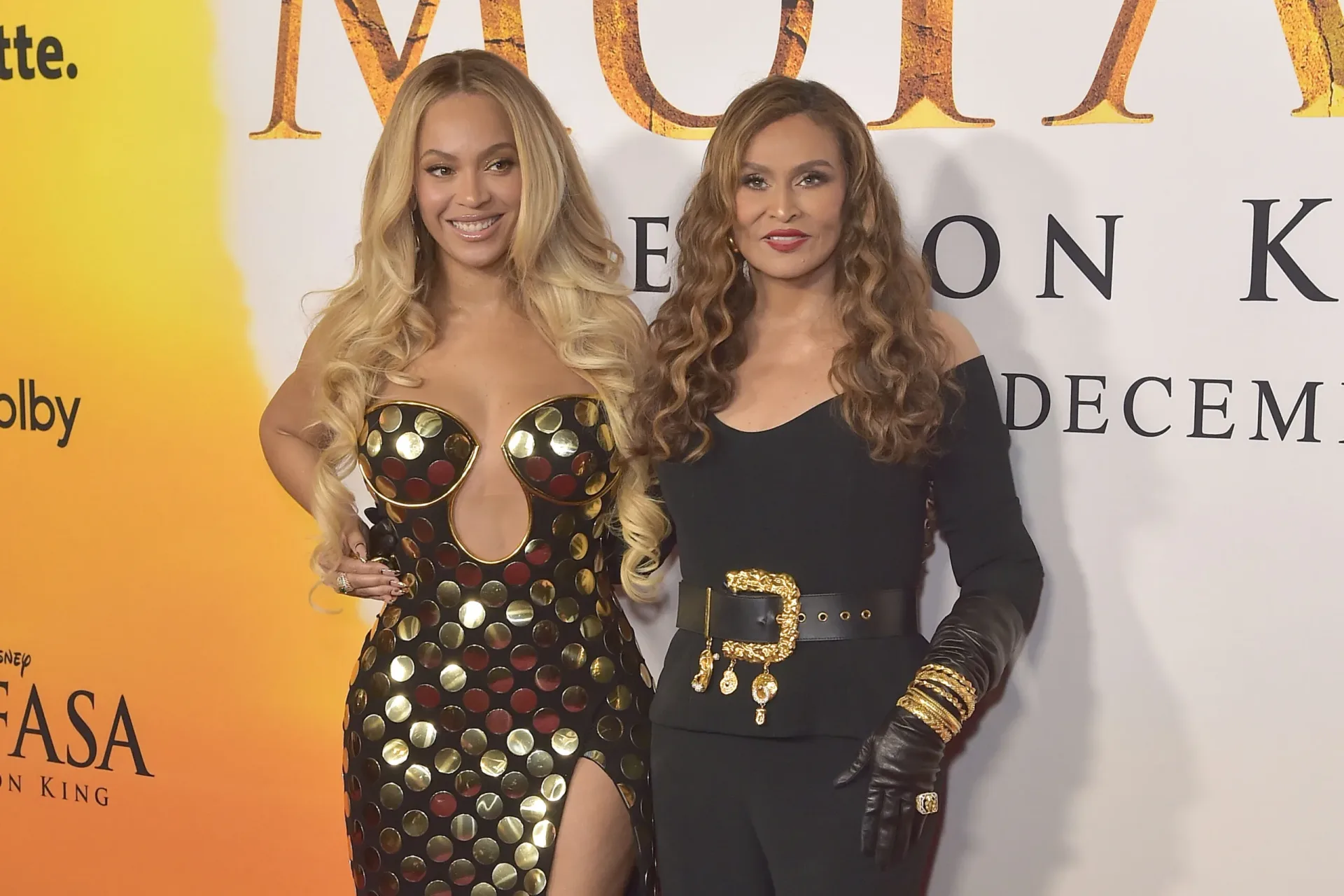
The brand’s hair-care connection predates its public launch by decades. Beyoncé has spoken about growing up around her mother Tina Knowles’s salon. Her first job was sweeping up hair, and she has recalled Destiny’s Child performing for clients while they sat for appointments.
That background is central to Cécred’s identity because it places the company in a salon setting before it became a celebrity venture. Beyoncé has also pointed to the entrepreneurial women she encountered there. The salon was, in this account, not only a place where hair was done, but a place where she saw work, community and business ownership up close.
The family connection was visible when Cécred was introduced in February 2024, with a launch trailer that paired footage of Beyoncé washing her hair with childhood material featuring Beyoncé and Tina Knowles. The announcement set February 20 as the beginning of the launch. It came after a May 2023 teaser in which Beyoncé had already connected the forthcoming business to her mother’s work.
Tina Knowles’s role is not limited to that origin story. Cécred’s retail information identifies her as vice chairwoman and describes her involvement in salon testing. Her four decades of work include experience as a hairstylist, salon owner and entrepreneur. For a company emphasizing results over name recognition, salon testing is especially relevant: it connects product development to an environment where hair services and practical routine questions are the focus.
There is a useful distinction to make here. A family story can function as brand imagery, but a formal leadership role and testing involvement make it part of the company’s operating identity as well. Beyoncé’s comments emphasize that Cécred came from accumulated experience and tradition shared with her mother, rather than being a late addition to a music career.
Who Cécred says it wants to serve
Beyoncé said it has been fulfilling to see Cécred’s community grow across ethnicities, textures, generations and genders. The phrasing presents inclusivity as part of the brand’s intended customer base rather than a narrow campaign message.
Hair texture, in this context, refers broadly to differences in the feel and pattern of hair. It is a significant consideration in hair care because routines and product preferences can vary substantially. By naming texture alongside ethnicity, generation and gender, Beyoncé is describing a line that aims to be evaluated across a varied consumer group.
That aspiration also explains why she places such importance on products standing separate from her celebrity. A product line pitched to diverse routines cannot rely on a universal celebrity connection; consumers still need to decide whether an item suits their own hair, styling choices and needs. The stated objective is not that everyone must share a musical taste, but that the products should be persuasive regardless of it.
It is a different kind of audience-building exercise from music, where a performer’s identity and creative persona are inseparable from the work. In personal-care retail, the product has to fit into an everyday practice. That distinction is also why celebrity involvement in other creative fields can take very different forms, as seen when artists broaden their work while retaining their core identity, such as Boyz II Men’s discussion of a country project without abandoning R&B.
Availability and the standard Cécred has set for itself
Cécred has been listed through Space NK’s UK site, which has also offered the brand in stores. The retailer’s product selection includes the shampoo, conditioner, oil and styling categories, as well as the scalp scrub, detangling spray and heat styling mist.
The availability detail is useful because it shows the brand’s proposition reaching beyond launch messaging and into ordinary retail comparison. Once products sit alongside other hair-care choices, shoppers can assess them by the criteria Beyoncé has highlighted: whether they address a real need and whether their results justify continued use.
There is no guarantee embedded in that ambition, and Beyoncé is not claiming that celebrity skepticism will disappear. Her point is more specific: Cécred should not require admiration for her music in order to earn a place in someone’s routine. That is a high bar for any founder-led brand, particularly one attached to a globally recognizable name.
It also gives the company a clear measure of success. If a customer comes to Cécred because they know Beyoncé but stays because the products work for them, the brand has moved from attention to trust. If it can appeal to customers who arrive with no fandom at all, it has met the more demanding version of the mission she has outlined.