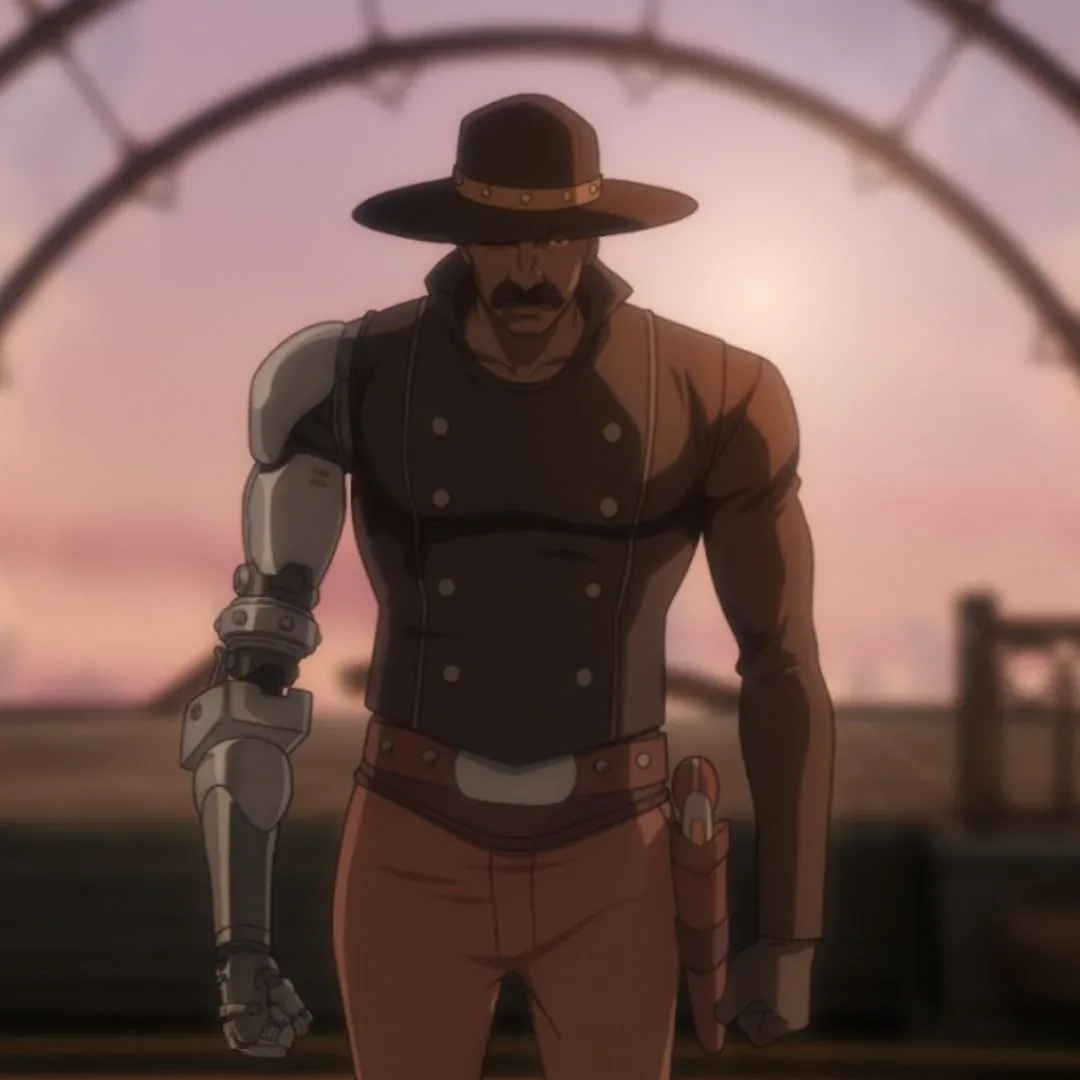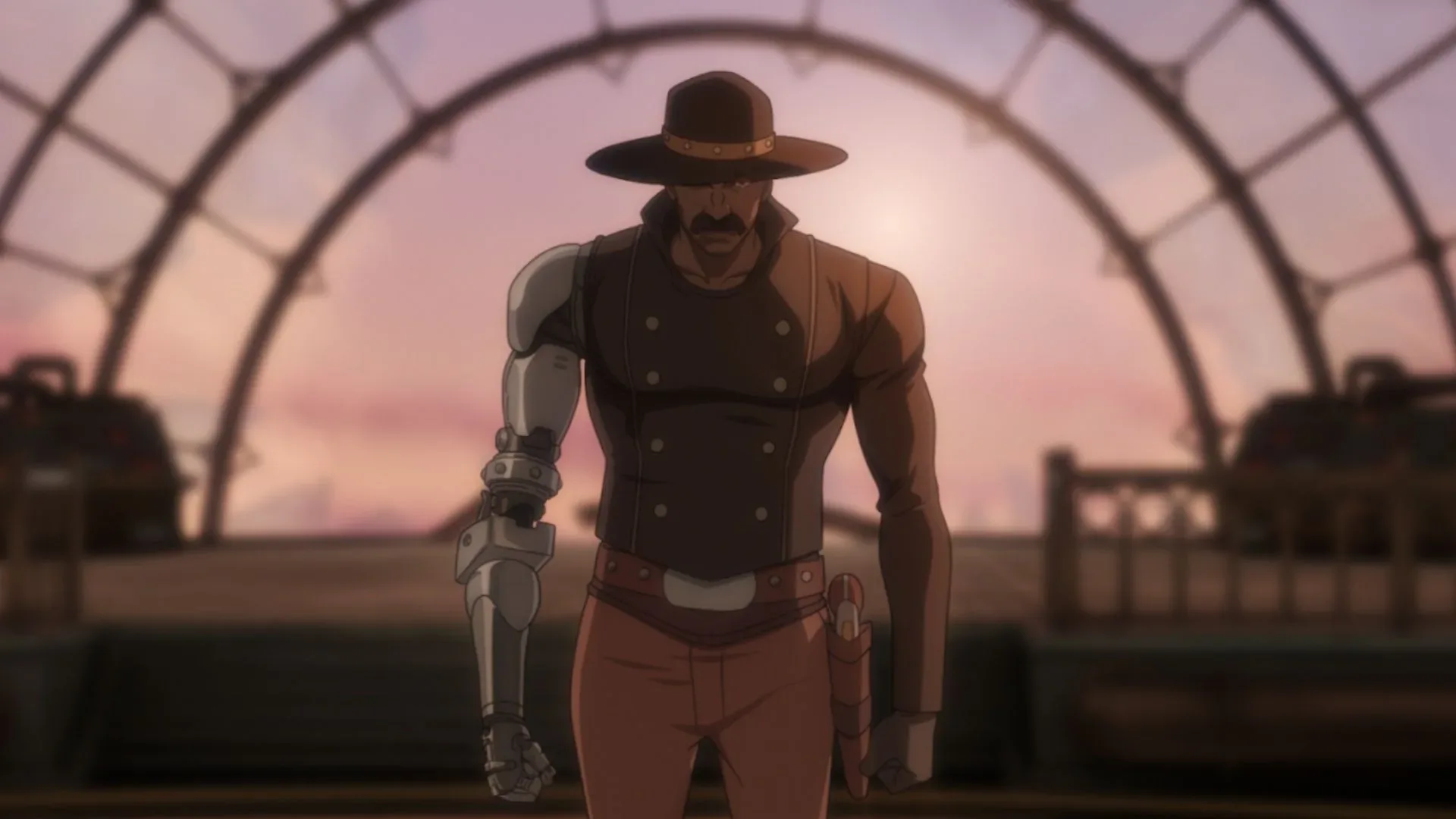
Bass X Machina is now streaming on Netflix, arriving with an attention-grabbing early critical marker: a 100% score on Rotten Tomatoes. The number is based on only a small group of reviews, so it should be read as an encouraging first signal rather than a settled verdict. Still, it puts immediate focus on an animated series built around a notably unusual collision of ideas: a Wild West marshal, steampunk machinery and criminals that sound far more mechanical than conventional frontier outlaws.
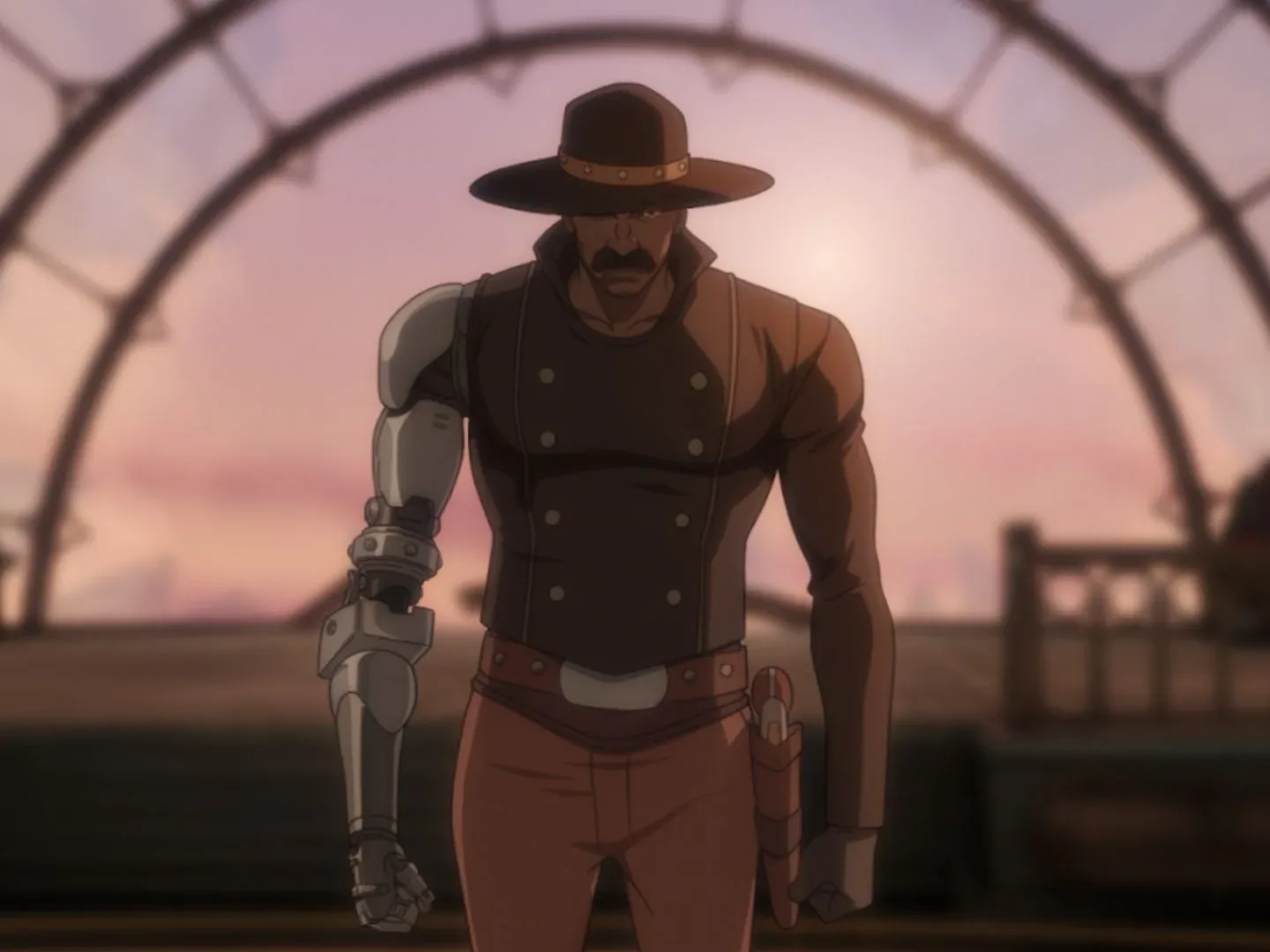
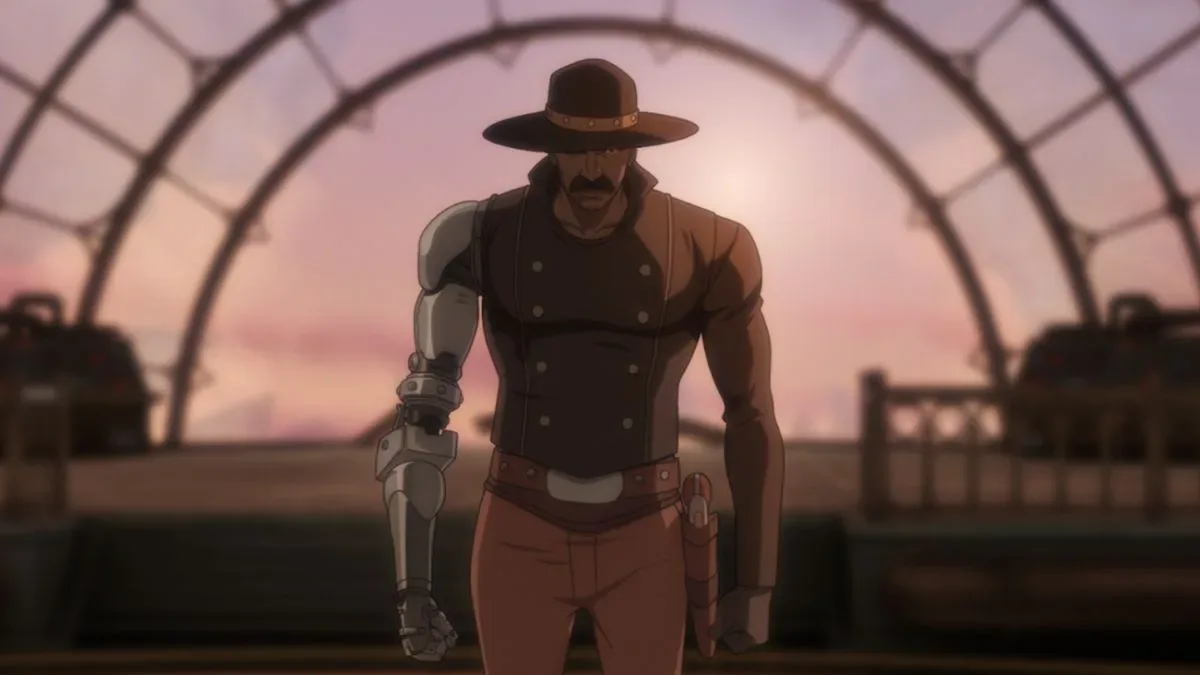
Brian Tyree Henry leads the series as Marshal Bass Reeves, a lawman equipped with a cybernetic arm. Tati Gabrielle and Janelle Monáe are also part of the cast. The premise makes its central contrast plain: rather than treating the West as a purely historical setting, Bass X Machina introduces technology associated with futuristic science fiction. Its enemies are described as being closer in spirit to a Terminator-style threat than to Jesse James.
An early perfect score, with an important asterisk
A 100% Rotten Tomatoes score means every review currently counted by that aggregator is positive. It does not mean every possible critic has seen the series, nor does it establish that every viewer will respond to it in the same way. With a limited initial sample, a percentage can move substantially as more reviews are added.
That context matters, particularly for a show entering a busy streaming environment where a striking score can quickly become the headline. The useful takeaway at this stage is narrower: the first critical response has been favorable across the reviews included so far. That is a meaningful opening for a series without the immediate recognition of a long-running franchise, but it is not the same as a final consensus.
The comparison point is nevertheless substantial. The current score puts Bass X Machina ahead of the present scores associated with animated titles including Cyberpunk: Edgerunners and Leviathan. Those comparisons are snapshots, not permanent rankings, because aggregator scores can change as their review totals grow.
What “steampunk anime” signals here
Steampunk is a style of speculative fiction that combines older-era visual language—often machinery, metalwork and period settings—with inventions that do not belong to that historical period. In Bass X Machina, the supplied details point to a variation on that formula: the Wild West supplies the setting and the marshal, while the cybernetic limb and technologically transformed outlaws introduce the speculative element.
“Cybernetic,” in this context, refers to technology integrated with a body. Marshal Reeves’ arm is therefore more than a standard piece of gear; it is part of the character’s physical makeup. The premise also suggests that the divide between person and machine will be central to the action, though the available details do not establish exactly how that technology works, how widespread it is, or what it costs its users.
That restraint is worth keeping. The show’s announced setup supports a picture of an alternate, mechanized frontier, but it does not yet support assumptions about its broader rules, episode structure or particular villains. What is clear is that the series is using genre fusion as its immediate hook: Western iconography on one side, science-fiction menace on the other.
Brian Tyree Henry’s interest in experimental animation
Henry has previously explained that Netflix’s animation catalog was part of what drew him toward working with the service. He singled out Blue Eye Samurai, saying he watched it repeatedly, and described a preference for making work he himself would want to watch.
“I try to make the things that I know I want to watch,” Henry said, while praising the willingness to pursue inclusive and experimental animated stories beyond the mainstream.
His comments provide useful context for Bass X Machina. The series is not being positioned merely as an animated Western or merely as a sci-fi adventure. Its premise is deliberately more specific and stranger than either label alone: a marshal on the frontier faces criminals augmented or defined by extreme technology, while carrying that same technological complication himself.
For audiences, that can be the practical reason to give the show a look. Someone seeking a traditional Western should expect a major speculative twist. Conversely, someone interested in animation that uses science-fiction concepts but avoids the familiar futuristic cityscape may find the frontier setting to be the differentiator. The show’s early reception suggests that this blend has connected with the first critics who have weighed in.
A cast with genre visibility
Henry’s casting is likely to be one of the show’s clearest draws, especially as attention around his potential involvement in The Batman 2 continues. Rumors and a reported makeup-related slip have fueled speculation that he could play Two-Face, but that remains unconfirmed. There is no basis to treat the role as settled, and he could be playing another Gotham character entirely.
That uncertainty does not diminish the more immediate point: Henry is presently fronting a Netflix animated series with a distinctive protagonist and a favorable initial critical response. Gabrielle, associated with Intergalactic, and Monáe add further recognizable names to the ensemble.
Animation has often provided a space for performers to take on heightened worlds without the burden of making those worlds physically plausible through live-action production. A cybernetic frontier marshal can be presented at the scale the concept demands, while performance still carries the character’s personality, tension and authority. The premise gives Henry a role that sounds suited to a commanding center: a marshal tasked with imposing order in a landscape where the usual rules of the Western have been technologically rewritten.
Why the premise has room to stand apart
The strongest element in the available description is not the perfect score by itself. It is the clarity of the show’s central image: a lawman of the Old West, armed with a cybernetic limb, hunting adversaries whose threat resembles machine-driven action science fiction. It communicates setting, conflict and tone rapidly.
It also creates an inherent tension between old and new. The six-shooter-and-sheriff vocabulary of the Western implies a particular kind of justice, mobility and danger. Adding cybernetics and machine-like outlaws changes the balance of power. A marshal confronting such threats cannot rely solely on the familiar assumptions attached to an ordinary frontier story.
Whether the series ultimately explores that tension in depth is a question for viewers and later criticism. But the setup alone helps explain why it is gaining notice. Streaming animation increasingly has room for projects that are not easily reduced to a single genre lane, and Bass X Machina has arrived as a particularly direct example of that approach.
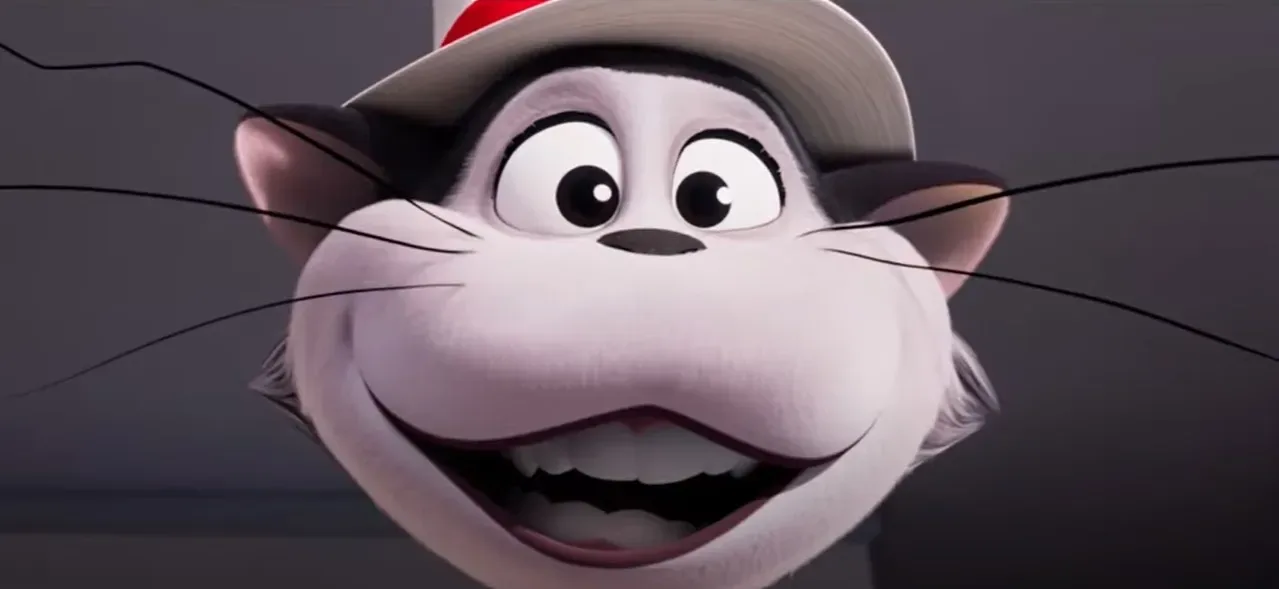
For readers tracking the wider animation conversation, Joking Joystick has also looked at how adaptation and franchise scale can shape an animated release in our review of The Cat in the Hat. Bass X Machina, by comparison, is attracting interest first through its odd-couple genre premise and the early strength of its critical reception.
What viewers can reasonably expect now
- A Netflix animated series: Bass X Machina is available to stream now.
- A genre hybrid: its world combines a Wild West setting with steampunk and cybernetic science-fiction elements.
- A lawman at the center: Brian Tyree Henry plays Marshal Bass Reeves, who has a cybernetic arm.
- An early critical success: it currently holds 100% on Rotten Tomatoes, based on a limited number of reviews.
- An ensemble beyond its lead: Tati Gabrielle and Janelle Monáe are among the cast.
The most measured way to describe the launch is promising rather than definitive. Bass X Machina has an excellent early aggregator score, a lead actor with a stated enthusiasm for adventurous animation, and a premise that does not sound interchangeable with the usual streaming sci-fi or Western template. More reviews will determine whether the perfect score holds. For now, the show has given viewers a concise reason to investigate: the frontier has acquired machinery, and its marshal has too.