Bad Bunny’s Super Bowl LX halftime show has turned one of television’s biggest stages into an Emmy milestone. The production earned seven awards at the Creative Arts Emmys, a total reported to make it the most decorated Super Bowl halftime special yet. Among those wins was outstanding variety special (live), an award that also marked a breakthrough for Spanish-language programming in the category.
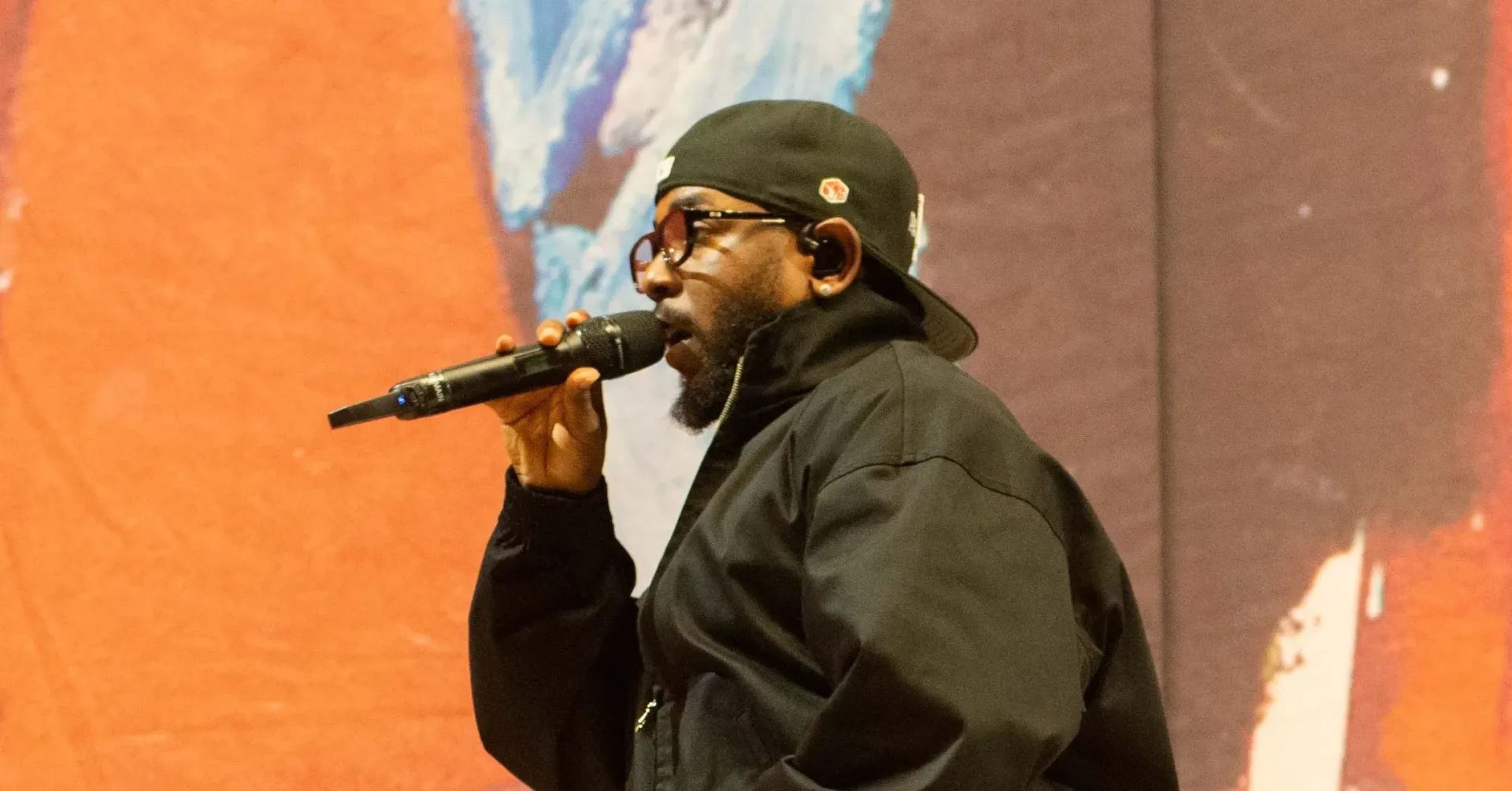
The seven-award haul exceeded the three Emmys won by the Super Bowl LVI halftime production in 2022. That earlier show was itself a landmark event: the first halftime presentation built entirely around hip-hop, with Kendrick Lamar, Dr. Dre, Eminem, Mary J. Blige, Snoop Dogg and 50 Cent sharing the bill. The comparison highlights how awards recognition for halftime productions has expanded alongside their creative and cultural ambitions.
For Bad Bunny, the result carries two kinds of recognition. He was honored as the show’s lead performer and as a producer, placing him at the center of both the performance and the work of bringing a complicated live television event to the screen. Halftime shows may arrive in a compact broadcast window, but they are built from a massive number of creative decisions: music arrangements, choreography, staging, camera direction, costume work, lighting, sound, logistics and the difficult task of making a stadium-scale spectacle readable to viewers at home.
A historic win for a Spanish-language live special
The outstanding variety special (live) victory is especially notable because it is reported as the first time a Spanish-language program has won in that category. That distinction gives the trophy weight beyond the usual tally of an awards weekend. It recognizes a show presented on an enormous mainstream platform without treating Spanish as an obstacle to broad cultural reach.
Super Bowl halftime entertainment has long functioned as a rare kind of shared pop-culture moment. A performer is playing to the crowd in the stadium, a national TV audience and, increasingly, a global online audience that immediately dissects every visual, guest appearance, lyric and camera angle. For an artist whose work is deeply tied to Puerto Rican and Latino identity, the show’s awards sweep makes that visibility part of the historical record as well.
That point is worth separating from the louder arguments that surrounded the booking. People can debate a performance’s themes, the NFL’s choices or the boundaries between entertainment and politics. The Emmy result is more concrete: voters awarded the production seven times, including its top live-variety honor. In award terms, the show was not merely a high-profile event. It was a highly recognized piece of television.
Bad Bunny’s success also arrives after years in which major music broadcasts have increasingly reflected audiences that do not fit one language, genre or cultural lane. The 2022 hip-hop halftime show was a clear example of that evolution. Bad Bunny’s seven trophies push the trend further, with an artist associated with Spanish-language global pop and Puerto Rican culture receiving the night’s most emphatic halftime-show endorsement.
Readers following the continuing conversation around Kendrick Lamar and contemporary hip-hop can also find more on AZ Chike’s album tease and the possibility of another Kendrick Lamar collaboration.
The controversy began with the booking
The accolades came after a lengthy and contentious run-up to the game. Criticism from conservative figures began after the NFL named Bad Bunny as its halftime headliner in September of the previous year. Much of that response focused on his public criticism of Immigration and Customs Enforcement and immigration raids, rather than solely on his music or suitability as a stadium performer.
Weeks before the Super Bowl, Bad Bunny used his Grammy acceptance for album of the year to voice opposition to ICE, saying “ICE out.” He had previously said that he would not tour the mainland United States because he feared fans could be targeted by immigration agents. Those comments put his personal concerns and political stance directly into a national dispute that was already far bigger than halftime entertainment.
Corey Lewandowski, a Department of Homeland Security adviser, described the selection as shameful and warned that ICE would have a presence at the Super Bowl. DHS Secretary Kristi Noem echoed that warning. Later, White House press secretary Karoline Leavitt said there was no formal plan for immigration agents to attend the game.
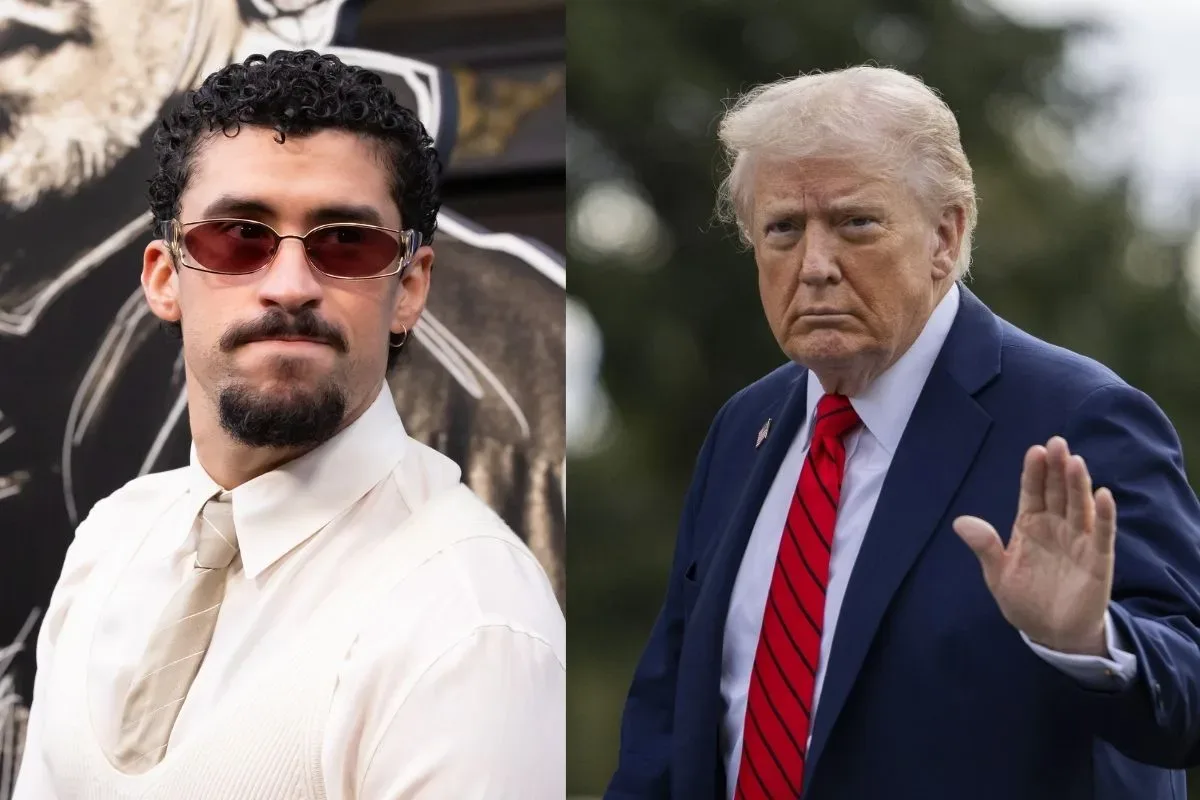
Other political reactions continued to build. President Donald Trump criticized the Spanish-language show online. Activist Laura Loomer called for an ICE raid at the venue. Turning Point USA promoted a competing “All-American Halftime Show” that included Kid Rock and other performers. House Speaker Mike Johnson argued that the NFL should have selected a more suitable artist, suggesting Lee Greenwood as an alternative.
Those reactions made the performance a lightning rod before the broadcast was even underway. Still, a halftime slot can mean different things to different viewers. Some saw Bad Bunny’s appearance as inherently political because of the debate around him and his own previous statements. Others framed the show primarily as a visible celebration of Puerto Rican and Latino identity. The Emmy recognition does not settle that disagreement, but it demonstrates that the show’s reception was not defined only by the political opposition it attracted.
A larger climate behind the argument
The arguments around the halftime show unfolded amid heightened concern about immigration enforcement. ICE raids had increased in Los Angeles, Chicago and New York, while a Supreme Court decision allowed agents to question people based on appearance alone. The policy had particular effects on Latino communities, and some Latino communities canceled Hispanic Heritage Month events amid the enforcement climate.
That context helps explain why the selection drew an intensity unusual even by Super Bowl standards. A halftime show can be easy to dismiss as a few minutes of spectacle, but performers and audiences do not experience it outside the world around them. Bad Bunny’s earlier remarks about fans, touring and immigration enforcement meant the broadcast carried personal stakes for many people who followed the debate.
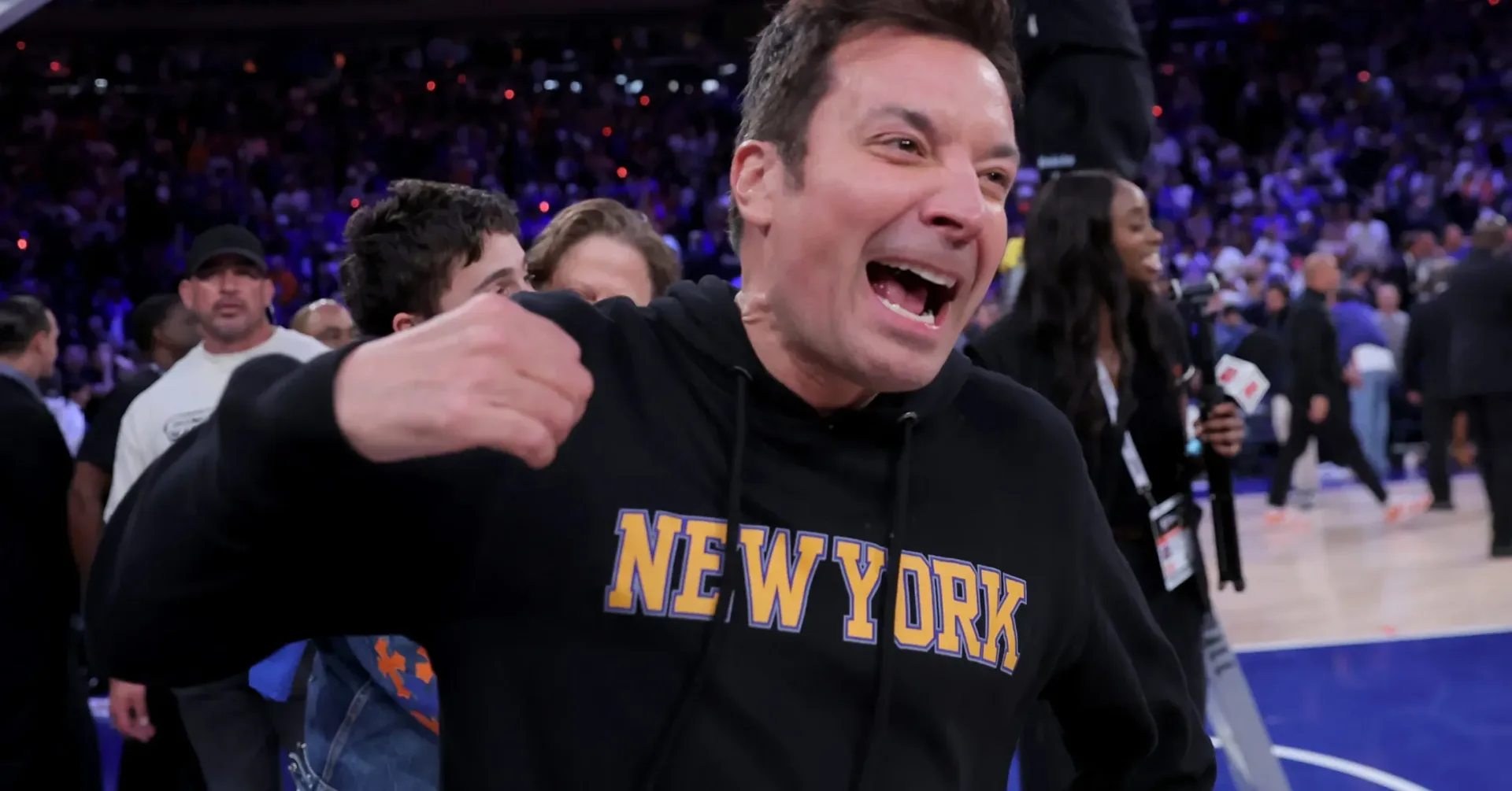
At the same time, support for the performance came from figures in sports. Former NFL player J.J. Watt and New York Knicks guard Jalen Brunson publicly praised it. Their reactions underscore the more straightforward entertainment case for the show: a major artist delivered a performance that connected with viewers and later drew substantial recognition from television’s awards establishment.
Why seven Emmys matter
An Emmy sweep should not be reduced to a scoreboard, though the number is undeniably striking. Seven awards say that the work succeeded across multiple parts of a production, not merely in the visibility of its headliner. Live specials are particularly demanding because their technical and artistic components must work under the pressure of a one-time broadcast. There is no second take after the audience has seen the moment.
The award for outstanding variety special (live) is the centerpiece because it credits the overall program. Bad Bunny’s performer and producer recognition further establishes his role in shaping the event. Together, those wins suggest a show whose identity was not simply applied to an existing Super Bowl template. The artist’s presence was fundamental to the special’s creative direction.
It also places the production in a growing lineage of halftime shows that have become cultural artifacts in their own right. The format was once frequently treated as a break between football action. Now it is a prestige live-TV production, a global music launchpad and a recurring arena for arguments about which artists, languages and communities belong at the center of American pop culture.
Bad Bunny’s Super Bowl LX show met that scale with a result that is hard to dispute: seven Creative Arts Emmy Awards, a record for a halftime special, and the first outstanding variety special (live) win for a Spanish-language program. Whatever debate continues around the broadcast, the awards have given its legacy an unambiguous new chapter.