The 2026 Creative Arts Emmy Awards are underway at the Peacock Theater in Los Angeles, where the first of two ceremonies put the spotlight on a huge range of work that keeps television running outside the marquee acting and series prizes. The early honors covered game shows, reality programming, documentaries, variety specials, music, sound, crafts, advertising and emerging media—effectively the category screen where television’s visible stars share space with the people who make the whole production pipeline work.
A few programs emerged as particularly noticeable early winners. The Apple Music Super Bowl LX Halftime Show Starring Bad Bunny scored in music direction, choreography for variety or reality programming, and sound mixing for a variety series or special. The Traitors won production design for a variety or reality series and cinematography for a reality program. Meanwhile, The Muppet Show earned recognition for production design for a variety special and writing for a variety special.
For viewers who treat awards-season categories like a stat sheet rather than a red-carpet sideshow, these results show how varied the television field has become. A major live sports halftime production, a castle-bound reality game of deception, a puppet-led variety project, streaming documentaries and a VRChat program all landed in the same early awards conversation. It is an unusually broad field, but also a useful reminder that TV production is now happening across broadcast, cable, subscription services, social platforms and virtual worlds.
Bad Bunny’s halftime show makes an early technical run
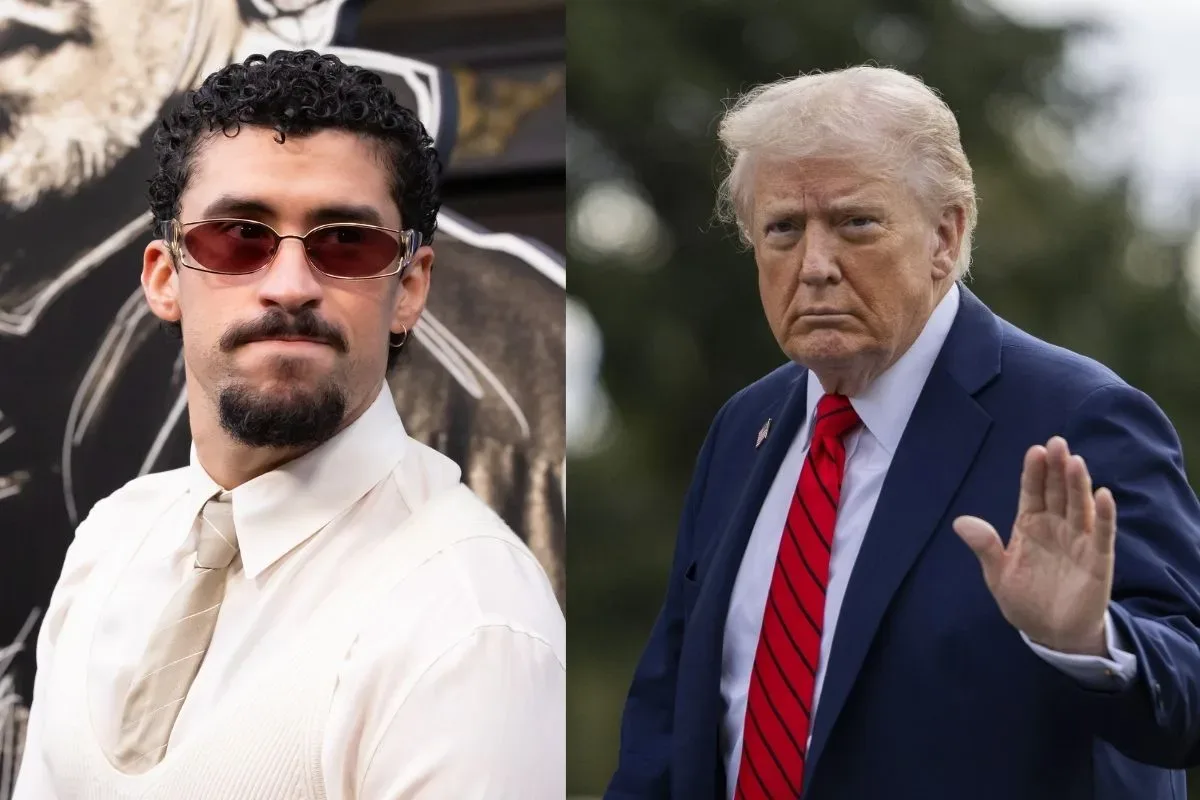
The Apple Music Super Bowl LX Halftime Show Starring Bad Bunny received three confirmed awards during the first Creative Arts ceremony. Miguel Gandelman won for music direction, while Charm La’Donna and Karina Ortiz were recognized for choreography for the show’s “Casita Medley / EoO / Nuevayol” performance. The show also won sound mixing for a variety series or special, honoring production mixer Thomas Holmes, ProTools mixer Pablo Munguia, front-of-house mixers Alex Guessard and Dave Natale, monitor mixer Tom Pesa and supplemental mixer Christian Schrader.
That combination of wins points to the layered challenge of a halftime broadcast: musical leadership, dance staging and live audio all have to function under enormous time pressure. The program was also nominated in production design, lighting design and technical direction/camerawork for a special, underscoring the scale of the behind-the-scenes operation even where the supplied results do not identify winners.
Bad Bunny’s presence also connects the early Emmys to the larger pop-culture cycle of music performance, televised events and archival replay. Those worlds increasingly overlap, from prestige concert films to awards broadcasts. For another look at the concert-film side of that ecosystem, read our review of the Oasis reunion concert film.
The Traitors turns its atmosphere into Emmy hardware
The Traitors was a major name in reality-focused craft awards. Its “The Black Banquet” episode won outstanding production design for a variety or reality series. The credited winning team includes production designer Stuart Frossell, art director Luke Fuller, art directors Georgia Picton, Alex Robertson and Rosie Westwood, and set decorator Celina Hodge.
The series also won outstanding cinematography for a reality program for its body of work. Siggi Rosen-Rawlings and Matt Wright were the directors of photography recognized alongside camera operators Will Antill, Jack Booth, Alex Bruno, Ollie Green, Quin Jessop, Guy Linton, Scott McKee, Joshua Montague, Hazel Palmer, Steve Peters, Paul Rudge, James Spencer, Matt Thomson, Alex Took and Melvin Wright.
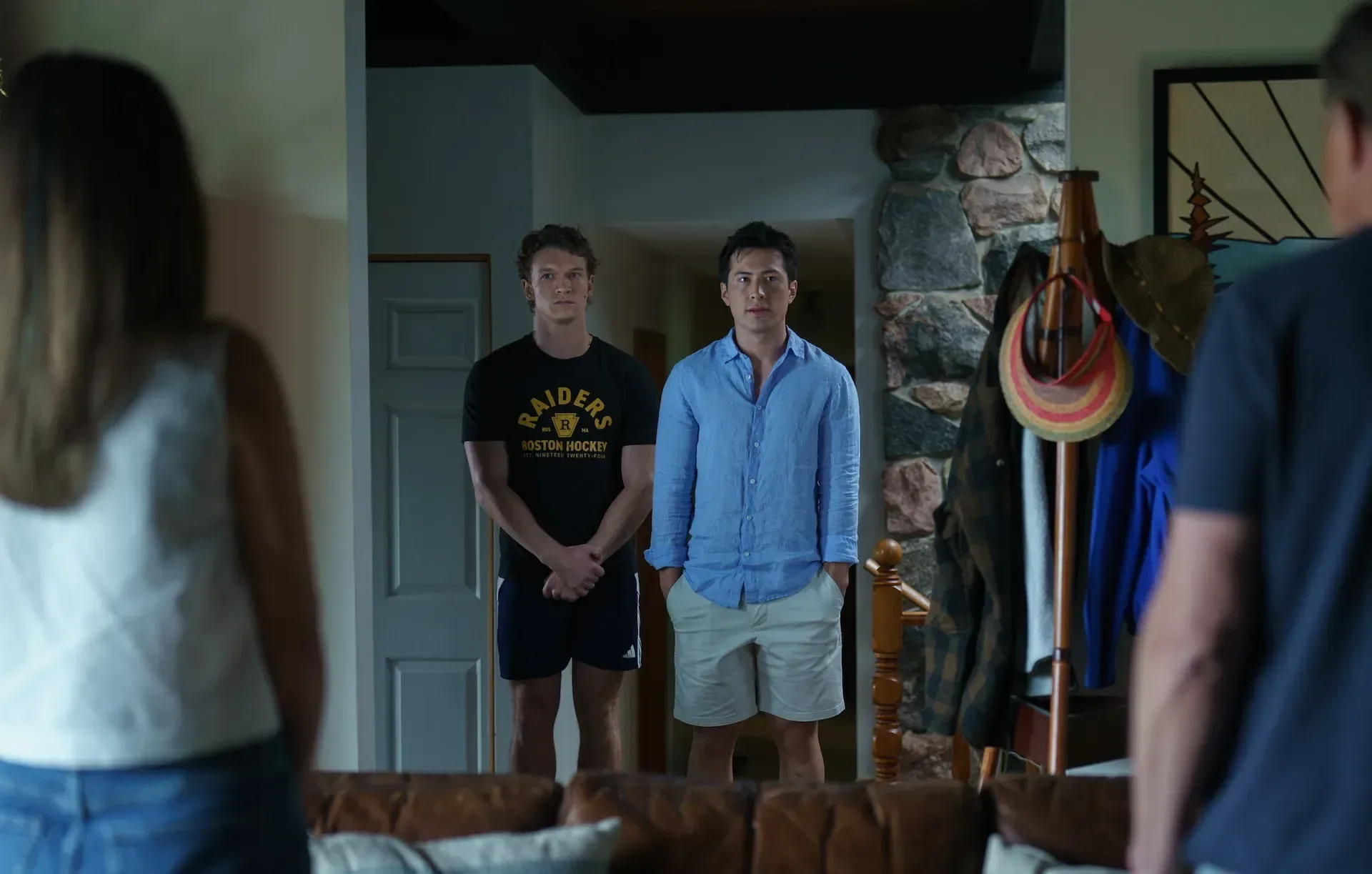
Related coverage includes Creative Arts Emmys Night One: Bad Bunny, The Traitors and The Muppet Show Lead Early Honors.
Those wins give the Peacock reality competition a strong early showing in categories that reward the show’s physical mood as much as its social maneuvering. Production design and cinematography are easy to take for granted in unscripted television, where the apparent spontaneity can obscure the planning required to shape location, lighting, coverage and visual continuity into a coherent season.
The series had also received a juried Emmy in outstanding costumes for variety, nonfiction or reality programming before the ceremony. Its nominations included directing for reality programming, editing for a structured reality or competition program and reality host recognition for Alan Cumming. Those races were listed among the ceremony’s contenders, but the available winner information does not confirm their outcomes.
The Muppets, game shows and short-form programming take the stage
The Muppet Show won outstanding production design for a variety special, with Denise Pizzini recognized as production designer, Chet Maxwell and Robert Aguirre as art directors, and Bethany Barton as set decorator. The project also won outstanding writing for a variety special. Albertina Rizzo, Gabe Liedman, Nedaa Sweiss, Kelly Younger and Andrew Williams were credited for that win.
In game-show categories, Jeopardy! won outstanding game show, while Jimmy Kimmel won outstanding host for a game show for Who Wants To Be A Millionaire. Those results split recognition between the format itself and the person guiding a competing format—an appropriately game-show-shaped result where no one player gets the entire board.
Digital and short-form work also had a substantial place in the ceremony. Inside The Pitt won outstanding short form nonfiction or reality series, while Colbert Before Air won outstanding short form comedy, drama or variety series. The latter project, distributed on YouTube, illustrates how Emmy-recognized programming is no longer restricted to traditional episode lengths or conventional TV destinations.
That expansion went further in emerging media. Uncanny Alley: A New Day, presented through VRChat by Ferryman Collective and Virtual Worlds Company, won outstanding emerging media program. It was up against Blumhouse Enhanced Cinema for Meta Quest and The World Of Fallout, a Prime Video-related experience involving Amazon MGM Studios, Kilter Films, Magnopus and Bethesda Game Studios. In a year where game-connected worlds continue to influence entertainment culture, the category offers a rare awards-stage acknowledgement that virtual spaces can be a venue for authored programming rather than merely a delivery mechanism.
Documentary and reality craft honors recognize the crews
Documentary work received several early awards. Tyler Strickland won outstanding music composition for a documentary, nonfiction or reality program for John Candy: I Like Me. Ocean With David Attenborough won nonfiction cinematography, recognizing Doug Anderson and Toby Strong. Billy Joel: And So It Goes won sound mixing for a nonfiction program, with Bob Chefalas, Mark Mandler, David Mitlyng, Michael Stewart, Bradshaw Leigh, Brian Ruggles and Jay Vicari credited.
In reality, Love On The Spectrum took outstanding casting for a reality program. Cian O’Clery, Sean Bowman, Ashley Morgan and Emily Frisbie received the award. Welcome To Wrexham won sound mixing for a reality program for “Do A Wrexham,” with Mark Jensen credited as re-recording mixer.
These categories are especially useful at demonstrating that nonfiction programming is not an absence of craft. Documentary and reality teams make consequential choices about what to record, how to frame it, what to preserve in the sound mix and how to shape material into something viewers can follow. An awards list can seem intensely granular, but that granularity is the point: it makes room to recognize individual disciplines that can vanish behind an umbrella label such as “reality” or “documentary.”
Other early winners and the road ahead
Additional confirmed winners from the night included RuPaul’s Drag Race for hairstyling in a variety, nonfiction or reality program; Saturday Night Live for makeup in the same broad programming area, specifically its Bad Bunny-hosted episode; and Apple’s “I’m Not Remarkable” for outstanding commercial. The Late Show With Stephen Colbert won writing for a variety series, while The Daily Show Presents: Jordan Klepper Fingers The Pulse: Give The Man A Prize won writing for a nonfiction program.
The night’s previously announced juried awards included two Emmys for Adult Swim’s Genndy Tartakovsky’s Primal in outstanding individual achievement in animation. Along with The Traitors’ costume honor, Fox’s The Masked Singer was also recognized in the costume categories for variety, nonfiction or reality programming.
The broader Emmy week still has major series races looming. The Pitt entered with 25 nominations, including outstanding drama series and 13 acting nominations; Noah Wyle is among its lead-actor contenders. Hacks followed with 24 nominations for its fifth season, a comedy nomination total described as a record, ahead of the 23-nomination marks held by The Bear and The Studio. Jean Smart is in contention for what would be her fifth Emmy for Hacks and her eighth acting Emmy overall.
The Creative Arts Emmys ceremonies are being held at the Peacock Theater in Los Angeles. An edited presentation of the 2026 ceremonies is scheduled to air on FXX on September 12 at 8 p.m. ET/PT. Until then, the first-night results have already delivered a fittingly eclectic opening scoreboard: puppets, quiz shows, virtual worlds, football-pageant spectacle, reality intrigue and documentary portraiture all left with a share of the hardware.