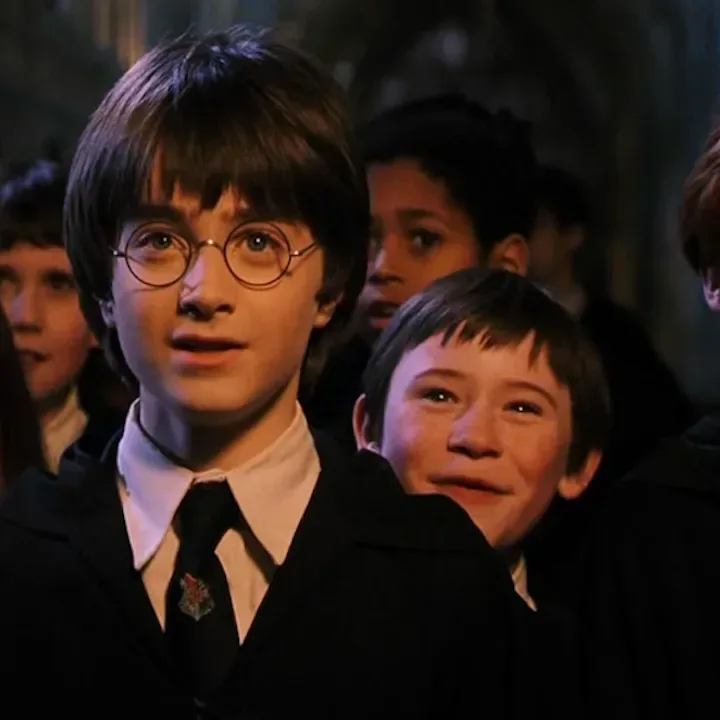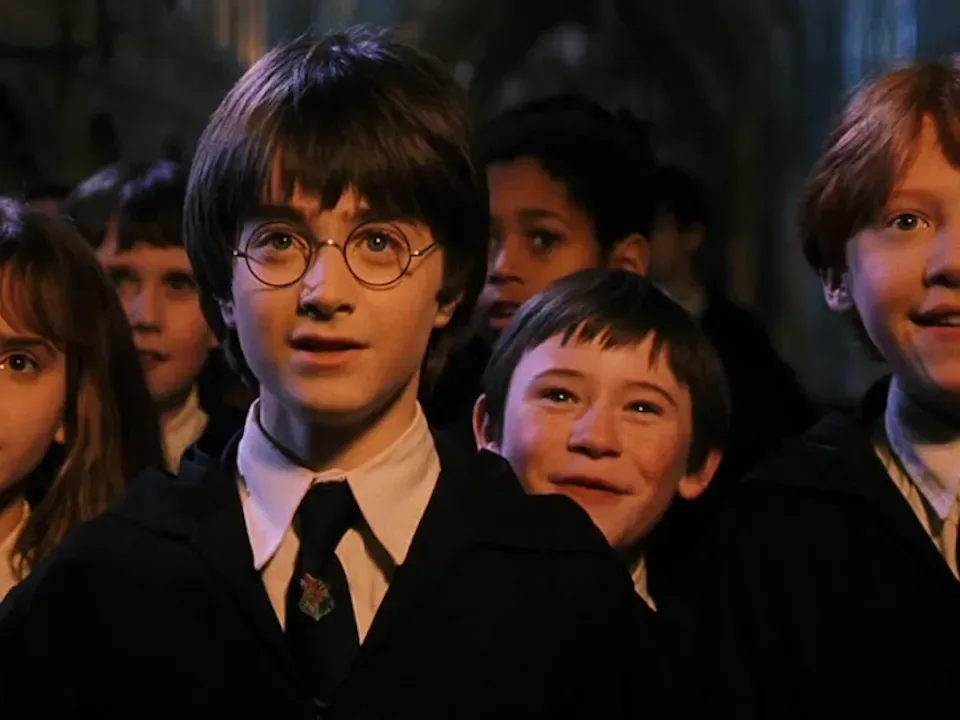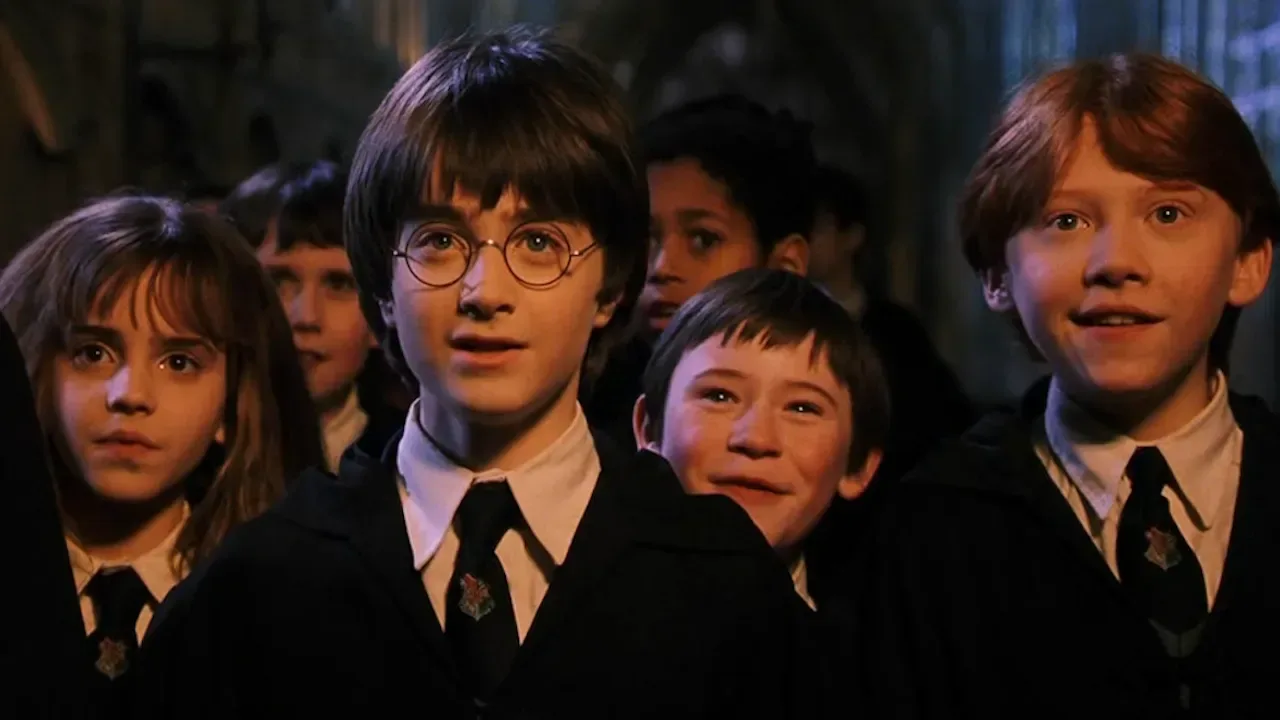
For most people, a return screening of Harry Potter and the Philosopher’s Stone means a familiar trip to Hogwarts. For Molly Connah and her family, it became the setting for a far more immediate arrival: her daughter, Elsie Lamb, was born roughly 45 minutes into the film at Cineworld in Broughton, North Wales.
The unusual circumstances have carried through to the official paperwork. Elsie’s place of birth is recorded as “Cineworld,” turning a cinema visit into a permanent part of the family story.
Connah, 32, had been overdue and had attended an appointment only hours earlier for a sweep, a procedure intended to encourage the onset of labour. She then went to the Harry Potter screening. During the sequence in which Hagrid and Harry shop for Hogwarts supplies, Connah realised that something did not feel right and left the auditorium.
The labour intensified quickly. Connah’s mother was with her, while workers from the cinema and a nearby Starbucks provided towels and sheets. Connah later described telling her mother that she needed to push; Elsie was born after two pushes.
An emergency medic and Elsie’s father arrived within minutes. The family was transferred to hospital before the credits rolled, and they are reported to be doing well. They have since returned to the Broughton cinema to thank the staff who helped during the emergency.
A cinema screening with an unforgettable interruption
The first Harry Potter film has recently been back in cinemas for its 25th anniversary, giving fans another opportunity to see the opening chapter of the film series on a big screen. That nostalgia-fuelled reissue now has one exceptionally personal footnote attached to a showing in Broughton.
There is a surreal neatness to the timing. The film’s early Hogwarts-shopping scene is about a child stepping into an unfamiliar, life-changing world. Elsie’s arrival happened during that very section, though the real significance is plainly not the movie trivia. It is that a fast-moving medical event unfolded in a public space and the people nearby responded with practical help until medical assistance arrived.
That distinction matters. The story is amusing because of the location and the Harry Potter connection, but it is also a reminder that public-facing venues are staffed by people who may suddenly need to help in situations far beyond tickets, concessions and seat numbers. The reported details point to a chain of support: family present at the start, nearby workers supplying essential materials, then an emergency medic and hospital transfer.
What “place of birth” means in this story
“Place of birth” can sound like a routine line on a document, usually associated with a town or hospital. In Elsie’s case, it has become the detail people will remember first. Cineworld is not merely where Connah happened to be when labour began; it is listed as Elsie’s official place of birth.
That makes the record an unusually literal piece of cinema memorabilia for the family—though not the kind anyone sets out to collect. There is no suggestion that this was planned, and the circumstances were understandably intense for Connah. Still, years from now, the entry gives Elsie a story that needs remarkably little embellishment: she was born mid-screening during a theatrical return of the first Harry Potter movie.
The cinema has offered the family four free tickets for a future showing, since they missed the end of the film. It is a small but fitting gesture: a chance to return under much calmer circumstances and finally find out how that particular screening ended.
Why the Harry Potter detail has such staying power
Harry Potter remains a rare kind of shared screen reference point. A single scene description—Hagrid taking Harry to buy his school things—immediately places the moment for many viewers, even those who have not watched the film recently. In the United States, the same movie is titled Harry Potter and the Sorcerer’s Stone; the Broughton screening used the original Philosopher’s Stone title.
That familiarity is why the story travels so easily. A baby born at a cinema would be memorable under any circumstances. Adding one of the most recognisable fantasy films of its era, plus the exact point in the story, turns it into the kind of real-world event that sounds scripted even though it plainly was not.
The franchise is also moving into its next screen phase, with an HBO Harry Potter television series set to debut this Christmas. The theatrical anniversary return therefore sits at an interesting moment: audiences are revisiting the beginning of the film saga while a new adaptation approaches. Elsie’s arrival is not part of that corporate cycle, of course, but it is an unexpectedly human anecdote attached to a major franchise’s return to theatres.
Screen franchises routinely create enduring associations around premieres, costumes, favourite scenes and repeat viewings. This is a different category altogether. The film did not simply accompany a family occasion; it became the backdrop for the instant a new member of that family entered the world.
The practical reality behind a magical headline
It is tempting to treat every element of the incident as a Potter-themed punchline: the cinema birthplace, the mid-film timing and the missed finale. But the account also shows why the light-hearted framing should stop short of making the event seem effortless. Connah had just undergone a procedure intended to start labour, recognised escalating symptoms, and had a birth occur with extraordinary speed.
The useful takeaway is not a medical one—individual pregnancies and births are not interchangeable—but a simple human one. When an unexpected emergency happens in a shared public place, immediate support and a route to professional care are what matter. In this case, staff and family members helped with what was needed at the scene, an emergency medic arrived, and the family then went to hospital.
That real sequence is more compelling than any wizarding-world wordplay. The humour in the circumstances can coexist with respect for a mother who went through a sudden birth and for the people who helped make an alarming moment safer.
A new family story, and one unfinished movie
Elsie’s eventual Harry Potter relationship is, naturally, still to come. What is already settled is the family’s connection to the first film: Connah and her relatives began the screening, left before its finish, and returned afterward to express their gratitude. The four complimentary tickets mean the family can make another attempt at the movie when the time is right.
Perhaps that later viewing will be less about catching up on what they missed and more about marking a day that will be impossible to top. Long-running screen worlds often inspire elaborate fan stories, but few can claim a connection as direct as having a theatre printed on their birth record.
For more on how major screen franchises continue to move between film and television, see our coverage of the next chapter of Reacher on television.