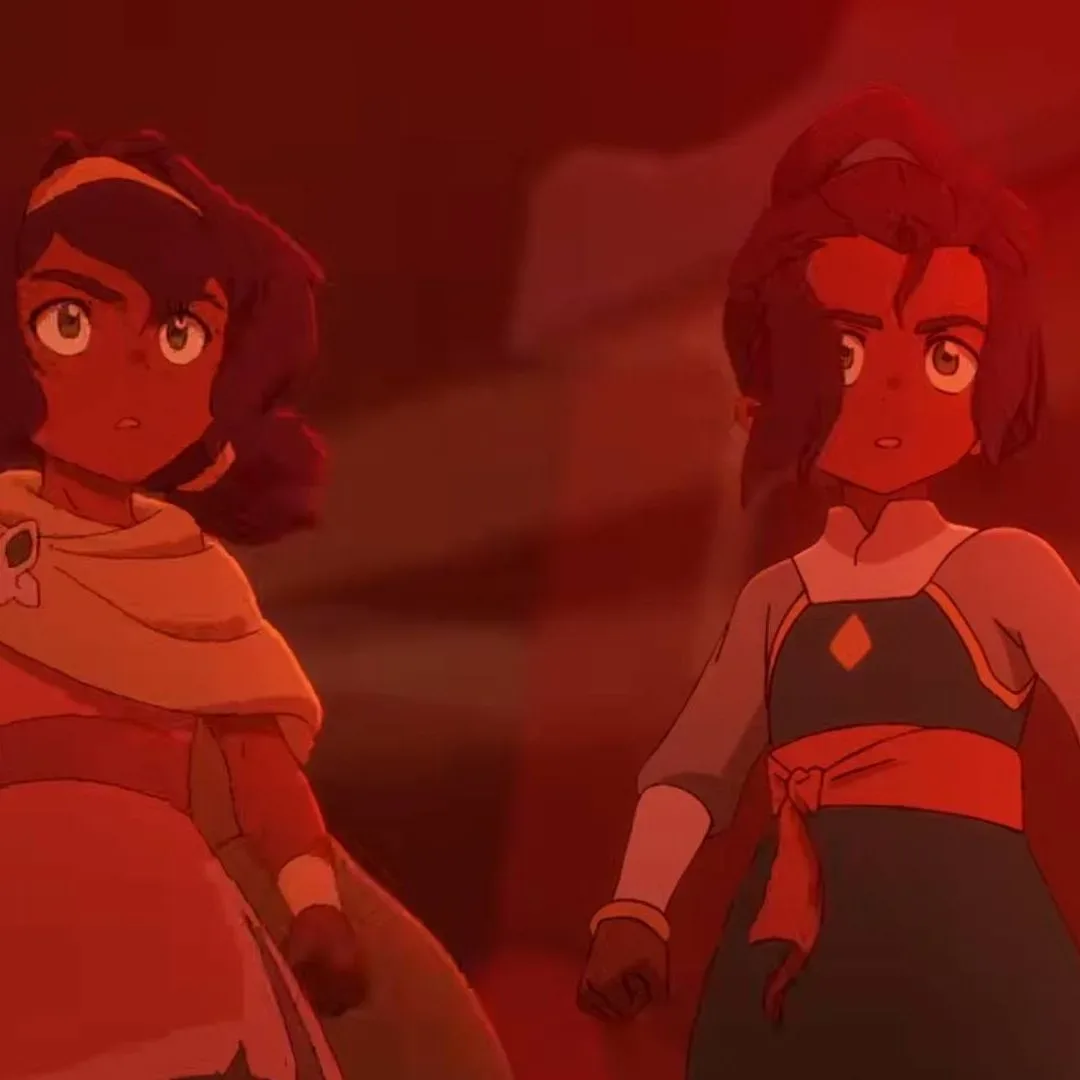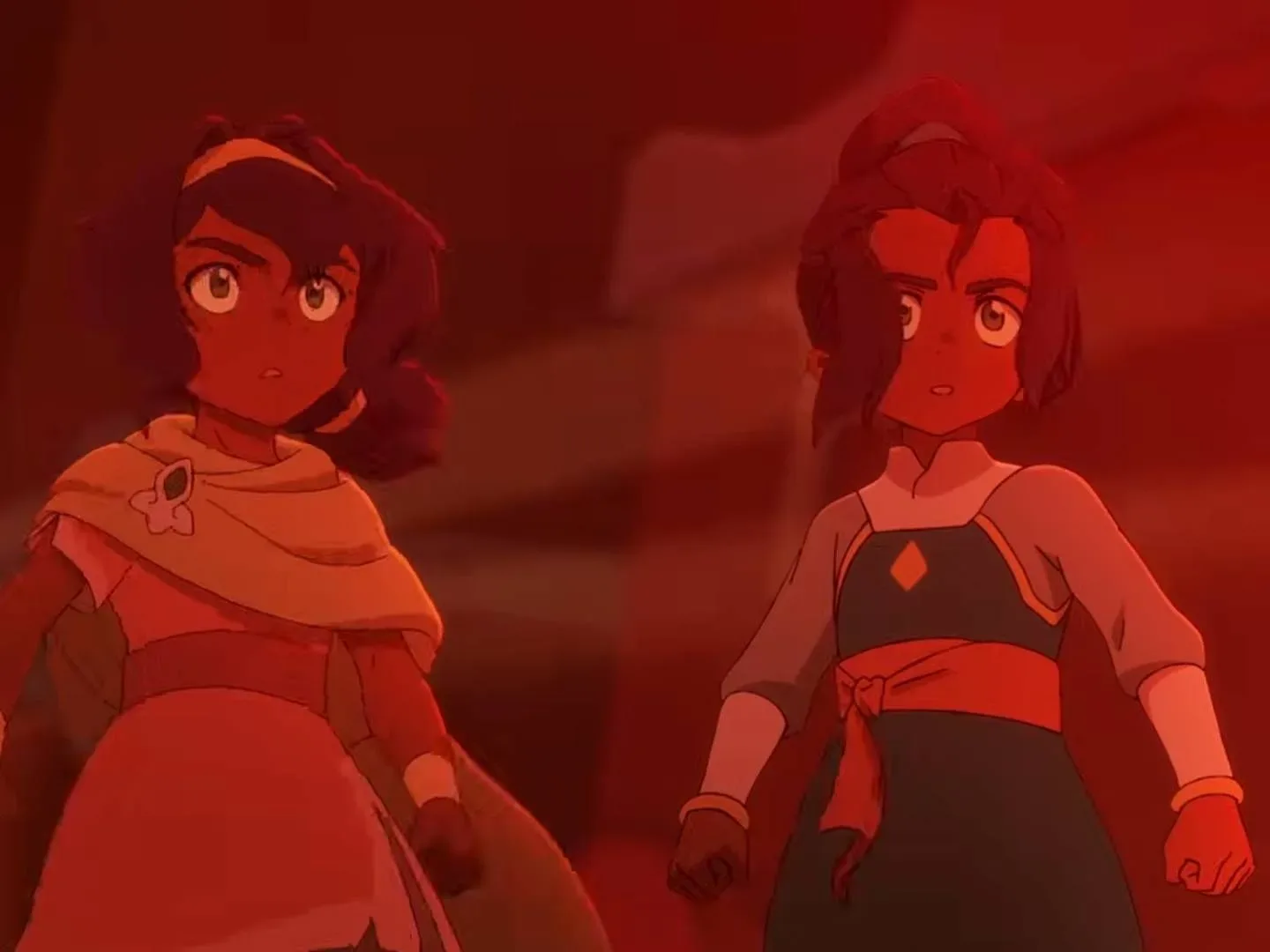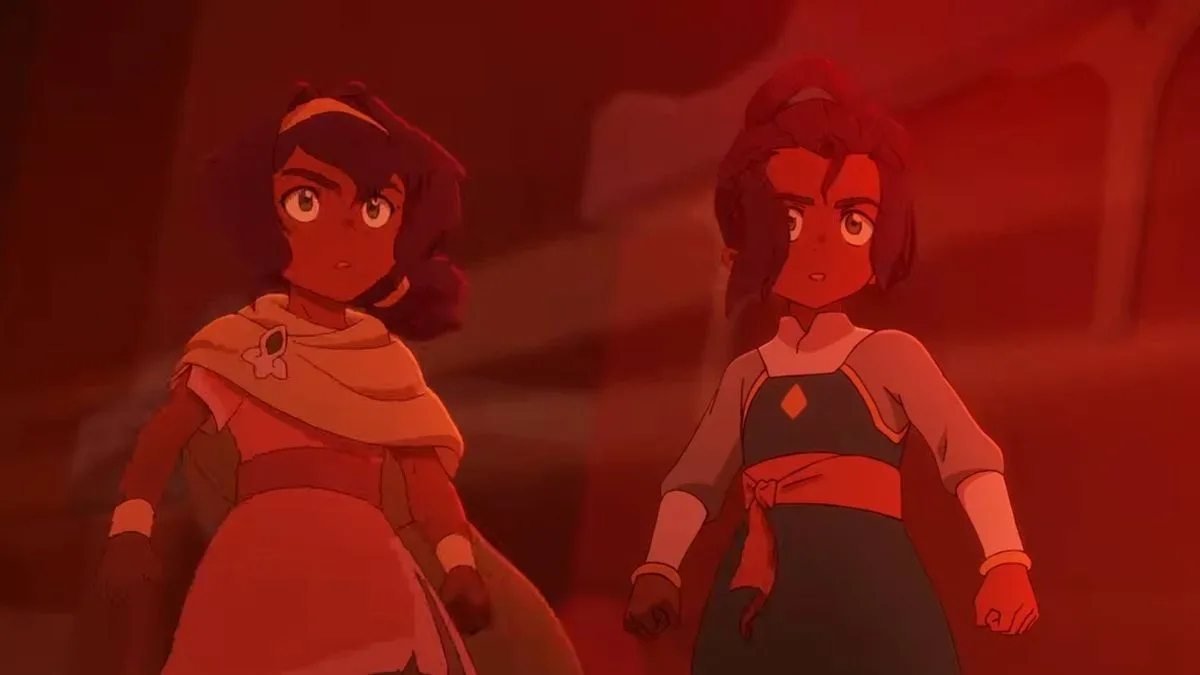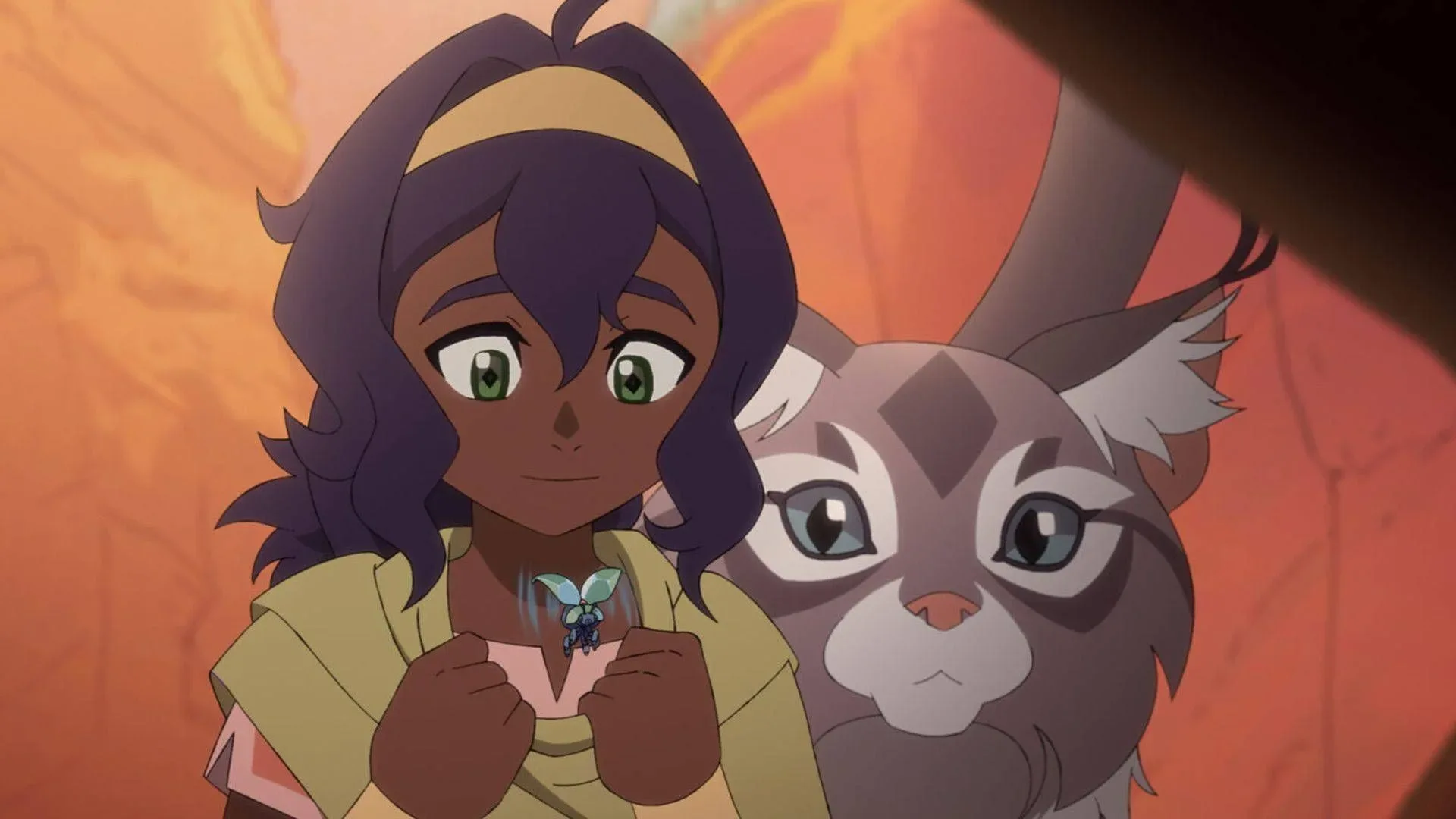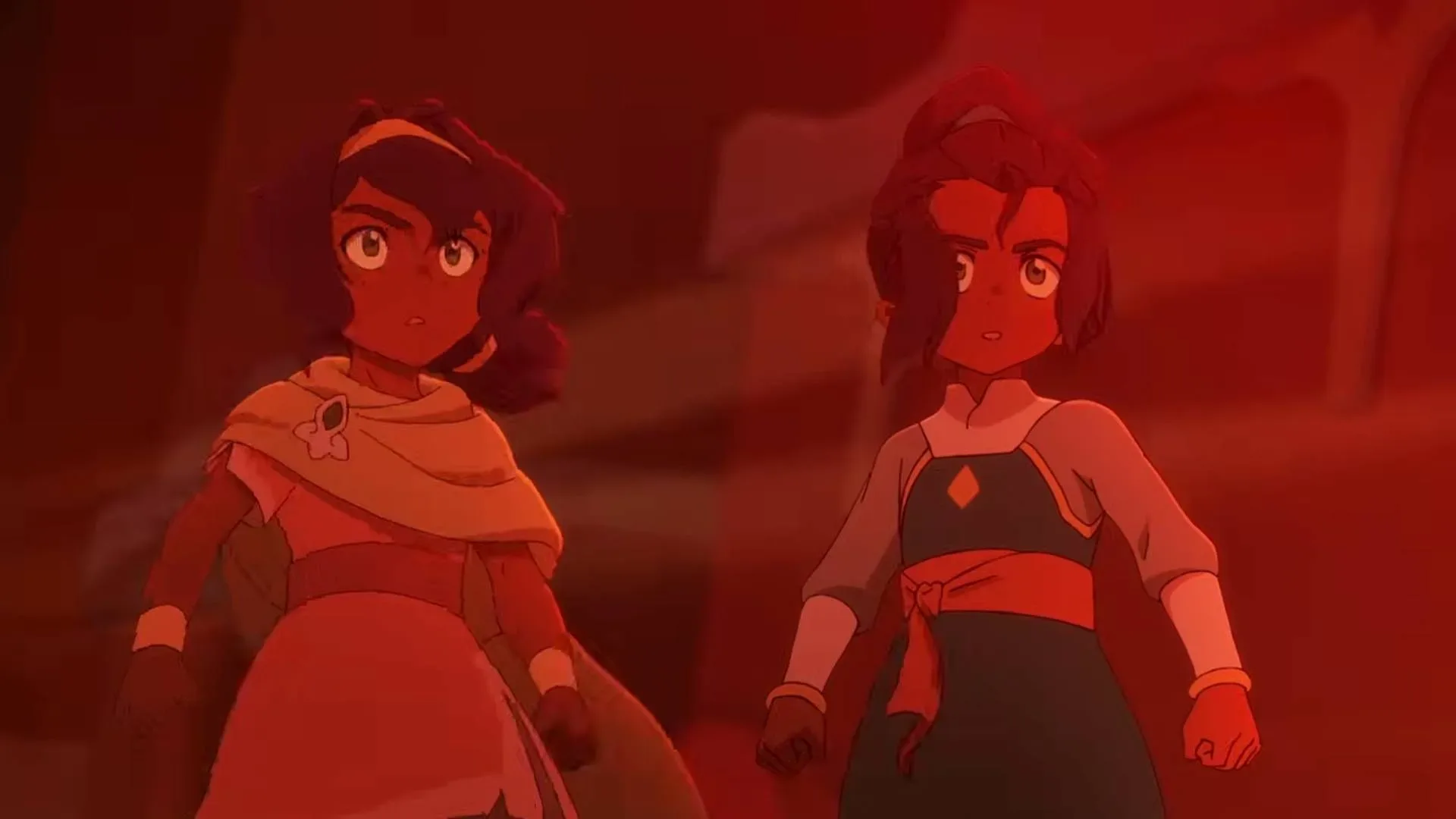
Avatar: Seven Havens has sparked a release-strategy debate before its first book has even fully completed its rollout. What appeared to be an intended 26-episode, all-at-once streaming release has instead become a two-book schedule, and many viewers believe that change was crucial for the new Avatar story.
The series’ first 13-episode book began arriving in three-episode batches on October 9. Its rollout ends with a four-episode batch on October 30. A premiere date for Book 2 has not been announced. Every episode runs 30 minutes, meaning an immediate 26-episode release would have put 13 hours of material in front of viewers at once.
That is a substantial difference in how a serialized show is encountered. A full-season binge drop lets viewers dictate their pace, but it also compresses a season’s public life: revelations are quickly followed by later revelations, and separate audiences can be many episodes apart. A batch release creates planned pauses. In the case of Seven Havens, those pauses are now a major part of the audience experience fans are describing.
Why the rollout became part of the conversation
Early messaging had led to the impression that all 26 episodes would arrive in binge-watch form. Later promotional material established the two-book approach: 13 episodes in Book 1, released in recurring batches, followed by a second book at an unannounced later date.
For a franchise built around long-form plotting, that clarification matters. A “book” is more than a synonym for a season in this context. It signals a defined segment of a larger story, with its own release window and likely its own internal dramatic shape. The first book’s structure also gives viewers shared checkpoints: people can discuss the same cluster of episodes rather than trying to avoid accidentally revealing events from episode 19 to someone who has only completed episode three.
One fan’s blunt response to the abandoned binge-drop expectation was that releasing everything at once could have “killed the show.” That is not a measurable prediction, and it should be understood as audience reaction rather than a verdict on the series itself. But it clearly communicates a fear familiar to streaming viewers: that a show with a large mythology can vanish from the conversation too quickly when its entire story is made available on day one.
Cliffhangers need time to work
The most common defense of the current plan is about cliffhangers. A cliffhanger is an ending designed to delay an answer, usually by leaving a character, conflict, or revelation in a state of heightened uncertainty. Its purpose is not merely to stop the episode; it creates anticipation for the next one.
When the next episode is instantly available, that anticipation may last only as long as it takes to select “play.” There is nothing inherently wrong with that model. Some viewers prefer a story without pauses, and a closely connected run of episodes can play like a long film. Yet it changes the function of the ending. The cliffhanger becomes a handoff within a private viewing session rather than a communal point of speculation.
Fans supporting Seven Havens’ current cadence specifically point to the space between drops. Their view is that the three-episode batches preserve enough momentum to keep the plot moving while still allowing questions and theories to circulate. In practical terms, viewers have several episodes to settle into a development, then a scheduled pause in which they can discuss what it might mean.
That middle ground is central to the reaction. This is not a simple demand for weekly single episodes or a blanket rejection of binge viewing. Rather, fans are responding to the balance between immediate progress and delayed resolution. Three episodes can provide a meaningful chunk of story; the wait afterward makes that chunk feel like an event instead of disposable background viewing.
A long jump forward makes audience discussion especially useful
Avatar: Seven Havens is set approximately 225 years after The Legend of Korra and 300 years after Avatar: The Last Airbender. Its world also begins from a major reversal of expectation: airbenders are regarded as destructive and harmful instead of heroic.
That premise is a useful reason to understand why a slower release can appeal to viewers. It introduces a setting shaped by a changed public perception of airbenders, while also carrying the weight of a world that audiences associate with previous Avatar stories. The show must establish what has changed over centuries and why characters in this era see airbenders so differently. Those are the sorts of worldbuilding questions that can prompt discussion between installments.
Worldbuilding, in this sense, means the narrative work of establishing a fictional society’s assumptions, history, and conflicts. It is not only about naming places or explaining lore. The idea that airbenders have become feared tells viewers something immediate about the social and political condition of this period. It also raises questions that a batch schedule can leave open for a while: what caused the shift, who benefits from it, and how will the show challenge or explain it?
A 13-hour all-at-once launch would not prevent viewers from engaging with those questions. It would simply make it easier for answers to arrive before the questions have a chance to become a shared conversation. The current model keeps more viewers near the same point in the story, which can make the setting’s mysteries feel larger than a single night’s watchlist.
Three episodes a week is still a compromise
Not every response argues that the present schedule is perfect. One fan suggested that Book 2 and later installments, if they follow the same approach, should reduce the pace to no more than two episodes per week. That position recognizes the benefit of not dropping all 26 at once while arguing that three episodes may still be too much material to process before the next discussion cycle.
It is a worthwhile distinction. “Weekly release” can describe very different experiences. One episode per week maximizes the interval between answers, but it can also make a plot feel slow if individual installments are short or chiefly setup. Two or three episodes create a mini-arc that may feel more satisfying in a sitting. Four episodes, as planned for the Book 1 finale, can turn a finale into a larger occasion without releasing the entire book at once.
With 30-minute episodes, three installments amount to roughly 90 minutes of viewing before breaks, while the four-episode finale is roughly two hours. That makes the batches substantial without equaling the 13-hour commitment implied by a complete 26-episode launch. The arithmetic helps explain why viewers see the plan as a hybrid model: it offers the convenience of longer sessions but retains a recurring rhythm.
There is no universally correct cadence. The right schedule depends on how standalone or interconnected episodes are, how a season structures its turning points, and what the audience wants from it. The fan reaction around Seven Havens demonstrates that release timing is not merely a distribution detail. It can affect spoiler culture, theory-making, the visibility of individual plot turns, and the perceived scale of a premiere.
What viewers can expect from Book 1’s remaining rollout
Book 1 is scheduled to conclude with four episodes on October 30, after the three-episode drops that began October 9. Book 2 does not yet have a stated release date. Until that date is known, viewers can separate confirmed information from preference: the two-book structure and Book 1’s batching are established, while arguments for one, two, or three episodes per week are audience opinions.
The bigger takeaway is that Avatar: Seven Havens has avoided the scenario that worried many fans: a 26-episode story appearing all at once and potentially being consumed at radically different paces. Its Book 1 schedule gives viewers a shared route through a far-future Avatar setting, with time to absorb each cluster of episodes before the next arrives.
For more television and pop-culture coverage, see our report on Elmo’s Miranda Priestly Halloween turn.